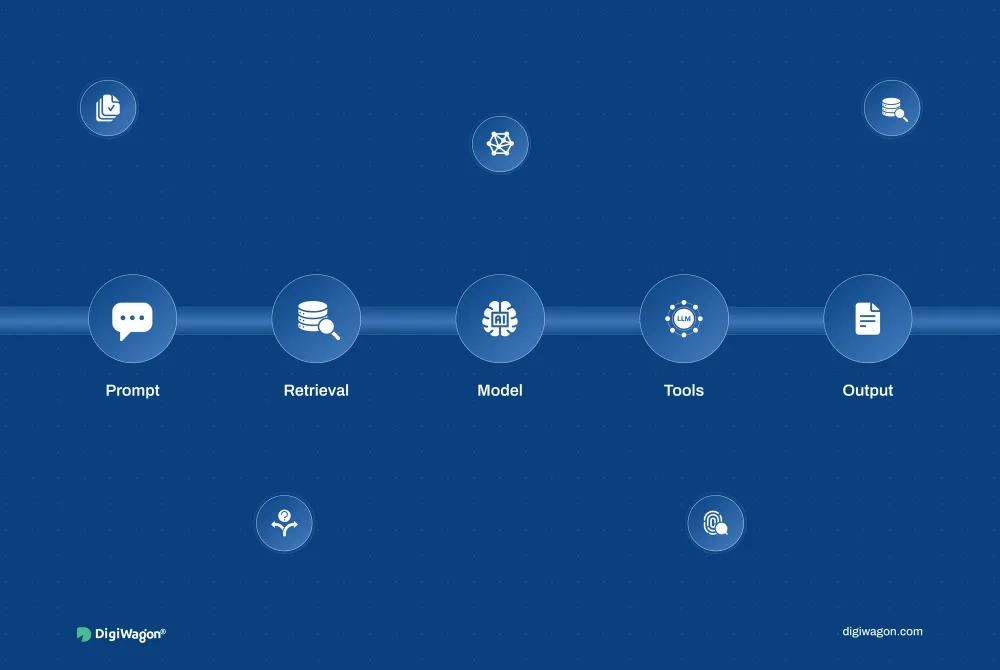
To the Chief Risk Officers and heads of Digital Transformation in Europe and Canada: the transformative power of Generative AI (GenAI) and Large Language Models (LLMs) is undeniable. They promise hyper-personalised services, streamlined compliance, and multi-fold productivity gains.
However, in the highly-regulated environment of FinTech & InsurTech, this power comes with a critical question: How do we scale GenAI while maintaining consumer trust, data privacy, and full regulatory compliance?
The path to adoption isn’t just about selecting the right model; it’s about navigating a complex, multi-jurisdictional regulatory roadmap-specifically the EU’s pioneering AI Act and Canada’s evolving Model Risk Management (MRM) frameworks. Your competitive edge will be defined by your governance framework, not your algorithms alone.
The Compliance Imperative: Why GenAI Is a “High-Risk” System
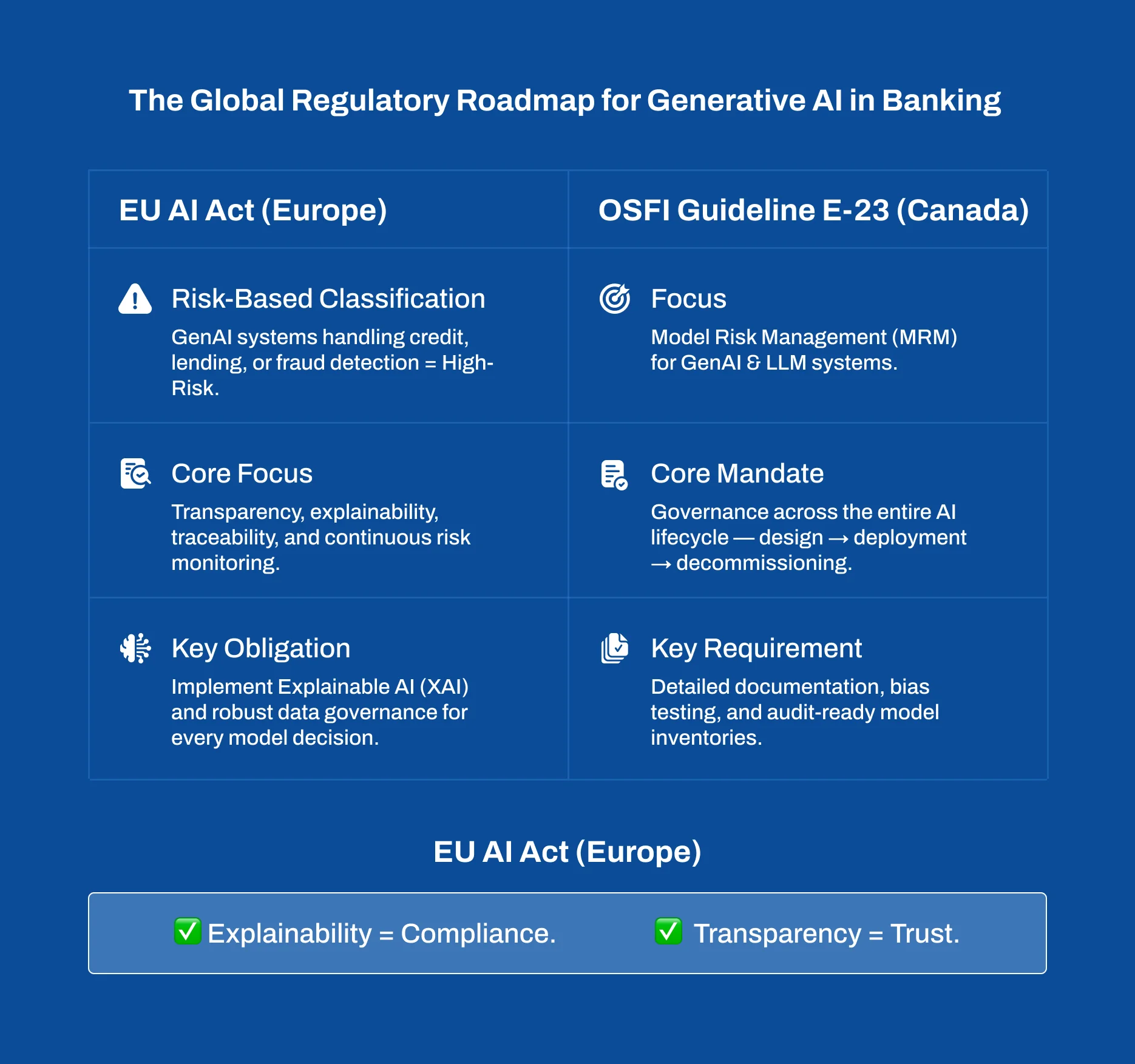
The European Union’s AI Act has set the global precedent by adopting a risk-based approach, and many core financial services use cases fall squarely into the “High-Risk” category.
Generative AI in FinTech – The Global Regulatory Roadmap
Two continents, one goal: responsible AI in financial services.
The EU AI Act’s Core Impact on Banking
Any AI system that significantly affects a person’s life-such as determining access to essential services or assessing creditworthiness – is deemed high-risk. This includes:
- Credit Scoring & Lending: GenAI models used to assess loan applications or calculate risk scores.
- Fraud Detection: AI systems that flag suspicious transactions leading to account freezes or consumer scrutiny.
- HR and Staffing: Tools that screen CVs or evaluate candidates. For European banks, complying with the AI Act requires strict adherence to obligations around risk management, data quality, logging, and, most critically, Explainability.
The Canadian Approach: OSFI’s Model Risk Focus
In Canada, the Office of the Superintendent of Financial Institutions (OSFI) is evolving its Guideline E-23 on Model Risk Management (MRM). GenAI and LLMs are explicitly recognized as complex models that introduce new forms of risk beyond traditional statistical models.
Canadian institutions must manage these models across their entire lifecycle, from design to deployment, with a focus on:
1. Model Identification: Expanding model inventories to include all GenAI tools, whether commercial (vendor) or internal.
2. Risk Rating: Applying a risk-based approach that considers the potential for hallucinations, bias, and adverse impact.
3. Governance & Documentation: Requiring detailed audit trails and clear documentation on model assumptions and limitations.
Navigating the Black Box: The Mandate for Explainable AI (XAI)
The single greatest regulatory challenge posed by GenAI is its opacity, often referred to as the “black box.” Deep learning models, including LLMs, are complex, making it difficult to understand why a specific decision was made.
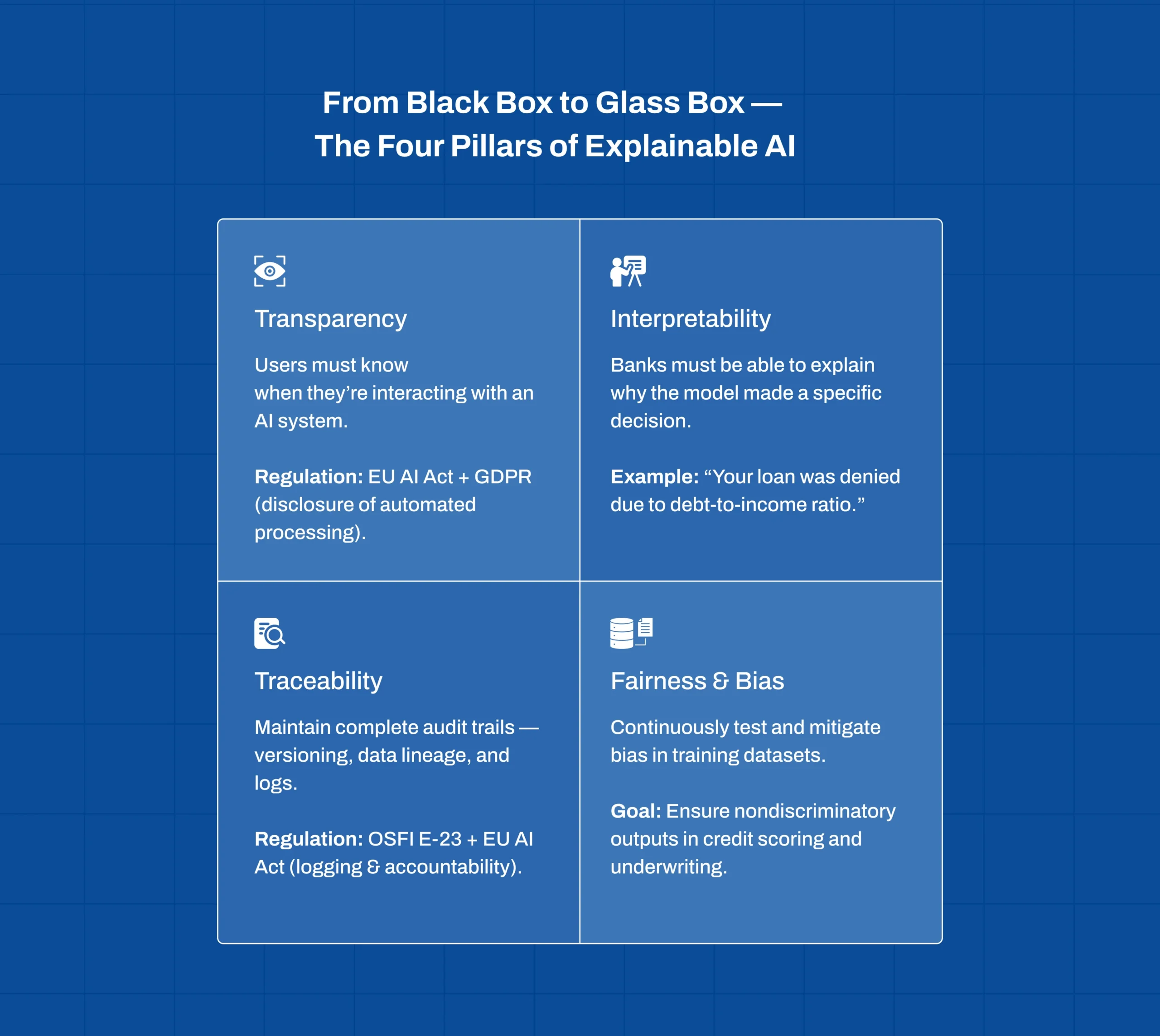
The Four Pillars of XAI Compliance
To counter this, financial institutions in both regions must implement Explainable AI (XAI) techniques:
| Pillar | Regulatory Driver | Business Requirement |
|---|---|---|
| 1. Transparency | EU AI Act, GDPR (data processing) | Clear disclosure that a user is interacting with an AI (e.g., in a chatbot). |
| 2. Interpretability | Consumer protection laws (adverse decisions) | The ability to articulate the reason for an outcome in understandable terms (e.g., “Your loan was denied because of high debt-to-income ratio”). |
| 3. Traceability | OSFI MRM, EU AI Act Logging | Detailed logging of the model’s activity, input data, and versioning for audit purposes. |
| 4. Fairness & Bias | Global anti-discrimination laws | Rigorous assessment of training data to prevent and mitigate algorithmic bias in decision-making processes. |
Strategic Note: Simply asking an LLM to “explain its answer” is not sufficient for regulatory compliance. You must employ specialised post-hoc techniques like SHAP or LIME to truly interpret the model’s internal features.
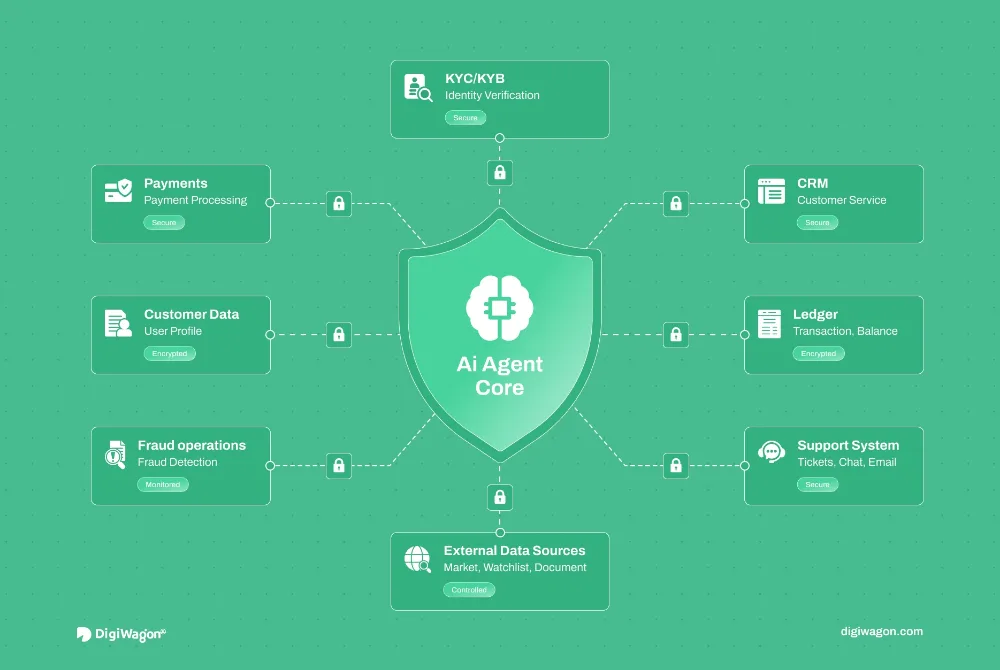
From Black Box to Glass Box – The Four Pillars of Explainable AI
Trustworthy AI is auditable, explainable, and ethical.
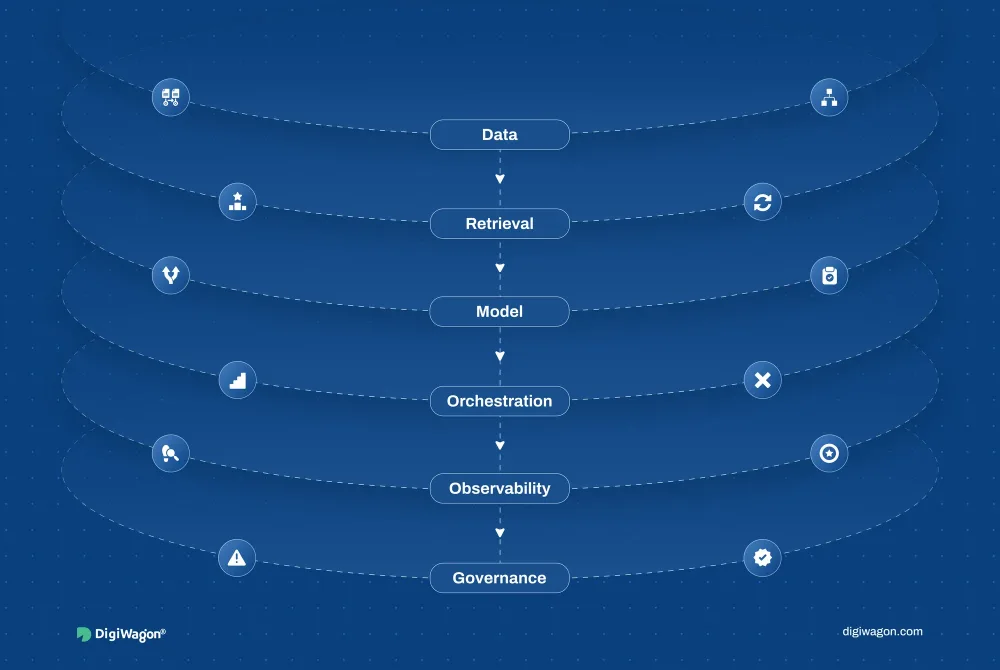
Building the Shield: A Proactive Risk Management Framework
Building the Shield – The Generative AI Risk Management Framework
Resilient, ethical, and regulator-ready AI governance.
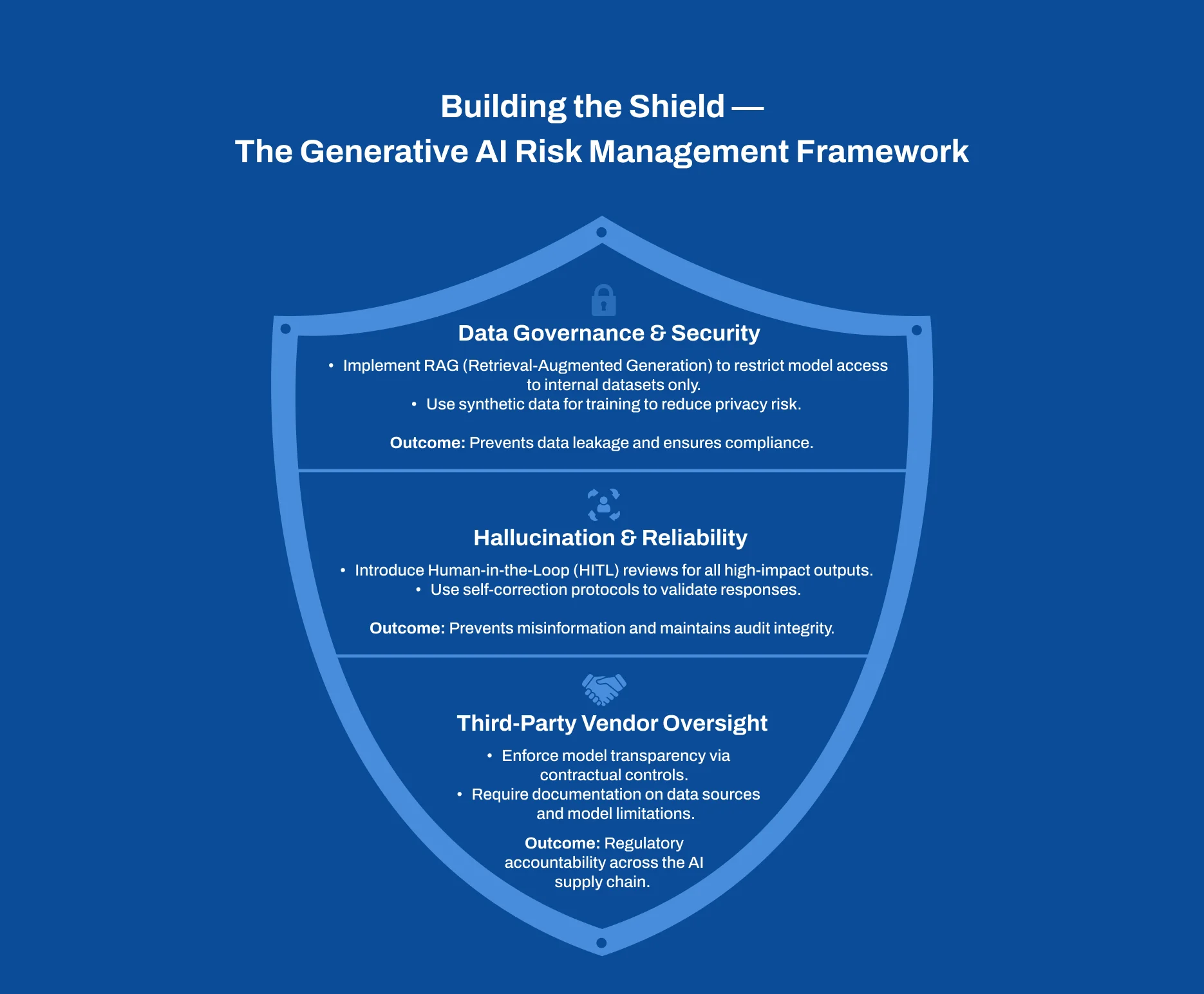
Scaling GenAI responsibly requires a strategic Generative AI Risk Management framework that transcends standard IT governance.
1. Data Governance & Security:
The use of LLMs raises critical data leakage risks. Banks cannot risk proprietary or sensitive customer data being processed by a third-party model.
- RAG (Retrieval-Augmented Generation): Employing RAG architectures ensures LLMs only access and generate responses from securely governed, internal knowledge bases, preventing data exfiltration and improving factual accuracy.
- Synthetic Data: Using high-fidelity synthetic data for model training can mitigate privacy risks while still allowing the model to learn complex patterns.
2. Hallucination and Reliability
The tendency of LLMs to “hallucinate” (generate inaccurate or misleading information) is an unacceptable risk in finance.
- Human-in-the-Loop (HITL): Implement mandatory human oversight checks, especially for high-impact outputs (e.g., a GenAI-drafted compliance report or a custom financial product summary).
- Self-Correction Protocols: Design agents that are programmed to challenge their own outputs against verifiable data sources before presenting a final answer.
3. Third-Party Vendor Oversight
Both the EU and Canada require financial institutions to manage the risks introduced by third-party tech providers.
- Due Diligence: Demand transparency from LLM vendors regarding training data sources, model limitations, and security protocols.
- Contractual Control: Ensure your vendor contracts grant you the necessary audit rights and include clear liability clauses for regulatory non-compliance caused by the model.
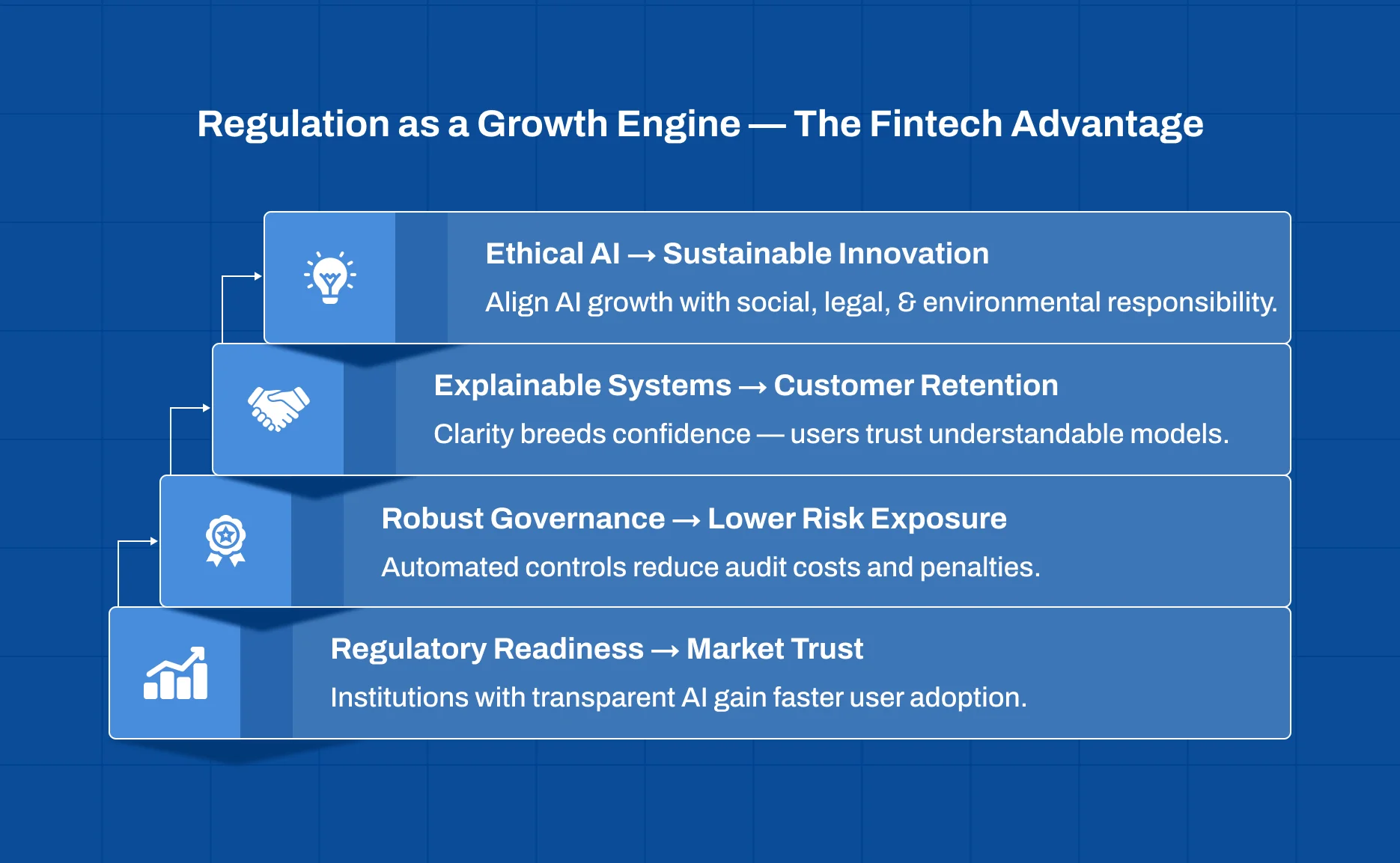
Regulation as a Growth Engine – The FinTech Advantage
Compliance is the new competitive differentiator.
Conclusion: Turning Regulation into a Competitive Advantage
The regulatory climate in Europe and Canada dictates that GenAI & LLMs must be implemented with discipline. This shift shouldn’t be seen as a burden, but as a path to greater trust.
Financial institutions that are strategic now will win the race for responsible adoption. By proactively building a robust governance layer, embedding Explainable AI into their development lifecycle, and partnering with experts in SaaS Architecture and AI Consulting, you can successfully de-risk the deployment of these powerful tools. This disciplined approach is what allows you to move beyond isolated proofs-of-concept and truly unlock the digital transformation potential of Generative AI.