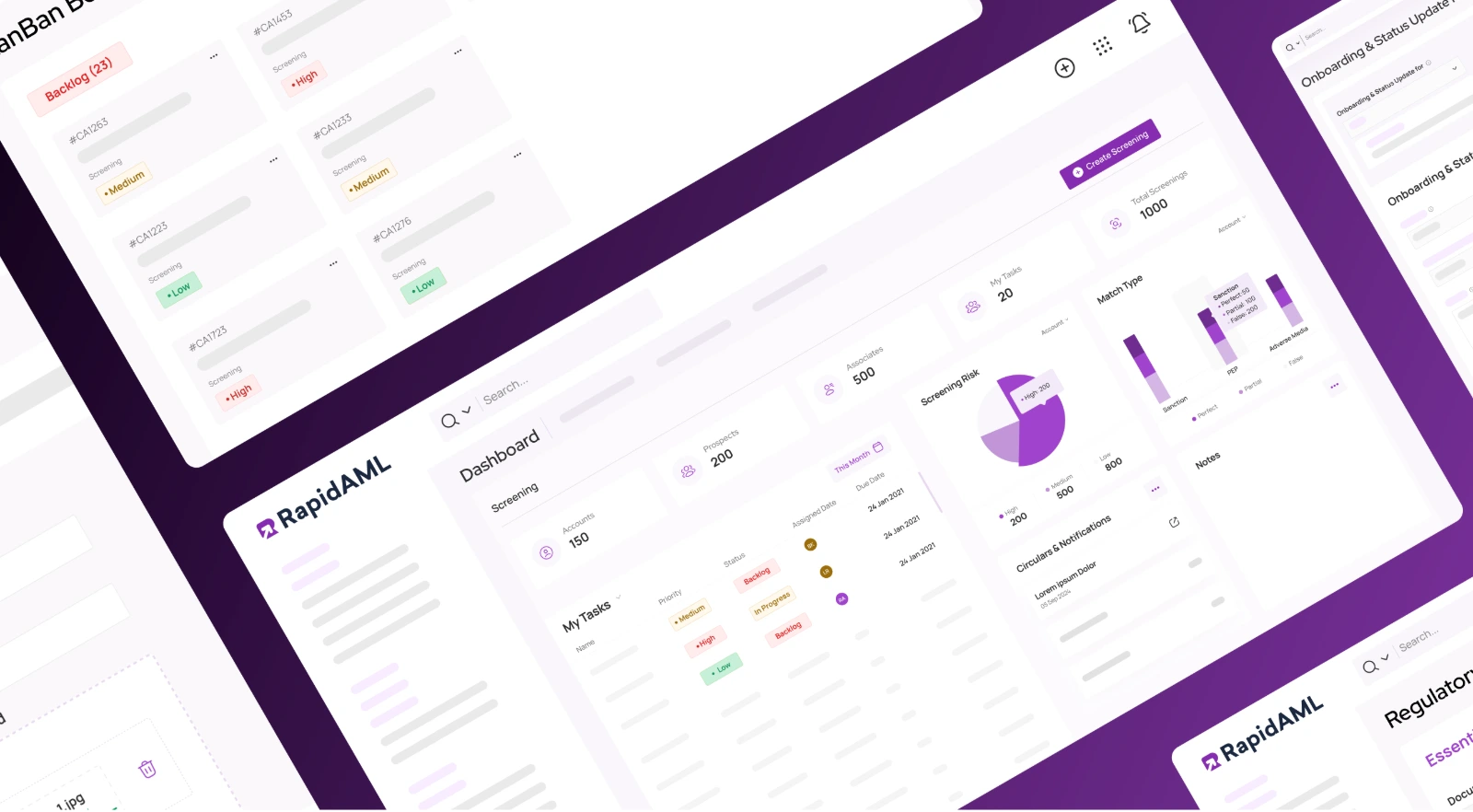
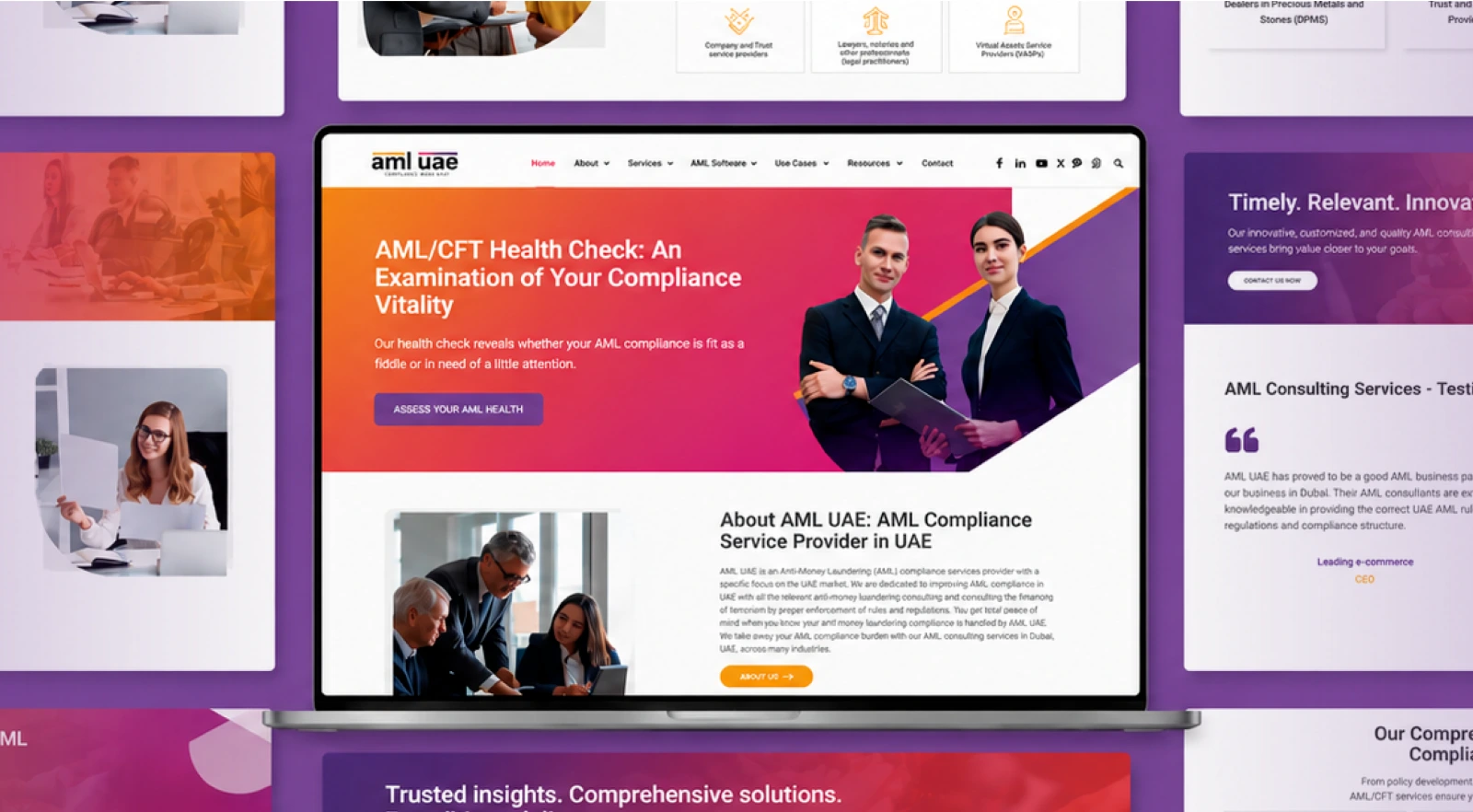
Experience Design Services (Digital Product Design)

Create Clarity Across the Product Experience

We combine research, product thinking and interface design to make digital products easier to understand, easier to use and easier to improve over time.

Discuss your product experience
From user evidence to a journey people can followResearch, behaviour and stakeholder context feed one designed journey, which becomes both the product interface and an interactive prototype, tested with users underneath.RESEARCHBEHAVIOURSTAKEHOLDERSJOURNEY & FLOWSINTERFACEPROTOTYPETESTED WITH USERS
Evidence · Journey · Interface

Start with the friction

What Is Getting in the User’s Way?

Most experience problems show up as friction long before anyone knows which design service is needed. Start with what users are struggling with, and we’ll work out what needs attention first.

Pick what is getting in the user’s way

You picked

People Don’t Understand What to Do

Confusing journeys, unclear actions or weak information hierarchy make even simple tasks harder than they should be.

What we could design
What you could create
  • A screen where the next action is the most obvious thing on it
  • An information hierarchy built around the task, not around the data model
  • Labels and states that say what happened, in the user’s words
What it works with
  • The three tasks users are here to complete
  • The current screens, however unfinished
  • Whatever support tickets or complaints already point at them
You picked

People Drop Off or Avoid Key Flows

Users abandon tasks, ignore features or take unexpected paths through the product.

What we could design
What you could create
  • A map of where people leave, ranked by how much it costs
  • The reason behind each drop-off, from watching people rather than guessing
  • A shortlist of changes with the largest one named first
What it works with
  • Whatever analytics or session data already exists
  • Access to six to eight real users of the flow
  • The step the business most needs completed
Best fitUX Research
You picked

The Product Has Become Inconsistent

Different screens, patterns and behaviours have accumulated as the product has grown.

What we could design
What you could create
  • An inventory of what the product actually has, before deciding what it should have
  • One set of patterns the screens agree on, and a route from here to there
  • Components engineering can build once and reuse
What it works with
  • Access to the product, including the older corners of it
  • The existing component library or style sheet, whatever state it is in
  • Someone who can say which screens matter most
You picked

We’re Not Sure What to Create Next

There are ideas and requests, but not enough clarity around user value, priority or what should actually move forward.

What we could design
What you could create
  • The problem stated in a form that can be agreed or disagreed with
  • A prioritized set of opportunities, with the reasoning attached
  • An MVP defined by what it has to prove, not by what fits the quarter
What it works with
  • The backlog or request list as it stands
  • The people whose problem this is, for a workshop
  • One business outcome the work is meant to move
You picked

The Product Works, but Feels Hard to Use

The functionality exists, yet navigation, workflows or interface decisions create unnecessary effort.

What we could design
What you could create
  • The steps removed from the workflows people repeat all day
  • Navigation that matches how the work is organized, not how the software is
  • A before-and-after somebody can actually feel
What it works with
  • A walkthrough from someone who uses it daily
  • The workflows with the highest volume
  • What cannot change, and why
You picked

We Need Evidence Before Making a Big Change

Validate assumptions through research, usability testing and early concepts before committing further investment.

What we could design
What you could create
  • The assumption written down as something a test can fail
  • A prototype real enough for people to try and cheap enough to throw away
  • A finding that either supports the investment or saves it
What it works with
  • The decision that is waiting on this
  • The users or stakeholders whose view would change it
  • The date the decision has to be made

Find where the experience is breaking down

Experience design capabilities

Experience Design Capabilities

A better experience usually starts before the first screen is designed. We look at how people use the product, where they get stuck and what needs to change.

UI/UX Design

Make interfaces easier to follow, so users know where they are, what to do next and how to complete important tasks.

User Flows & Information ArchitectureWireframing & Interactive PrototypesWeb & Mobile App DesignDashboard & Product Interface DesignDesign SystemsAccessibility & Usability Improvements

UX Research

Understand how people actually use the product, what gets in their way and which problems are worth solving first.

User & Stakeholder InterviewsUser Behaviour AnalysisCustomer Journey MappingUsability TestingHeuristic EvaluationResearch Synthesis

Product Strategy & Discovery

Work out what is worth creating before too much time and development effort is committed.

Product Discovery WorkshopsProblem & Opportunity DefinitionMarket & Competitor AnalysisFeature PrioritizationMVP DefinitionProduct Roadmapping

UX Audit & Modernization

Improve an existing product when navigation, interfaces or interaction patterns no longer work as well as they should.

UX & UI AuditsLegacy Interface ModernizationNavigation & Information Architecture ImprovementsResponsive Experience ModernizationDesign System Cleanup & EvolutionConversion & Usability Optimization

Design across industries

Where Can Better Design Change How People Work?

The design challenge changes with the product, the user and the context. We adapt the experience around how people actually work, what they need to understand and what they need to get done.

01 / 09Lending & onboarding flows · Payment experiences

FinTech

Make complex financial journeys easier to understand and complete.

Lending & onboarding flowsPayment experiencesFinancial dashboardsCustomer self-service
Explore FinTech

Our work

Experience Design in practice.

Engagements where this is what we actually built. 2 of them are written up in full.

Technology

Tools That Support the Design Process

Tools are there to support the work. We use them to research, collaborate, prototype, test ideas and keep design and engineering aligned.

Design & Prototyping

  • Figma
  • PenPot

Collaboration & Discovery

  • FigJam
  • Miro

Research & Testing

  • Maze

Visual & Illustration

  • Adobe Illustrator
  • Photoshop

How we work

From Discovery to a Better Experience

We first understand the problem, then explore and test the experience before refining the final direction.

01

Discover How the Product Is Used

Learn how people use the product today, where they struggle and what the product needs to achieve.

Focus
ResearchContextUsersOpportunities
02

Define the Right Problem

Bring the findings together, frame the right problem and decide which journeys, features or interactions matter most.

Focus
InsightsPrioritiesJourneysDirection
03

Design the Experience

Work through the structure, flows and interaction ideas, then take the strongest direction into prototypes and interface design.

Focus
StructureFlowsPrototypesUI
04

Validate & Refine

Test the experience with users, gather feedback and improve the design before and after implementation.

Focus
TestingFeedbackAccessibilityIteration
Discover01 Discover How the Product Is UsedDefine02 Define the Right ProblemDesign03 Design the ExperienceValidate04 Validate & Refine

Why DigiWagon

Why DigiWagon for Experience Design?

Before changing the interface, we first understand the product, the people using it and where the experience is falling short.

Research Before Assumptions

We use user insight, stakeholder context and product evidence to understand the problem before jumping into screens.

Design With the Product in Mind

Design decisions are made with the wider product and engineering constraints in mind, not in isolation.

Clarity Across Complex Journeys

We simplify information, flows and interactions without losing the depth the product needs.

Designed to Evolve

We create reusable patterns that help the experience stay consistent as new features, screens and use cases are added.

Insights

Thinking Behind Better Experiences.

Practical perspectives on research, interface decisions and design systems that keep working as a product grows.

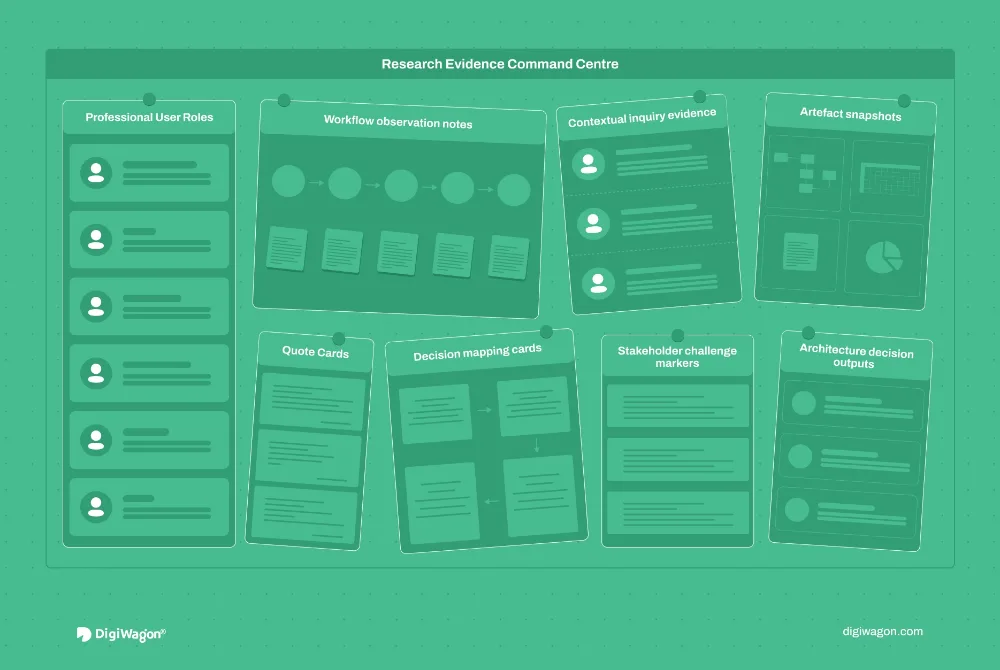
Cover image showing B2B UX research methodology with professional user recruiting, contextual inquiry, workflow evidence, research synthesis, evidence traceability, and product decision mapping.
Experience Design

B2B UX Research: A Field-Tested Methodology

· Pavan Chavda · 9 min read

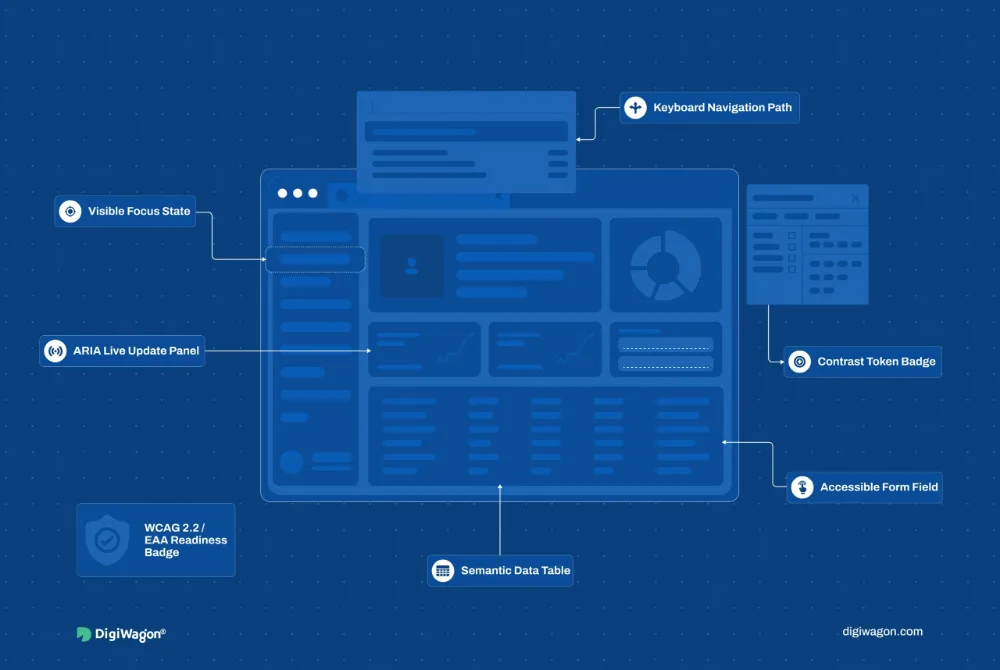
Cover image showing accessibility-first UX built into design system primitives, focus management, ARIA live regions, keyboard flows, semantic dashboards, WCAG 2.2, and EAA readiness.
Experience Design

Accessibility-First UX: A Field-Tested Playbook

· Pavan Chavda · 9 min read

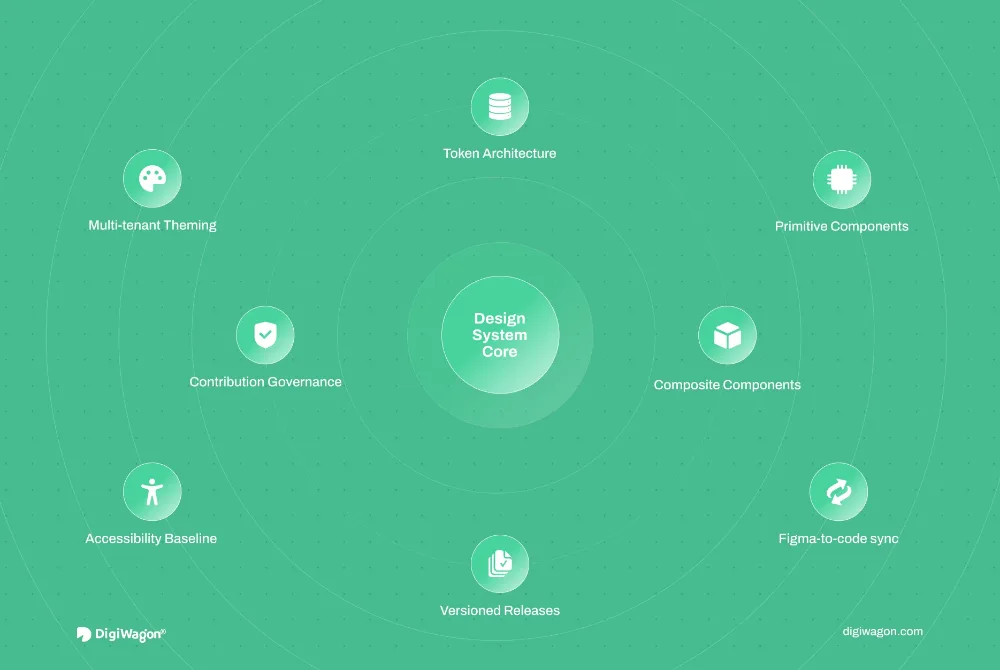
Cover image showing production-grade design systems as infrastructure with token architecture, primitive and composite components, Figma-to-code sync, accessibility, releases, and governance.
Experience Design

Production-Grade Design Systems: An Architecture Guide for Enterprise SaaS

· Pavan Chavda · 7 min read

All Experience Design writing

FAQ

Frequently Asked Questions About Experience Design

Clear answers about research, interface design, product discovery and modernizing an experience that has drifted.

01What is experience design?

Experience design looks at how people interact with a digital product across the full journey. It brings together research, product thinking, information architecture, interaction design and interface design to make the experience clearer, easier to use and better aligned with what users are trying to achieve.

02How is experience design different from UI/UX design?

UI/UX design focuses more directly on interfaces, interactions, user flows and usability. Experience design is broader. It can also include user research, product discovery, journey definition and the modernization of an existing product, so decisions are made in the wider context of the product rather than screen by screen.

03What does digital product design include?

Digital product design can include research, user journeys, information architecture, wireframes, prototypes, interaction design, interface design, design systems and usability validation. The exact mix depends on whether the product is new, being improved, or needs deeper changes to how the experience works.

04When should a product go through UX research?

UX research is useful when teams are unsure why users are struggling, where drop-offs happen, which features matter, or what should be prioritised next. It is especially valuable before a major redesign, new product initiative or significant investment in a feature whose user value has not yet been validated.

05When does an existing product need experience modernization?

Modernization becomes useful when a product still performs its core function but has accumulated usability issues, inconsistent interaction patterns, outdated interfaces or navigation problems. The aim is not always a complete redesign. Often, the better approach is to improve the parts of the experience that are creating the most friction.

06How does DigiWagon connect design with engineering?

DigiWagon considers technical feasibility throughout the design process rather than treating engineering as a handoff at the end. Designers and engineers can align on flows, responsive behaviour, accessibility, component patterns and implementation constraints early, which helps the final experience stay closer to the intent behind the design.

Have an Experience That Needs a Fresh Look?

Whether users are getting stuck, the product has become inconsistent or the next direction is unclear, we can help work out what needs attention first.

Ask an AI about this page

Before you choose a partner, ask your own AI

One click opens the assistant you already use with a question that points it at this page, so the answer comes from what we publish, not a guess.

The question it opens withRead https://digiwagon.com/experience-design-services and explain how DigiWagon runs a Experience Design Services (Digital Product Design) engagement, what I should expect in the first 90 days, and how to judge whether a partner like this fits a team of our size. Stick to what the page says and mark anything you are not sure about.