Insights

Blogs

Field notes from the work — architecture, data platforms, AI systems and product design, written by the engineers and designers who ship them.
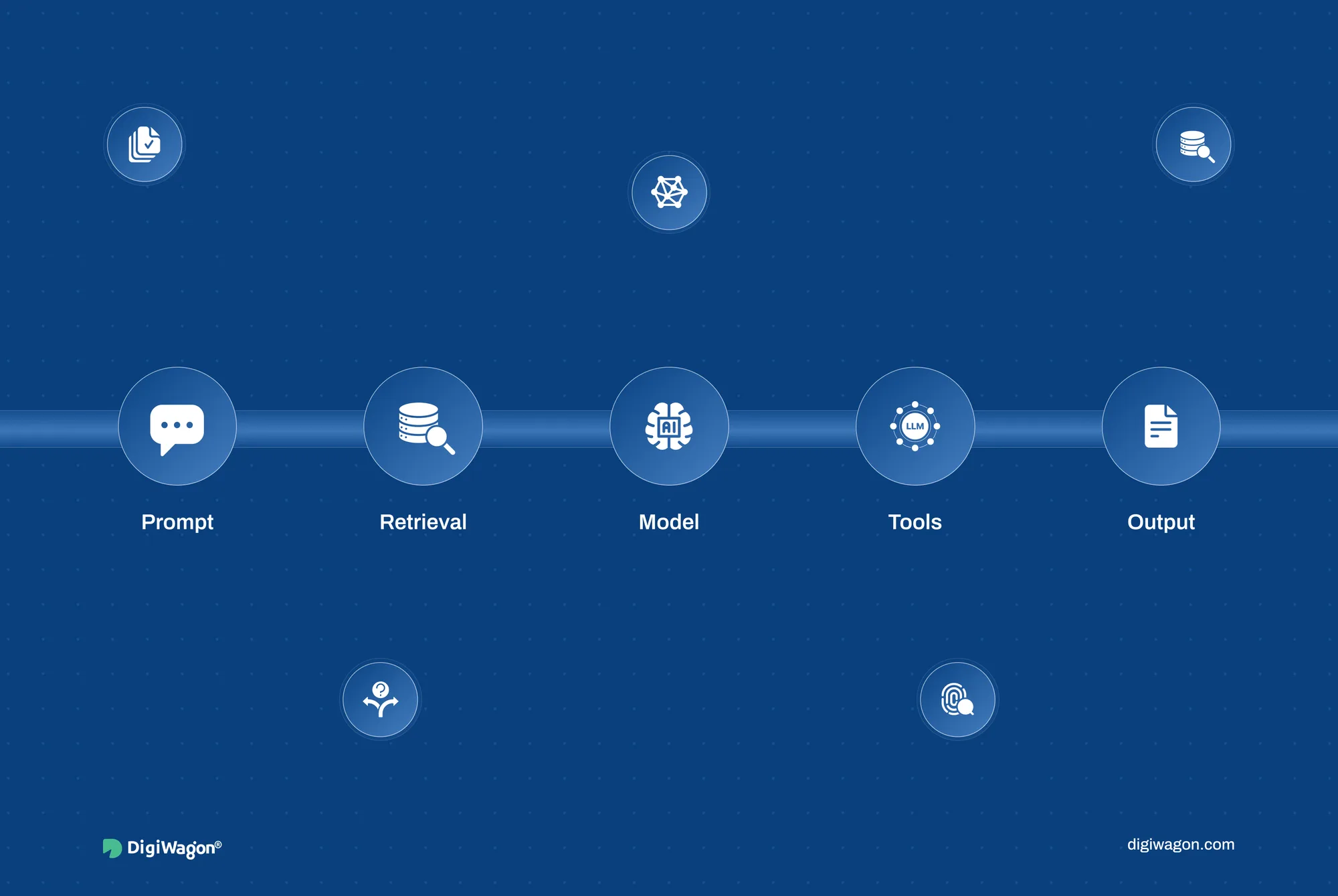
LLM observability architecture: a decision-level trace linking prompt, retrieval, model, tool call and output spans.

Latest

LLM Observability: Architecture for Systems You Can Debug

LLM observability starts at the decision, not the request: what a span must hold, why content capture is opt-in, and how sampling fits a latency budget.

AI & Machine Learning · · Jigar Vavadia · 7 min read

All blogs

Everything we have written.

89 posts · page 1 of 5
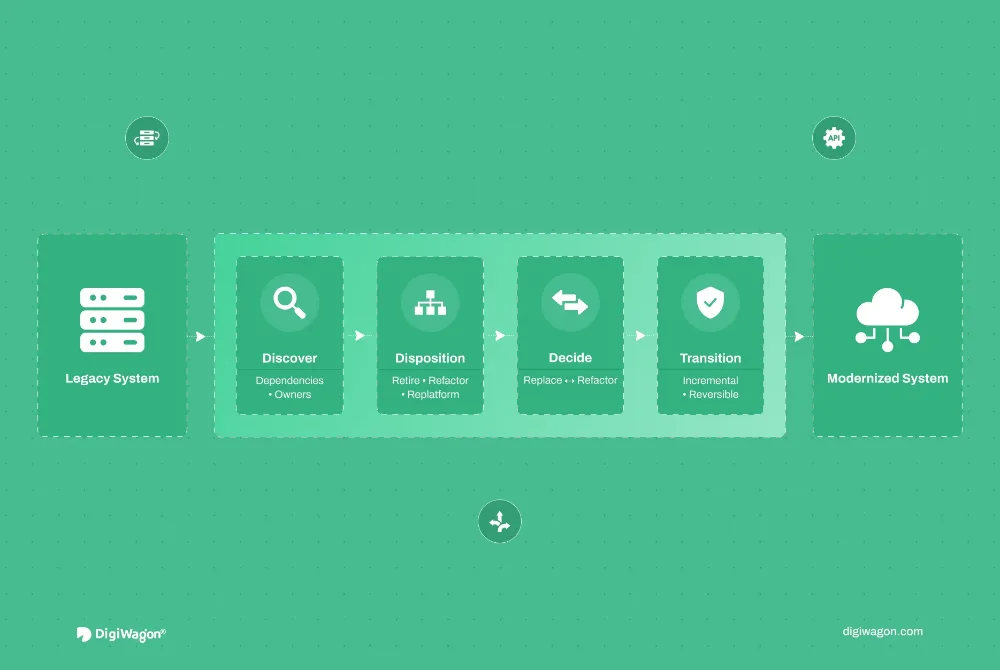
Legacy system modernization blueprint: discover, disposition, replace or refactor, and incremental transition.
Software Engineering

Legacy System Modernization: The Decision Blueprint

· Rushabh Modi · 10 min read

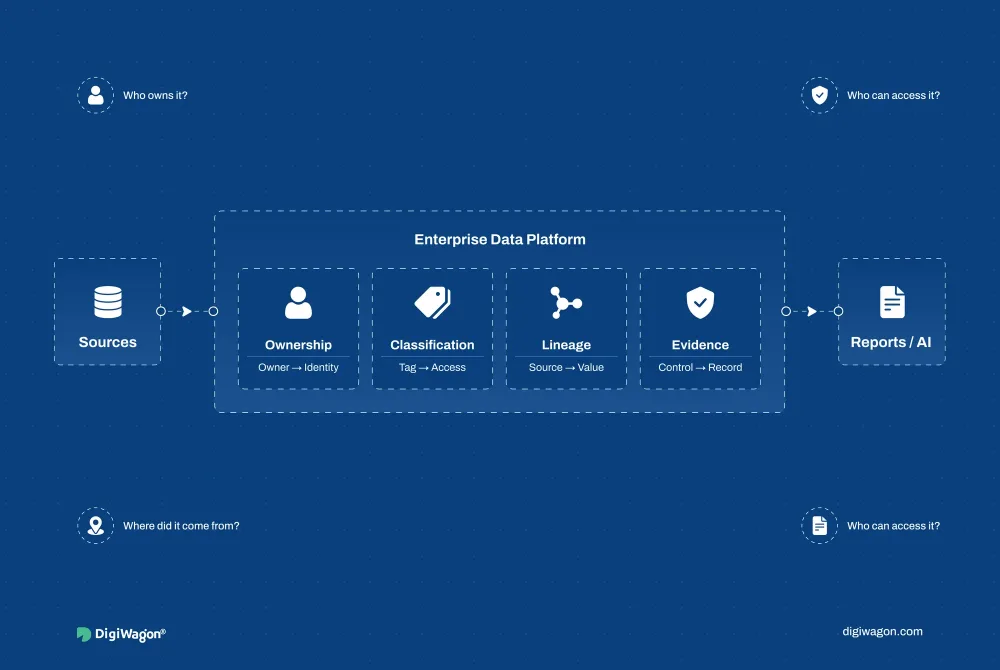
Data governance architecture: ownership, classification, lineage and control evidence built into the data platform.
Data & Analytics

Data Governance Strategy: A Blueprint That Survives Audit
· Akash Thakor · 7 min read

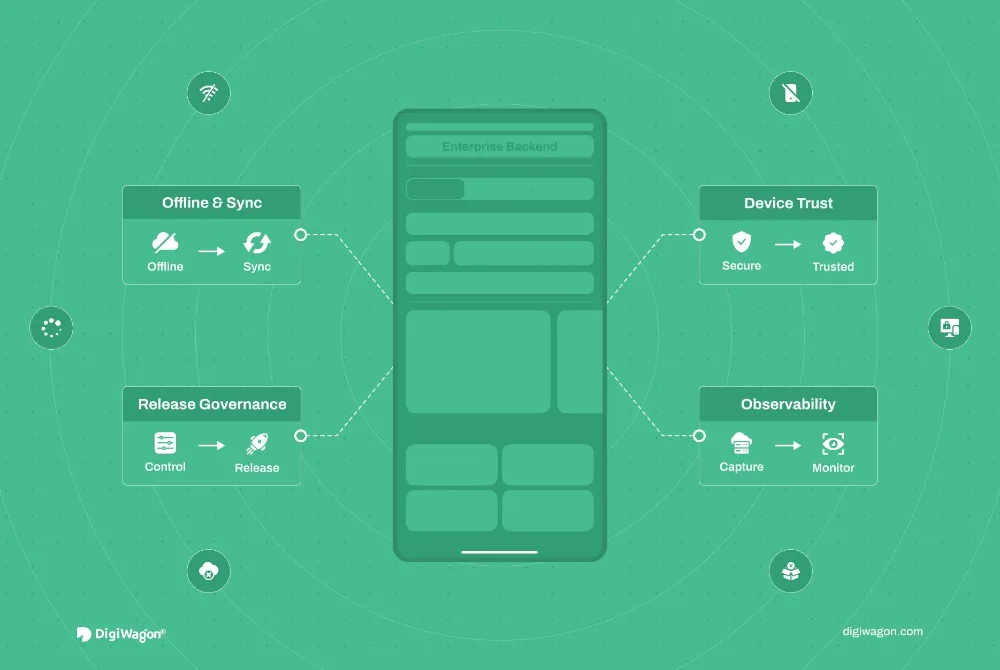
Enterprise mobile app architecture: four boundaries for offline sync, device trust, release governance and observability.
Software Engineering

Enterprise Mobile App Development: The 4-Boundary Playbook
· Rushabh Modi · 10 min read

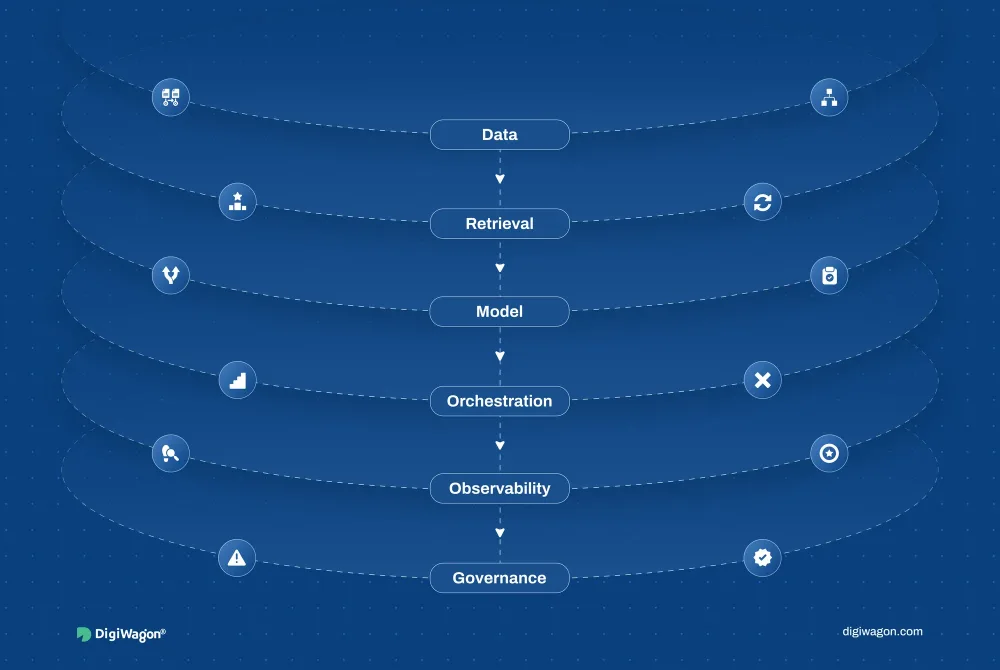
Enterprise AI architecture blueprint: six production layers from data to governance, with a contract between each layer.
AI & Machine Learning

Enterprise AI Architecture: The Production Blueprint
· Akash Thakor · 11 min read

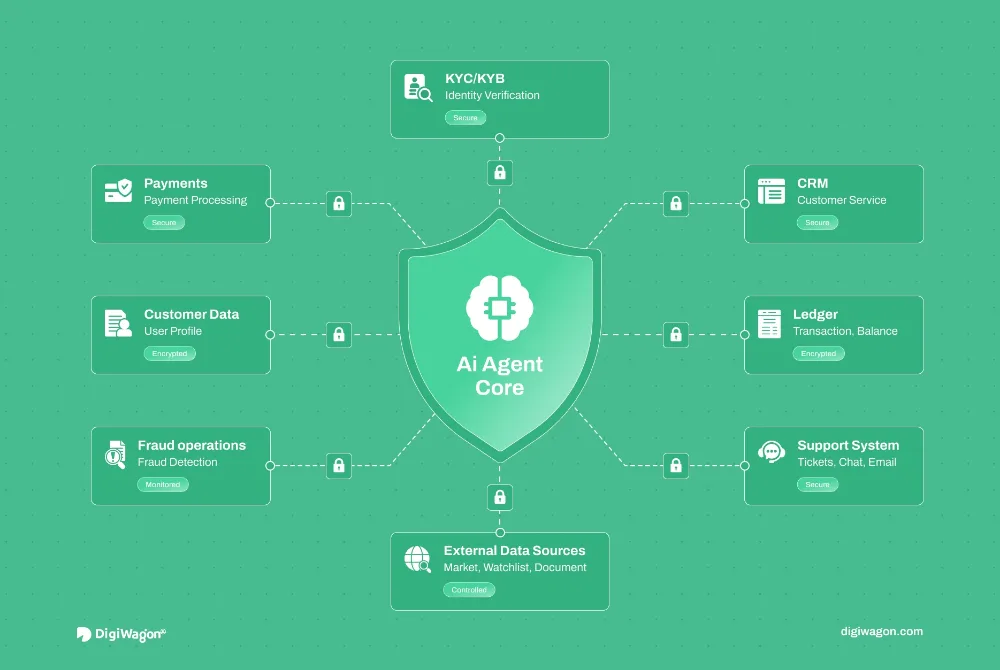
AI agent security for FinTech showing an AI agent protected by tool permissions, human approvals, sandboxing, monitoring, data boundaries, and audit controls.
AI & Machine Learning

AI Agent Security Guide for FinTech

· Jigar Vavadia · 6 min read

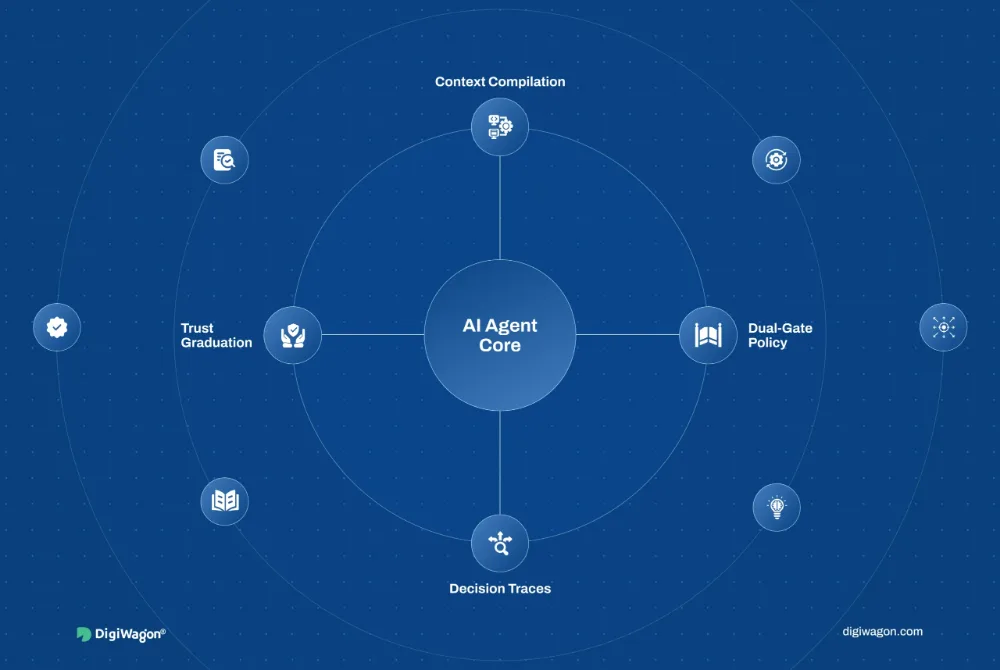
Feature image showing governed enterprise AI agents inside a decision-harness architecture with context compilation, dual-gate policy enforcement, decision traces, trust graduation, and audit-ready controls.
AI & Machine Learning

Governed Enterprise AI Agents: A Decision-Harness Architecture
· Kartik Gajjar · 10 min read

Cover image showing B2B UX research methodology with professional user recruiting, contextual inquiry, workflow evidence, research synthesis, evidence traceability, and product decision mapping.
Experience Design

B2B UX Research: A Field-Tested Methodology
· Pavan Chavda · 9 min read

Cover image showing accessibility-first UX built into design system primitives, focus management, ARIA live regions, keyboard flows, semantic dashboards, WCAG 2.2, and EAA readiness.
Experience Design

Accessibility-First UX: A Field-Tested Playbook
· Pavan Chavda · 9 min read

Cover image showing production-grade design systems as infrastructure with token architecture, primitive and composite components, Figma-to-code sync, accessibility, releases, and governance.
Experience Design

Production-Grade Design Systems: An Architecture Guide for Enterprise SaaS
· Pavan Chavda · 7 min read

Cover image showing a compliance analyst workflow decision desk with alert review, reason codes, matched fields, case timeline, four-eyes approval, false-positive feedback, and regulator export.
Experience Design

The Compliance Analyst Workflow Playbook
· Rutvi Kothari · 6 min read

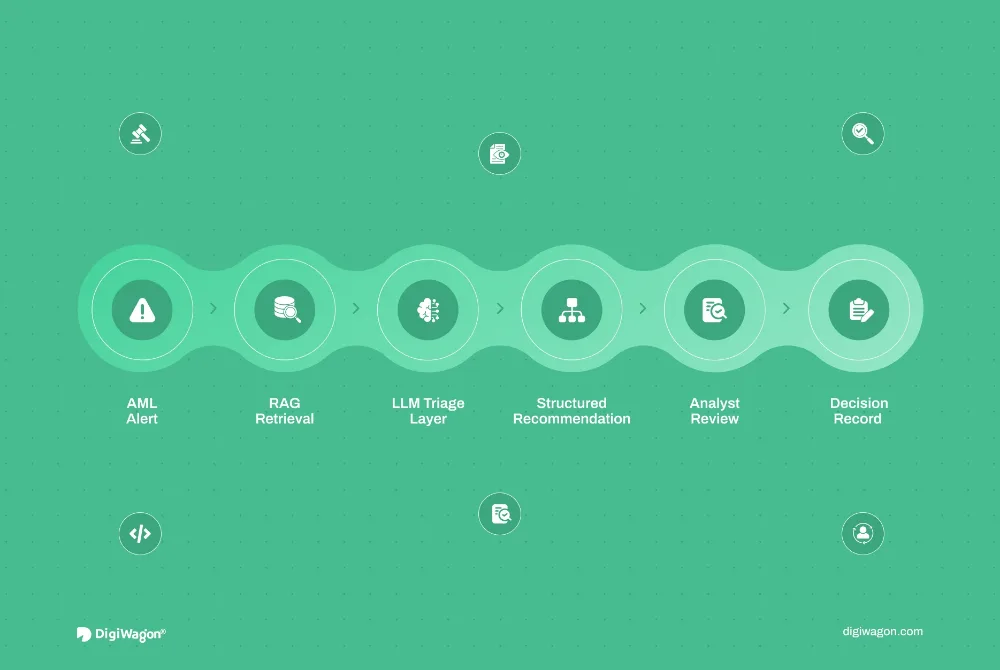
Cover image showing LLM-powered AML alert triage architecture with RAG retrieval, regulatory context, constrained output schemas, model-version binding, human review, and audit provenance.
AI & Machine Learning

LLM-Powered AML Alert Triage, Decoded
· Jigar Vavadia · 6 min read

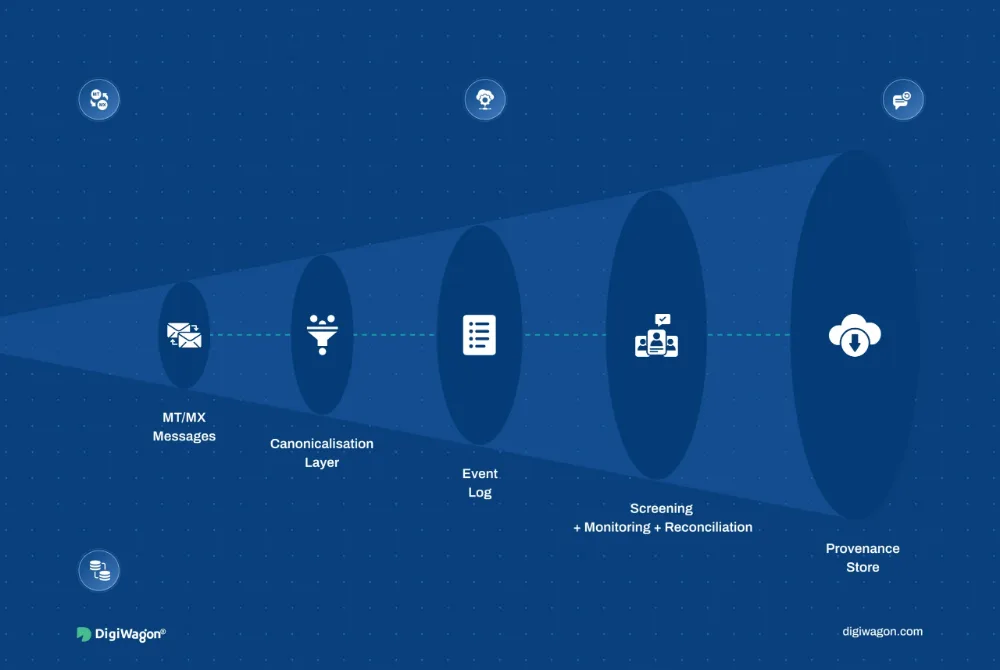
Feature image showing SWIFT orchestration architecture with MT and MX message canonicalisation, event-log routing, sub-second screening, ISO 20022 migration, and message provenance.
Data & Analytics

The SWIFT Orchestration Blueprint for Sub-Second Screening
· Rushabh Modi · 7 min read

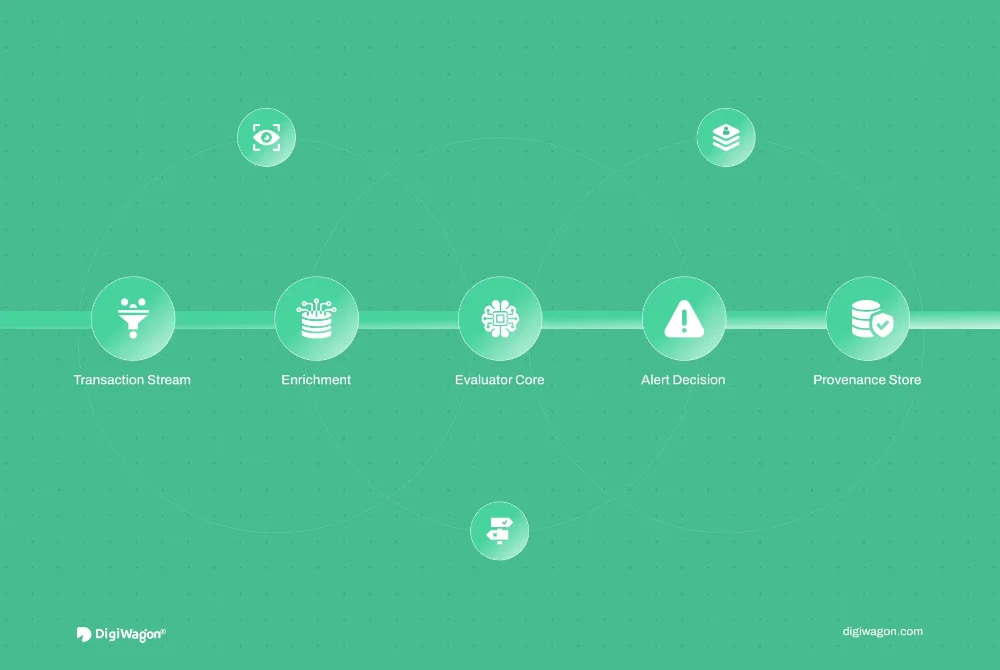
Feature image showing transaction monitoring architecture with streaming ingestion, enriched events, a stateless evaluator, rules and behavioural profiling, alert decisions, and provenance storage.
AI & Machine Learning

Inside a Real-Time Transaction Monitoring Stack
· Akash Thakor · 7 min read

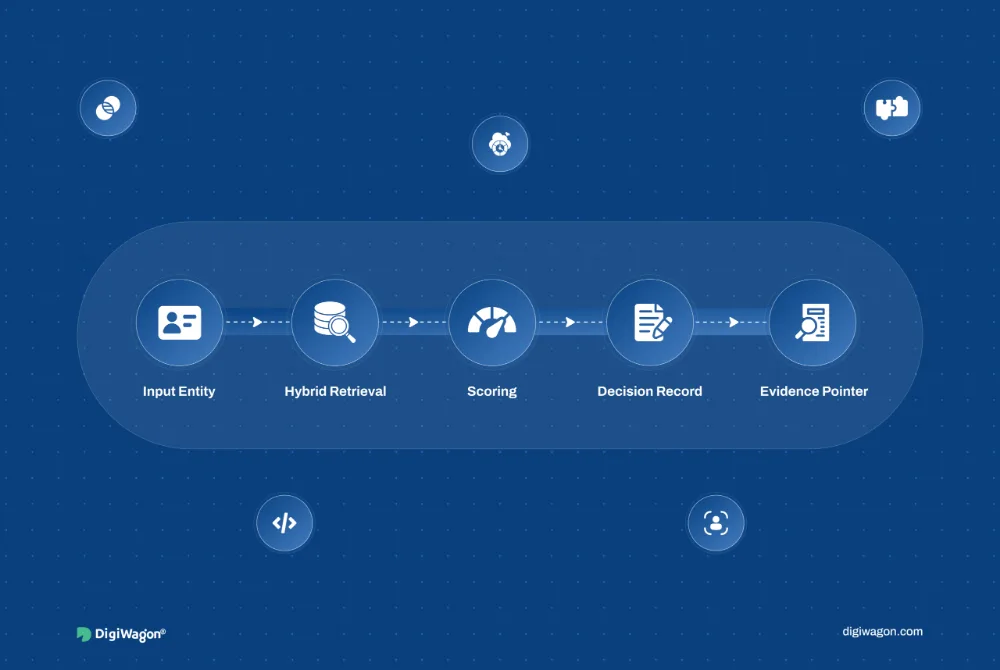
Feature image showing an AML screening engine architecture with input entities, hybrid retrieval, scoring, structured decisions, evidence pointers, and per-tenant index isolation.
AI & Machine Learning

Anatomy of an AML Screening Engine

· Akash Thakor · 6 min read

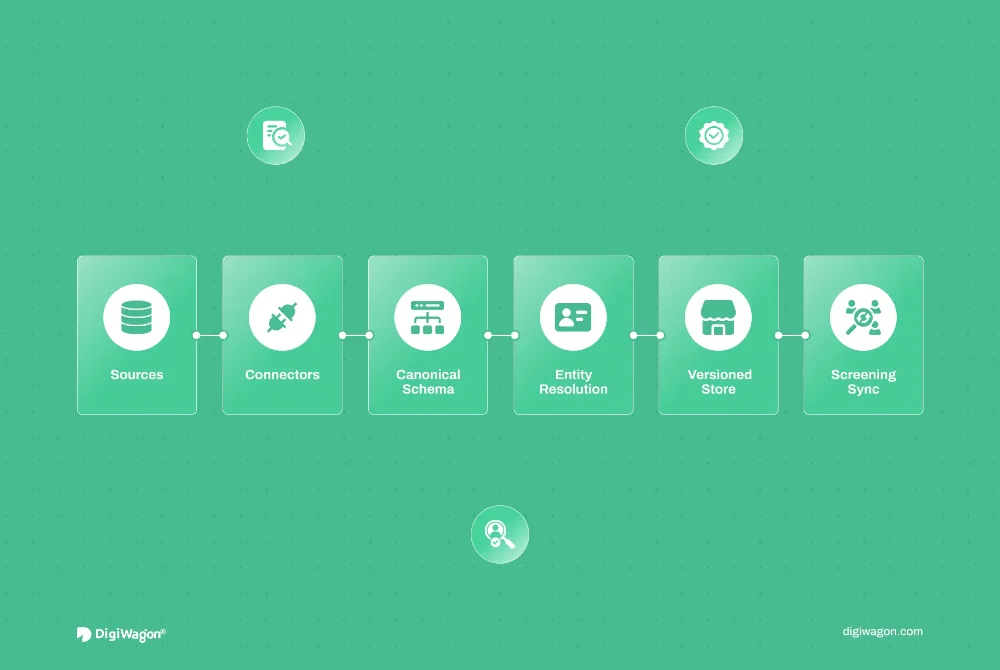
Feature image showing an AML watchlist data pipeline that ingests source feeds, normalises schemas, resolves entities, versions records, syncs updates, and preserves audit lineage.
Data & Analytics

Field-Tested Architecture for AML Watchlist Data Pipelines
· Akash Thakor · 7 min read

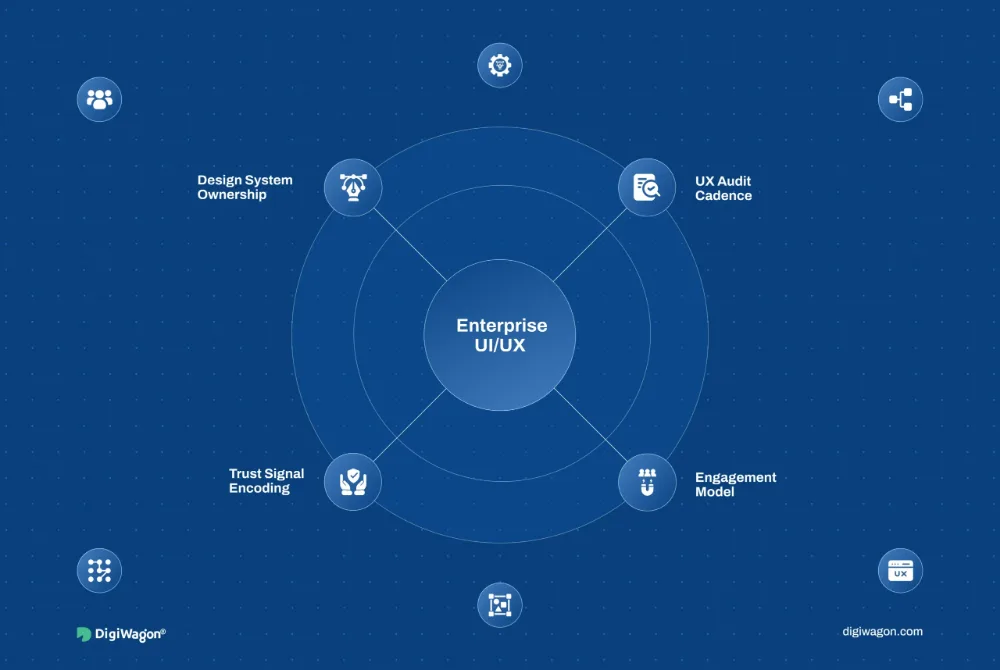
Feature image showing an enterprise UI/UX decision system with design system ownership, UX audit cadence, engagement model, and trust signal encoding.
Experience Design

Enterprise UI/UX Playbook: Decisions and Audits
· Pavan Chavda · 10 min read

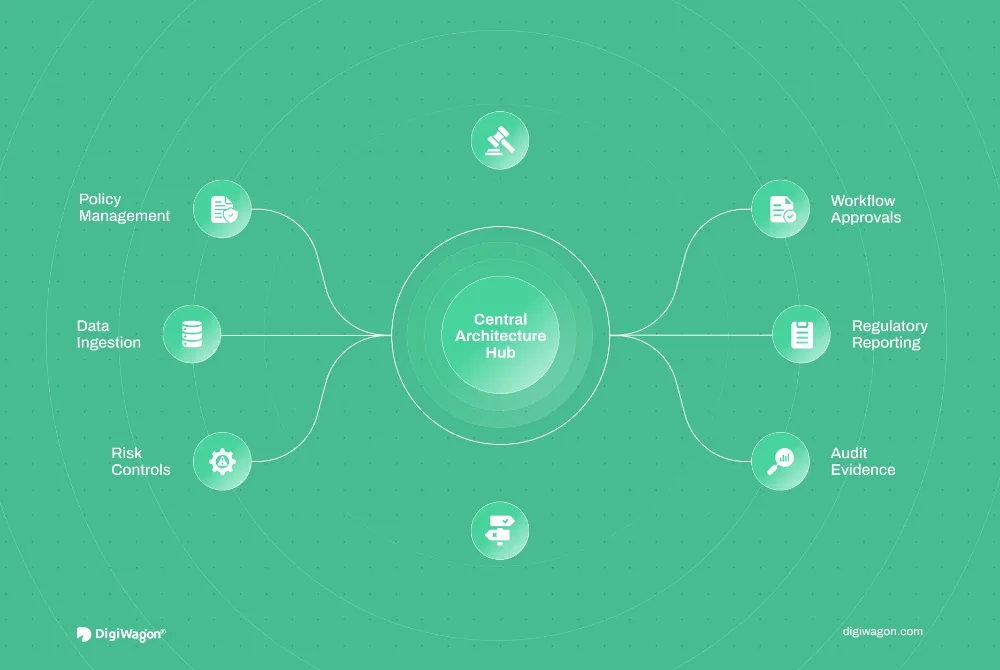
Feature image showing RegTech integration architecture as a connected compliance operating layer for policy management, risk controls, workflows, regulatory reporting, and audit evidence.
Software Engineering

The RegTech Integration Architecture Blueprint
· Kartik Gajjar · 14 min read

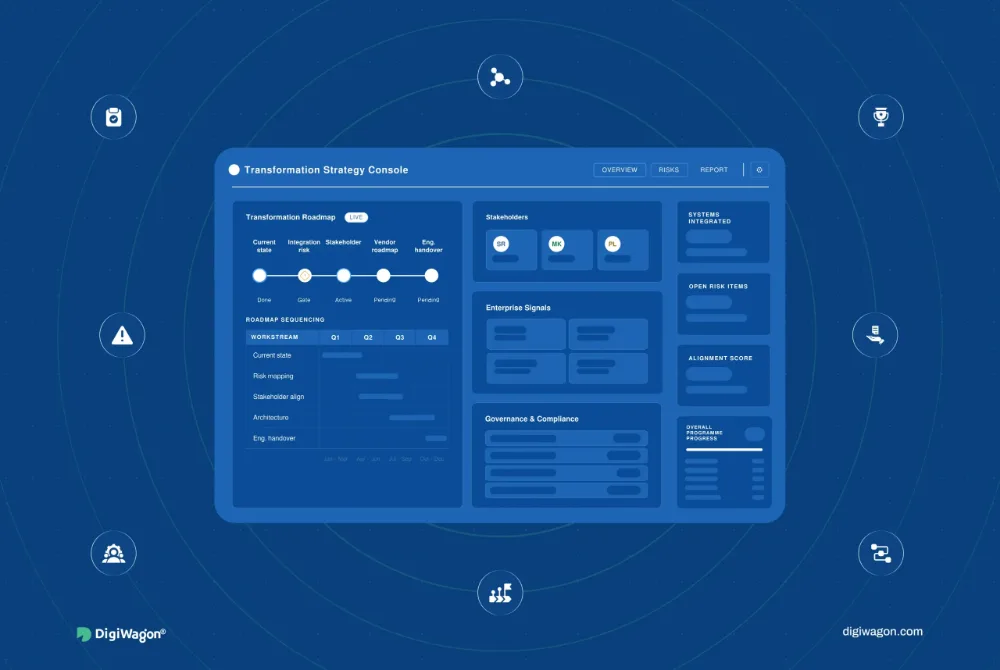
Feature image showing digital transformation strategy consulting as a roadmap control centre for mapping integration risk, stakeholder alignment, system dependencies, and engineering handover before implementation.
Software Engineering

Manufacturing Digital Transformation Roadmap: From Strategy Consulting to Rollout

· Kartik Gajjar · 6 min read

Looking for Something We Have Not Written About?

If the answer is not here, ask us directly — the same engineers who write these posts do the delivery work behind them.

Ask an AI about DigiWagon

Take a briefing to your own AI before you talk to us

One click opens the assistant you already use with a question that points it at this page, so the answer comes from what we publish, not a guess.

The question it opens withRead https://digiwagon.com/blogs and https://digiwagon.com/about-us (and https://digiwagon.com/llms.txt if it opens, as an index of the site), then explain who DigiWagon is, how the team is organised and what kind of clients and problems it works on. Stick to what those pages say and mark anything you are not sure about.