01What are software engineering services?
Software engineering services cover the planning, architecture, development, integration, modernization and ongoing improvement of software systems. They can include enterprise applications, SaaS products, web and mobile platforms, ecommerce systems and connected business applications. Some teams call the same work product engineering services. Either way, the aim is software designed, built and maintained as one working system.
02How is software engineering different from software development?
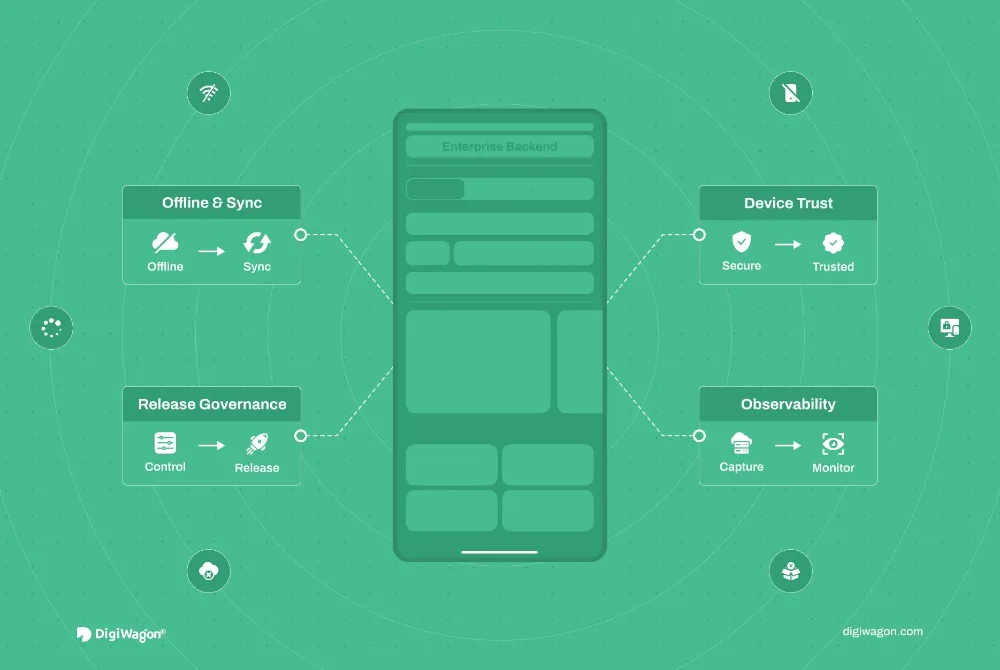
Software development focuses mainly on creating software. Software engineering takes a broader view, including architecture, scalability, reliability, security, integrations, maintainability and how the system evolves over time. In practice that means deciding how an application, its data, its integrations and its infrastructure fit together before code is written, and keeping them working together as requirements change.
03Does DigiWagon work on enterprise applications?
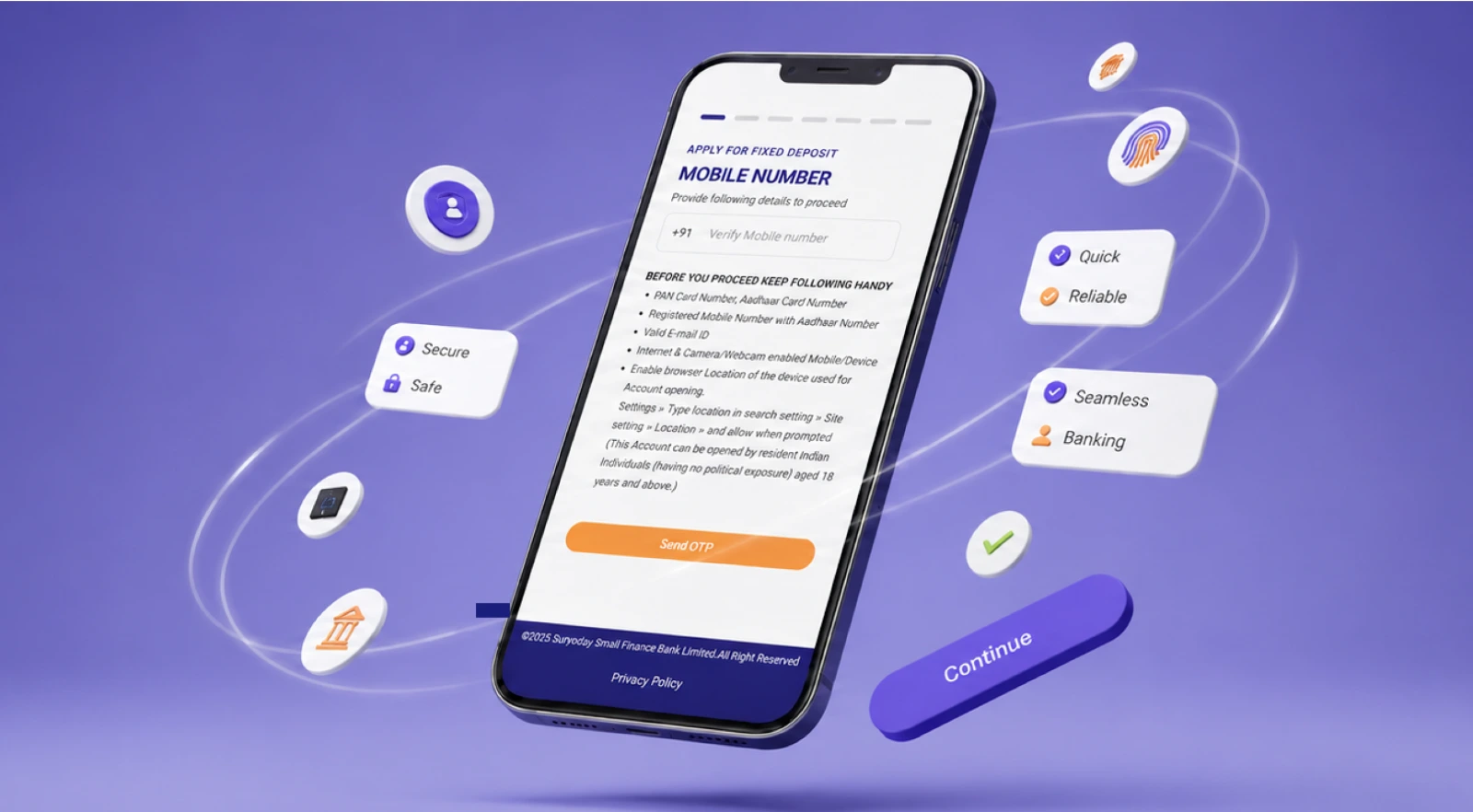
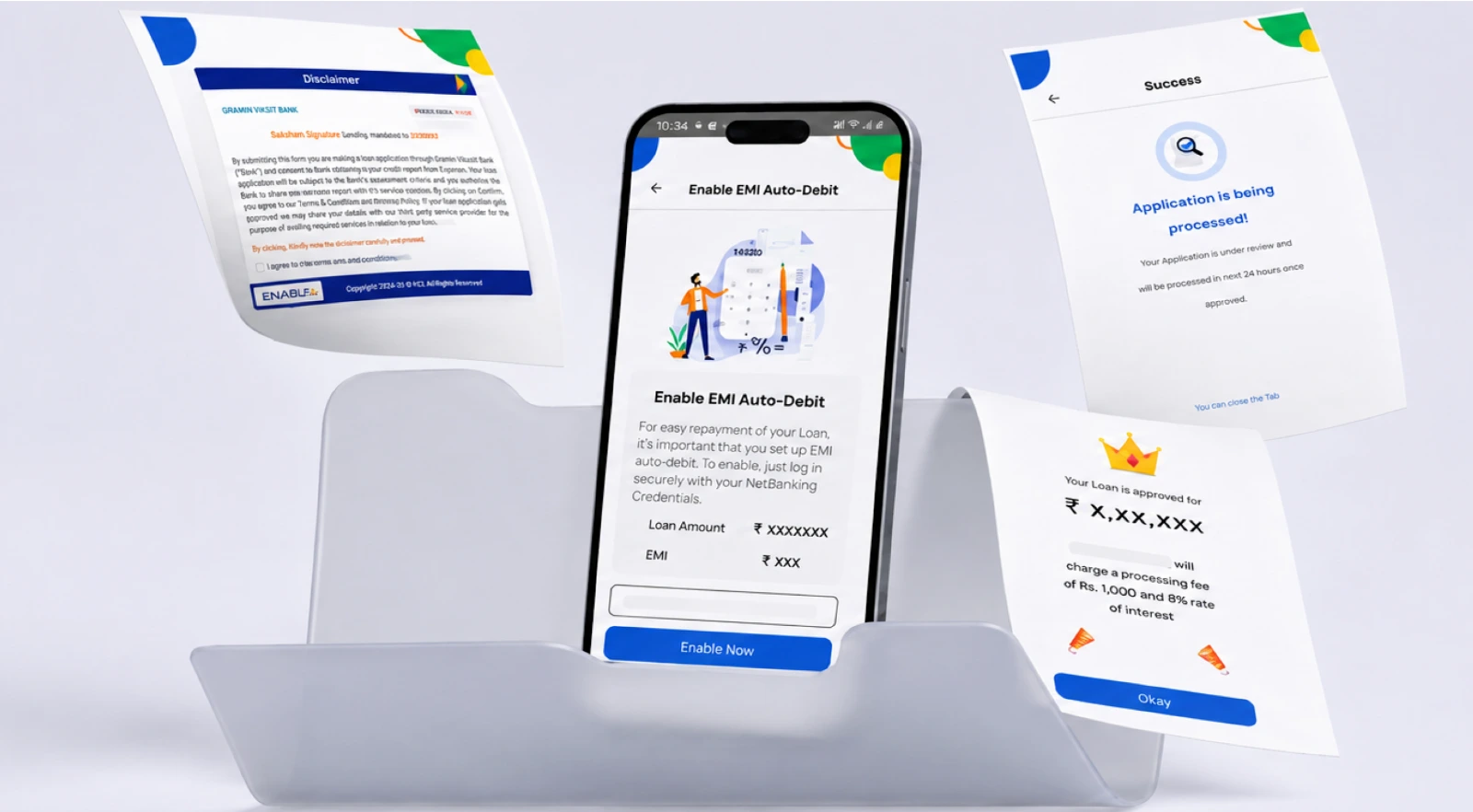
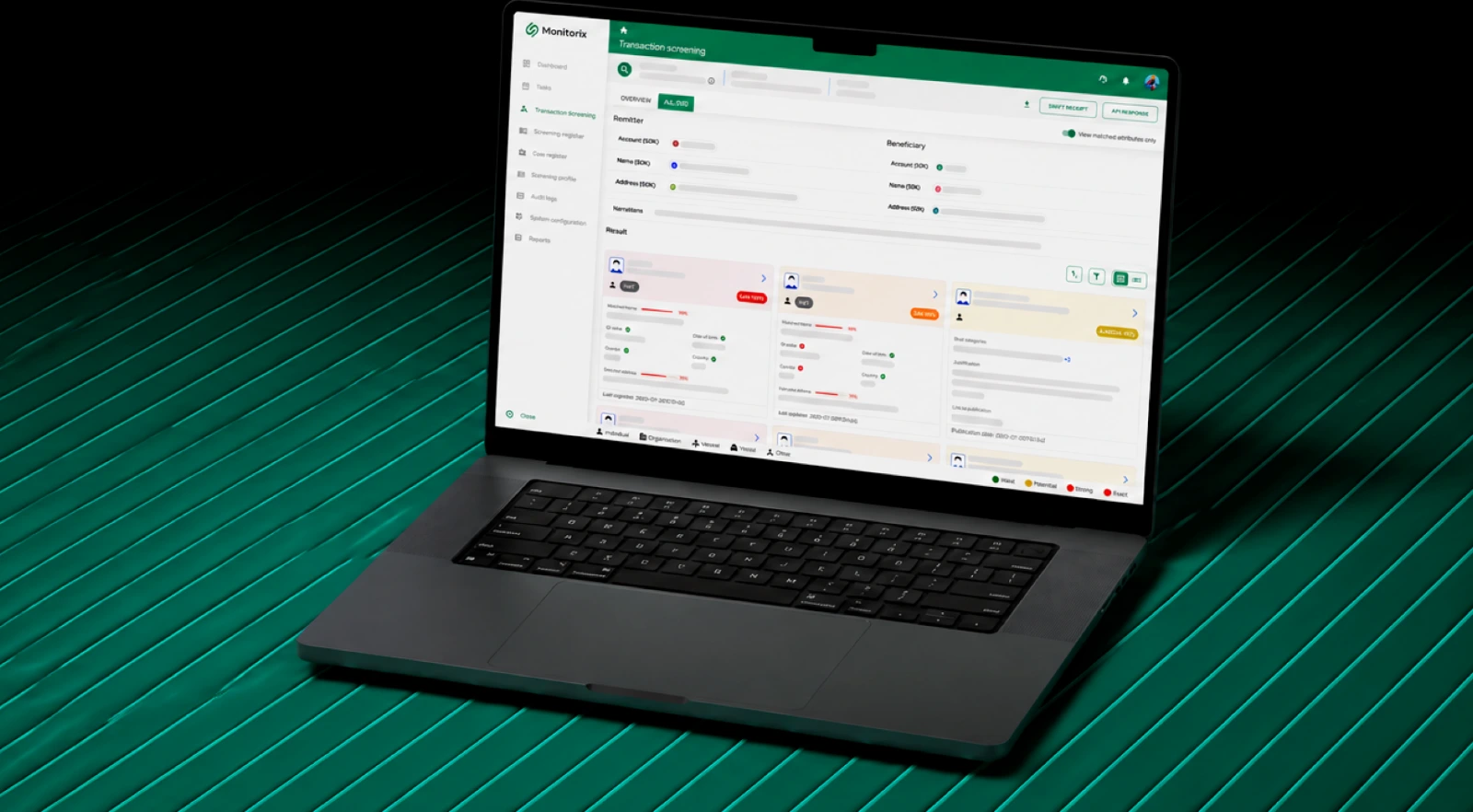
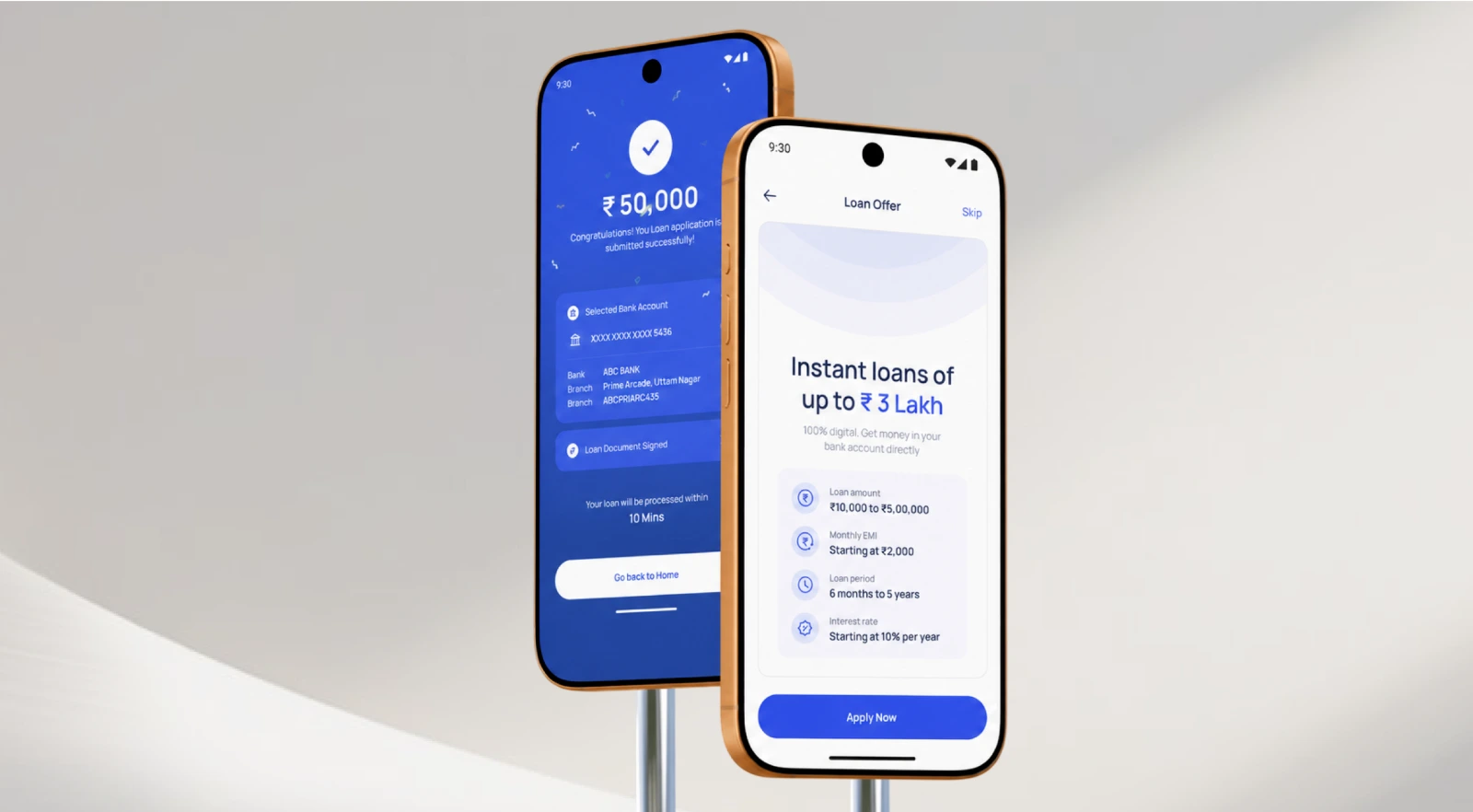
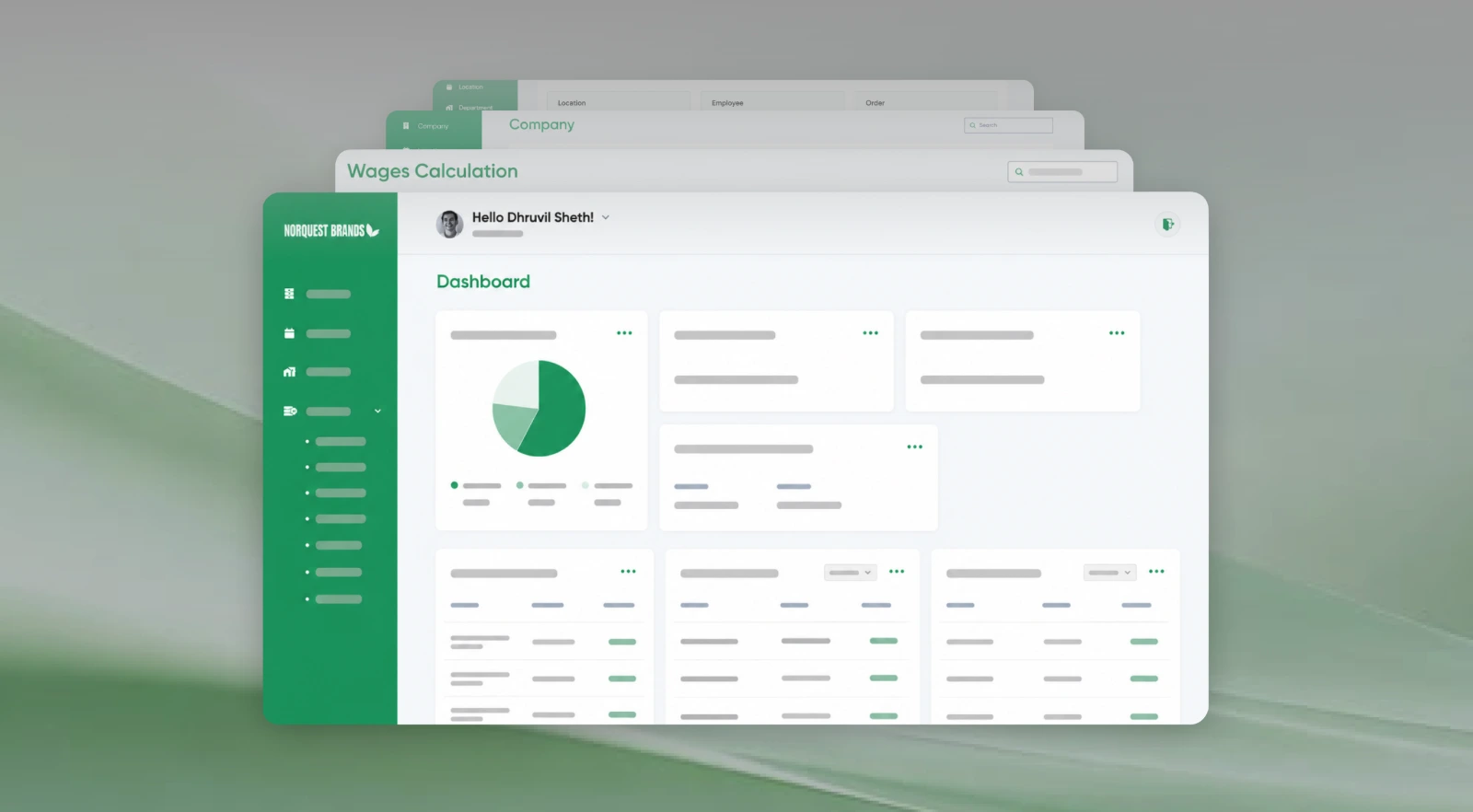
Yes. DigiWagon works on enterprise applications, internal platforms, workflow systems, customer and partner portals, and other software that supports complex business processes and operational requirements. Recent examples include digital lending and onboarding platforms for a small finance bank, a real-time payment screening system and a production and wages platform for a manufacturer.
04Can existing software be modernized without replacing everything?
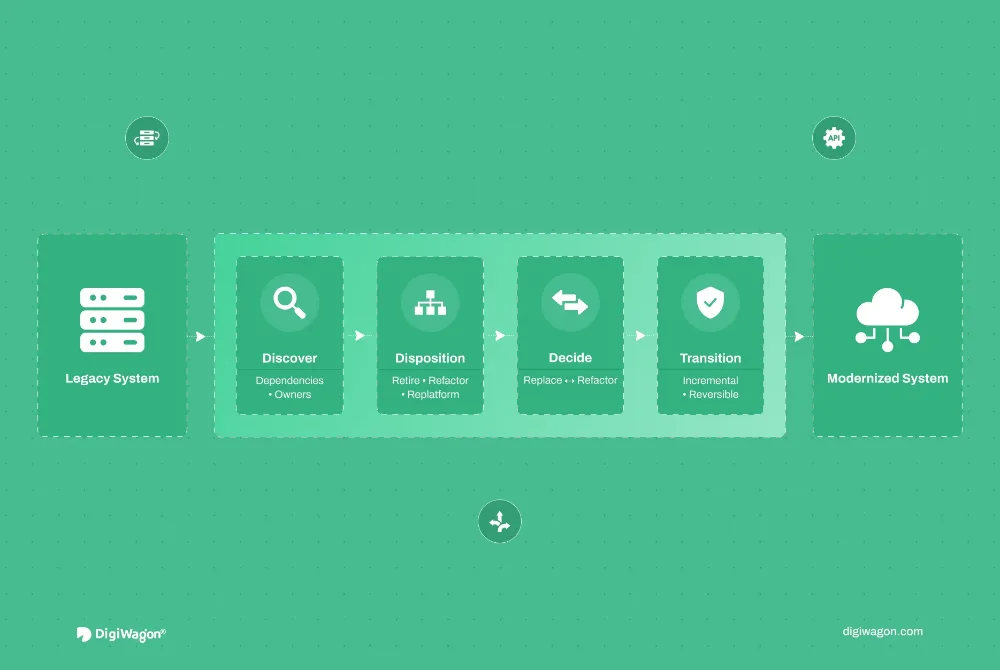
Yes. Modernization can involve targeted changes such as architecture improvements, technology upgrades, cloud adoption, API enablement, performance improvements or experience updates. The right approach depends on what is still working and what is creating limitations, so the work usually starts with an assessment of the existing application before anything is rebuilt.
05Can DigiWagon connect ERP, CRM and other business systems?
Yes. Systems Integration covers APIs, ERP and CRM platforms, SaaS applications, partner systems, payment platforms and data synchronization so information and workflows can move more reliably across the business. Integration can be API-based or event-driven, and it usually begins with a list of the systems involved, who owns each one and the handoffs people currently do by hand.
06Can AI be added to an existing software product?
Yes. AI capabilities such as assistants, intelligent search, recommendations, predictive models, document intelligence and automation can be introduced into existing applications when they provide clear practical value. The model is rarely the hard part; the work is connecting it to the product's data, permissions and workflows, and monitoring it once it is in use.
07How do you choose the right technology stack?
The technology stack should reflect the product requirements, existing systems, security needs, expected scale, integration constraints and long-term maintainability. We do not start with a preferred technology and force the product around it. The work spans React, Next.js and Angular on the front end, Java, .NET, Node.js and Python behind it, and Azure, AWS or GCP for the platform.
08When should a company consider application modernization?
Modernization usually becomes relevant when software is difficult to change, expensive to maintain, slow to release, hard to integrate or no longer meets current user and business needs. A common signal is that the same changes keep getting deferred because the codebase, the release process or the underlying technology makes them risky. The work starts from what still works.
09Can DigiWagon help with a new software idea as well as an existing system?
Yes. We work with both. Some engagements start with an idea that needs definition, while others begin with software that is already important to the business but needs improvement, modernization or better integration with the systems around it. In either case the first step is understanding the users, workflows and constraints the software has to live with.