The corner office in a US-based FinTech firm has always been about making lightning-fast decisions under immense pressure. Historically, the CEO’s chief weapon in this fight was the Business Intelligence (BI) dashboard: a neat, brightly coloured collection of charts, delivered 24 hours after the market closed. But let’s be honest, in the age of fractional-second trading, volatile markets, and intense regulatory scrutiny, is yesterday’s data good enough? For the modern FinTech CEO, the traditional BI paradigm is no longer an asset-it’s a liability.
The digital frontier of finance demands predictive intelligence, not passive reporting. This is where Generative AI (GenAI) and Large Language Models (LLMs) are stepping in, not just to automate tasks, but to fundamentally rewrite the rules of data analytics and strategic decision-making.
The Crisis of Traditional FinTech BI: Why Dashboards Aren’t Enough
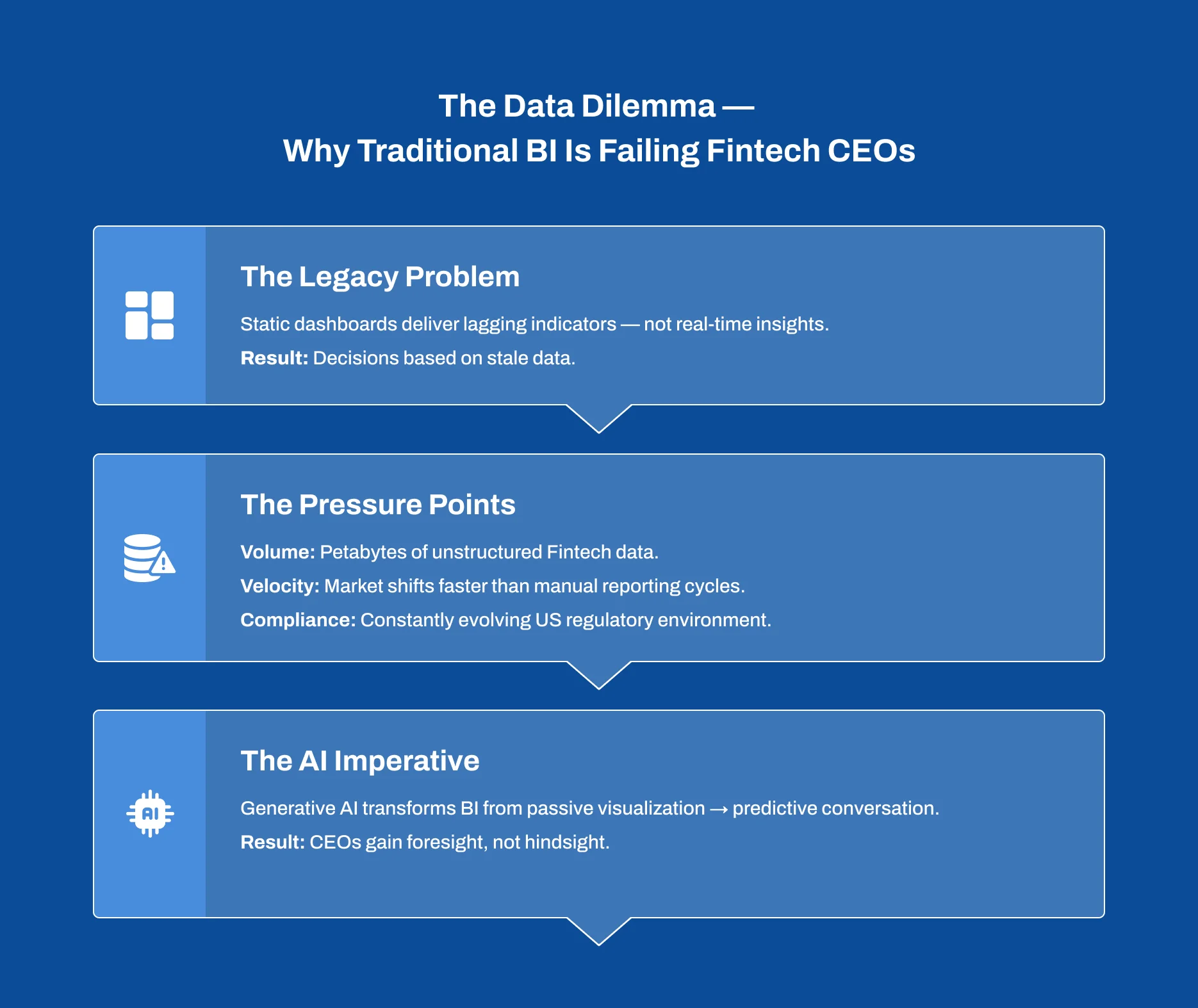
The Data Dilemma – Why Traditional BI Is Failing FinTech CEOs
Yesterday’s dashboards can’t solve tomorrow’s decisions.
The promise of the first-generation BI was a single source of truth. The reality is often a single source of stale information.
In the fast-paced financial technology landscape, especially across the diverse regulatory environments of the USA, three core pressures have broken the old BI model:
The Data Overload: Volume, Velocity, and Compliance Pressure
FinTech operations generate petabytes of high-velocity, unstructured data-customer service transcripts, social sentiment, market news, and internal audit logs. Traditional ETL pipelines struggle to unify this complex mess. Moreover, stringent US compliance laws (like GLBA) and the looming spectre of state-level AI regulations make data governance a foundational concern, not an afterthought. You can’t afford to make decisions based on partial, potentially biased, or non-compliant datasets. The market for Generative AI in FinTech, particularly in North America, is seeing explosive growth (CAGR estimated around 35%+ through 2029), underscoring the urgency to move beyond manual analysis.
Rewriting the Playbook: How Generative AI Transforms Business Intelligence
The New Business Intelligence Playbook – Powered by Generative AI
From reporting the past to predicting the future.
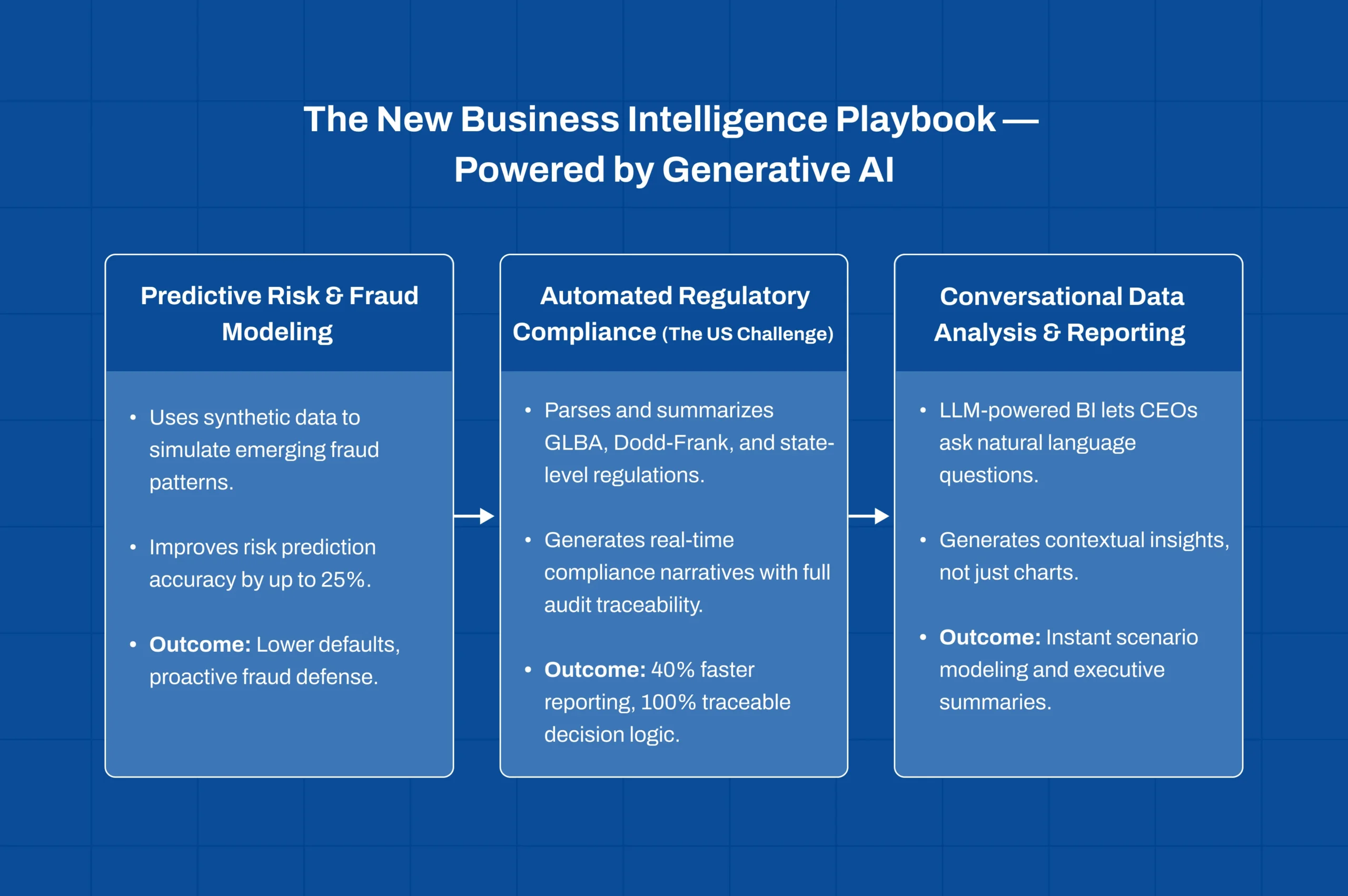
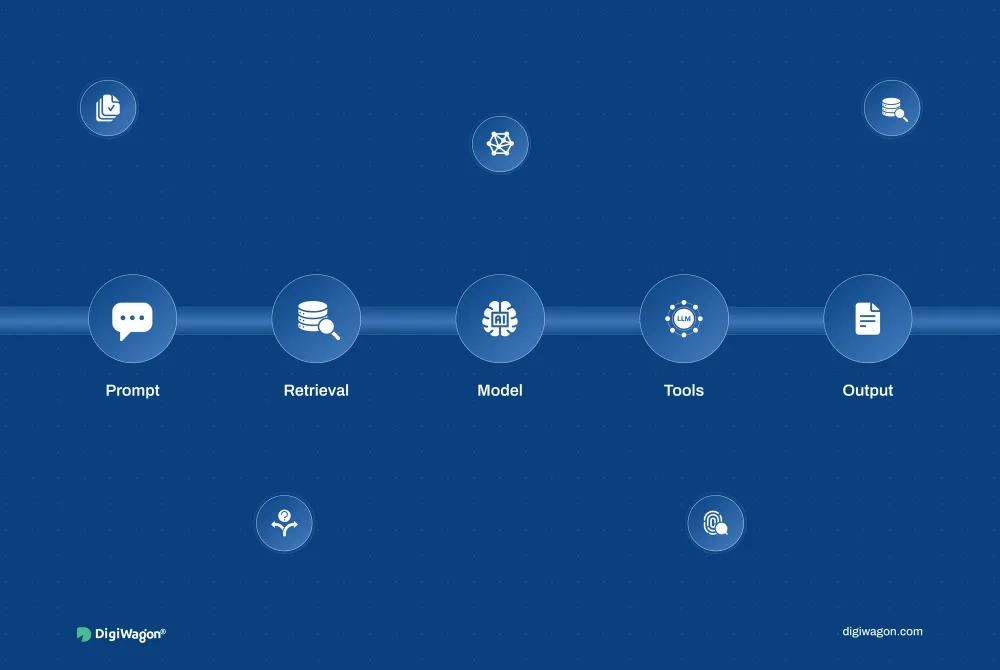
Generative AI doesn’t just read the data; it interacts with it, synthesizes it, and, most importantly, converses about it. This is the shift from passive reporting to Active, Generative Business Intelligence.
Here are three pivotal use cases where GenAI is delivering tangible, high-ROI value for FinTech leaders:
Use Case 1: Predictive Risk and Fraud Modeling
The old model of fraud detection was reactive, relying on rules and known patterns. GenAI flips the script. By creating synthetic data that simulates novel attack vectors, Generative AI trains models to spot zero-day fraud and emerging market risks before they manifest in real-world losses.
- Impact for the CEO: More accurate credit risk assessment, with some studies suggesting an accuracy improvement of up to 25%. This leads to smarter lending, lower default rates, and ultimately, greater profitability.
Use Case 2: Automating Regulatory Compliance (The US Challenge)
Compliance is arguably the most time-consuming, expensive, and high-stakes process for any US financial institution. From SAR filing to anti-money laundering (AML) checks, GenAI acts as a perpetual regulatory analyst.
The technology can rapidly process and summarise vast, constantly changing regulatory texts (GLBA, Dodd-Frank, CCPA/CPRA, etc.). When a transaction or customer profile is flagged, the LLM can instantly generate a compliance narrative-a transparent, auditable explanation of why a decision was made, mapping the output directly back to the relevant statutes.
- E-E-A-T Focus: This is the ultimate expression of Trustworthiness. By automating the explanation (the “why”) behind the action, GenAI bridges the gap between complex algorithms and regulatory accountability.
Use Case 3: Conversational Data Analysis and Strategic Reporting
Imagine asking a complex, multi-layered question like: “How will a 100-basis-point rate hike impact customer lifetime value for our US loan products marketed in the Northeast, and what is the optimal hedging strategy for the next quarter?” Traditional BI requires a team of data scientists and weeks of modeling. GenAI-powered BI allows the CEO to pose that question in natural language and receive not just a dashboard, but a synthesised report, complete with risk scenarios and potential strategic recommendations. This democratises high-level Data Science & Analysis, moving actionable insight from the backroom lab to the boardroom instantly.
The E-E-A-T Imperative: Governance, Explainability, and Trust
E-E-A-T for FinTech AI – Balancing Innovation with Accountability
Responsible AI is the foundation of financial trust.
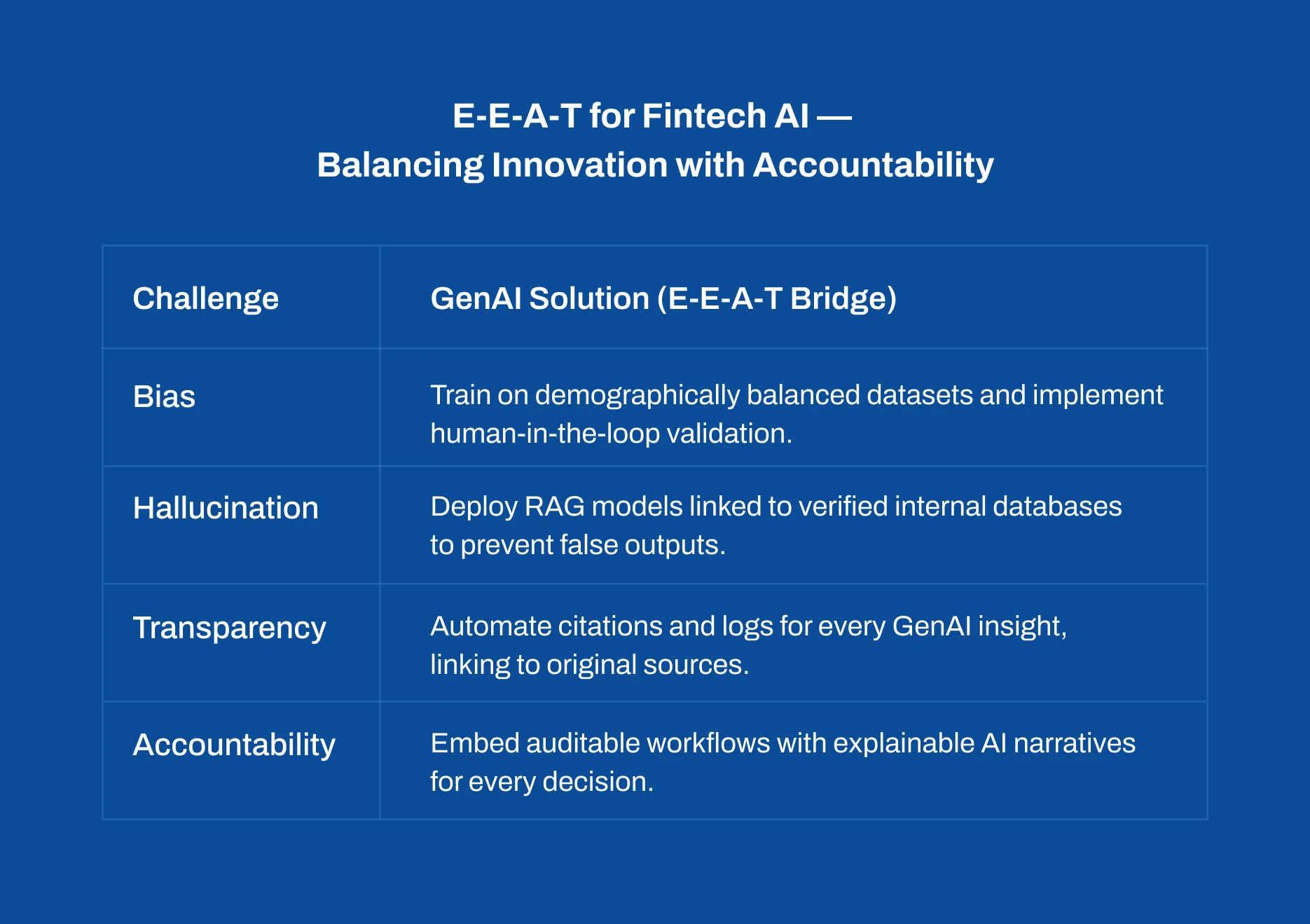
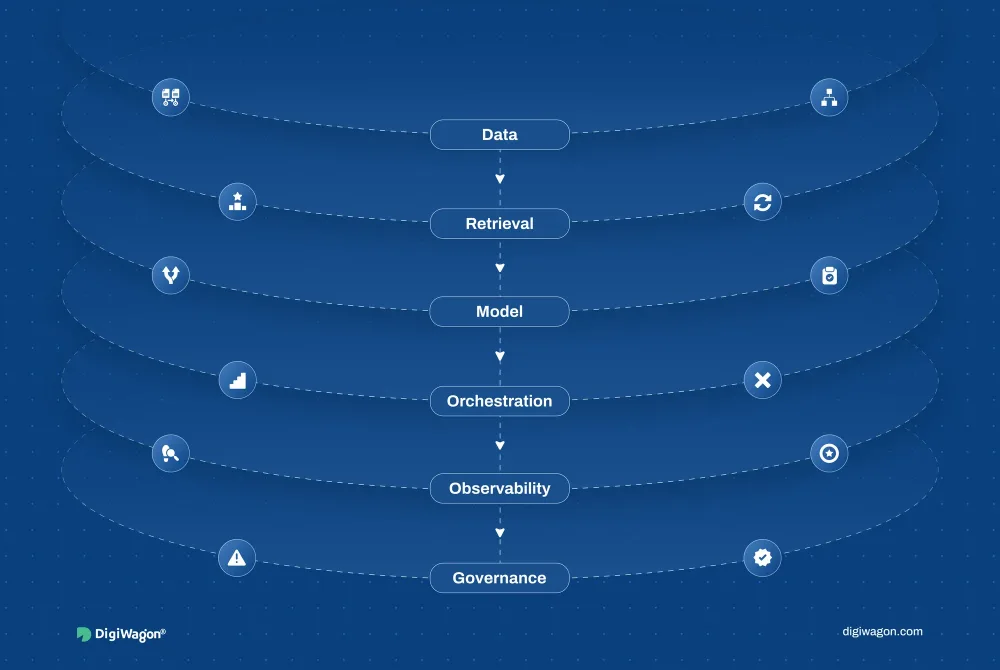
The power of Generative AI is undeniable, but the price of admission is accountability. Especially in FinTech, where consumer and investor trust is paramount, the principles of E-E-A-T (Experience, Expertise, Authoritativeness, Trustworthiness) must be hardwired into your AI strategy.
The Dual Challenge: Innovation Meets Accountability
In the USA, regulators are keenly focused on algorithmic bias and explainability. You must be able to prove that your AI models are fair, transparent, and auditable.
| Challenge | GenAI Solution (The E-E-A-T Bridge) |
|---|---|
| Bias | Train LLMs on curated, demographically balanced data; incorporate human-in-the-loop review for all sensitive lending or scoring decisions. |
| Hallucination | Use Retrieval-Augmented Generation (RAG) models that pull verified data directly from your authoritative internal knowledge bases, preventing the model from inventing answers. |
| Transparency | Automate the audit trail. Every GenAI-generated insight or compliance narrative must automatically cite the specific data points and regulatory sources it used. |
This is where true Expertise comes into play. Deploying GenAI isn’t a plug-and-play solution; it requires a tailoredAI & Machine Learning roadmap focused on responsible innovation.
Your Next Move: Partnering for an AI-Ready Data Strategy
From Data Dilemma to AI-Driven Decision Engine
Build the foundation for predictive, explainable FinTech intelligence.
1. Data Foundation:
Clean, compliant data unified via advanced ETL pipelines.
2. AI-Powered Analytics:
Deploy LLMs for fraud modeling, credit scoring, and conversational BI.
3. Governance & E-E-A-T:
Integrate explainability, fairness, and auditability into every GenAI model.
4. Continuous Learning:
Use feedback loops and synthetic data to evolve predictive accuracy.
The FinTech CEO’s data dilemma is simple: Innovate or be disrupted.
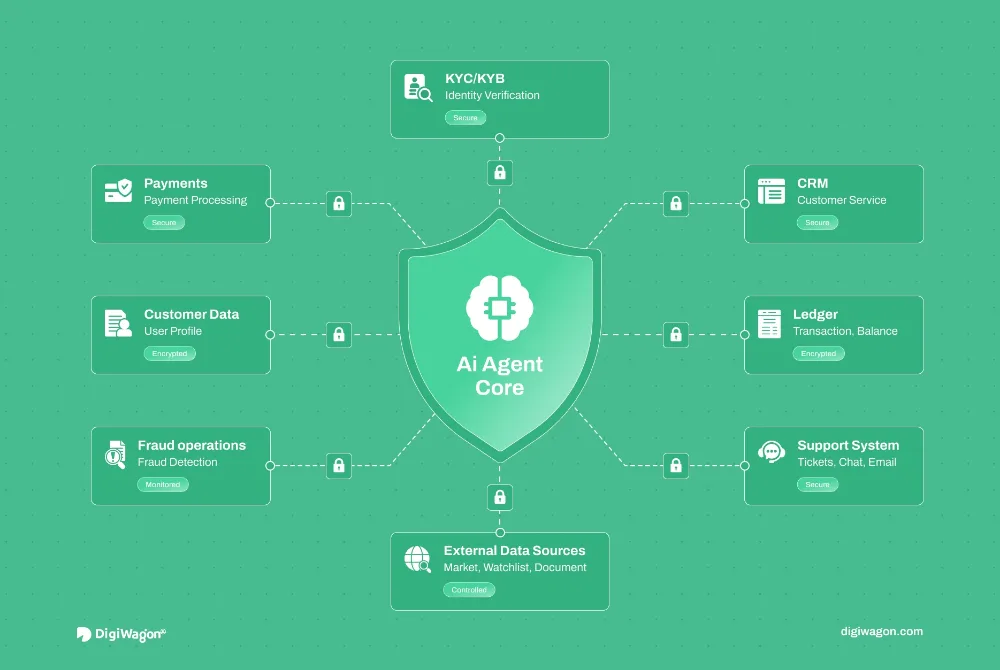
The solution is not just to buy AI tools, but to integrate a new data architecture—one where data is clean, compliant, and ready to be interrogated by Generative AI. This is a task that starts with strategic planning, not just technical implementation.
If your FinTech enterprise is ready to move from looking at historical dashboards to predicting the future, it’s time to define your AI Strategy Consulting roadmap.
We help US, UK, and European FinTech leaders:
1. Define the Vision: Map high-impact GenAI use cases (e.g., automated credit memo generation, regulatory reporting).
2. Build the Foundation: Implement the necessary Data Engineering & ETL pipelines for AI-grade data quality.
3. Ensure Compliance: Design FinTech data analytics models with E-E-A-T and regulatory explainability at the core.
The future of FinTech Business Intelligence is conversational, predictive, and transparent. Are you positioned to lead it?