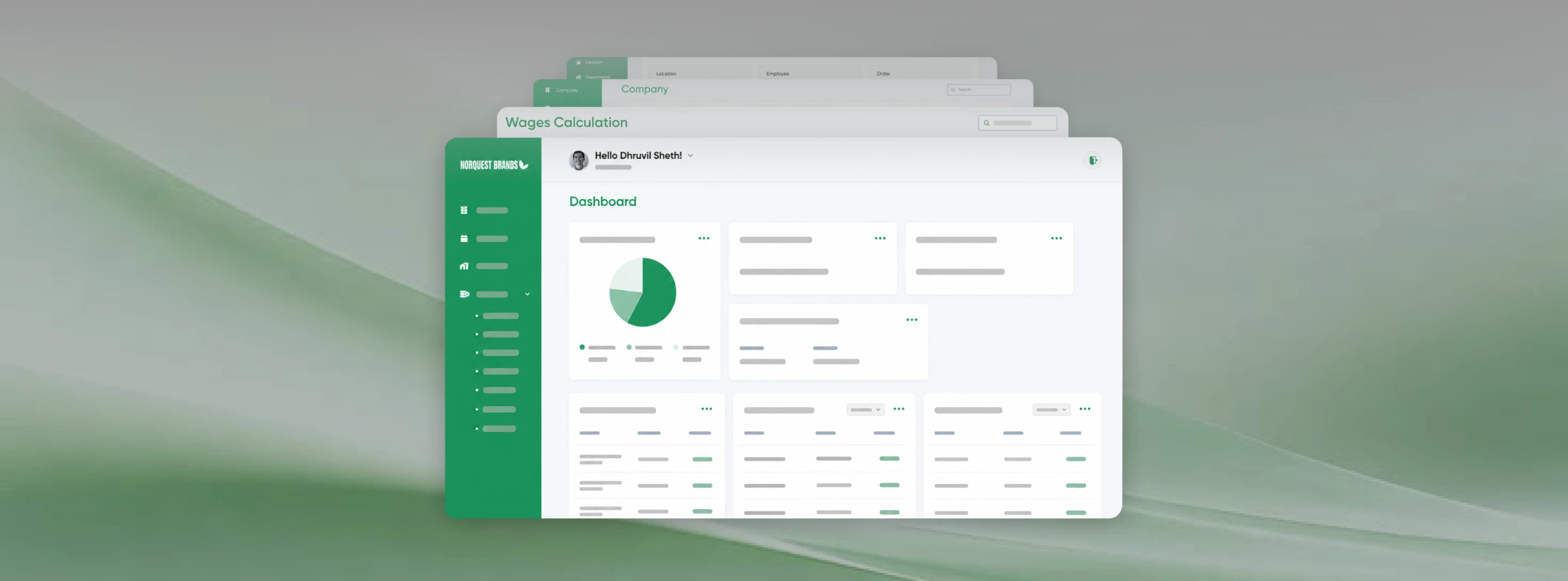
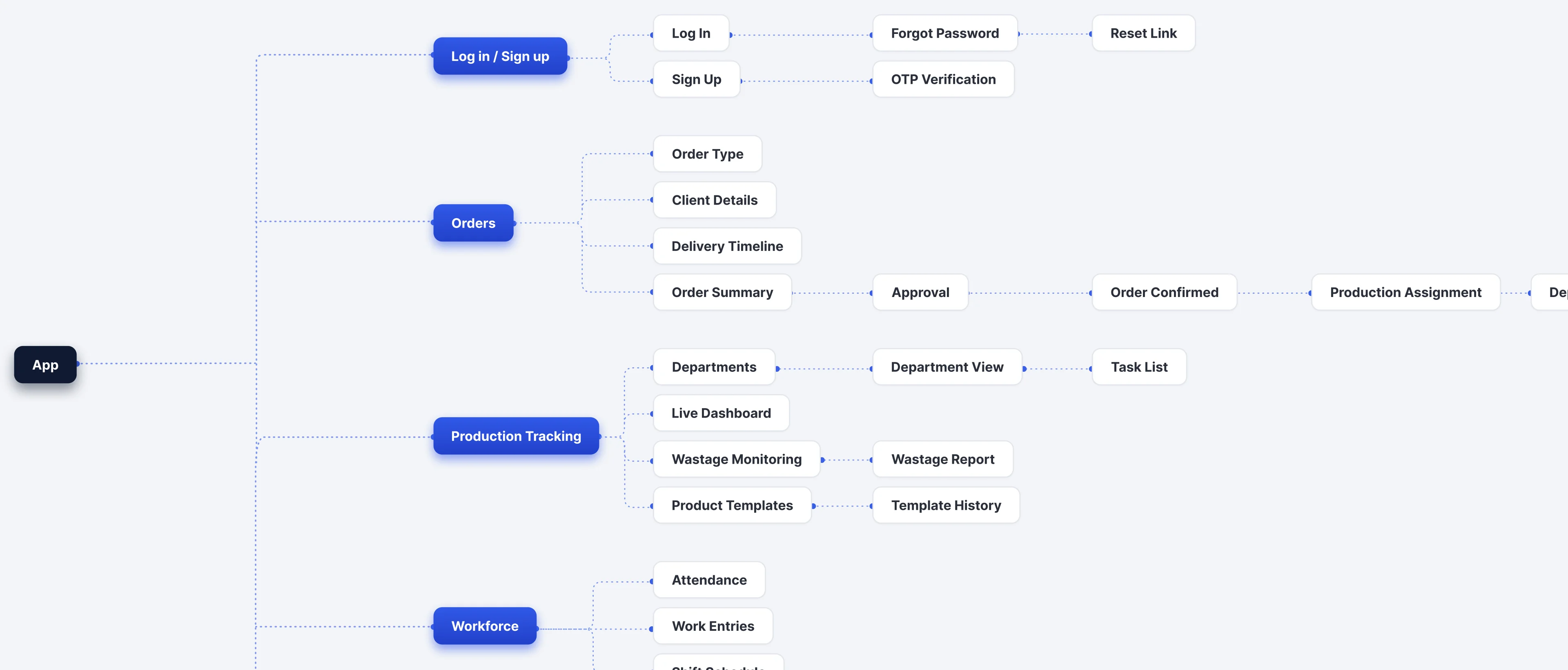
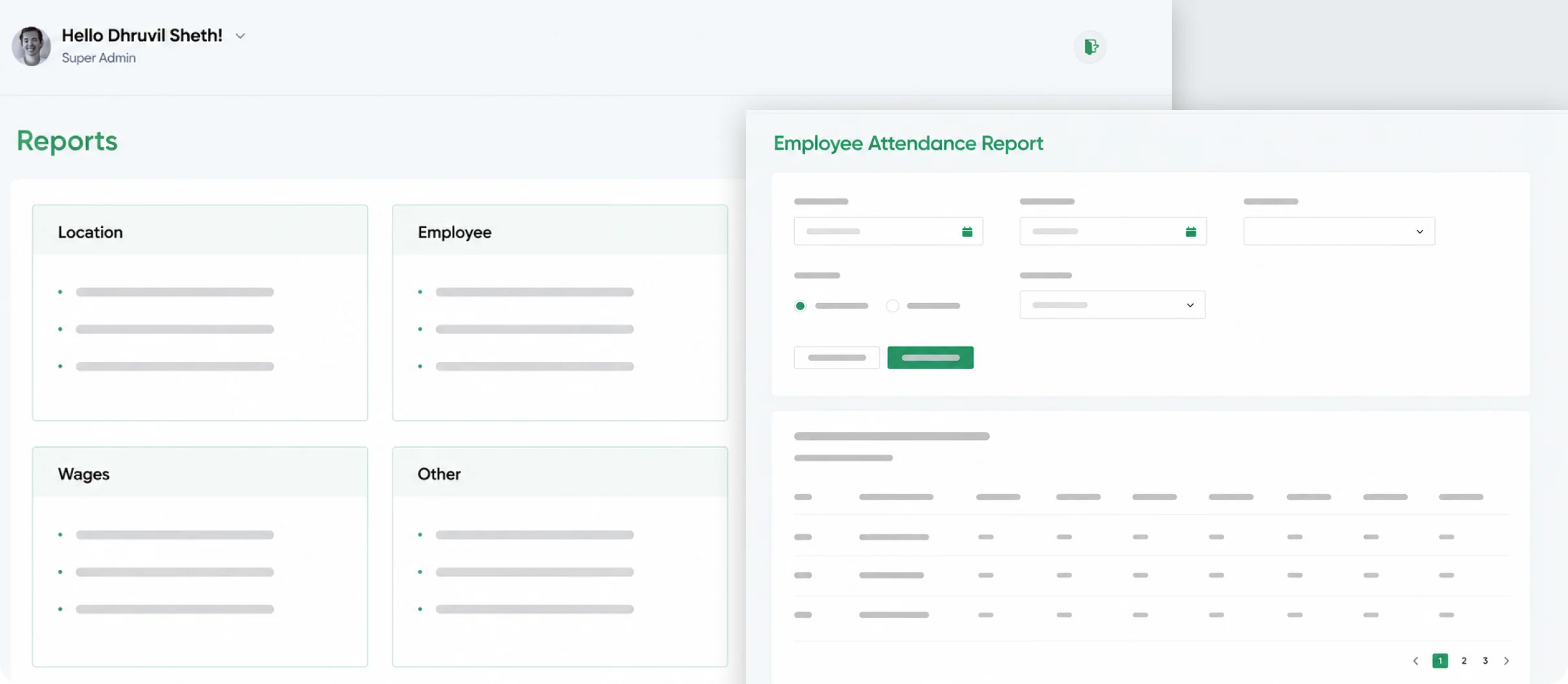
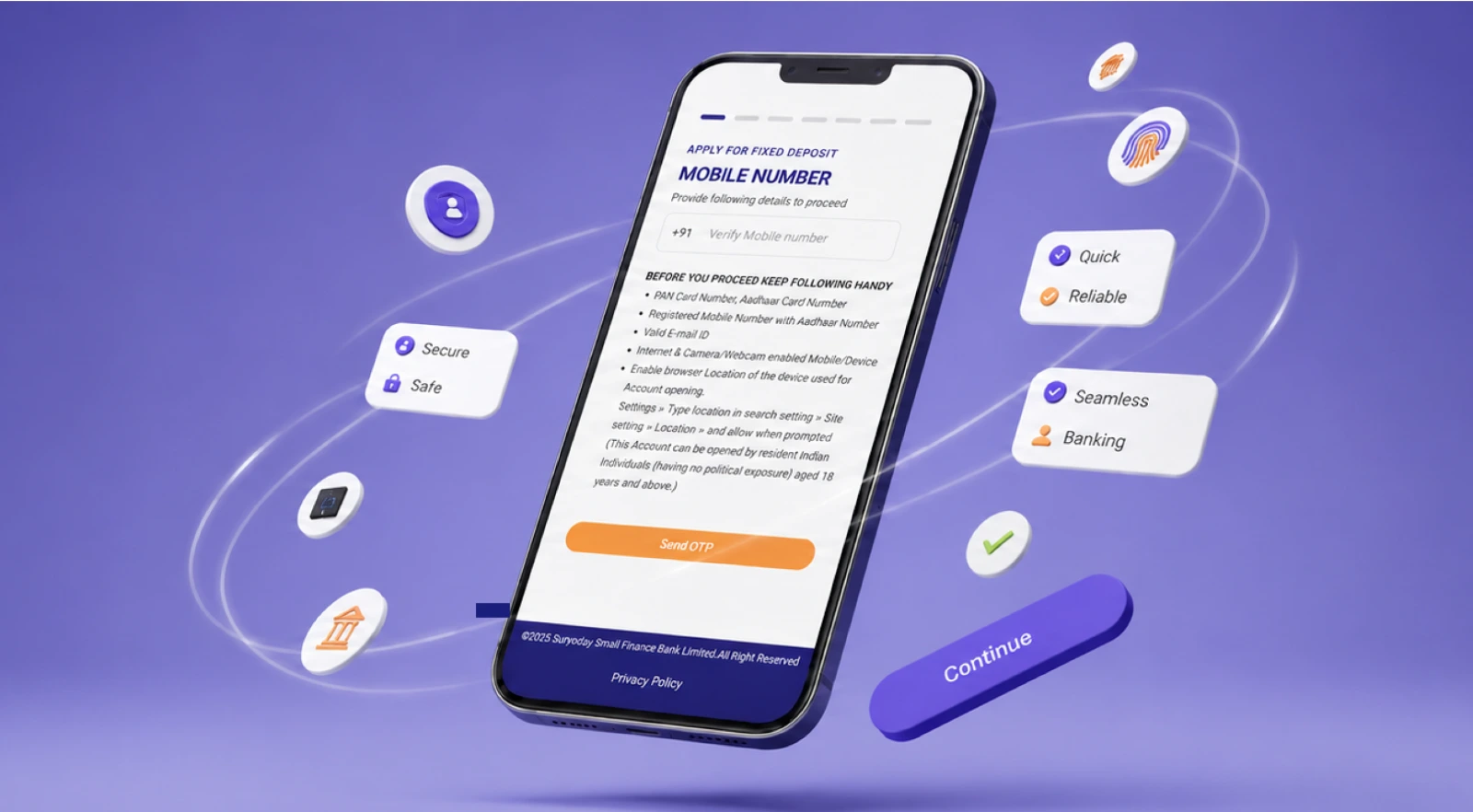
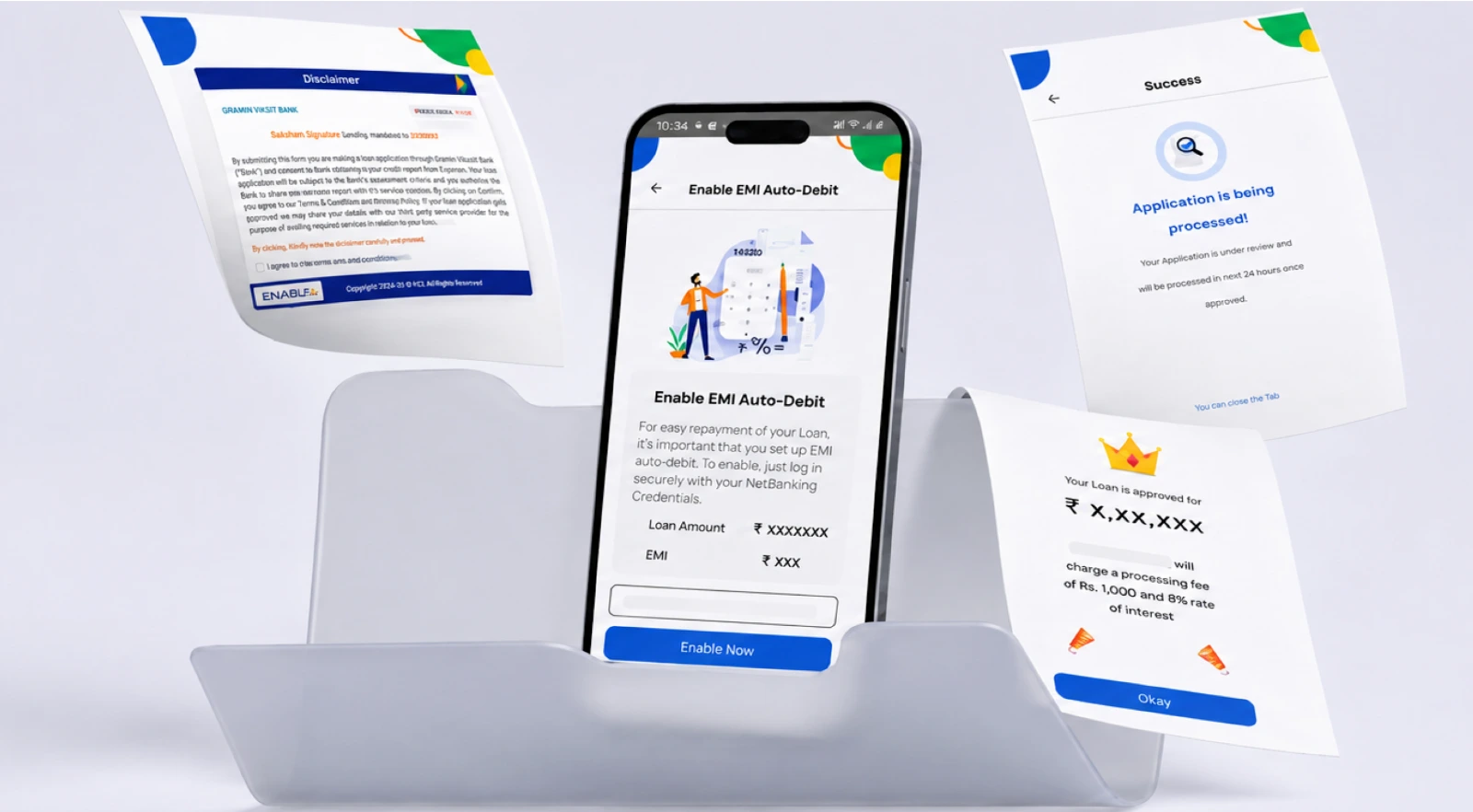
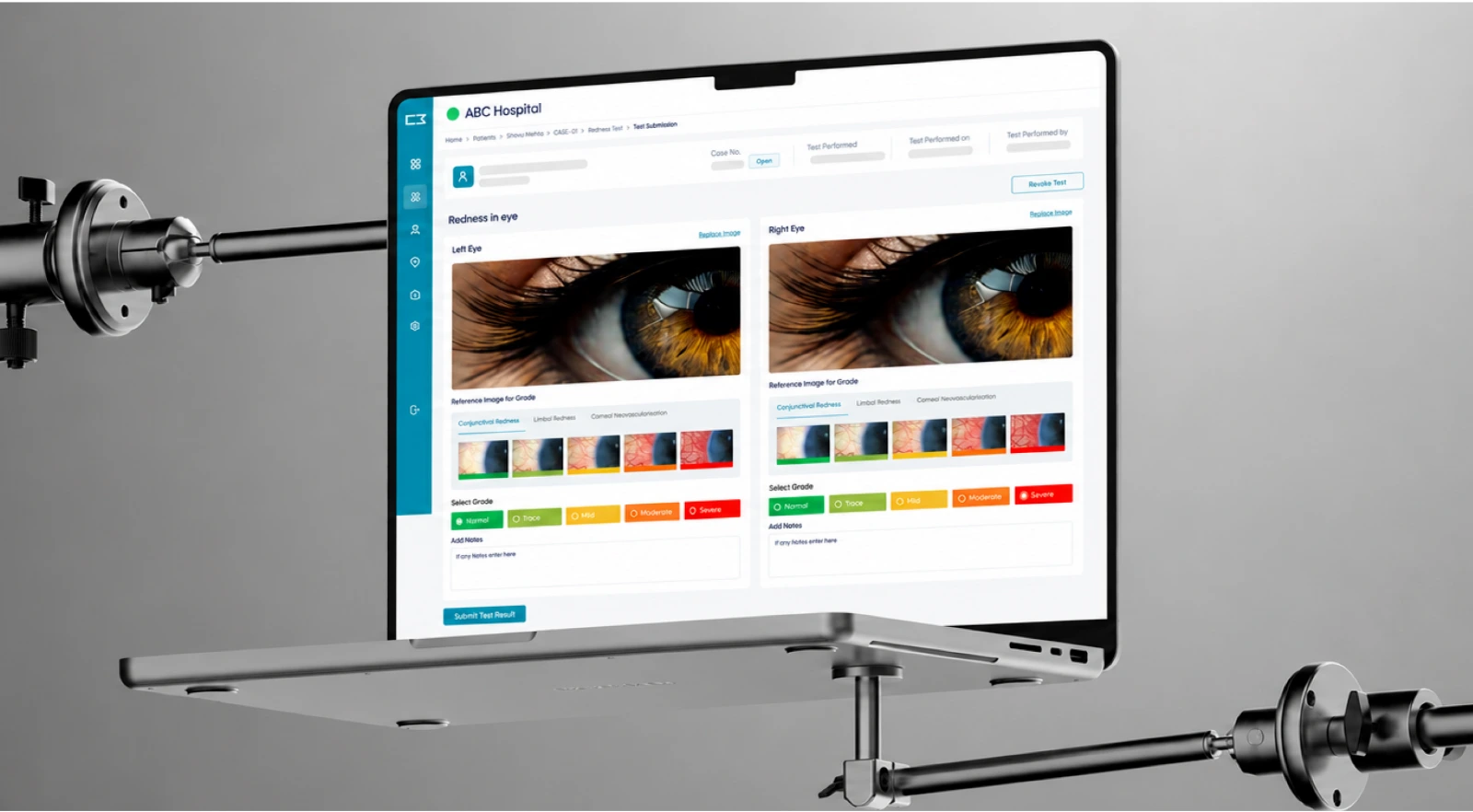
NQBPL Wages is a centralized platform created for a multi-location manufacturing organization operating with daily, hourly, and task-based wage models. The platform digitizes end-to-end manufacturing operations, including order management, production tracking, workforce monitoring, and automated wage calculations. The organization needed to replace broken manual processes with a rules-based system. This system could link production progress to employee output and wages across sites and companies. DigiWagon designed a scalable production-to-payroll platform that brings order tracking, department-wise production visibility, attendance, wage logic, wastage monitoring, and reporting into one connected system.
The result was a manufacturing operations platform built to improve efficiency, transparency, wage accuracy, and real-time decision-making across production teams.
Why it mattered
Why Manufacturing Operations Needed a Unified System
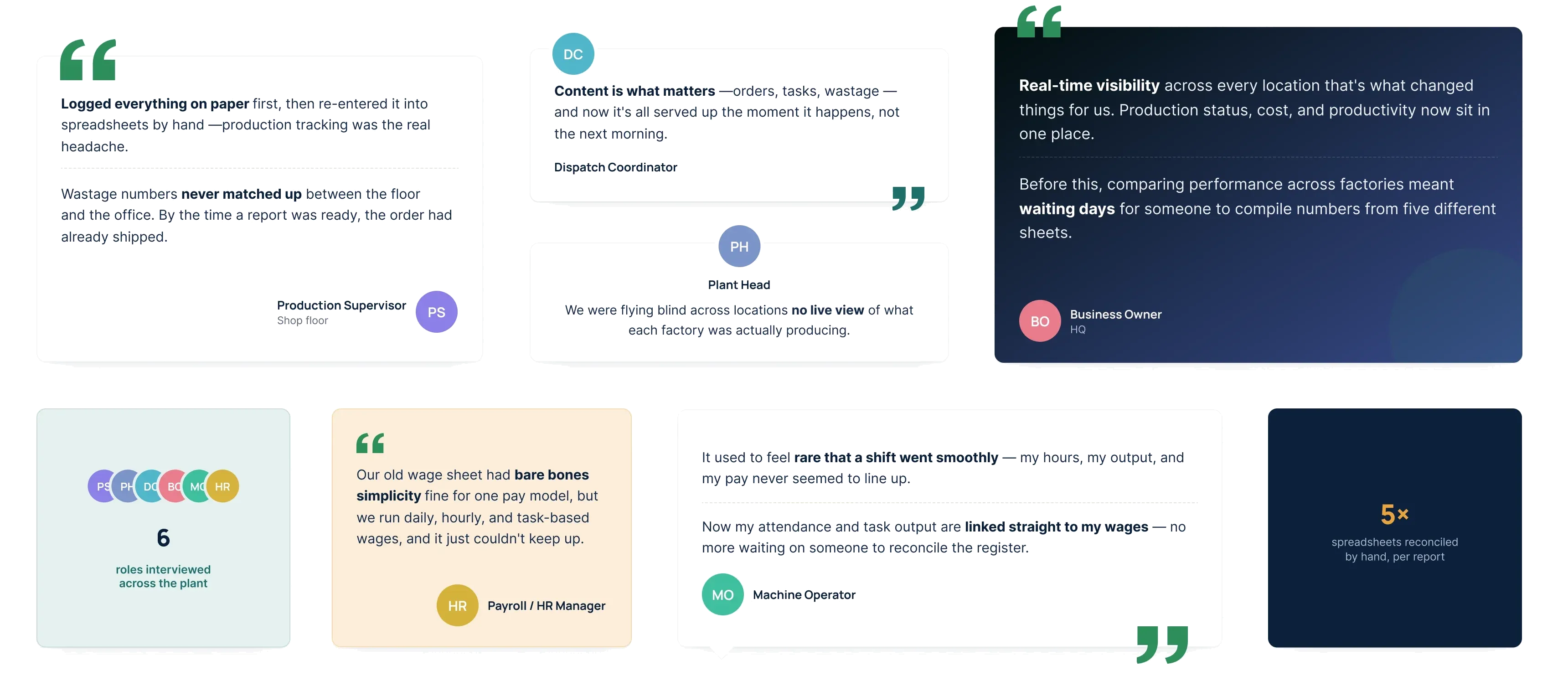
Manufacturing operations were heavily dependent on manual processes and disconnected tools, creating inefficiencies across production tracking, workforce management, attendance, and wage calculation. Orders, task progress, employee contributions, waste, and wages needed to link in one system. This helped teams cut errors, improve accountability, and make faster decisions.
Business Challenge
Orders, task progress, and wastage were being tracked manually.
Daily, hourly, and task-based wage models made salary calculation complex.
Multi-location and multi-company operations lacked centralised visibility.
Employee attendance, work contribution, and wage data were disconnected.
Leadership had limited access to live production status, cost estimates, and productivity metrics.
Production progress was not directly linked with workforce output.
Manual reporting slowed decision-making.
The system needed to scale across factories, departments, companies, and wage models.
Manufacturing Context
Manufacturing workforce management becomes complex when production output and wage calculation are handled separately.
In sites with many locations, missing data can slow down reports. Missing attendance, task tracking, waste, or wage-rule data can also cause payroll errors. These gaps can create confusion.
A unified production-to-payroll platform helps manufacturing teams move from manual tracking to connected, real-time operational control.
User Problem
Production teams needed a clearer way to track order progress and department-wise activity.
Supervisors needed real-time visibility into tasks, wastage, and output.
HR and payroll teams needed accurate wage calculations without manual effort.
Operations managers needed centralised control across locations and companies.
Administrators needed structured product templates, employee records, attendance, and reporting.
Leadership needed instant reports to make faster production and workforce decisions.
How we delivered
How We Built the Production-to-Payroll Platform
Map
Structured the production and wage workflows
Order lifecycle
Department-wise task flow
Employee work entries
Attendance records
Wage calculation rules
Connect
Linked production activity with workforce output
Order progress
Task contribution
Employee productivity
Wastage tracking
Dispatch visibility
Automate
Reduced manual wage and reporting effort
Daily wage logic
Hourly wage logic
Task-based wage logic
Attendance-linked calculation
Excel-ready reports
Scale
Prepared the platform for multi-location operations
Multi-company setup
Location-wise access
Version-controlled templates
Role-based workflows
Centralised reporting
What we built
What DigiWagon Built for NQBPL
DigiWagon built a unified platform that connects order management, production tracking, workforce monitoring, attendance, and automated wage calculation into one manufacturing operations system. The solution gives teams real-time visibility across production progress, employee contribution, wastage, dispatch, and payroll-ready wage data.
Built a centralised production and workforce management platform.
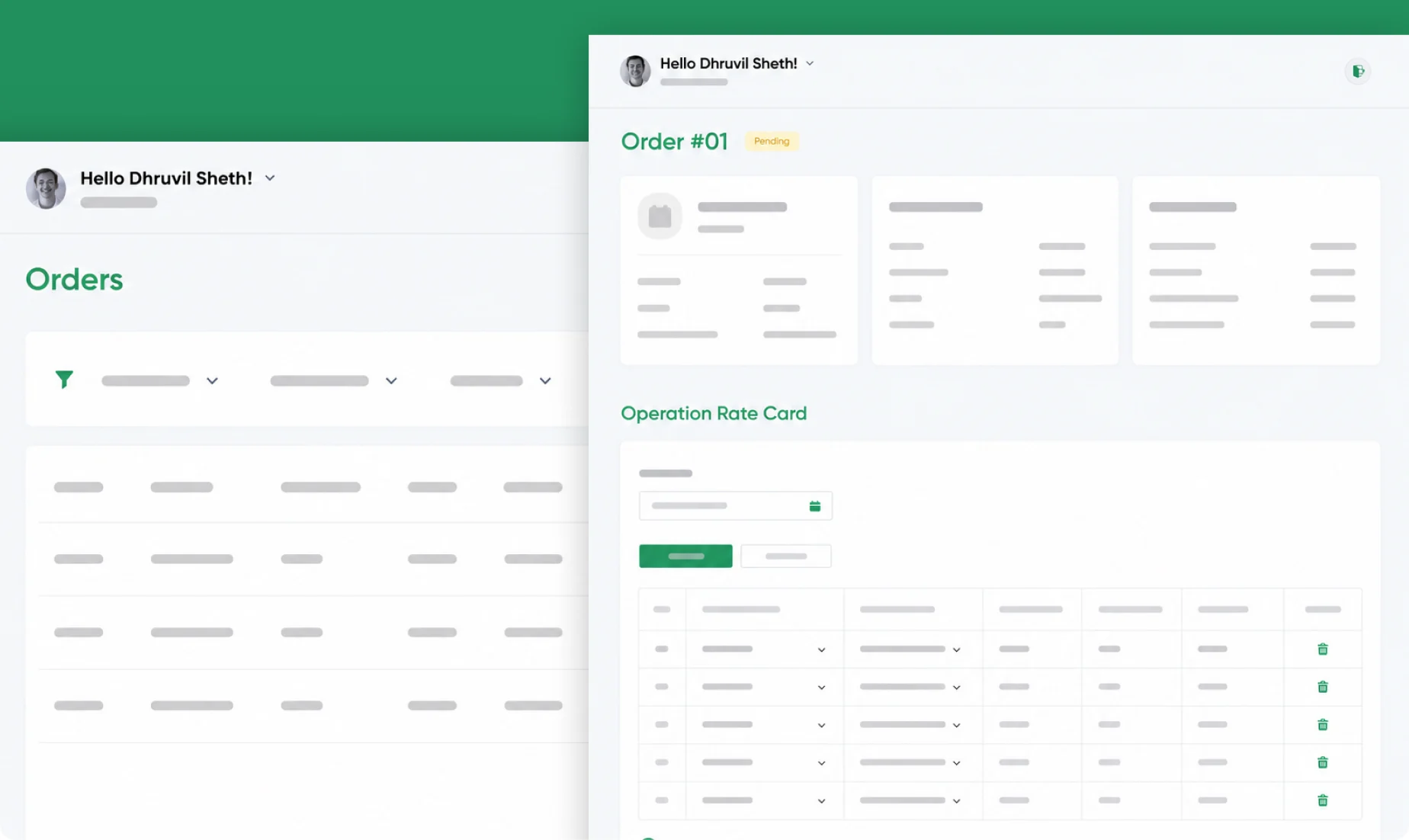
Unified order management, department-wise production tracking, and wastage monitoring.
Connected employee work entries directly with order tasks.
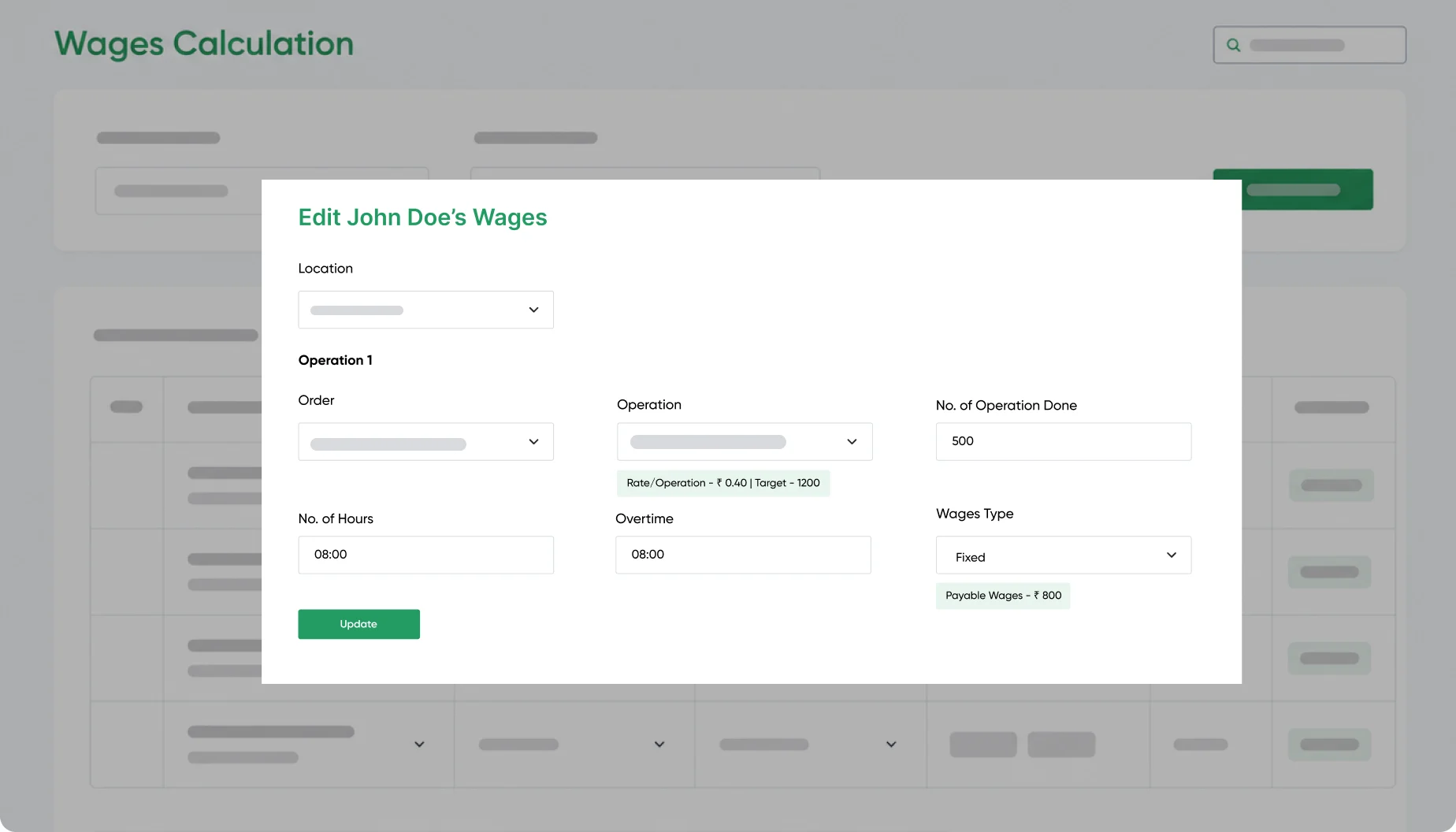
Automated wage calculations for daily, hourly, and task-based payment models.
Enabled attendance, contribution, and wage data to work together.
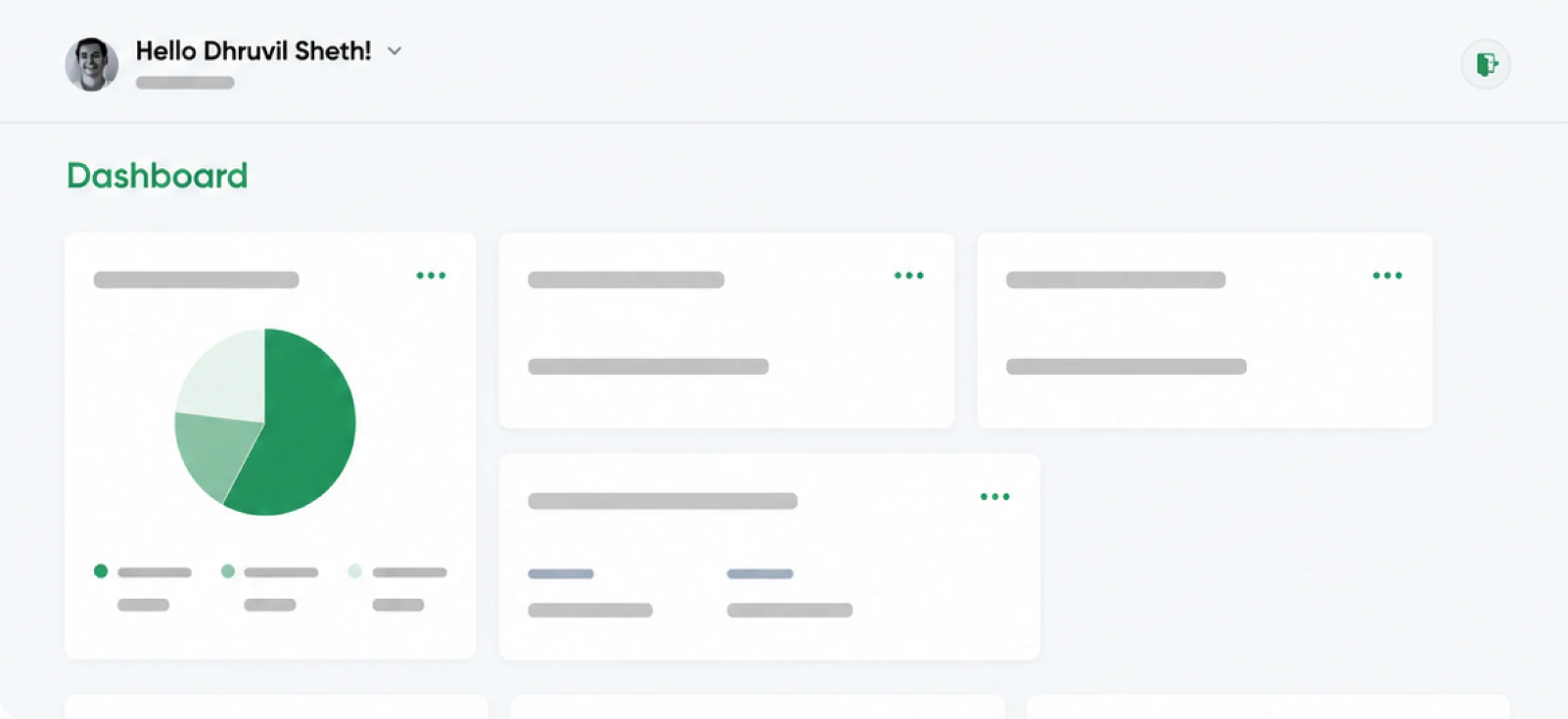
Created real-time dashboards for production progress, workforce activity, and operational status.
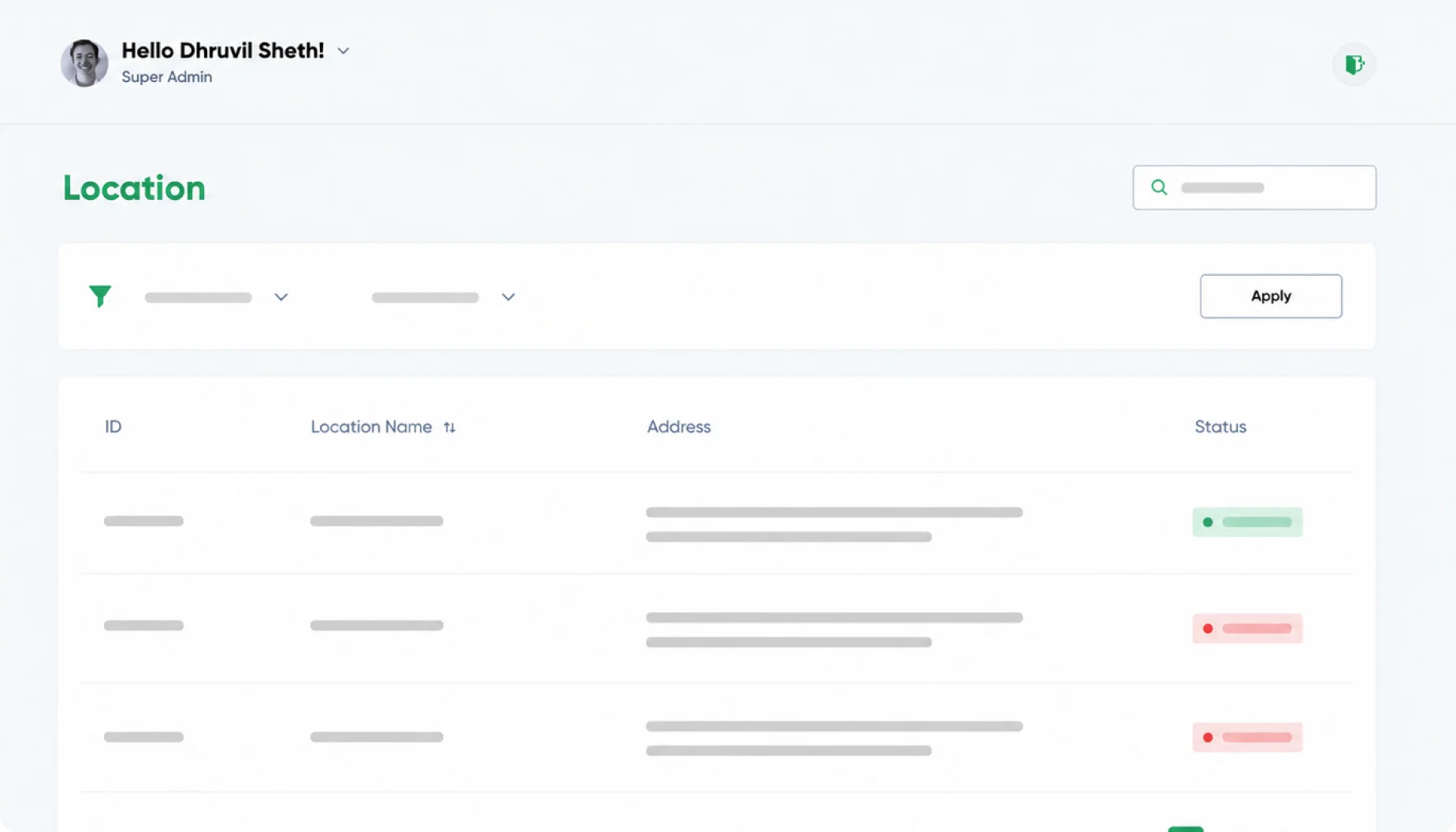
Built multi-location and multi-company architecture for centralised control.
Supported location-level operational flexibility.
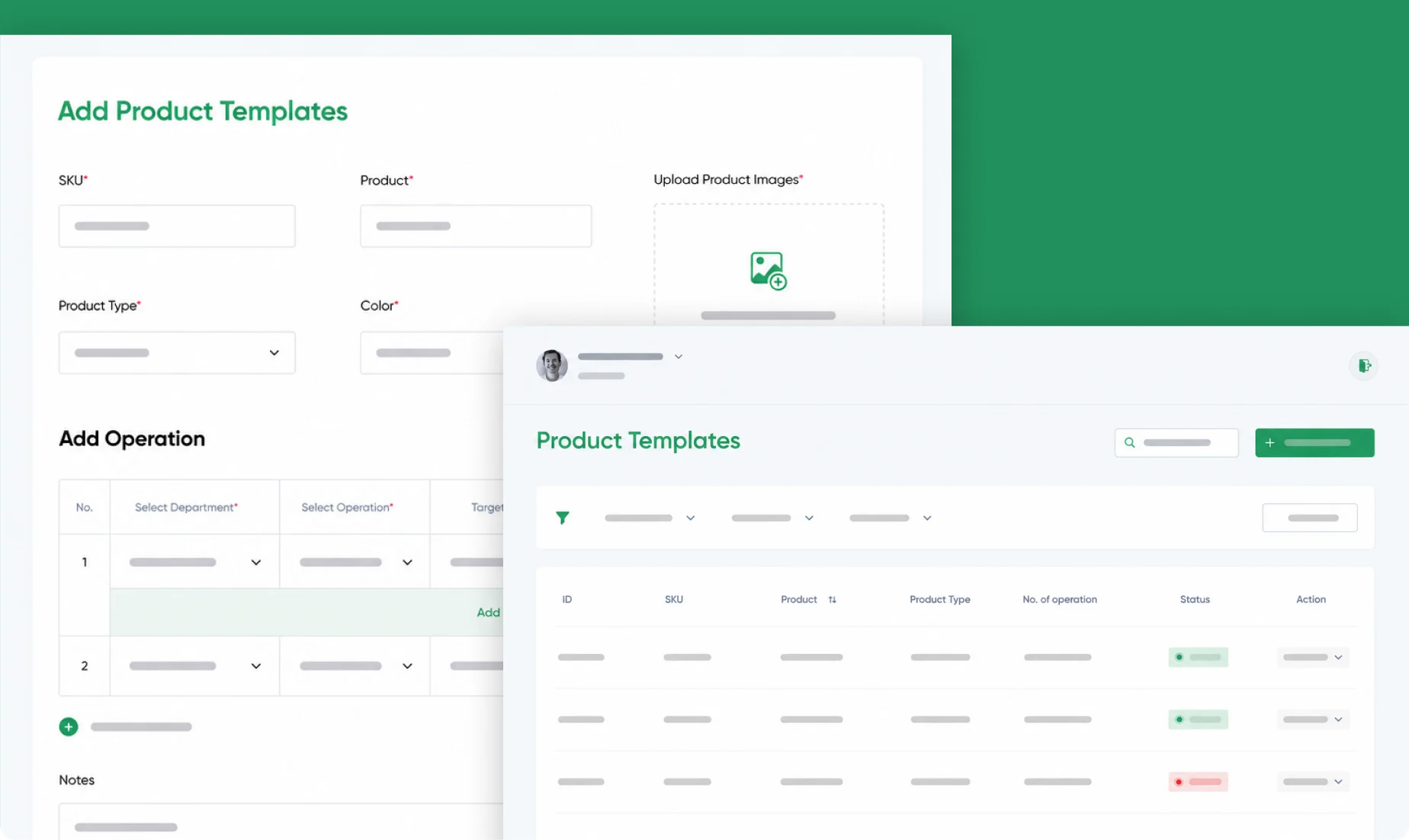
Created version-controlled product templates to preserve workflow history.
Enabled instant reports for orders, departments, attendance, wages, and production performance.
Added Excel export support for business reporting.
Delivered a scalable foundation for manufacturing workforce and payroll operations.
The filmWatch how it works.
Key features
Six capabilities, one per constraint.
Centralised Order & Production Tracking
Unified order management, production progress, and department-wise task tracking.
Helped teams monitor production from order creation to dispatch.
Enabled wastage tracking across the production lifecycle.
Improved visibility into live manufacturing activity.
Automated Wage Calculation Engine
Built a rules-driven wage calculation system.
Supported daily, hourly, and task-based wage models.
Calculated wages based on employee work output and attendance.
Reduced manual payroll effort and calculation errors.
Real-Time Workforce-to-Order Linking
Mapped employee work entries directly to order tasks.
Connected production progress with individual contribution.
Improved accountability across teams and departments.
Ensured wage calculations updated with actual work output.
Multi-Location & Multi-Company Architecture
Designed the system to support multiple factories, companies, and operational units.
Enabled centralized control while allowing location-level flexibility.
Supported scalable workforce and production management.
Improved visibility for leadership across locations.
Version-Controlled Product Templates
Built versioned product templates for evolving production workflows.
Preserved historical accuracy even when product processes changed.
Helped teams maintain consistency across repeat orders.
Reduced confusion during order execution.
Instant Business Reporting
Delivered on-demand reports for orders, departments, attendance, wages, and production status.
Enabled both on-screen viewing and Excel export.
Helped leadership access live operational and productivity insights.
Supported faster, data-driven decision-making.
Technology
The stack behind this build.
Frontend
ReactJS
Backend
Node.js
Data
MySQL
Cloud & DevOps
AWS
Git/GitHub/GitLab
Impact
What changed for the client.
The platform helped the manufacturing organisation move from fragmented manual tracking to a connected production-to-payroll system.
1
unified production-to-payroll platform created for manufacturing operations.
55%
faster wage calculation through automated wage rules and attendance-linked computation.
50%
reduction in manual payroll and production tracking effort by replacing scattered manual processes.
40%
faster business reporting with instant reports and Excel export.
In closing
Where this leaves the product.
NQBPL Wages now has a unified platform that connects production operations, workforce contribution, attendance, wage calculation, and reporting into one scalable system. By designing a production-to-payroll ecosystem, DigiWagon helped the organisation reduce manual work. It improved wage accuracy, increased operational visibility, and supported multi-location manufacturing control. The result is a digital manufacturing platform built for transparency, efficiency, and scalable workforce management.
Pick a question, then the assistant you use. It opens in a new tab with this case study as its source.
The question it opens withRead https://digiwagon.com/case-studies/nqbpl-wages-platform-digitizing-production-workforce-management. Explain the problem, the approach and the result in plain language for a CFO. Stick to what the page says and mark anything you are not sure about.
The question it opens withRead https://digiwagon.com/case-studies/nqbpl-wages-platform-digitizing-production-workforce-management and tell me what would need to be true about my company, team and systems for a similar approach to work for us. Stick to what the page says and mark anything you are not sure about.
The question it opens withRead https://digiwagon.com/case-studies/nqbpl-wages-platform-digitizing-production-workforce-management and list the questions I should ask DigiWagon on a first call if I wanted a result like this one, based only on what the page says.