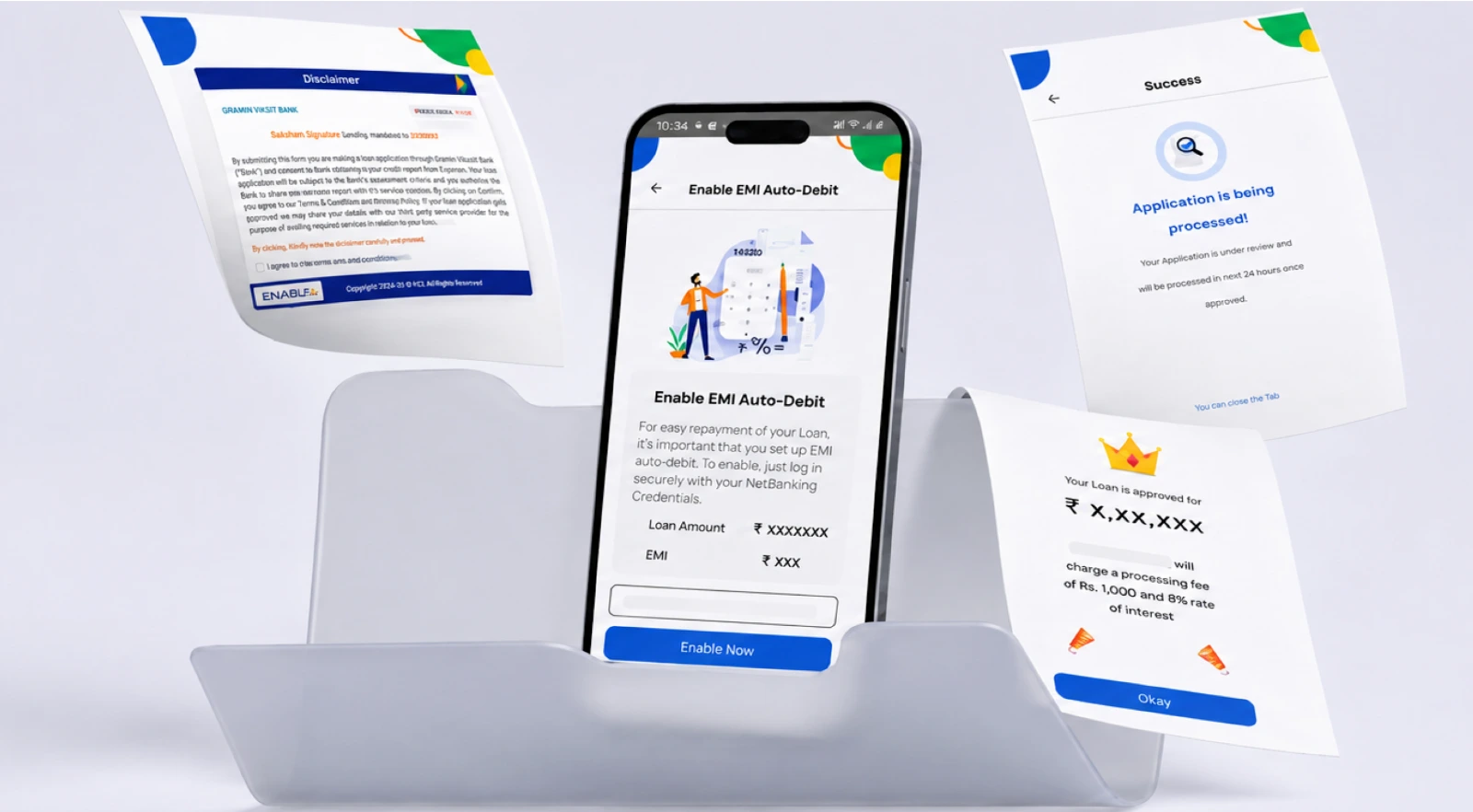
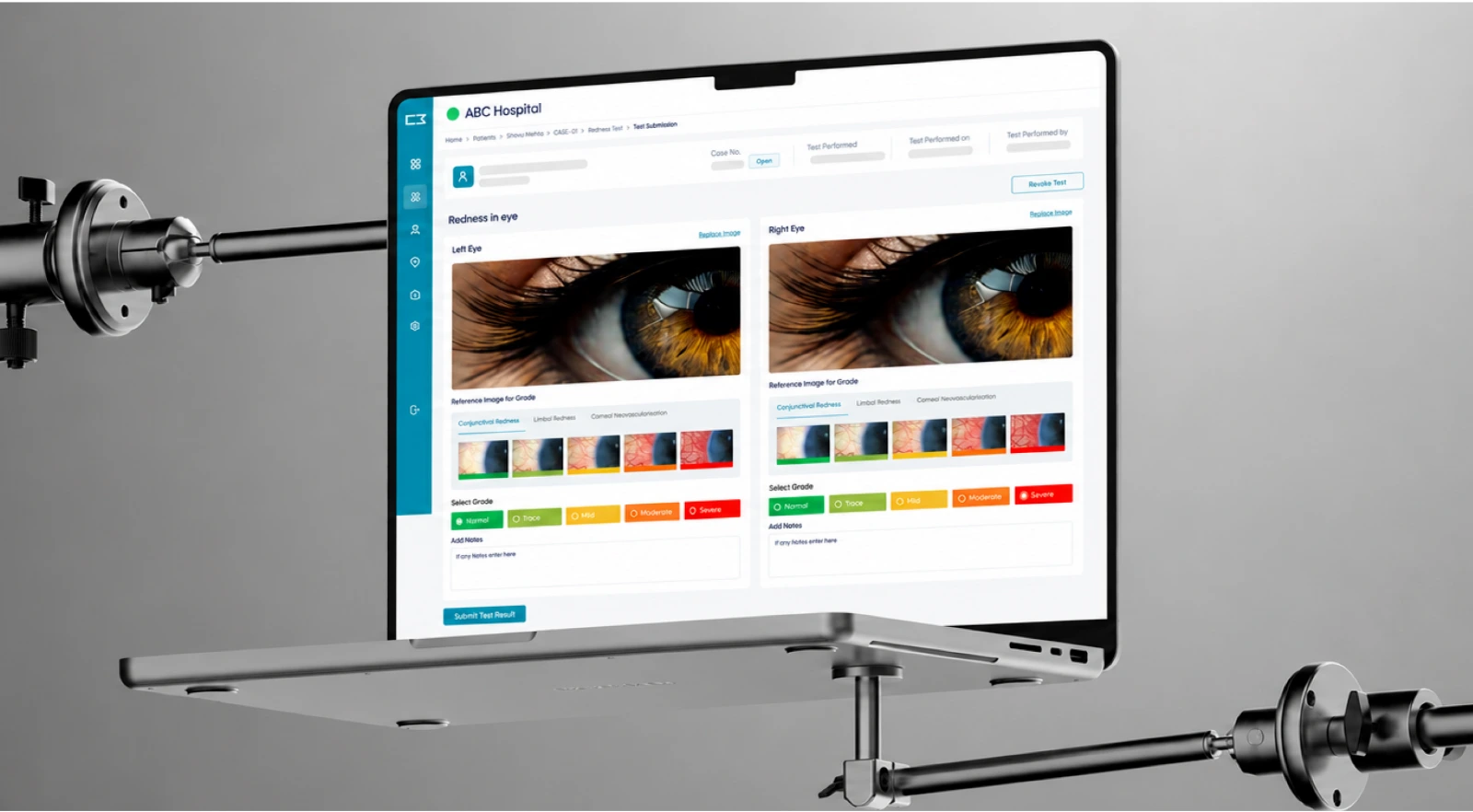
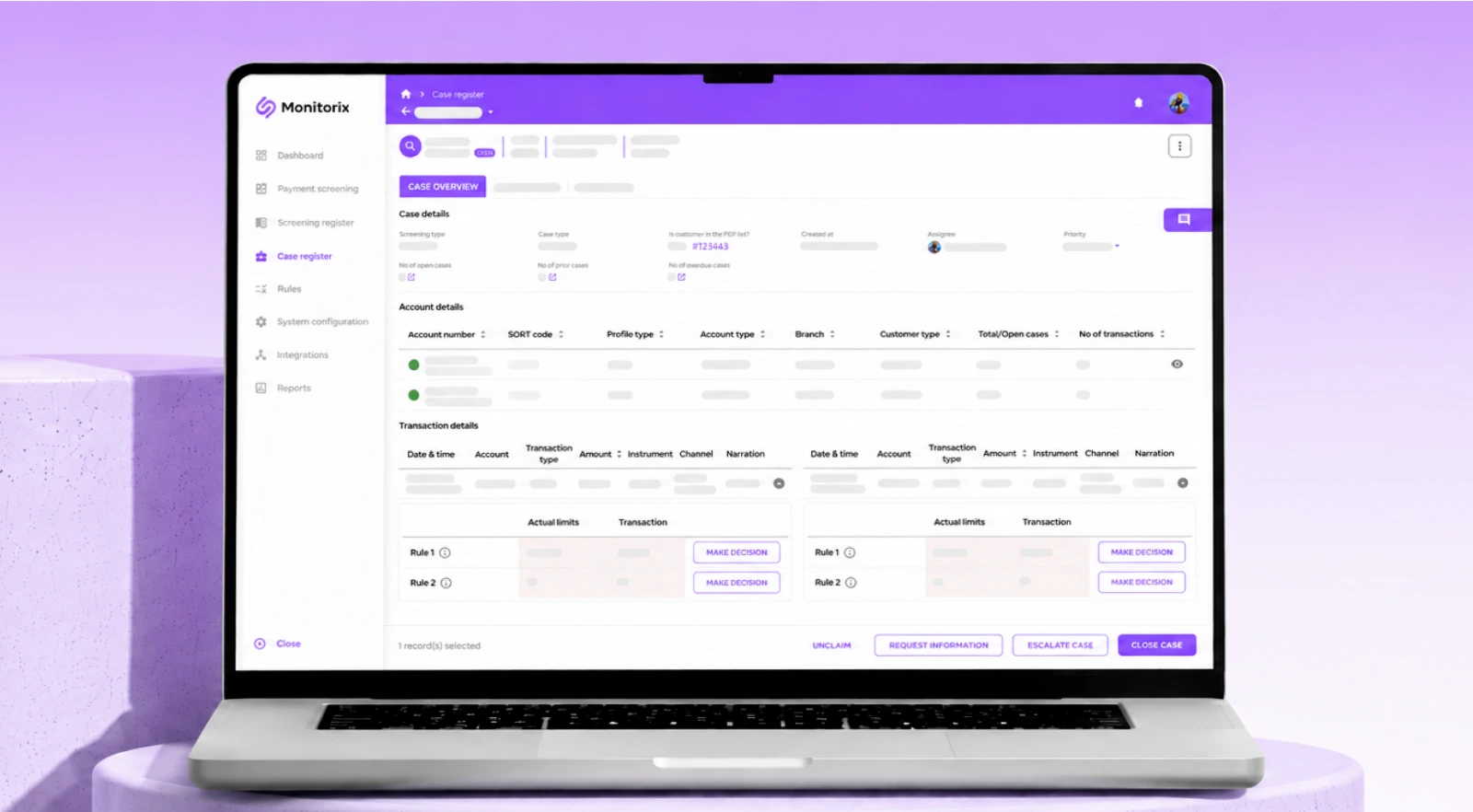
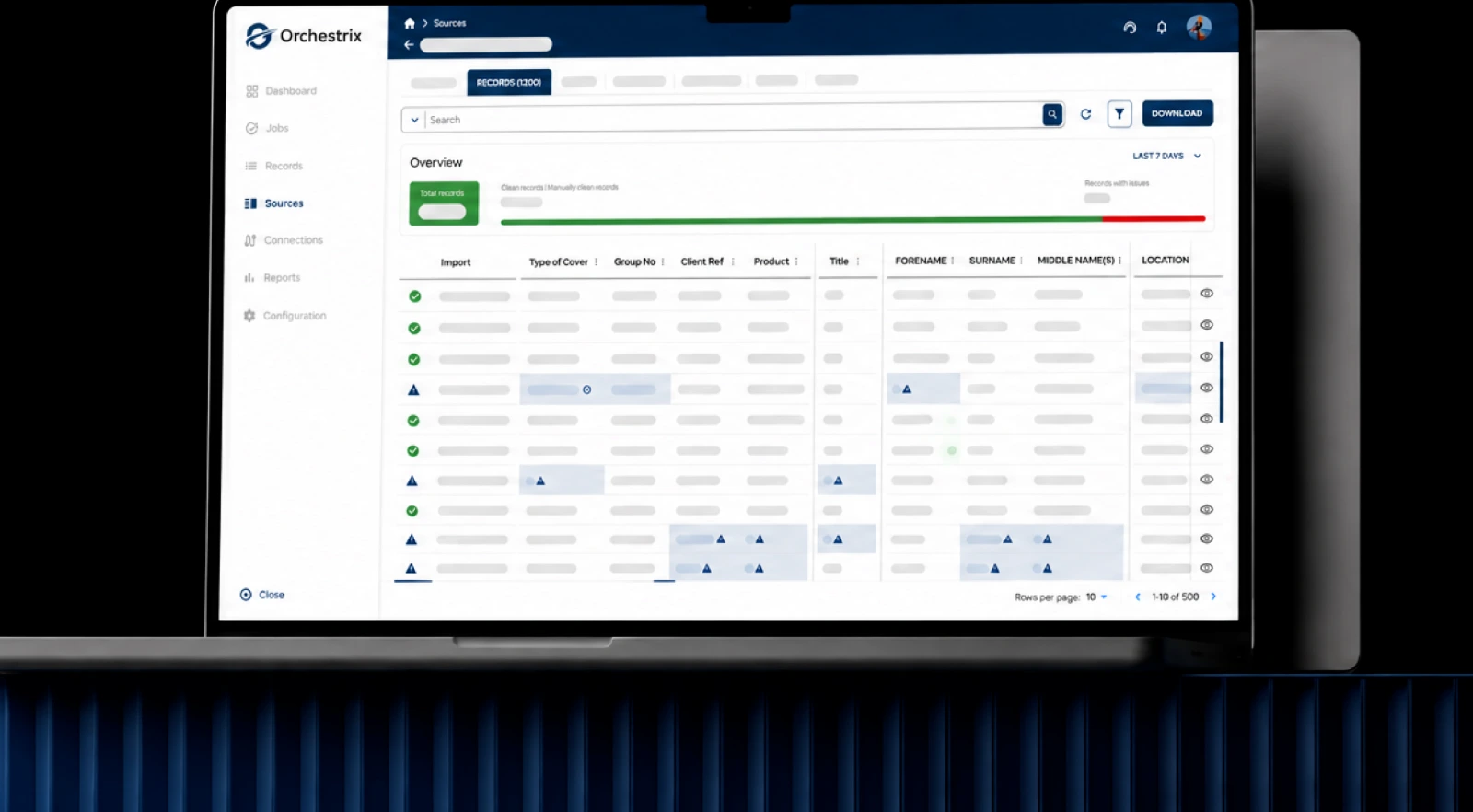
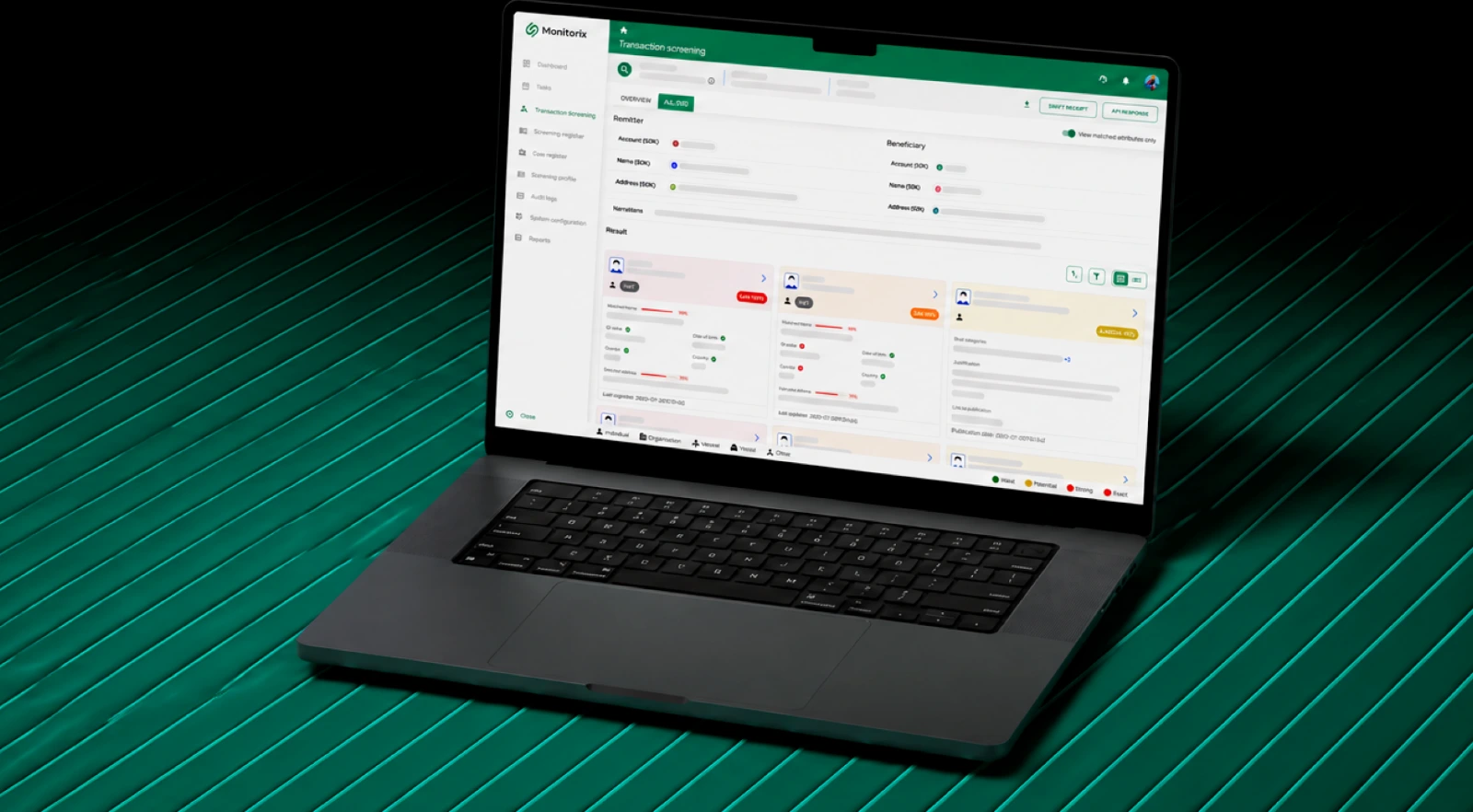
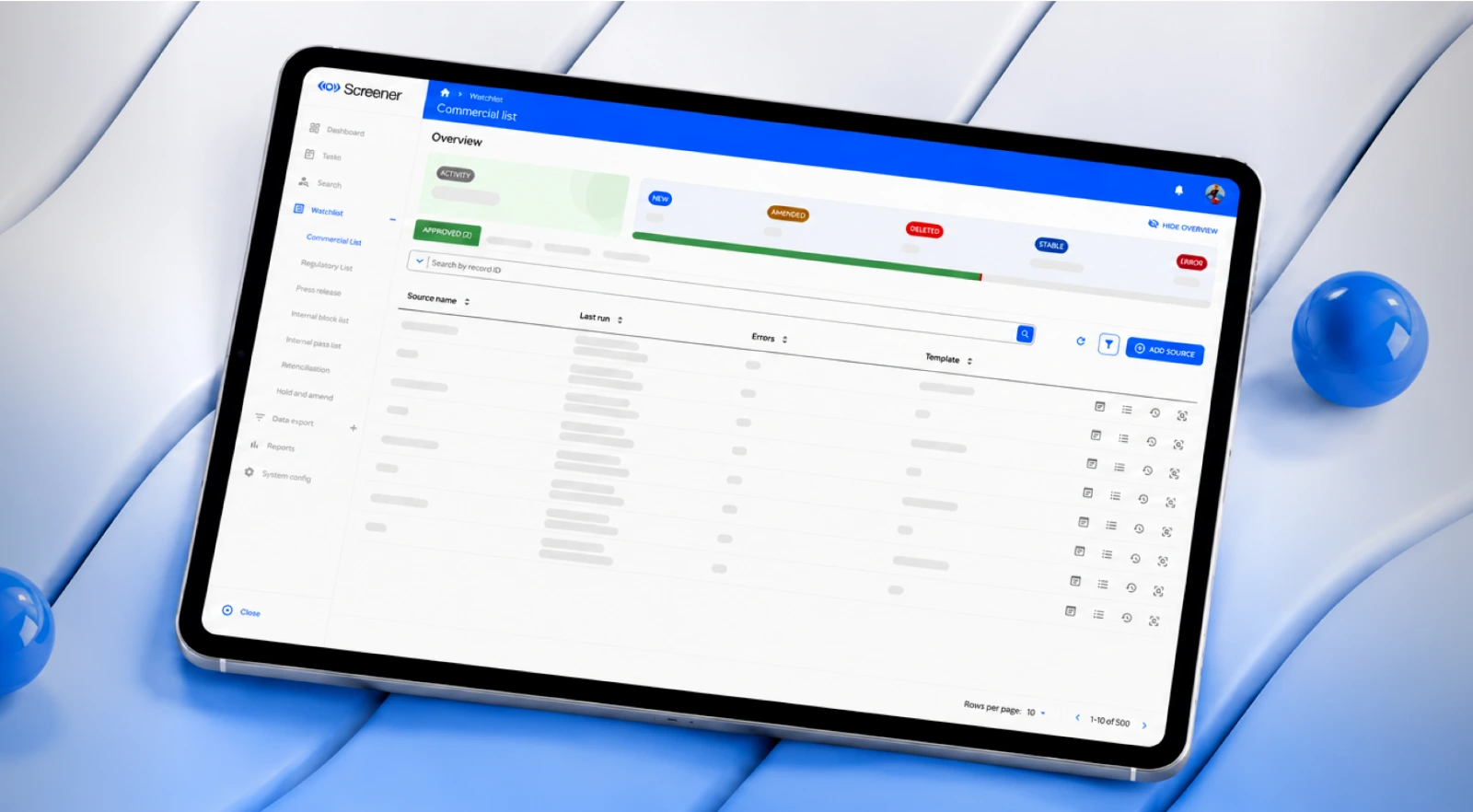
Off-the-shelf products work well until the business starts bending around them. We create purpose-built applications for the processes, logic and operational realities that are specific to how you work.
01
Workflow Applications
Bring approvals, handoffs and multi-step activity into one clear, trackable flow.
Create digital products that exchange information and actions with ERP, CRM, databases and third-party platforms.
API connectivityData synchronizationEventsAuthentication
06
API-Driven Platforms
Create a shared foundation for multiple channels, services and future digital products.
APIsMicroservicesShared business logicIntegration layers
Where AI can add value
Adding Intelligence Where It Has a Job to Do
AI becomes useful when it improves a specific moment inside the product, not when it is added simply because it can be. With the right context, data and domain logic, intelligence becomes part of how the work gets done.
01
Find
Ask a question instead of digging through records, documents or menus.
Natural-language search · Knowledge retrieval
02
Read
Understand incoming documents and pull out what matters before someone has to review everything manually.
The same type of digital product can solve very different problems from one sector to another. The context changes, so the product has to account for the processes, constraints and operating environment around it.
We turn specific operating realities and technical constraints into something that can be tested early, connected properly and refined through real use.
01
Map the Reality
Understand the people involved, existing tools, exceptions, dependencies and how the work happens today.
Focus
PeopleToolsExceptionsDependencies
02
Define the Logic
Set out permissions, decision criteria, integrations and application behavior, including where AI can genuinely improve the experience.
Focus
PermissionsDecisionsIntegrationAI fit
03
Prove Early
Test important journeys, complex interactions and AI-assisted moments before the product becomes expensive to change.
Focus
JourneysInteractionsEvidenceLearning
04
Put It into Use
Release around real priorities, see how it performs in practice and refine it as new patterns emerge.
Focus
ReleaseUseFeedbackRefinement
Map01 Map the RealityDefine02 Define the LogicProve03 Prove EarlyPut into use04 Put It into Use
Insights
Thinking Behind Custom Software.
Perspectives on purpose-built applications, integration, modernization and where AI earns its place inside them.
Software Engineering
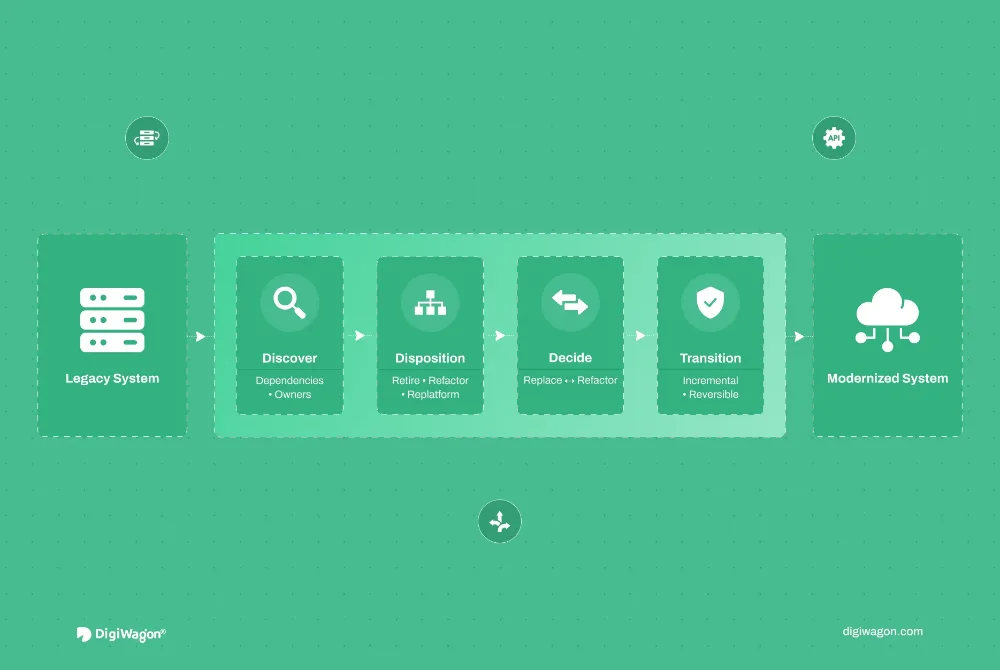
Legacy System Modernization: The Decision Blueprint
· Rushabh Modi · 10 min read
Experience Design
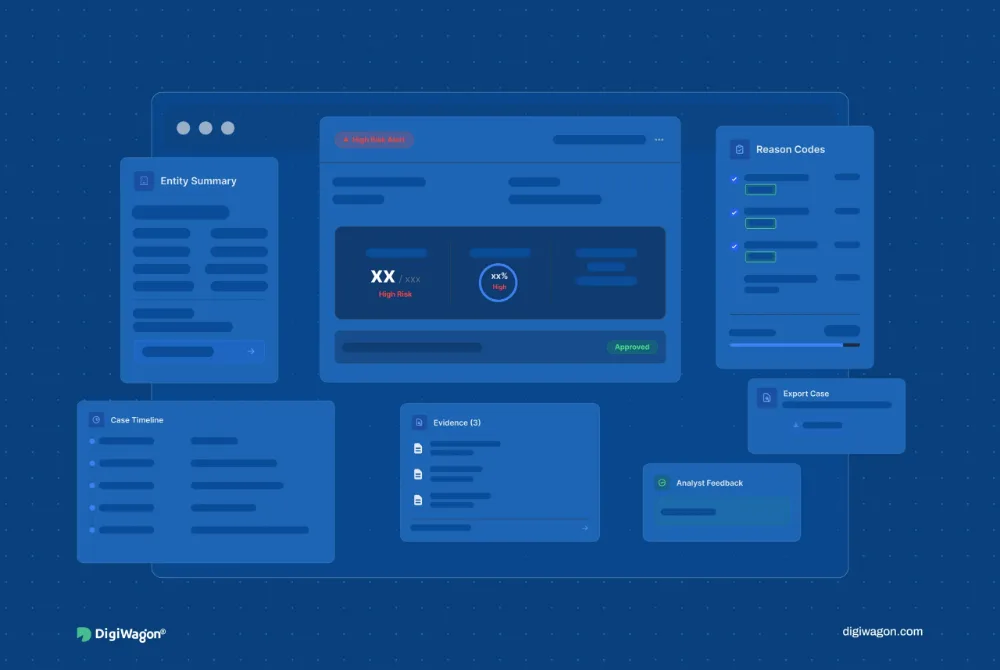
The Compliance Analyst Workflow Playbook
· Rutvi Kothari · 6 min read
Experience Design
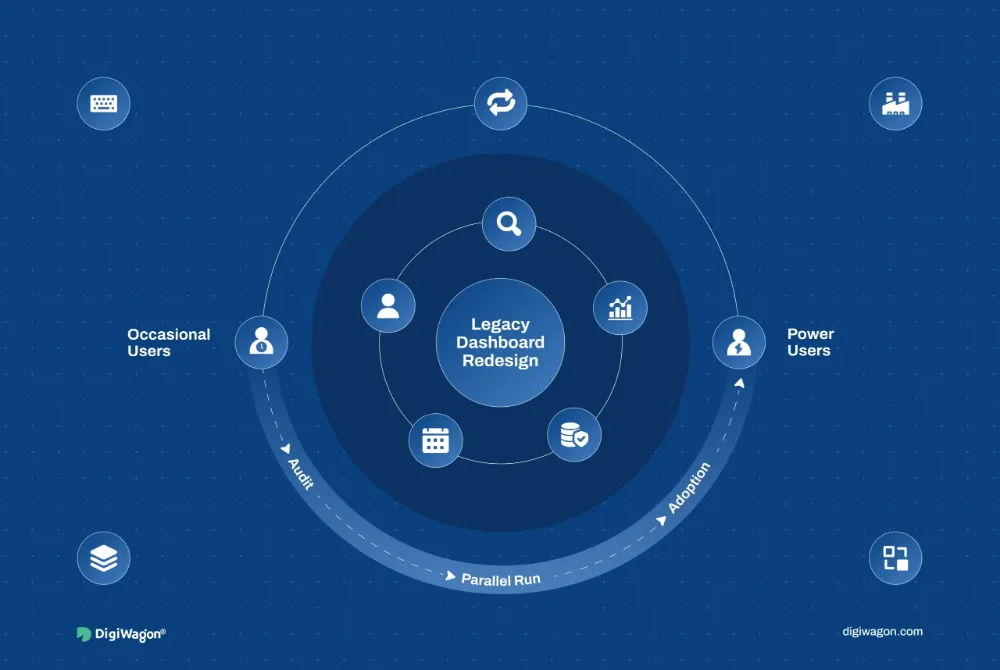
Redesigning a Legacy Dashboard Without Losing Power Users
Frequently Asked Questions About Custom Software Development
Straight answers about purpose-built applications, integration, modernization, delivery and where AI can add practical value.
01What is custom software development?
Custom software development creates digital products for requirements that standard products cannot handle well. That may involve specific operating processes, user roles, decision logic, integrations or other constraints that are unique to the organisation.
02When should a company consider custom software?
It is worth considering when ready-made tools create too many compromises, important processes are highly specific, several technologies have to work together, or the product itself is important to how the organisation delivers value.
03What does a custom software development company actually do?
A custom software development company helps take a specific requirement from idea to working product. The work can include discovery, process mapping, experience design, architecture, development, integration, testing and continued evolution after release.
04Can custom software work with our existing ERP, CRM or legacy systems?
Yes. A new product can sit alongside technology that already matters, connecting through APIs, integration layers or synchronized data flows. Replacing everything is rarely the starting assumption.
05How long does custom software development take?
It depends on scope, complexity, integrations, security requirements and the number of journeys involved. A focused product may take a few months, while larger enterprise initiatives are usually delivered in stages.
06Can an existing application be extended instead of replaced?
Yes. If the current foundation still has value, new capabilities, integrations, experiences or AI features can often be introduced without rebuilding the entire product.
07Can AI be part of a custom software application?
Yes. AI can be embedded where it has a clear job to do, such as search, document processing, recommendations, decision assistance, automation, forecasting or contextual support.
Available in
Custom Software Development, by market.
The same practice, written up for the teams that ask for it most: what changes in each market — hours, residency, regulation, payments — and the work that transfers. 8 market pages.
01
Dubai, United Arab Emirates
Custom software for UAE teams, built to the compliance the regulators here actually apply.
Whether it starts with a workflow, a complex business rule or an idea that needs its own application, we can help define what the software should do and how it should fit into the systems around it.
One click opens the assistant you already use with a question that points it at this page, so the answer comes from what we publish, not a guess.
The question it opens withRead https://digiwagon.com/custom-software-development-services and explain how DigiWagon runs a Custom Software Development engagement, what I should expect in the first 90 days, and how to judge whether a partner like this fits a team of our size. Stick to what the page says and mark anything you are not sure about.