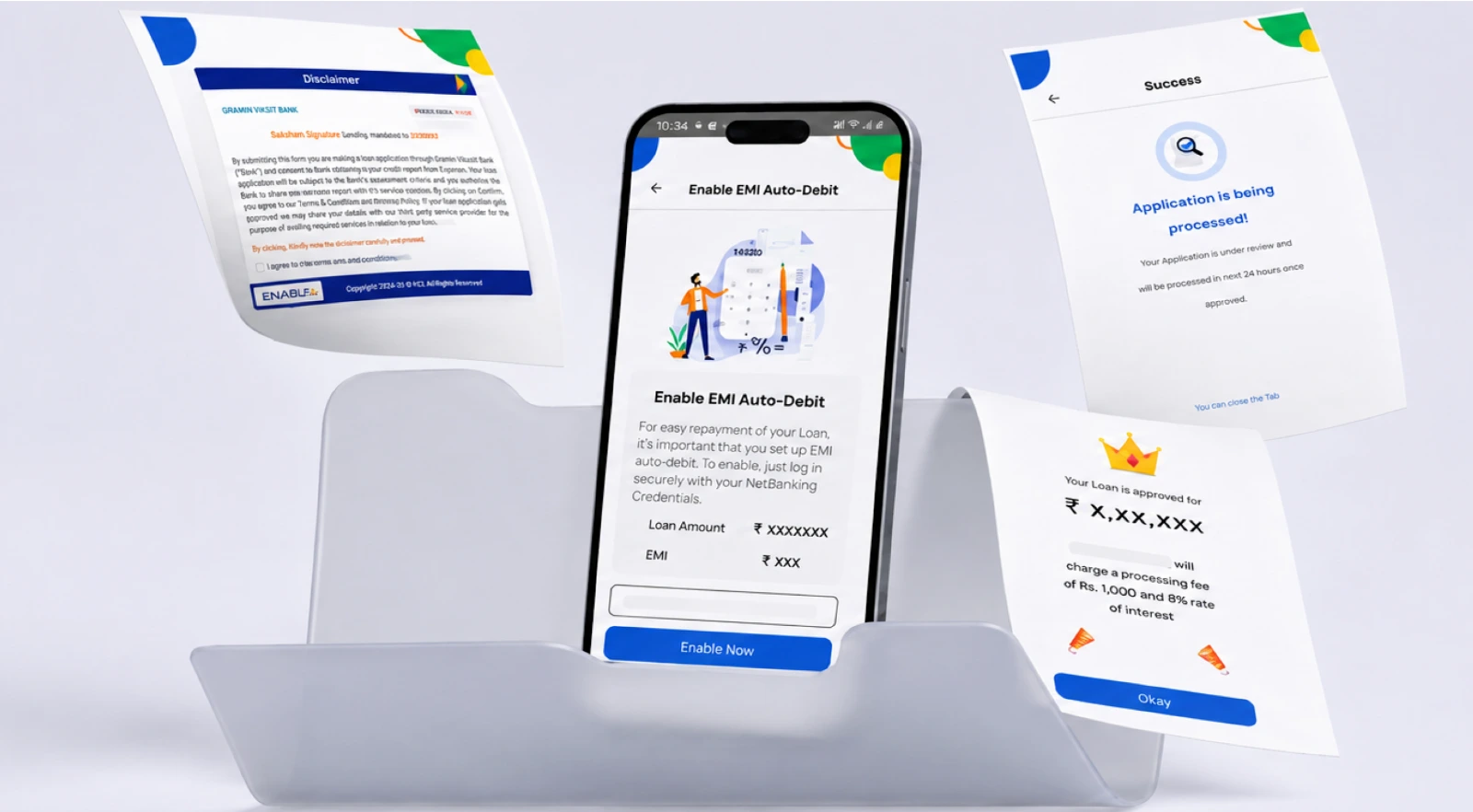
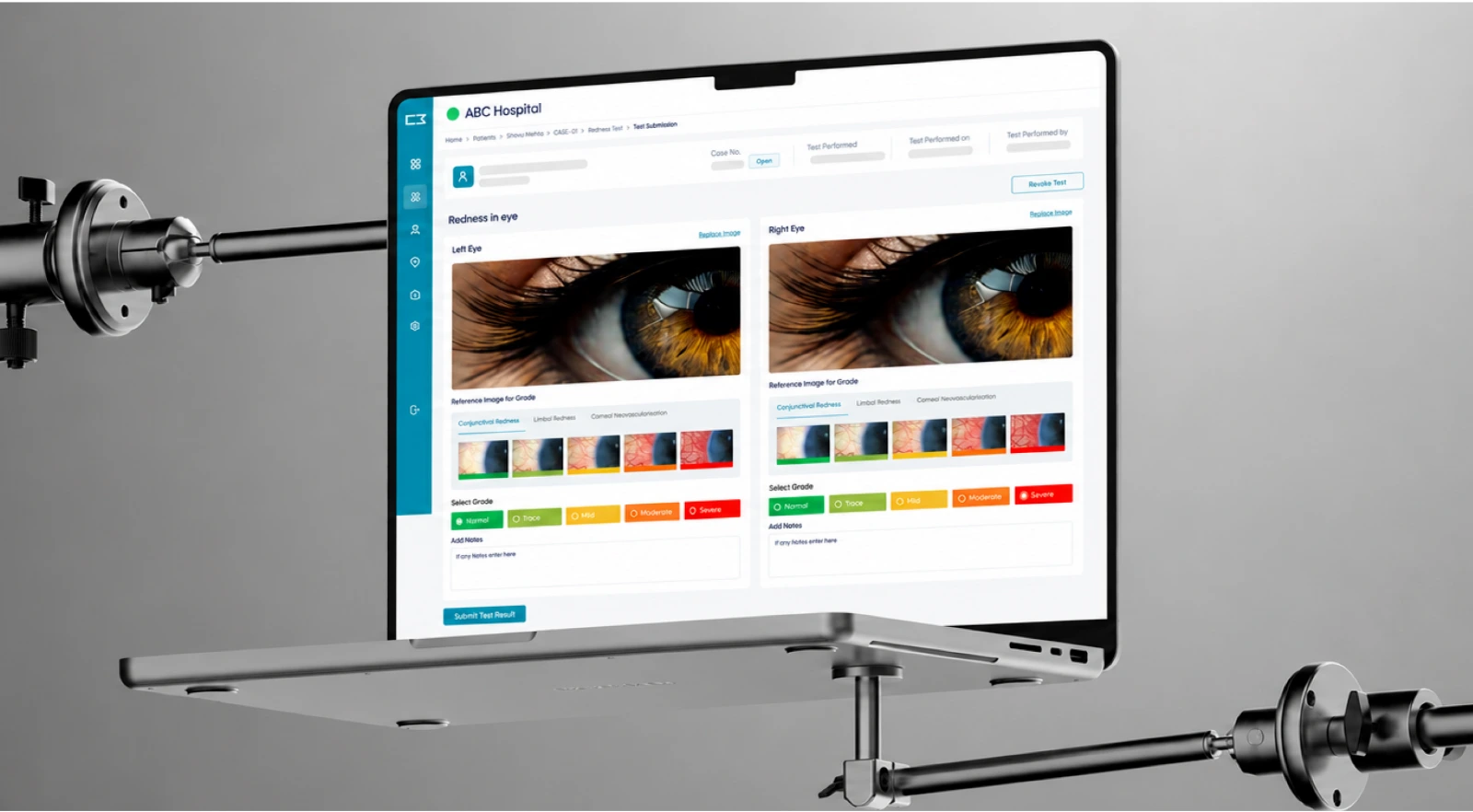
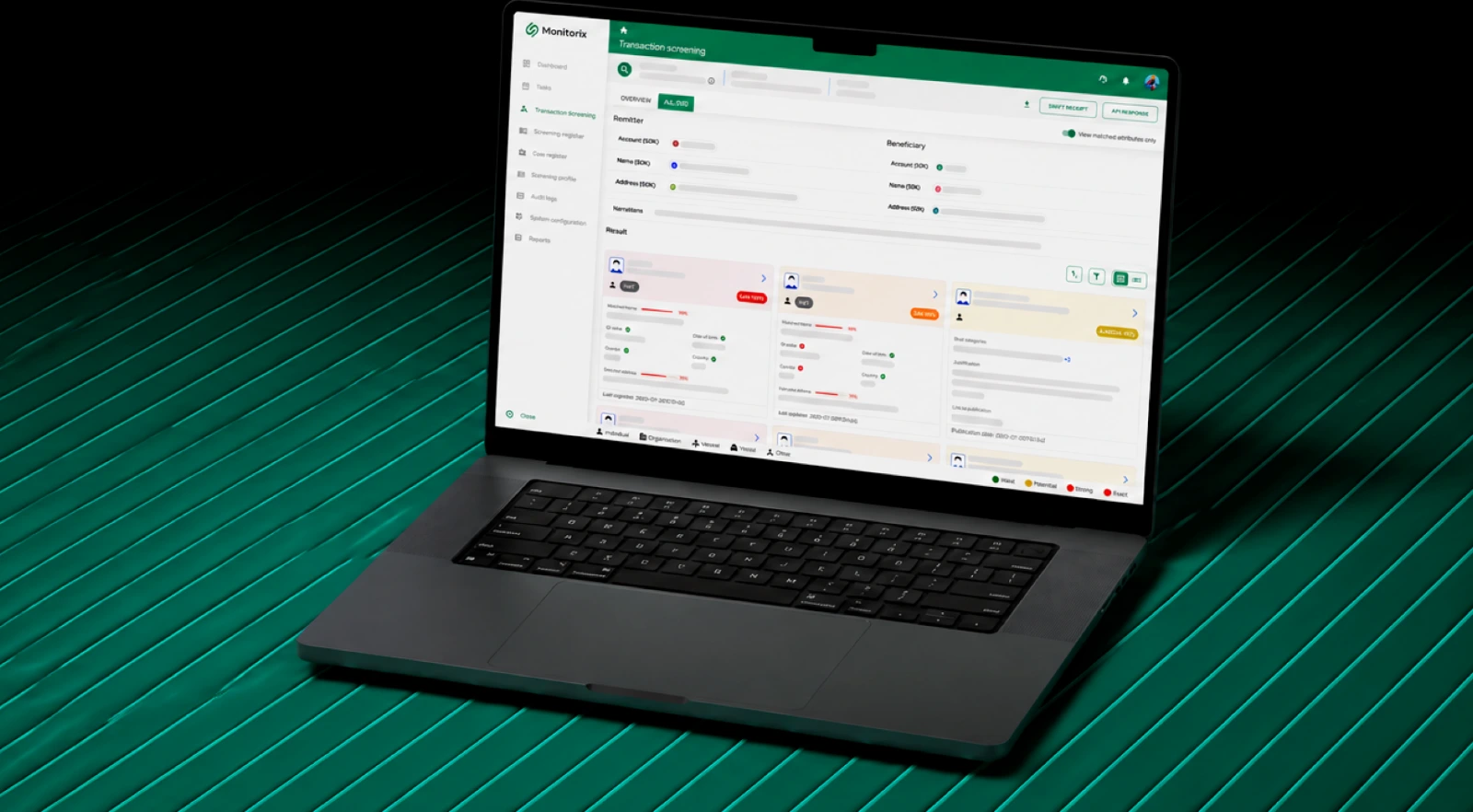
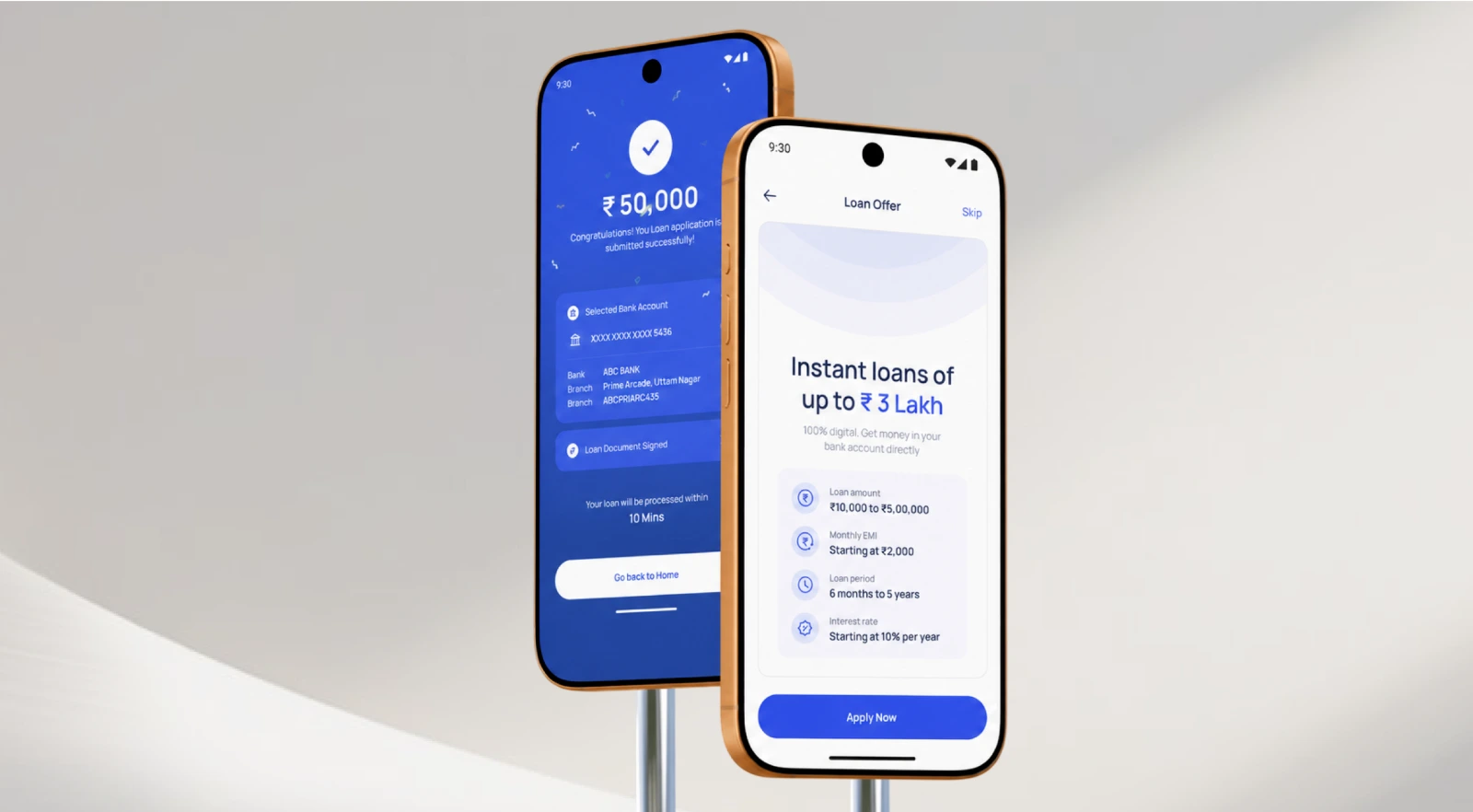
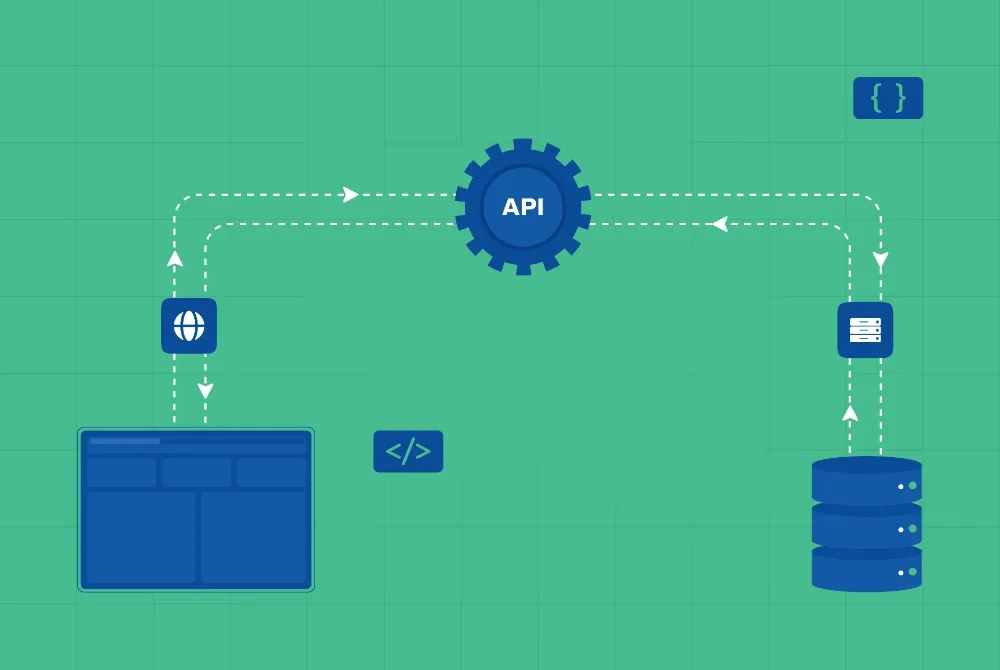
From real-time APIs to complex enterprise environments, each connection brings different requirements around security, timing, resilience and scale. We choose the integration approach around how each environment actually needs to operate.
01
API Integration Services
Create dependable API connections between internal platforms, external services and partner ecosystems, with security and change management considered from the start.
AI That Can Act Across Your Technology Environment
AI becomes far more useful when it can work with trusted information, call approved tools and take action across existing technology. Making that safe in production requires orchestration, retrieval, permissions, observability and control.
01
AI Orchestration & Agents
Connect models, tools, APIs and applications so AI agents can retrieve context and complete approved multi-step actions across systems.
Model Routing · Tool Calling · API Orchestration · Multi-Agent Coordination · Human Approval
02
Enterprise Data for AI
Give AI permission-aware access to CRM, ERP, knowledge sources, databases and other trusted operational information.
What has to connect, and how fast, changes completely by sector. A payment API measured in milliseconds and an overnight ERP reconciliation are both integration, and almost nothing about them is the same.
01 / 09
FinTech
01Core Banking
02Payment APIs
03CRM
04Real-Time Transactions
02 / 09
RegTech
01Compliance Platforms
02Rules Engines
03Audit Data
04Secure Data Exchange
03 / 09
InsurTech
01Policy Platforms
02Claims Systems
03Partner APIs
04Data Synchronization
04 / 09
Healthcare
01EHR/EMR
02Patient Data Exchange
03APIs
04Identity & Access
05 / 09
Manufacturing
01ERP
02MES
03IoT Data
04Supply Chain Systems
06 / 09
Retail & eCommerce
01ERP
02CRM
03OMS
04Inventory
05Payments
07 / 09
Logistics & Supply Chain
01TMS
02WMS
03Partner APIs
04Real-Time Tracking
08 / 09
SaaS & Technology
01SaaS Platforms
02Identity Providers
03Webhooks
04API Ecosystems
09 / 09
Defence
01Secure Interfaces
02Legacy Systems
03Controlled Data Exchange
04Identity & Access
Our work
Systems Integration in practice.
Engagements where this is what we actually built. 6 of them are written up in full.
We establish what actually has to move between which systems before choosing anything to move it with, then prove the connection behaves under failure rather than only on a good day.
01
Map What Moves
Establish which system owns which data, what has to move between them, how often, and what the business can tolerate when a connection is down.
Focus
SystemsData ownershipFrequencyTolerance
02
Choose the Pattern
Decide per connection between direct APIs, events, middleware or iPaaS, around the security, timing and resilience that environment actually needs.
Focus
APIs or eventsMiddlewareSecurityResilience
03
Prove It Under Failure
Test retries, duplicates, timeouts and vendor changes before go-live, so the integration stays predictable when something upstream does not.
Focus
IdempotencyRetriesContract testsMonitoring
04
Operate and Extend
Run it with the tracing and alerting to see what actually happened, and add the next connection without reopening the ones already working.
Focus
ObservabilityAlertingVersioningExtension
Map01 Map What MovesChoose02 Choose the PatternProve03 Prove It Under FailureOperate04 Operate and Extend
Insights
Thinking Behind Connected Systems.
Perspectives on APIs, orchestration, event-driven architecture and keeping information consistent across systems that were never designed together.
Data & Analytics
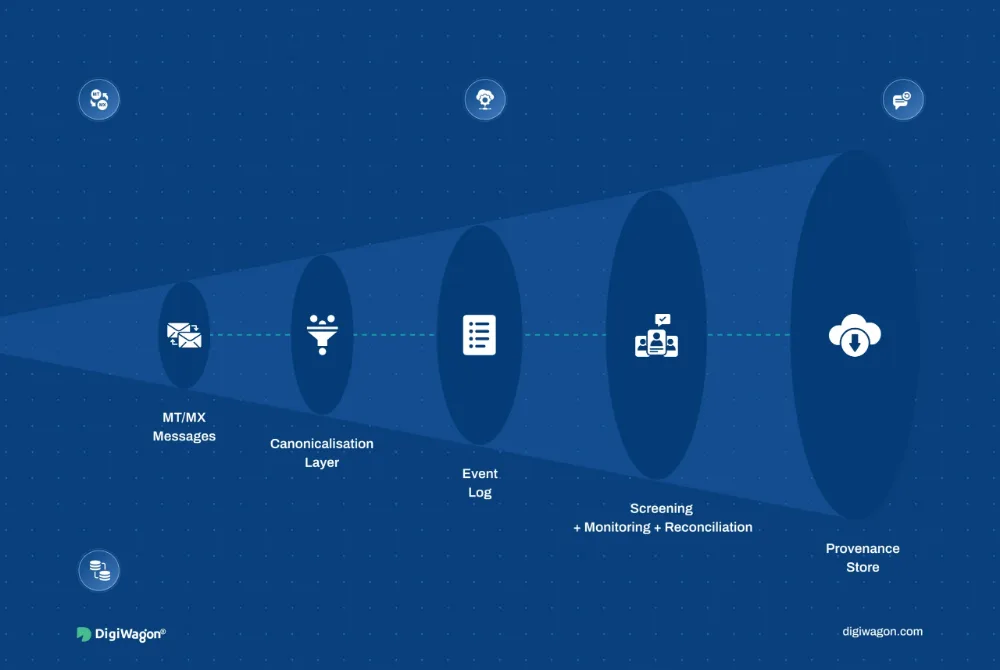
The SWIFT Orchestration Blueprint for Sub-Second Screening
· Rushabh Modi · 7 min read
Software Engineering
Guide to API-First Development: Building Scalable SaaS Products
Frequently Asked Questions About System Integration
Straight answers about API integration, ERP and CRM connections, iPaaS, idempotency, and what enterprise application integration actually involves.
01What do system integration services include?
System integration services typically include API integration, ERP and CRM integration, enterprise application integration, data synchronization, middleware, event-driven integration, and third-party system connectivity. The right approach depends on how information needs to move, how frequently the connected platforms change and how much downtime the business can tolerate.
02What is the difference between point-to-point integration, ESB, and iPaaS?
Point-to-point integration connects systems directly and works well for simple setups. ESB adds a centralized integration layer for more complex enterprise environments. iPaaS provides cloud-based integration tools and connectors. The best fit depends on scale, control, legacy constraints, and how quickly integrations need to change.
03How do you make an integration idempotent?
An idempotent integration is designed so the same request can be processed more than once without creating duplicate outcomes. This usually involves unique request identifiers, deduplication logic, safe retries and transaction controls, which are especially important when systems retry after timeouts or temporary failures.
04What happens when a vendor changes their API?
Vendor API changes can break authentication, payload structures, endpoints, or expected responses. Good integration design reduces that risk through versioning, abstraction layers, contract testing, monitoring and fallback handling, so upstream changes do not immediately disrupt the systems that depend on them.
Fewer Gaps. Better Flow.
Make data, actions and handoffs move smoothly across the tools your teams already depend on.
One click opens the assistant you already use with a question that points it at this page, so the answer comes from what we publish, not a guess.
The question it opens withRead https://digiwagon.com/systems-integration-services and explain how DigiWagon runs a Systems Integration engagement, what I should expect in the first 90 days, and how to judge whether a partner like this fits a team of our size. Stick to what the page says and mark anything you are not sure about.