Keep the Value. Lose the Friction. Legacy Application Modernization Should Do Both.
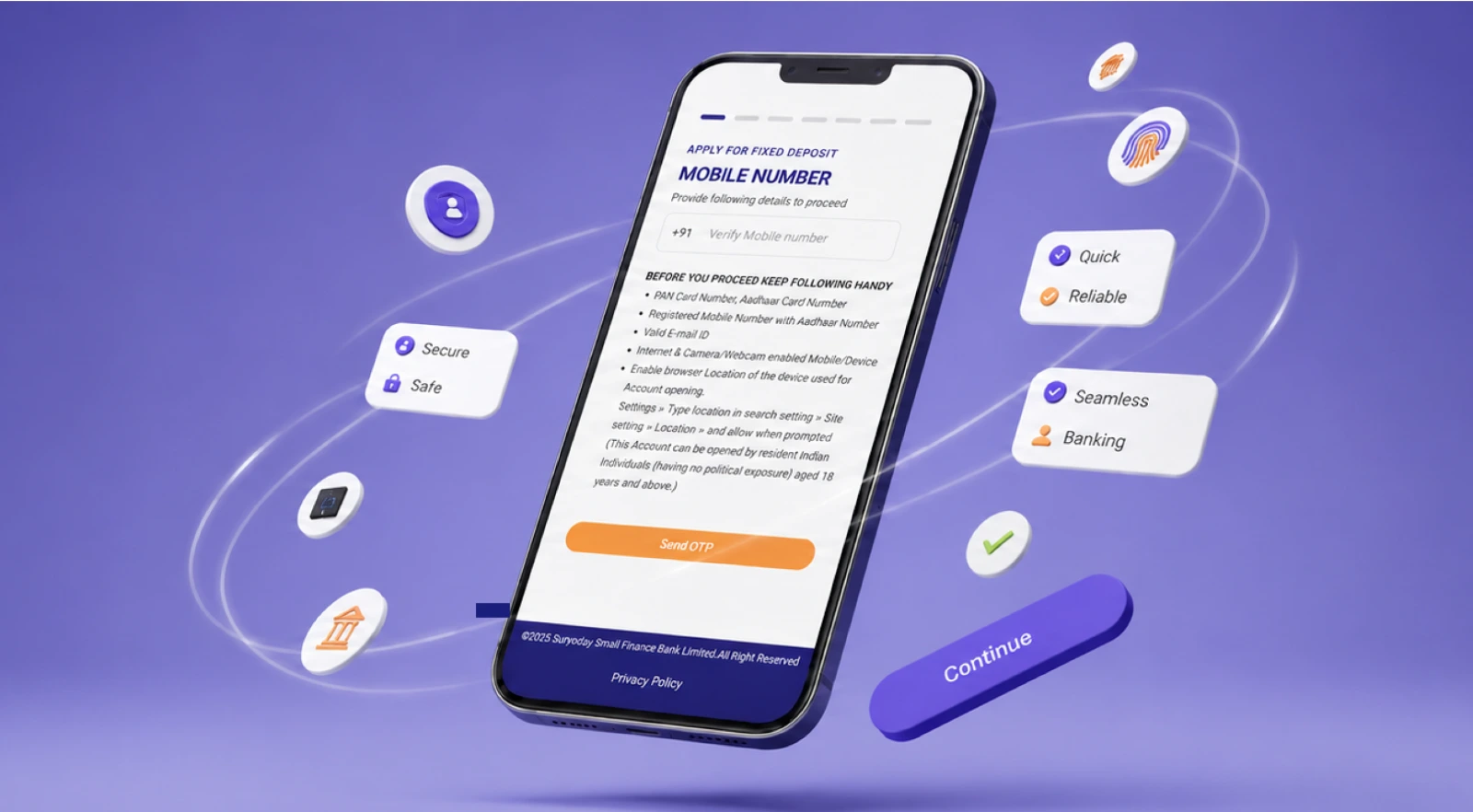
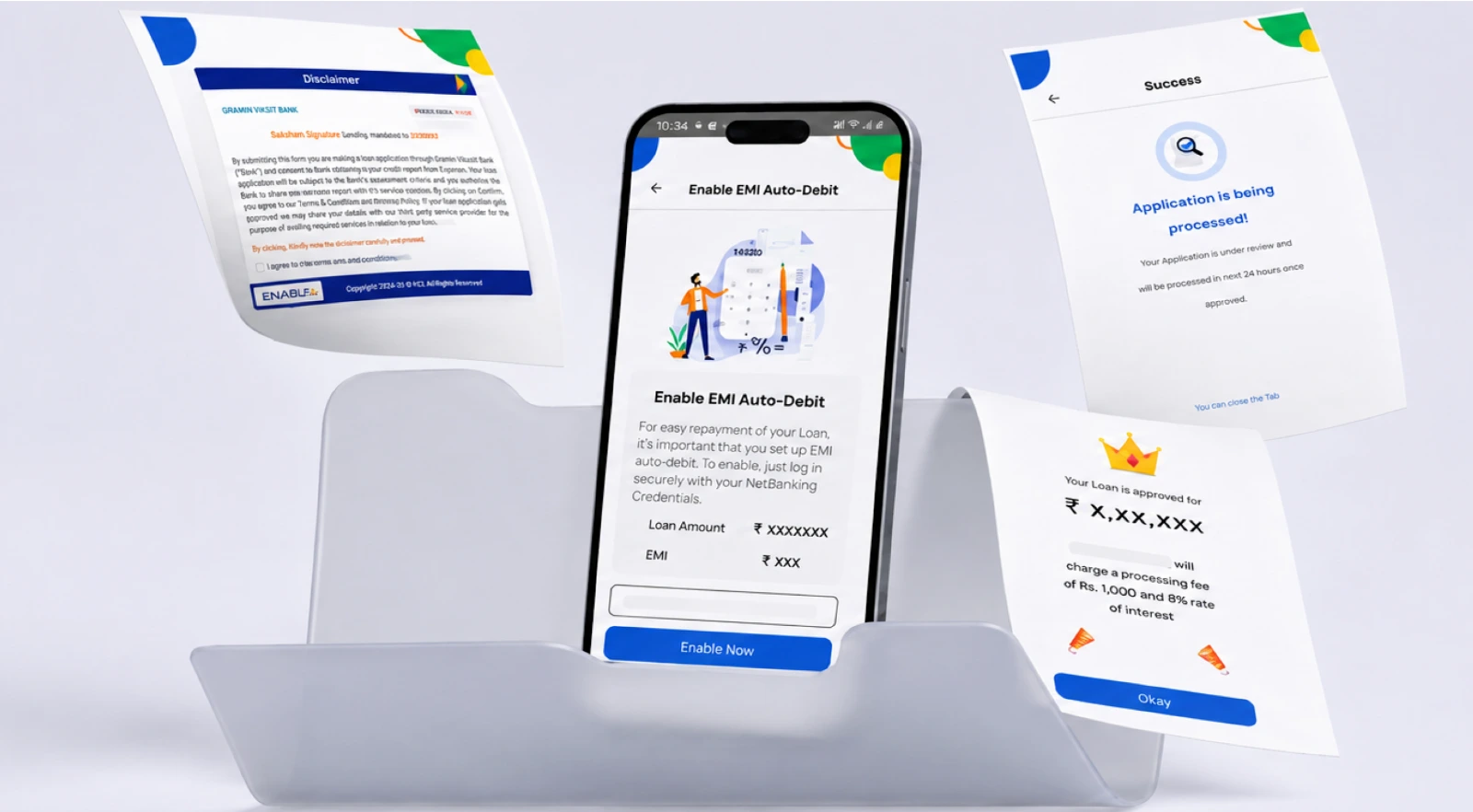
Modernization does not always mean replacing everything. We help improve legacy applications through refactoring, replatforming, cloud migration, API enablement and architecture modernization, while protecting the parts that still work.
Not every legacy application needs the same treatment. Some need cleaner code, some need a new runtime or architecture, and some simply need a better way to connect with newer systems.
01
Legacy Application & Technology Modernization
Improve outdated applications, frameworks, dependencies and runtimes that are slowing down change or increasing maintenance risk.
Expose legacy capabilities through modern APIs so older applications can work with newer products, services and external systems.
API DevelopmentAPI GatewaysService WrappersIntegration LayersIdentity & Access
AI in app modernization
AI Where Modernization Gets Complicated
AI can help teams understand older applications faster, uncover hidden dependencies and reduce the manual work involved in planning changes, while keeping engineering judgement in control.
01
Understand the Codebase
Use AI to summarize unfamiliar code, trace logic and surface areas that need closer review.
What is worth keeping and what has to change depends on the sector as much as the stack. Regulated environments, real-time operations and customer-facing platforms each put the pressure somewhere different.
01 / 09
FinTech
01Core System Integration
02API Enablement
03Cloud Migration
04Security Upgrades
02 / 09
RegTech
01Rules Modernization
02Audit Trails
03Data Integration
04Access Controls
03 / 09
InsurTech
01Legacy Workflow Modernization
02Data Migration
03API Integration
04Platform Upgrades
04 / 09
Healthcare
01System Integration
02Data Migration
03API Enablement
04Security Modernization
05 / 09
Manufacturing
01Legacy System Integration
02Application Migration
03Real-Time Data
04Platform Modernization
06 / 09
Retail & eCommerce
01Commerce Modernization
02Integration Layers
03API Enablement
04Platform Migration
07 / 09
Logistics & Supply Chain
01API Integration
02Event-Driven Architecture
03Data Synchronization
04Cloud Migration
08 / 09
SaaS & Technology
01Architecture Modernization
02API Modernization
03Cloud Migration
04Platform Scalability
09 / 09
Defence
01Legacy System Modernization
02Secure Architecture
03API Enablement
04Platform Migration
Our work
Software Engineering in practice.
Engagements from the wider Software Engineering practice this service sits in — 6 of them written up in full.
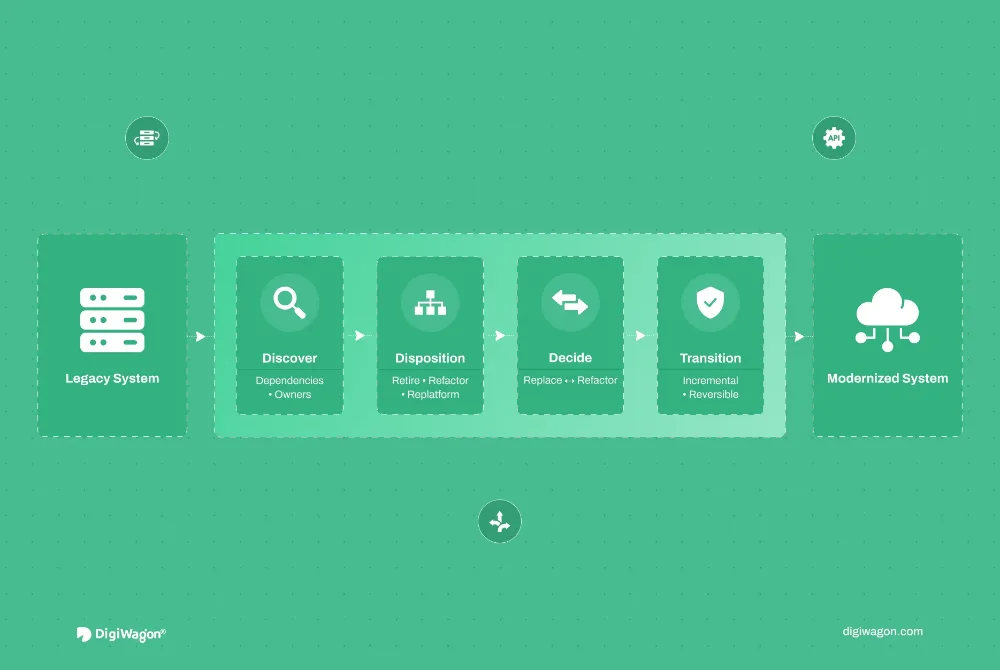
We start from what the application is actually costing you and which parts still earn their place, then change it in steps that can each be shipped, validated and reversed.
01
Assess What Still Works
Establish which parts of the application are worth keeping, what is genuinely limiting change, and where the dependencies actually run.
Focus
DependenciesTechnical debtRiskKeep vs change
02
Sequence the Change
Choose refactor, replatform or re-architect per component, and order the work so each step can ship without waiting for the one after it.
Focus
Refactor or replatformStrangler patternOrderScope
03
Prove Behaviour Holds
Validate that behaviour is unchanged where it should be, with the regression tests, the data checks and the rollback path agreed before any cutover.
Focus
RegressionData validationRollbackEvidence
04
Cut Over and Keep Going
Move in planned stages, run old and new side by side where that lowers risk, and retire legacy components once they are genuinely unused.
Focus
Phased cutoverParallel runRetirementMonitoring
Assess01 Assess What Still WorksSequence02 Sequence the ChangeProve03 Prove Behaviour HoldsCut over04 Cut Over and Keep Going
Insights
Thinking Behind Modernization.
Perspectives on legacy systems, replatforming, migration risk and changing software that the business is still running on.
Cloud & Platform Engineering
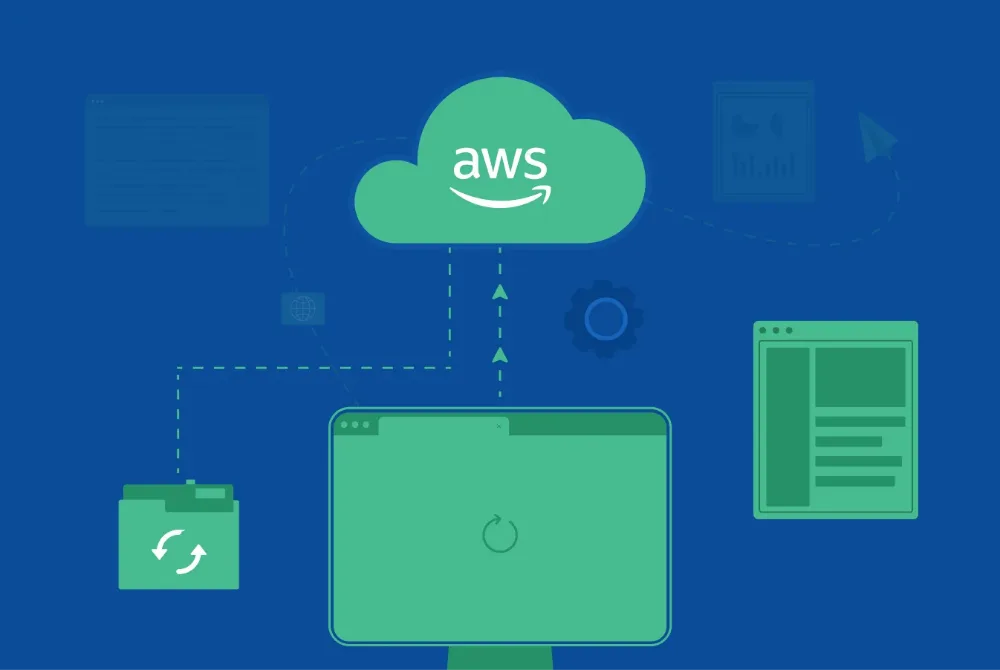
A Strategic Guide to On-Premise to AWS Migration for UK Businesses
· Akash Thakor · 6 min read
Software Engineering
Legacy System Modernization: The Decision Blueprint
· Rushabh Modi · 10 min read
Software Engineering
eCommerce Migration: A Strategic Risk Playbook for Enterprise Replatforming
Frequently Asked Questions About Application Modernization
Straight answers about refactoring, replatforming, the strangler pattern, data migration, and what legacy application modernization actually involves.
01What do application modernization services include?
Application modernization services can include code refactoring, framework and runtime upgrades, replatforming, re-architecture, cloud migration, API enablement and data migration. The right approach depends on what is limiting the application today, which parts actually need to change, and which are better left alone.
02What is the difference between refactoring, replatforming and rewriting?
Refactoring improves the existing code without changing its core behavior. Replatforming moves the application to a new runtime, platform, or infrastructure with limited code changes. Rewriting replaces large parts of the application and usually involves more cost, effort, and risk.
03What is the strangler pattern in application modernization?
The strangler pattern replaces a legacy application gradually. New functionality is introduced alongside the existing system, while older components are retired step by step. This allows modernization to happen without relying on a single large replacement, and each step can be released and reversed on its own.
04How do you migrate application data without downtime?
Data migration without downtime usually involves phased migration, replication, synchronization, and a carefully planned cutover. The exact approach depends on data volume, transaction frequency, and system dependencies, with rollback and validation planned before the final switch to manage continuity and cutover risk.
Available in
Application Modernization, by market.
The same practice, written up for the teams that ask for it most: what changes in each market — hours, residency, regulation, payments — and the work that transfers. One market page so far.
01
London, United Kingdom
Sequencing, trade-offs and what to modernise first — a plan that ships.
One click opens the assistant you already use with a question that points it at this page, so the answer comes from what we publish, not a guess.
The question it opens withRead https://digiwagon.com/application-modernization-services and explain how DigiWagon runs a Application Modernization engagement, what I should expect in the first 90 days, and how to judge whether a partner like this fits a team of our size. Stick to what the page says and mark anything you are not sure about.