Set the Product Direction Before Development Starts
Define who the product is for, what problem it should solve and what deserves to be in scope, using product discovery, market context and technical feasibility to create a practical path into design and development.
Every review adds a feature and none removes one, the launch date moves with it, and nobody can say which parts are actually needed to prove the idea works.
What we would run
What you could end up with
An MVP defined as the smallest thing that can prove the core value
Features ranked on user value and learning value, not on who asked
The trade-offs written down, so a later addition has to argue with them
What it works with
The full wish list, exactly as long as it currently is
The one assumption the first release has to validate
The first solution is not always the strongest one. We combine product thinking, UX context and AI-assisted exploration to uncover alternative approaches before the product direction is locked.
01
Alternative Solution Paths
Explore different ways the same user problem could be solved, from simpler journeys and automation to new product capabilities.
User Need · Business Value · Experience Impact · Solution Alternatives
02
Feature Value & Trade-Offs
Challenge whether proposed features are essential, whether they can be simplified and whether another capability could solve the problem more effectively.
Feature Value · Complexity · Dependencies · MVP Relevance
03
Journey Opportunities
Examine how the solution fits real user behavior and identify where steps, decisions or handoffs could be reduced before the interface is designed.
The right product direction depends on how users behave, what the market expects, and where complexity, regulation, or operational constraints shape the solution.
01 / 09
FinTech
01Digital Onboarding
02Lending Products
03Payment Experiences
04Financial Platforms
05MVP Strategy
02 / 09
RegTech
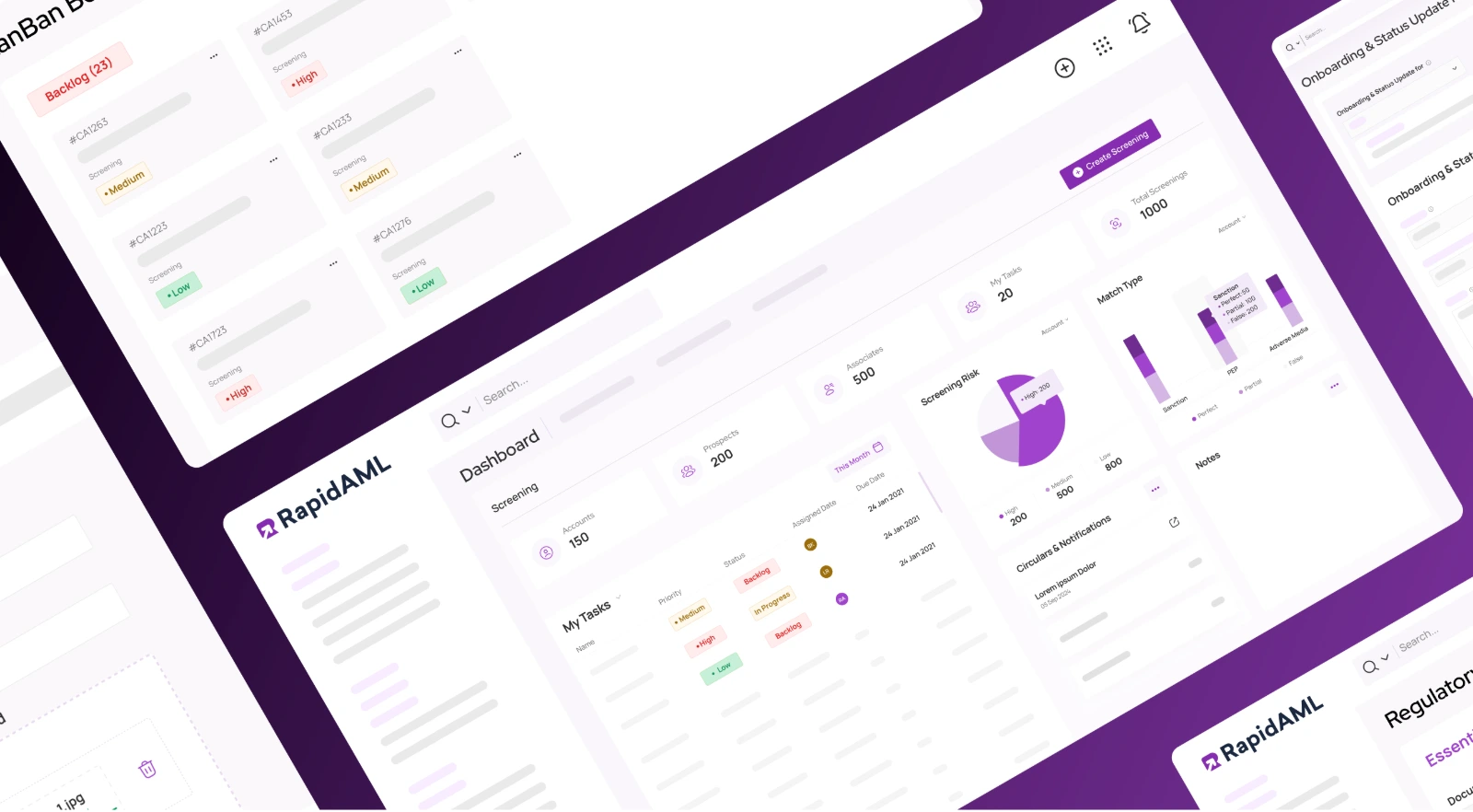
01Compliance Products
02Case Management
03Approval Journeys
04Risk Workflows
05Product Validation
03 / 09
InsurTech
01Quote & Claims Products
02Agent Platforms
03Policy Management
04Customer Self-Service
05Digital Product Roadmaps
04 / 09
Healthcare
01Patient Platforms
02Clinical Products
03Care Journeys
04HealthTech MVPs
05Accessibility Considerations
05 / 09
Manufacturing
01Operational Platforms
02Shop-Floor Products
03Asset Management
04Workflow Digitisation
05Product Modernization
06 / 09
Retail & eCommerce
01Commerce Platforms
02Commerce Discovery
03Checkout Journeys
04Loyalty Products
05Mobile Commerce
07 / 09
Logistics & Supply Chain
01Tracking Platforms
02Warehouse Products
03Fleet Solutions
04Exception Management
05Operational Journeys
08 / 09
SaaS & Technology
01SaaS Products
02MVP Definition
03Product Roadmaps
04Feature Prioritisation
05Platform Strategy
09 / 09
Defence
01Operational Platforms
02Mission-Critical Products
03Decision Support
04Role-Based Systems
05Product Feasibility
Our work
Product Strategy & Discovery in practice.
Engagements where this is what we actually built. 2 of them are written up in full.
We start from the decision that is blocking the build rather than from a template, test the assumptions the plan rests on, and finish with a scope somebody can defend when the next feature is proposed.
01
Align on the Problem
Get the problem, the target user and the business outcome stated once, in words everyone funding and building the product recognises — including the parts they disagree about.
Focus
ProblemUsersOutcomeDisagreements
02
Validate the Assumptions
Name the beliefs the plan depends on, then test the riskiest against market context, competitor reality and real users before they are expensive to reverse.
Focus
AssumptionsMarketCompetitorsConcepts
03
Scope the First Release
Define the smallest version that can prove the core value, and rank everything else on user value, learning value and dependency rather than on who asked for it.
Focus
MVPPrioritiesTrade-offsRequirements
04
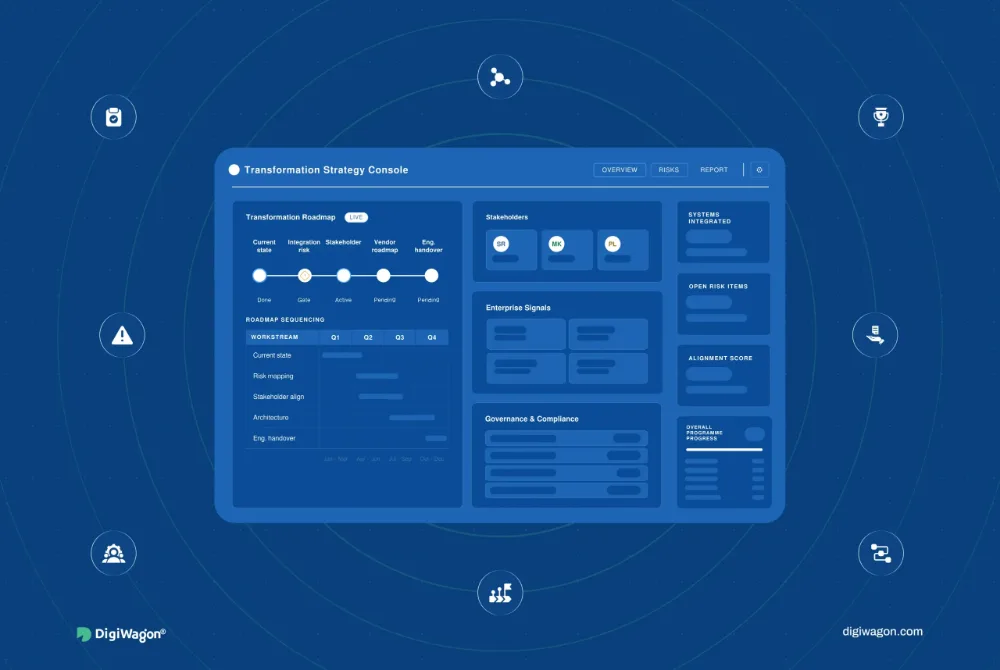
Sequence the Build
Turn the decisions into a roadmap the delivery team has already seen, with dependencies mapped and feasibility checked, so the order of work is chosen rather than discovered.
Focus
RoadmapFeasibilityDependenciesHandover
Align01 Align on the ProblemValidate02 Validate the AssumptionsScope03 Scope the First ReleaseSequence04 Sequence the Build
Insights
Thinking Before the Build.
Field notes on scoping, product decisions and the trade-offs that decide whether a first release proves anything worth knowing.
Software Engineering
Manufacturing Digital Transformation Roadmap: From Strategy Consulting to Rollout
· Kartik Gajjar · 6 min read
Software Engineering
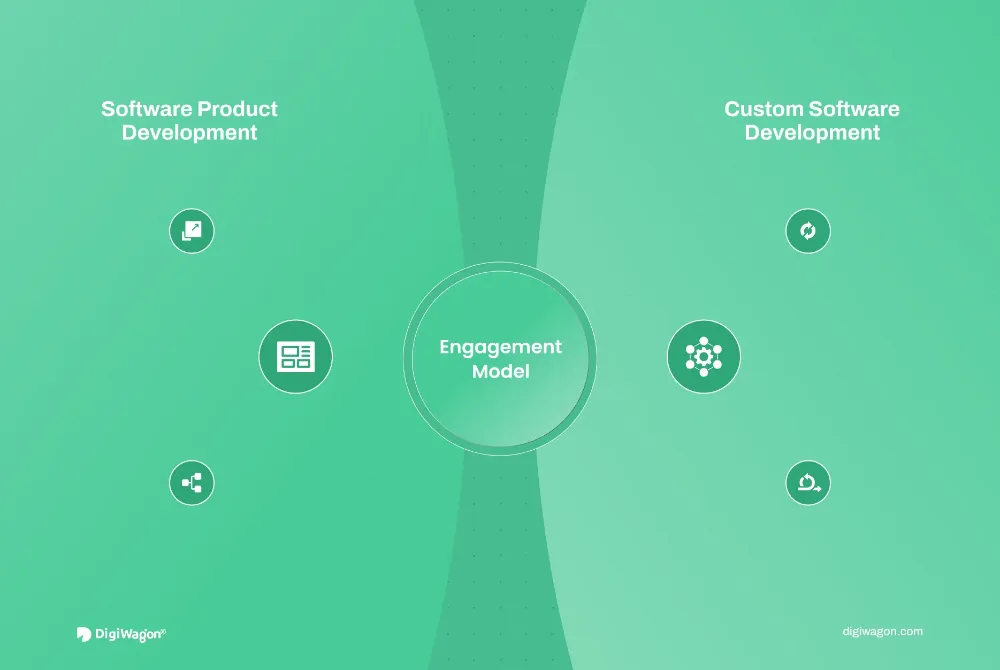
Software Product Development vs. Custom Software: How to Choose
· Charmi Shah · 7 min read
Software Engineering
SaaS Consulting Playbook: When to Rebuild, Refactor, or Buy
Straight answers on what product discovery services actually deliver, what belongs in an MVP, how a discovery sprint differs from full discovery, and when product strategy consulting is worth the delay.
01What does a product discovery engagement include?
Product discovery can include workshops, problem definition, market and competitor analysis, user journeys, concept validation, MVP definition, feature prioritization, technical feasibility, and roadmap planning. You also receive practical documentation such as product requirements, prioritized scope, and decision-ready recommendations for design and development.
02What belongs in an MVP?
An MVP should contain the smallest set of capabilities needed to test the product’s core value with real users. It should focus on the essential journey, critical features, and the assumptions that need validating first, while leaving lower-priority functionality for later iterations.
03What is the difference between a discovery sprint and full product discovery?
A discovery sprint is typically narrower and focused on resolving a specific product question quickly. Full product discovery goes deeper across users, market context, solution options, technical feasibility, scope and roadmap. The right approach depends on how much uncertainty exists around the product direction.
04How do you decide what to cut from MVP scope?
We look at user value, business importance, technical dependency, learning value, and whether a feature is essential to proving the core proposition. Features that add complexity without helping validate the main product assumption are usually better deferred until the direction is proven.
05When should product strategy happen?
Product strategy is most useful when the product idea is still evolving; the scope is becoming difficult to control, teams disagree on priorities, or a major investment decision is approaching. It can also help existing products reassess positioning, roadmap priorities or new opportunities before significant design and development work begins.
Move From Idea to Defined Scope
Clarify the problem, priorities and solution before more time and budget move into design and development.
One click opens the assistant you already use with a question that points it at this page, so the answer comes from what we publish, not a guess.
The question it opens withRead https://digiwagon.com/product-strategy-discovery-services and explain how DigiWagon runs a MVP Development Services and Product Discovery engagement, what I should expect in the first 90 days, and how to judge whether a partner like this fits a team of our size. Stick to what the page says and mark anything you are not sure about.