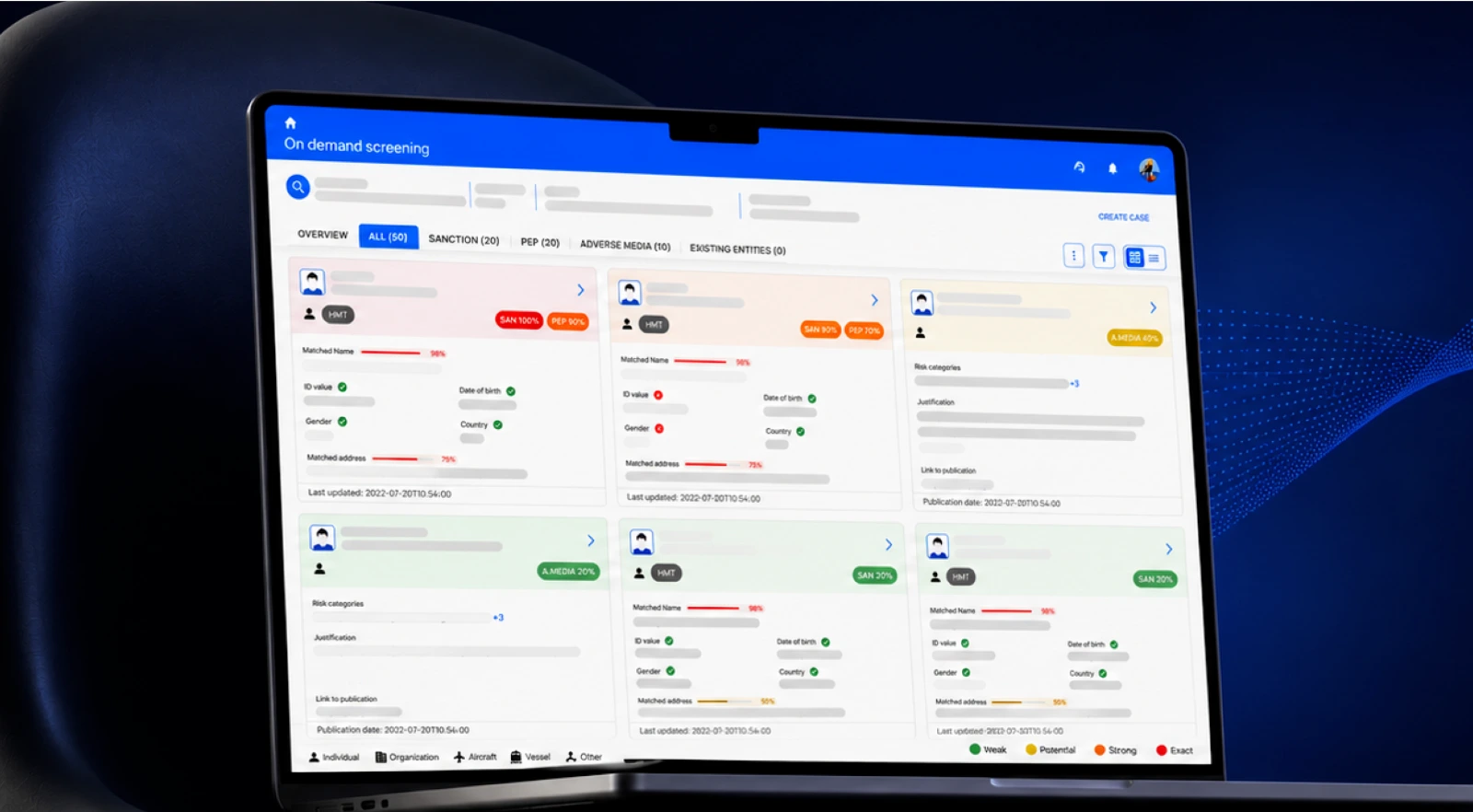
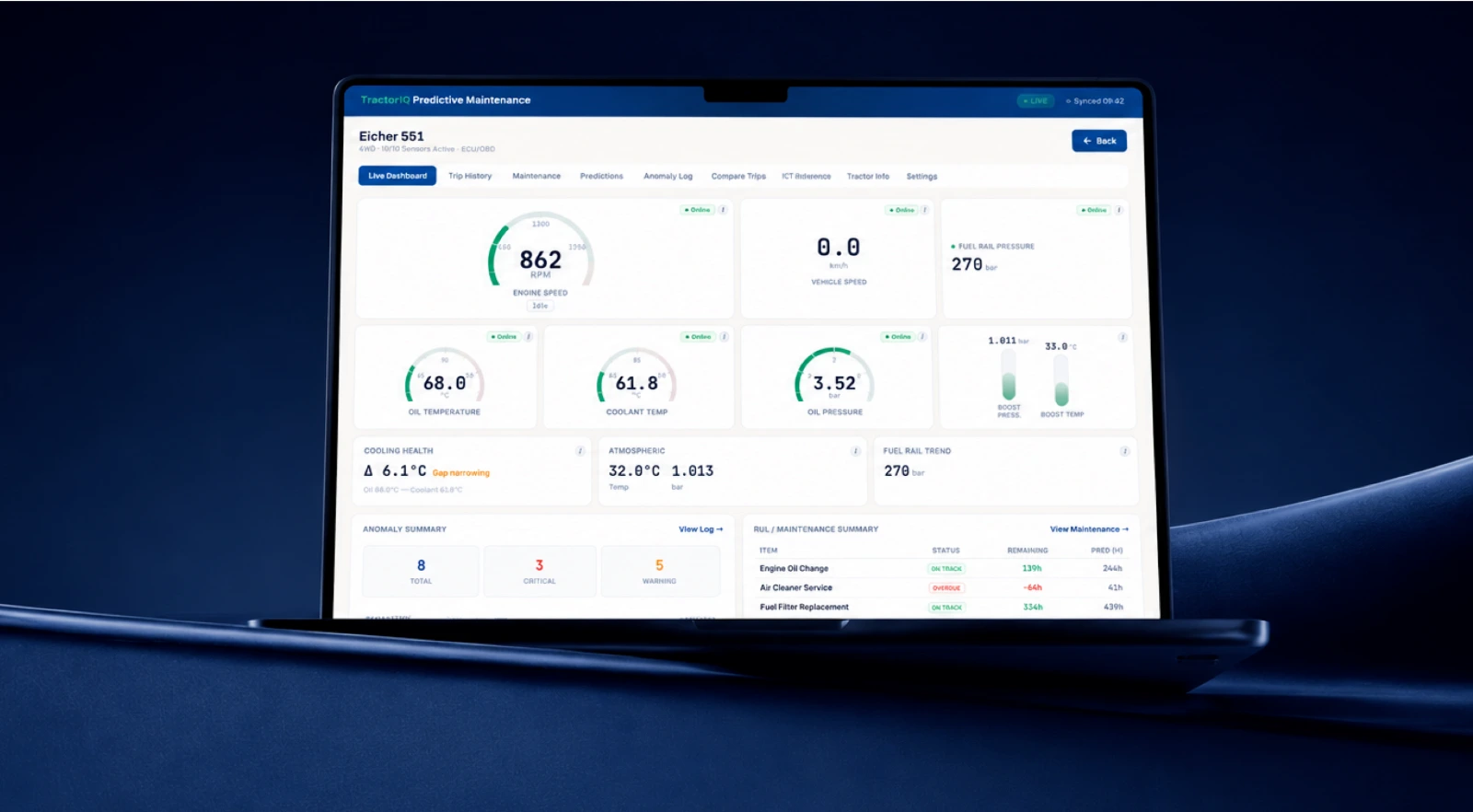
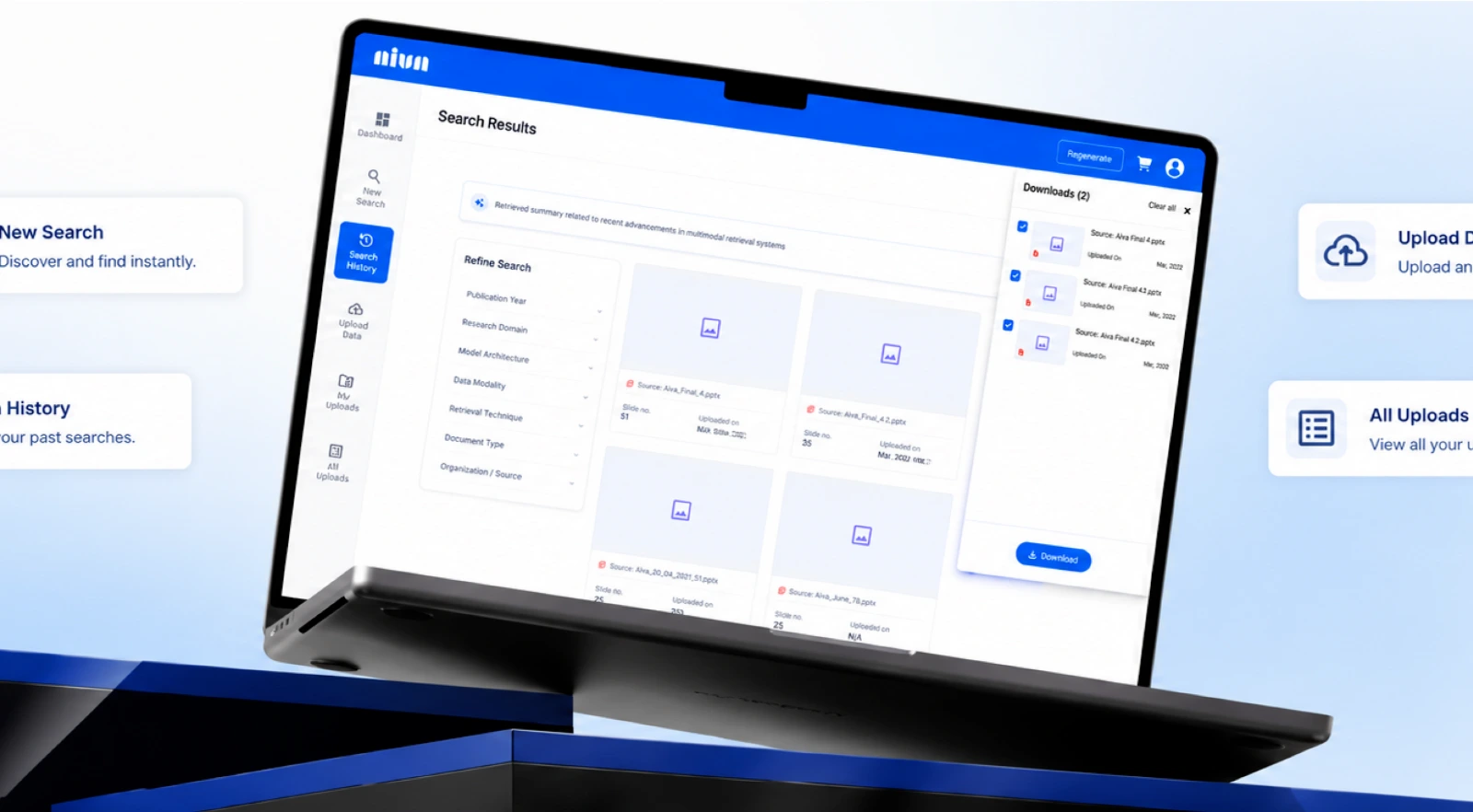
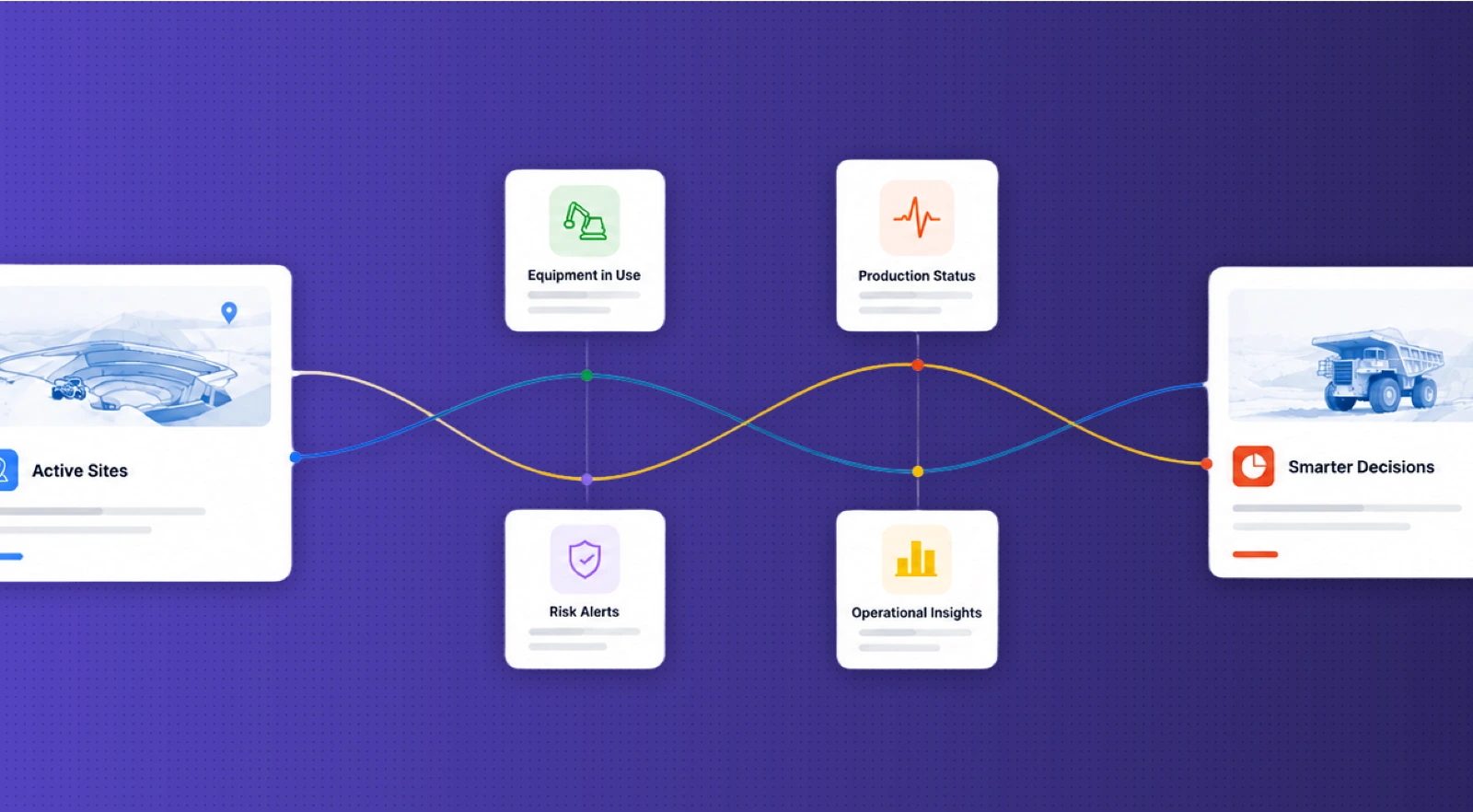
We design AI agents that can reason, use tools, coordinate steps and take approved actions across connected business systems, with permissions, observability, human oversight and failure handling considered from the start.
Pick the situation closest to yours. We'll show what we would build and where it sits in the range below.
Pick the situation closest to yours
The situation
One Role Is All Repetitive Steps
A specific operational job is the same sequence every time — look something up, check it, update a system, move it on — and a person is doing all of it.
What we would build
What you could end up with
A task-oriented agent scoped to one operational role
The automation is technically ready and the business will not switch it on, because there is no point at which a person can see or stop what it is about to do.
What we would build
What you could end up with
Approval gates in front of the actions that warrant them
Escalation paths for risk, ambiguity and exceptions
Intervention controls a reviewer can actually reach in time
What it works with
Which actions need a human and which genuinely do not
An agent that cannot read the CRM, the ERP or the operational database is guessing, and an agent that can read all of them without limits is a security problem.
What we would build
What you could end up with
Controlled connections to APIs, CRMs, ERPs and internal tools
Tool permissions scoped per agent, not per platform
Something went wrong in production and the only record is the outcome — not which tools were called, what the agent was working from, or why it chose that path.
What we would build
What you could end up with
Tracing across reasoning, tool calls, failures and outcomes
Audit logs and policy controls that hold up to review
Reliable AI agents depend on more than reasoning. They need the right tools, context, permissions, orchestration and control around every action they take.
01
AI Agent Development
Create task-oriented agents for specific operational roles, with defined tools, context, actions and control boundaries.
Connect agents securely with APIs, CRMs, ERPs, databases and internal tools so they can work with real operational context.
APIsEnterprise SystemsTool PermissionsData Access
06
Agent Governance & Observability
Track agent behaviour, tool usage, failures, cost and outcomes while enforcing permissions, policies and auditability. Select or route reasoning models based on task complexity, latency, tool requirements and cost.
Agent design is less about making AI “more autonomous” and more about deciding what it can do safely, what needs approval and where control must remain explicit.
01
Observe
Reads context and surfaces information.
02
Recommend
Suggests next actions but does not execute them.
03
Assist
Uses tools with user confirmation.
04
Act
Executes defined actions within permissions.
05
Coordinate
Manages multi-step work across tools and agents.
06
Escalate to Human
Hands decisions back to people when risk, ambiguity or exceptions exceed defined limits.
Industry context
How AI Agents Are Applied Across Industries
What an agent is allowed to decide on its own is a sector question before it is a technical one. The same agent design that is routine in retail operations needs an approval gate in lending and a second reviewer in claims.
01 / 09
FinTech
01Loan Servicing Agents
02Operations Assistance
03Collections Support
04Compliance Handoffs
02 / 09
RegTech
01Regulatory Monitoring
02Evidence Gathering
03Review Coordination
04Escalation Support
03 / 09
InsurTech
01Claims Assistance
02Underwriting Coordination
03Document Follow-Up
04Broker Support
04 / 09
Healthcare
01Administrative Agents
02Scheduling Assistance
03Documentation Follow-Up
04Internal Support
05 / 09
Manufacturing
01Maintenance Coordination
02Operations Support
03SOP-Driven Task Assistance
04Exception Handling
06 / 09
Retail & eCommerce
01Customer Service Agents
02Order Assistance
03Product Operations
04Returns Coordination
07 / 09
Logistics & Supply Chain
01Shipment Exception Handling
02Partner Coordination
03Documentation Follow-Up
04Operations Support
08 / 09
SaaS & Technology
01Support Agents
02Product Operations
03Internal IT Assistance
04Customer Onboarding
09 / 09
Defence
01Controlled Information Assistance
02Role-Based Task Coordination
03Human-Reviewed Operational Support
Our work
AI & Machine Learning in practice.
Engagements from the wider AI & Machine Learning practice this service sits in — 4 of them written up in full.
We settle what the agent is for and what it may not do before giving it a single tool, then raise its autonomy one rung at a time against evidence rather than optimism.
01
Define the Job and the Limits
Establish the operational role the agent is taking on, what a wrong action would cost, and the boundary it must never cross — before any of it is built.
Focus
The roleCost of errorBoundariesSuccess measure
02
Connect the Tools
Give the agent controlled access to the APIs, CRMs, ERPs and internal systems it genuinely needs, with permissions scoped per agent rather than per platform.
Focus
ToolsPermissionsData accessIdentity
03
Decide the Autonomy
Place each action on the framework above — observe, recommend, assist, act, coordinate or escalate — and put approval gates where the impact warrants them.
Focus
Autonomy levelApproval gatesEscalationRecovery
04
Observe and Govern
Run it with tracing across reasoning, tool calls, failures and cost, so a change in behaviour is something you can see and explain rather than infer.
Focus
TracingAudit logsCostEvaluation
Define01 Define the Job and the LimitsConnect02 Connect the ToolsDecide03 Decide the AutonomyGovern04 Observe and Govern
Insights
Thinking Behind AI Agents.
Perspectives on agent architecture, orchestration and governance — what has to be true before an agent is allowed to act on anything that matters.
AI & Machine Learning
The Rise of Autonomous AI Agents: Next-Gen Automation for US and UK Enterprises
· Akash Thakor · 7 min read
Software Engineering
The Agent Economy: How to Architect SaaS Platforms for Multi Agent AI Orchestration in 2026
· Akash Thakor · 5 min read
AI & Machine Learning
AI Agent Security in the Cloud: A Blueprint for Preventing Autonomous Threats in FinTech
Straight answers on agentic AI, multi-agent systems, human approval and how agents connect to the business systems they act on.
01What is an AI agent?
An AI agent is a system that can interpret a goal, reason about what to do next, use tools or data, and take actions within defined boundaries. Unlike a basic chatbot, an agent can move through multiple steps, maintain context, and interact with external systems to complete a task.
02What is the difference between agentic AI and traditional automation?
Traditional automation follows predefined rules and fixed workflows. Agentic AI can interpret context, choose between available actions and adapt its next step based on what happens during execution. The right approach depends on how much variability, judgement, and control the task requires.
03How do multi-agent systems work?
Multi-agent systems use several specialised agents that collaborate on a larger objective. Individual agents may handle different roles, tools, or tasks, while an orchestration layer manages delegation, shared context, sequencing, and handoffs between them. Splitting the work this way keeps each agent's context small enough to reason about, and makes the handoffs traceable afterwards.
04When should an AI agent use human approval?
Human approval is important when an action has financial, regulatory, operational, or customer impact, or when the agent is uncertain about the next step. Approval gates can be added before sensitive actions, while lower-risk tasks can continue automatically within predefined permissions.
05How do AI agents connect with business systems?
AI agents can connect with APIs, databases, CRMs, ERPs and internal tools through controlled integrations. The agent uses these connections to retrieve context or perform approved actions, while permissions and validation determine what it can access, change or trigger. Scoping those permissions per agent, rather than per platform, is what makes the connection reviewable.
06How do you monitor and govern AI agents?
Agent governance combines permissions, policy controls, audit trails and human oversight with observability across tool usage, failures, latency, cost and task outcomes. Evaluation and tracing help teams understand why an agent acted in a certain way and where its behaviour needs adjustment.
Give AI Agents a Clear Job and Clear Boundaries
We help define the reasoning, tools, permissions, approvals and controls needed to move from an agent concept to reliable real-world execution.
One click opens the assistant you already use with a question that points it at this page, so the answer comes from what we publish, not a guess.
The question it opens withRead https://digiwagon.com/ai-agent-development-service and explain how DigiWagon runs a AI Agent Development Company engagement, what I should expect in the first 90 days, and how to judge whether a partner like this fits a team of our size. Stick to what the page says and mark anything you are not sure about.