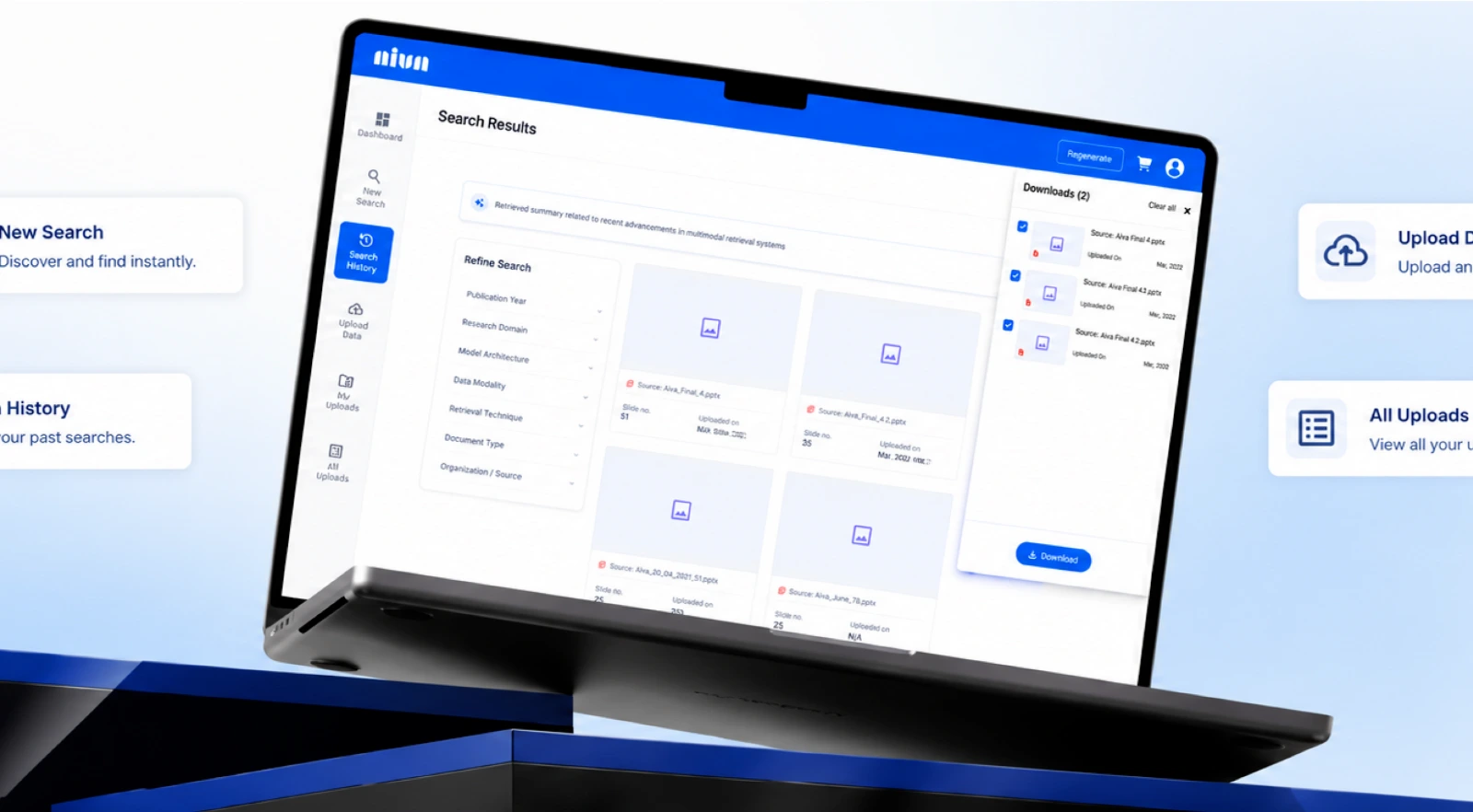
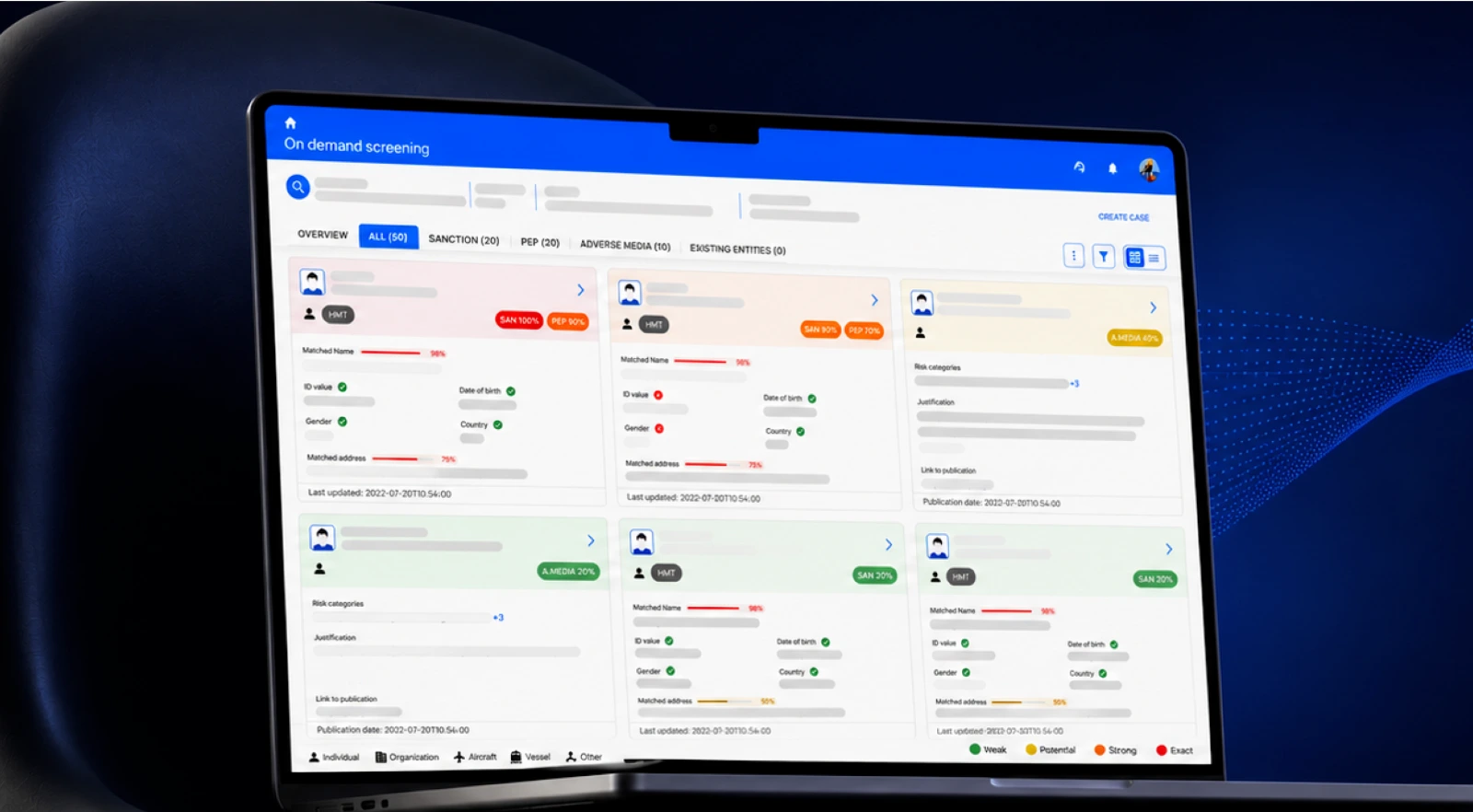
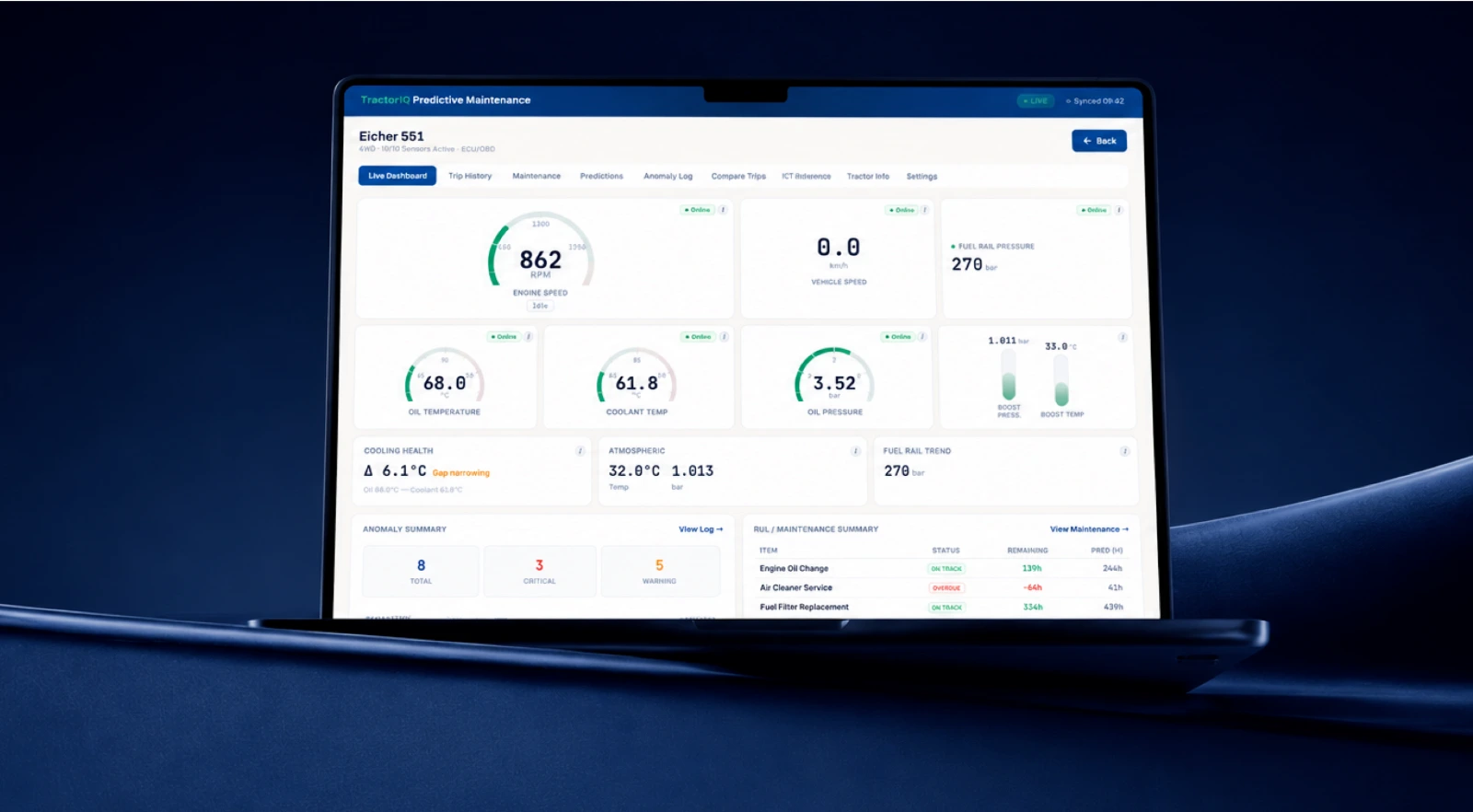
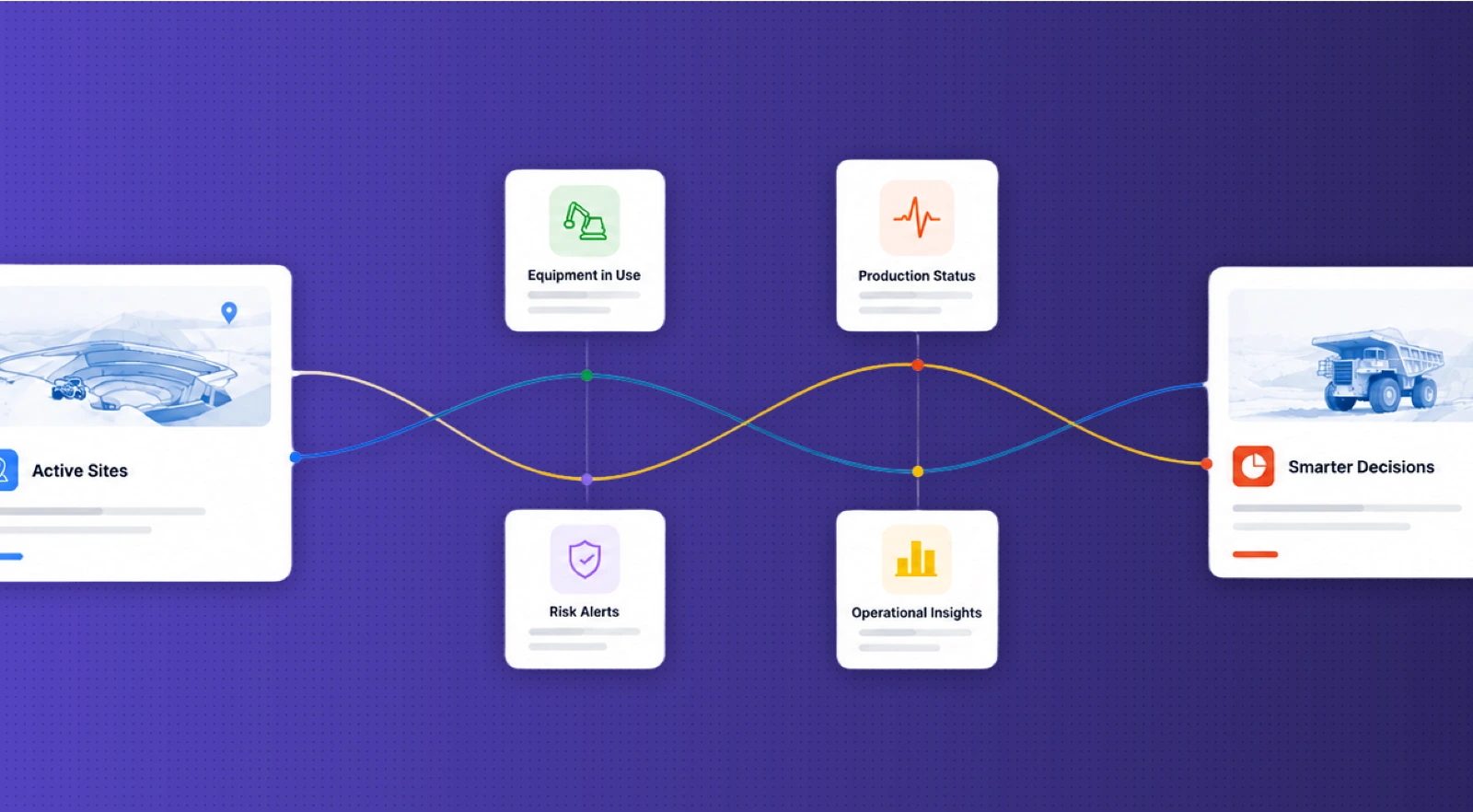
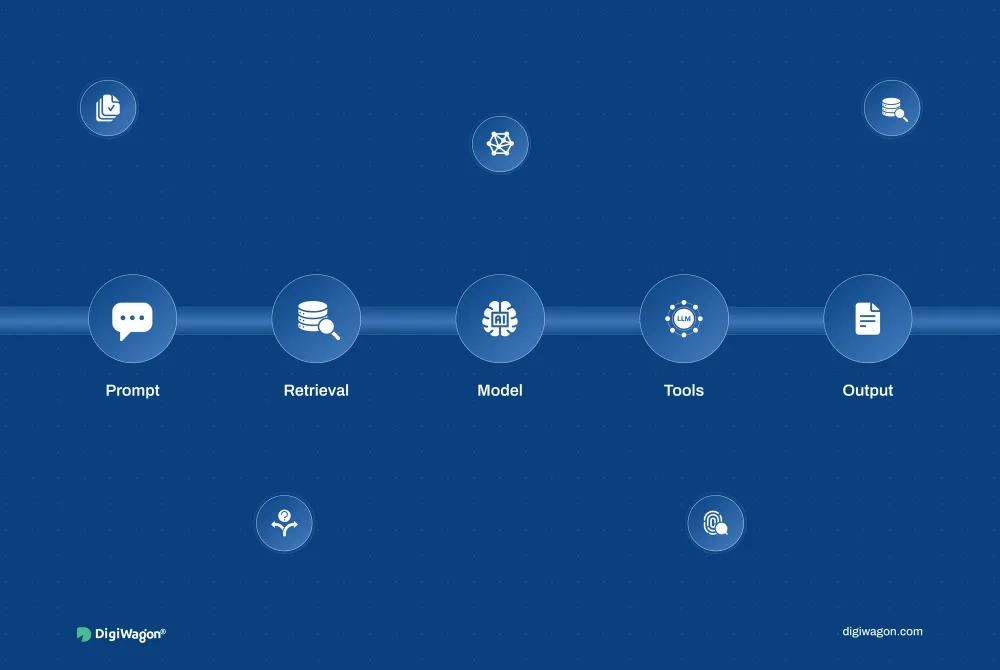
We develop Generative AI and LLM solutions that connect the model with the right knowledge, controls and surrounding technology, with retrieval, evaluation, observability and cost considered from the start.
A demo works on one model and one prompt, and nobody can say what it will cost, how fast it will be or what happens when the provider changes something.
What we would build
What you could end up with
Model selection and routing decided on quality, latency, privacy and cost
Structured outputs the rest of your system can rely on
Prompt architecture that survives a model version change
What it works with
The commercial and open models you are willing to run
Your privacy and data-residency constraints
The token cost you can actually carry per workload
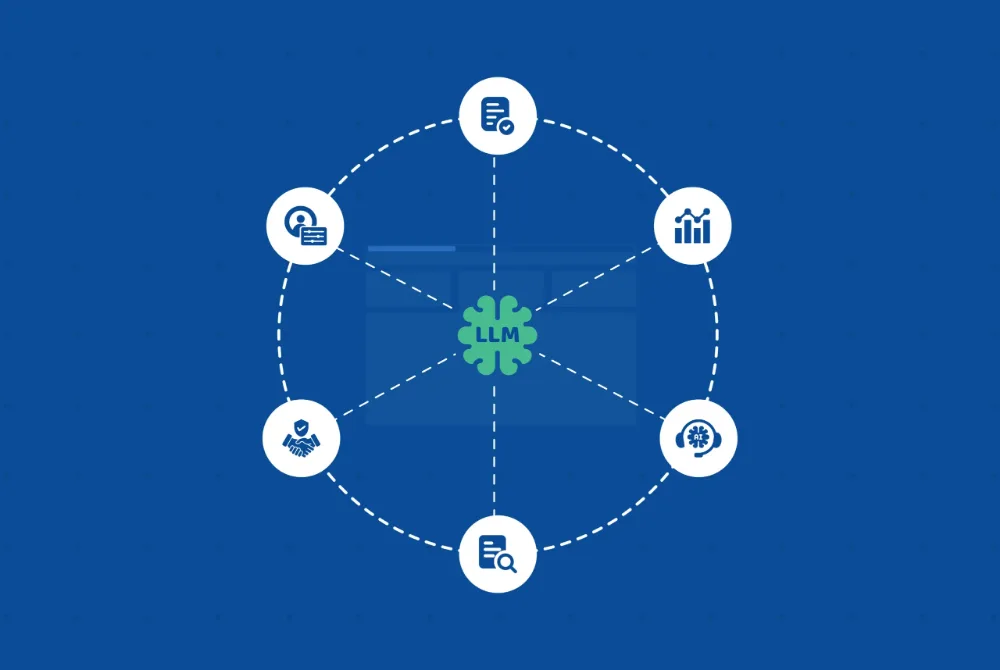
Generative AI becomes useful when models are connected to the right knowledge, interfaces and controls. These capabilities cover the core pieces needed for reliable LLM-powered experiences.
01
AI Assistants & Copilots
Context-aware assistants and natural-language experiences that help users find information, complete tasks and work inside existing products.
There is no single best Generative AI architecture. The right design depends on how much enterprise context the system needs, how controlled its outputs should be, how far it can act, and what it takes to operate reliably at scale.
01 / 06
Ground
Model knowledgeEnterprise RAG
Bring the model closer to the truth. For business-critical answers, grounding through RAG, search and permission-aware retrieval usually matters more than relying on model knowledge alone.
Use retrieval when information changes frequently.
Respect user identity and source permissions.
Evaluate retrieval quality before blaming the model.
Change model behaviour only when the use case demands it. Prompting and retrieval should usually come first. Fine-tuning or domain adaptation makes sense when the model needs more consistent terminology, behaviour or task performance.
Tie adaptation to a measurable behaviour gap.
Prepare representative evaluation data before tuning.
Treat fine-tuning as an ongoing model lifecycle decision.
Decide where flexibility ends and governance begins. Exploratory experiences can allow more freedom. Business-critical outputs often need structured responses, validation, guardrails, policy checks and human review.
Constrain outputs where downstream operations depend on them.
Keep deterministic rules outside the model where possible.
Put sensitive actions and information behind explicit controls.
Structured Outputs · Guardrails · PII Controls · Human Review
04 / 06
Act
AssistApproved action
An answer and an action are different architecture decisions. Once AI starts calling tools or moving work forward, permissions, approval paths, retries, auditability and failure handling become part of the design.
Define exactly which tools and operations AI can access.
Keep approvals in the loop for higher-impact actions.
Design for partial failure, retries and traceability.
Function Calling · Structured Outputs · Model Integration
05 / 06
Scale
One modelModel mix
The best model is not always the best model for every request. As usage grows, architecture needs to balance quality, latency, privacy and cost. Different workloads may benefit from different models or routing strategies.
Match model capability to task complexity.
Track latency and token cost by workload.
Use routing and fallback strategies where reliability matters.
Model Integration · Model Routing · Evaluation
06 / 06
Operate
ExperimentProduction
Production starts when the system has to stay reliable after launch. Once real users, changing knowledge and model updates are involved, evaluation, tracing, observability and regression checks need to become part of normal operation.
Create evaluation sets around real failure modes.
Monitor quality, latency, cost and model changes together.
Regression-test prompts, retrieval and models as the solution evolves.
We establish what the system has to be right about before choosing a model to be right with, then prove it stays right once real users, changing knowledge and new model versions are involved.
01
Frame the Use Case
Establish what the AI is actually for, what a wrong answer would cost, and which of the six architecture axes this use case is genuinely sensitive to.
Focus
The taskCost of errorConstraintsSuccess measure
02
Ground It in Your Knowledge
Connect the model to the sources that hold the truth, with retrieval, reranking and permissions decided before any prompt is tuned.
Focus
SourcesRetrievalPermissionsFreshness
03
Set the Controls
Decide what the system may return and what it may do: structured outputs, guardrails, PII handling, and human review on the paths that need it.
Focus
Output shapeGuardrailsPIIHuman review
04
Evaluate, Then Operate
Build an evaluation set from real failure modes, then run it with tracing and cost monitoring so a model or prompt change is a measured event, not a surprise.
Focus
Evaluation setsTracingCostRegression
Frame01 Frame the Use CaseGround02 Ground It in Your KnowledgeControl03 Set the ControlsOperate04 Evaluate, Then Operate
Insights
Thinking Behind Generative AI.
Perspectives on LLM applications, retrieval, evaluation and governance. Generative AI consulting can tell you what to build; these are notes from the building.
AI & Machine Learning
The Generative AI Co-pilot: 5 Must-Have LLM Use Cases to Reduce B2B SaaS Churn
· Akash Thakor · 6 min read
AI & Machine Learning
Generative AI & LLMs in FinTech: A Regulatory Roadmap for European and Canadian Banks
· Akash Thakor · 5 min read
AI & Machine Learning
LLM Observability: Architecture for Systems You Can Debug
Frequently Asked Questions About Generative AI & LLMs
Straight answers on RAG, fine-tuning and evaluation — and on what LLM development services involve when you are choosing a generative AI development company rather than reading about the model.
01What is Generative AI?
Generative AI uses machine learning models to create new content such as text, images, code, or structured information. In enterprise environments, these models are often combined with company knowledge, retrieval, guardrails, and application logic to produce more relevant and controlled outputs.
02How do large language models work?
Large language models learn statistical relationships between tokens across very large datasets. When given a prompt, they predict likely token sequences to generate a response. Production LLM applications usually add retrieval, instructions, tools, validation, and evaluation around the model, which is where most of the engineering work actually sits.
03What is the difference between LLM and traditional machine learning?
Traditional machine learning models are usually trained for specific tasks such as prediction, classification, or anomaly detection. LLMs are broader language models that can handle multiple language-based tasks through prompting, context, and retrieval. Most production systems use both: a trained model where the task is narrow and measurable, an LLM where the input is language.
04What is RAG in Generative AI?
Retrieval-Augmented Generation, or RAG, retrieves relevant information from external sources before the language model generates a response. This helps the system use current or private enterprise knowledge without relying only on what the model learned during training. Retrieval quality, not model choice, is usually what decides whether the answer is right.
05When should an LLM be fine-tuned?
Fine-tuning is useful when prompting and retrieval are not enough to achieve consistent domain behavior, terminology or output patterns. It should usually follow evaluation of simpler approaches because fine-tuning adds more data preparation, testing, and model-management requirements. Tie it to a measurable behaviour gap rather than a general sense that the model could be better.
06How do you evaluate a Generative AI system?
Evaluation should measure the behavior that matters for the specific use case, such as retrieval relevance, groundedness, factual accuracy, safety, latency and cost. Automated evaluation can be combined with human review and regression testing as models, prompts, and data change.
Give the GenAI Idea Somewhere Real to Go
From architecture and retrieval to controls and evaluation, we can help work through what it will take to make the idea viable beyond the prototype.
One click opens the assistant you already use with a question that points it at this page, so the answer comes from what we publish, not a guess.
The question it opens withRead https://digiwagon.com/generative-ai-llm-solutions and explain how DigiWagon runs a Generative AI Development Services engagement, what I should expect in the first 90 days, and how to judge whether a partner like this fits a team of our size. Stick to what the page says and mark anything you are not sure about.