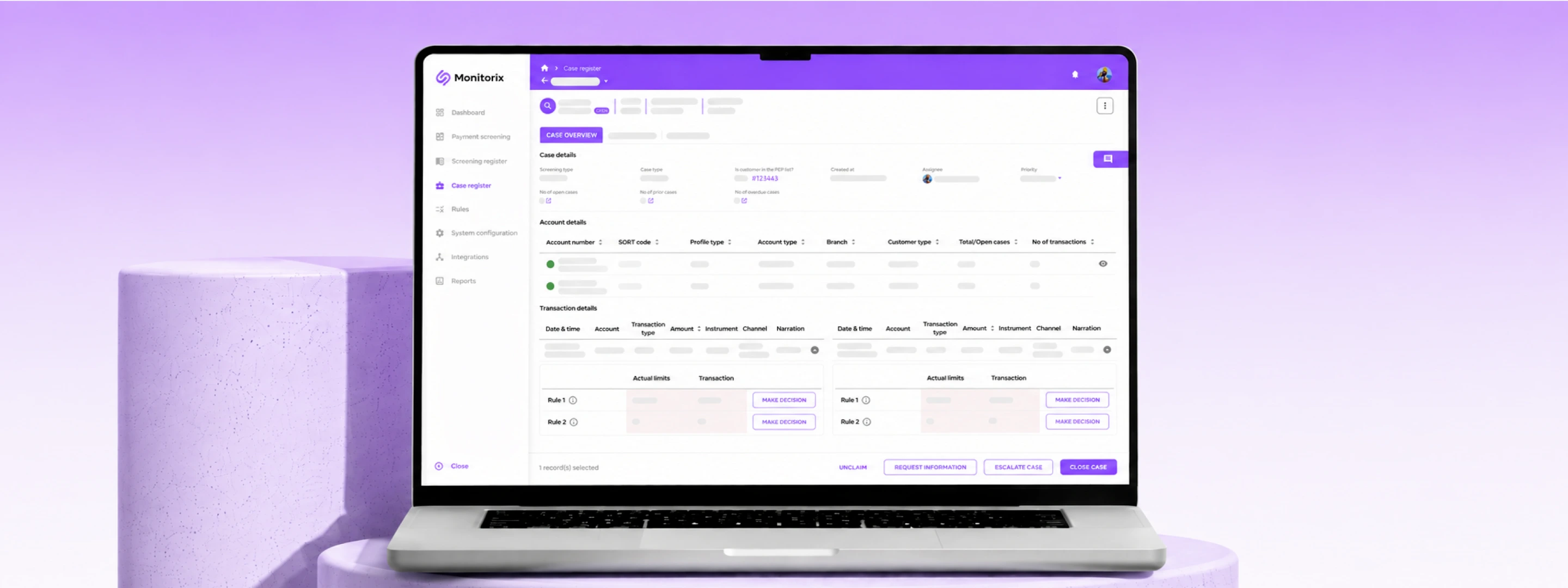
A real-time transaction monitoring platform built to detect suspicious activity, profile customer behaviour, reduce false positives, and support audit-ready AML compliance.
Client
A financial technology provider delivering AML compliance solutions for banks and regulated financial institutions
A financial technology provider needed a smarter way to monitor customer transactions across banks and regulated financial institutions. The platform had to evaluate transaction behaviour in real time and batch mode, detect suspicious patterns, generate risk-based alerts, and help compliance teams investigate cases with better context. DigiWagon developed a scalable transaction monitoring engine using configurable rules, threshold-based scenarios, behavioural profiling, contextual risk scoring, alert workflows, scenario calibration, and complete audit logging.
The result was an intelligent compliance platform designed to improve detection accuracy, reduce alert noise, accelerate investigations, and support regulatory traceability.
Financial institutions must continuously monitor customer transactions to detect suspicious activity and meet AML regulatory expectations. As transaction volumes grow and typologies evolve, rule-only systems often struggle to keep up. Legacy monitoring platforms can be rigid, difficult to calibrate, and limited in behavioural analysis. This can create excessive false positives, fragmented alert management, slower investigations, and weaker audit visibility.
Business Challenge
Transaction volumes were increasing across digital banking and cross-border activity.
Static rule structures struggled to adapt to evolving risk typologies.
Inefficient scenario calibration created excessive alerts.
Limited behavioural analysis made it harder to compare expected and actual customer behaviour.
Alert review, investigation, and reporting workflows were fragmented.
Compliance teams needed transparent decision logic and documented investigations.
Legacy infrastructure needed stronger scalability for high transaction loads.
RegTech Context
Transaction monitoring is no longer just about applying static rules to payment data. Financial institutions need systems that understand customer behaviour, detect deviations, prioritise risk, and maintain full traceability.
A modern AML monitoring platform must balance real-time detection, behavioural intelligence, flexible scenario configuration, alert workflow efficiency, and audit readiness.
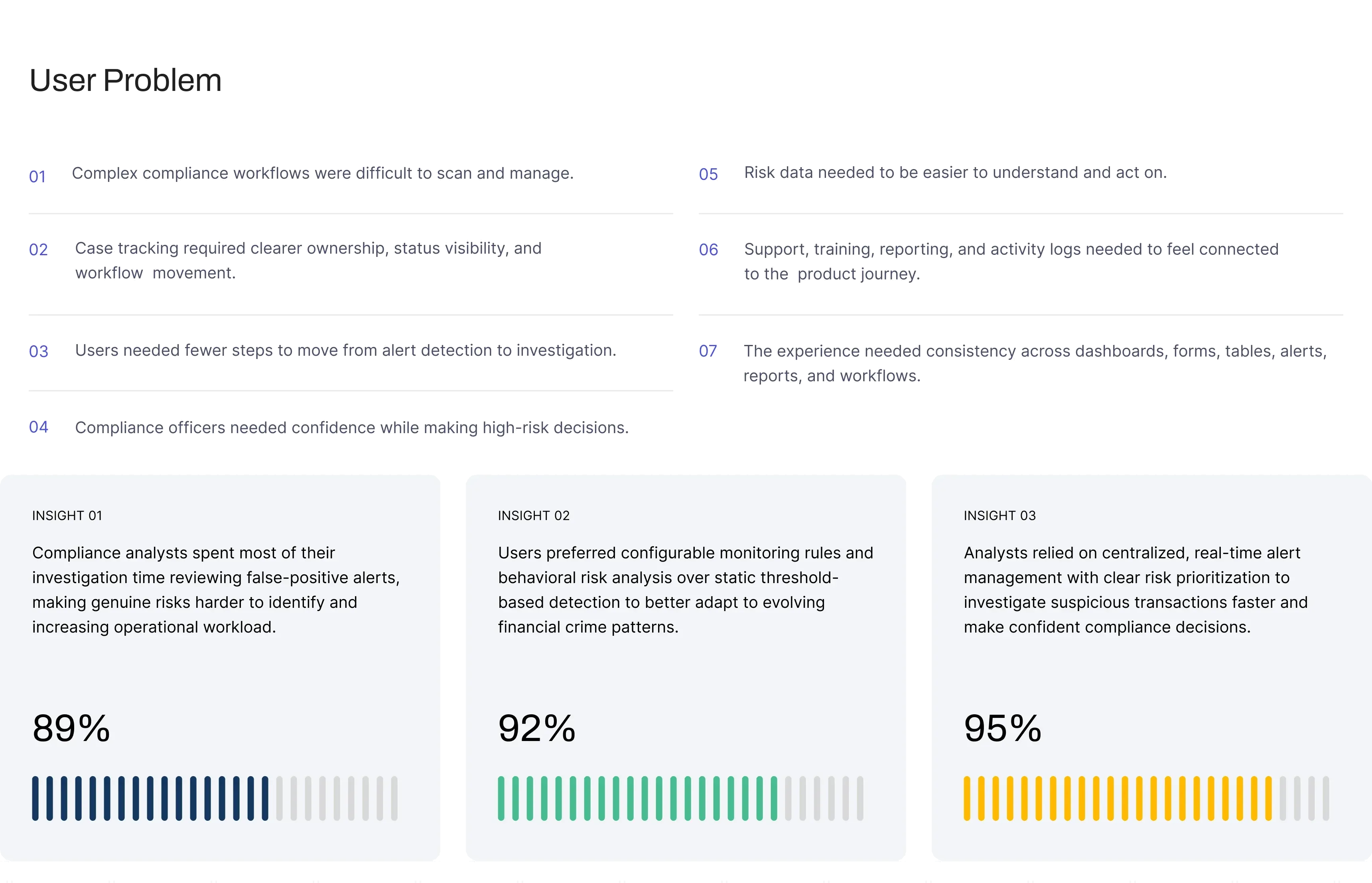
User Problem
Compliance teams needed faster detection of suspicious activity.
AML analysts needed fewer false positives and better alert context.
Investigation teams needed structured workflows for review, escalation, and case closure.
Risk teams needed flexible scenarios aligned with institution-specific risk appetite.
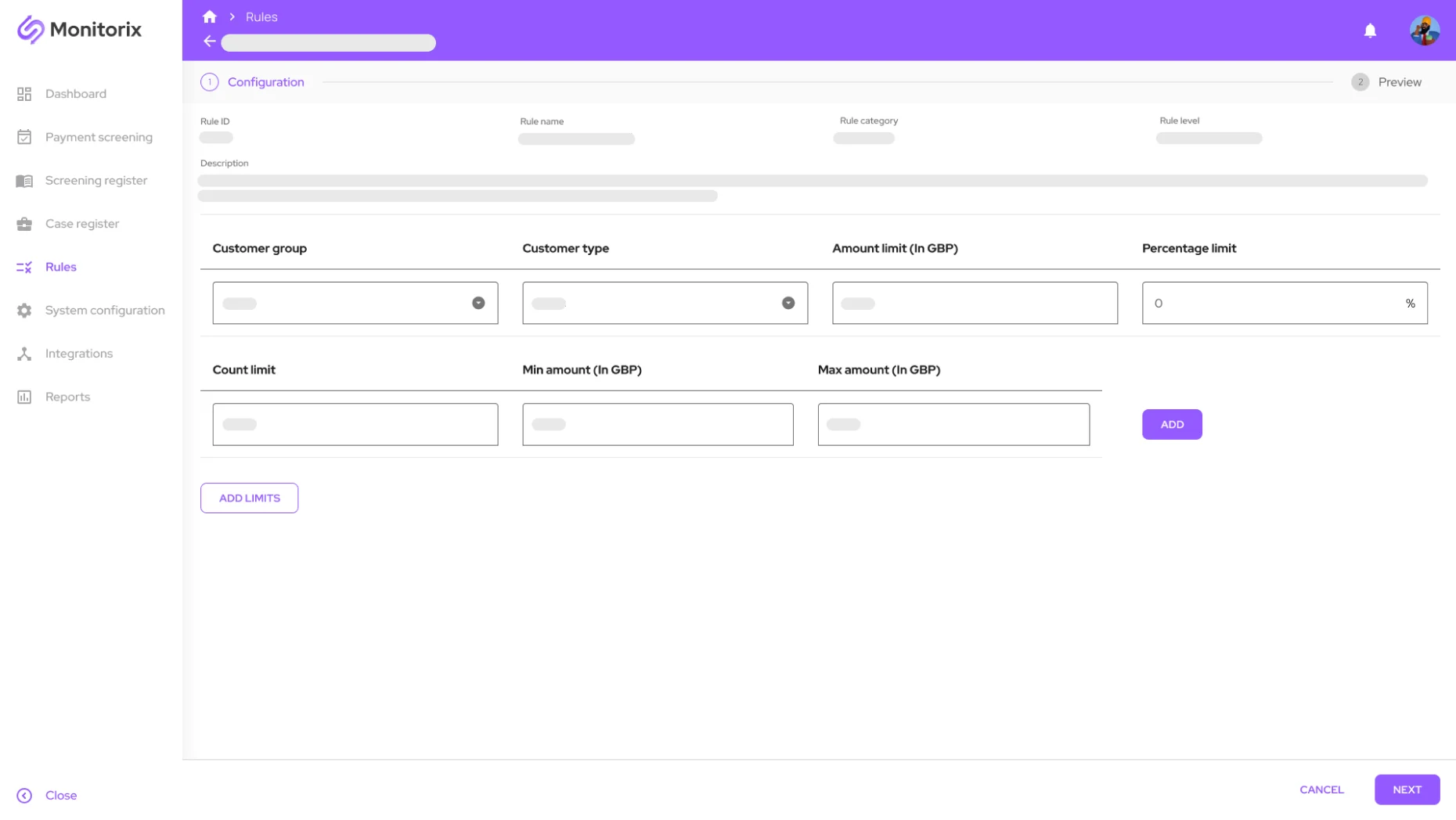
Administrators needed control over thresholds, velocity checks, geographic risks, and transaction typologies.
Audit teams needed traceable rule triggers, user actions, and investigation outcomes.
How we delivered
How We Built the Transaction Intelligence Platform
Monitor
Evaluated customer transactions across real-time and batch workflows
Real-time transaction evaluation
Batch monitoring support
Customer account activity tracking
Suspicious pattern detection
High-volume transaction processing
Configure
Created flexible rule and scenario logic
Custom risk scenarios
Threshold rules
Velocity checks
Geographic risk logic
Transaction typology mapping
Design
Added behavioural profiling and anomaly detection
Expected behaviour modelling
Actual transaction comparison
Behavioural deviation detection
Contextual risk scoring
Severity-based alert prioritisation
Govern
Built structured alert handling and audit control
Alert review workflows
Case escalation
Investigation tracking
Decision logging
Regulatory reporting support
What we built
The platform we shipped.
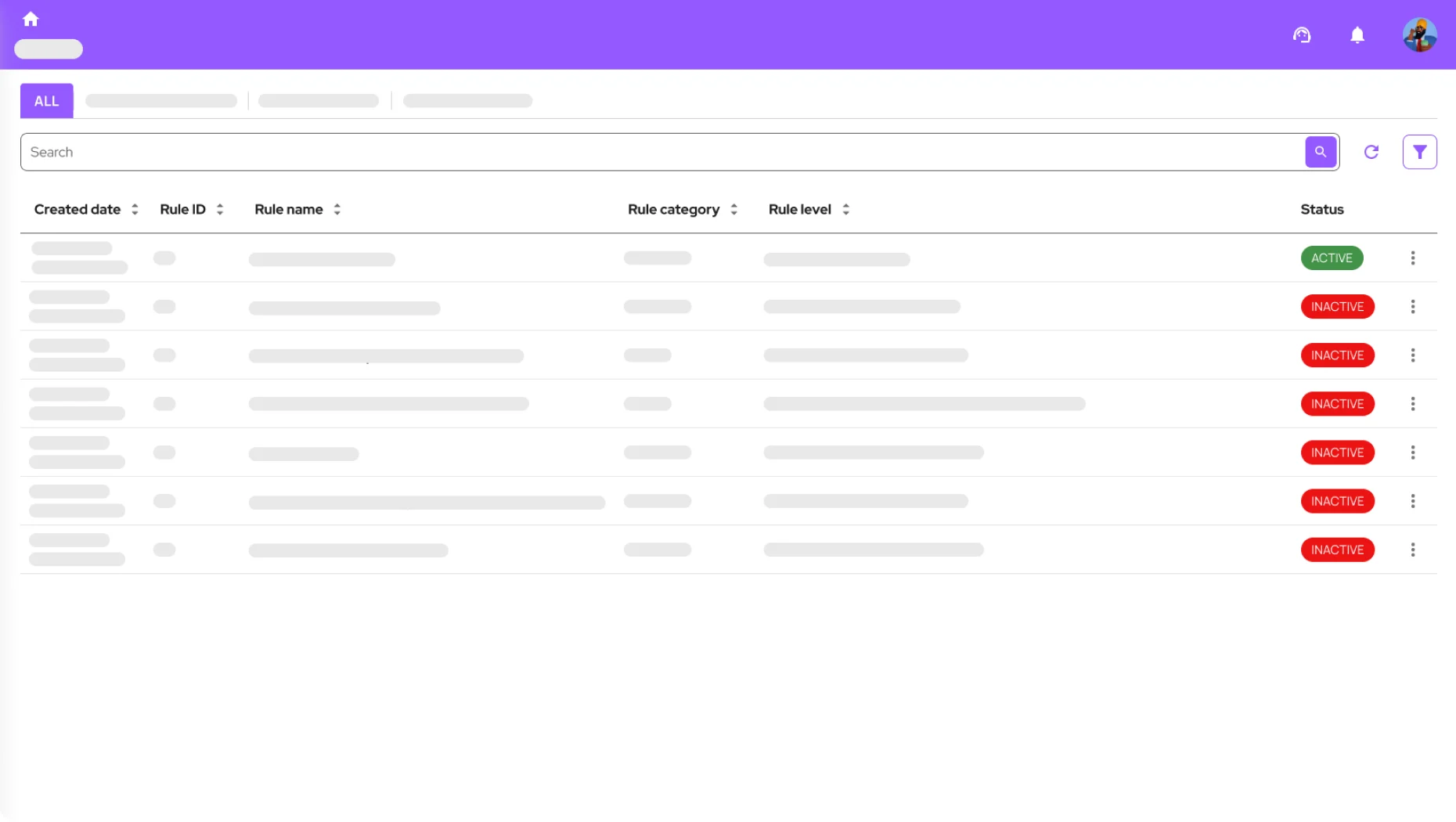
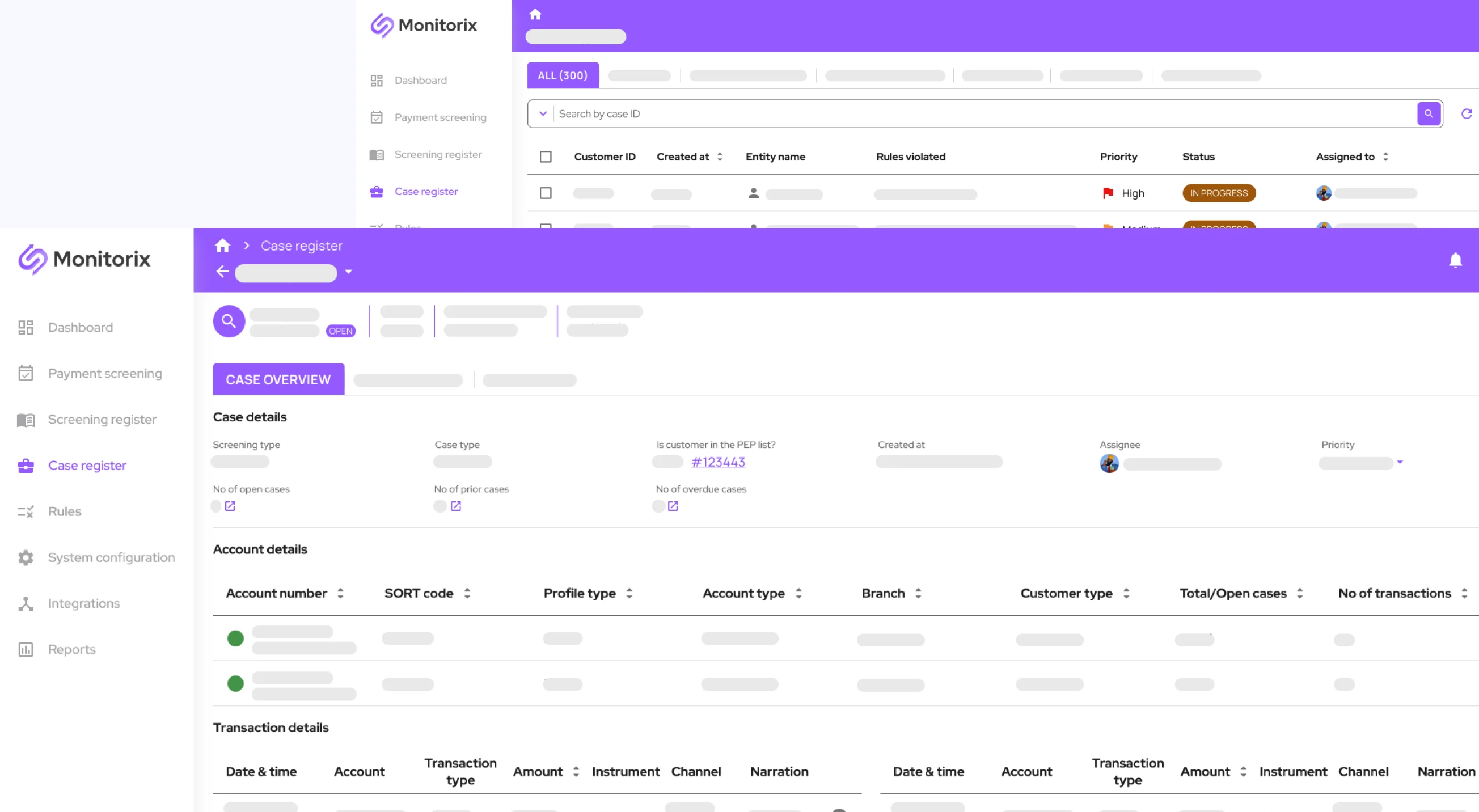
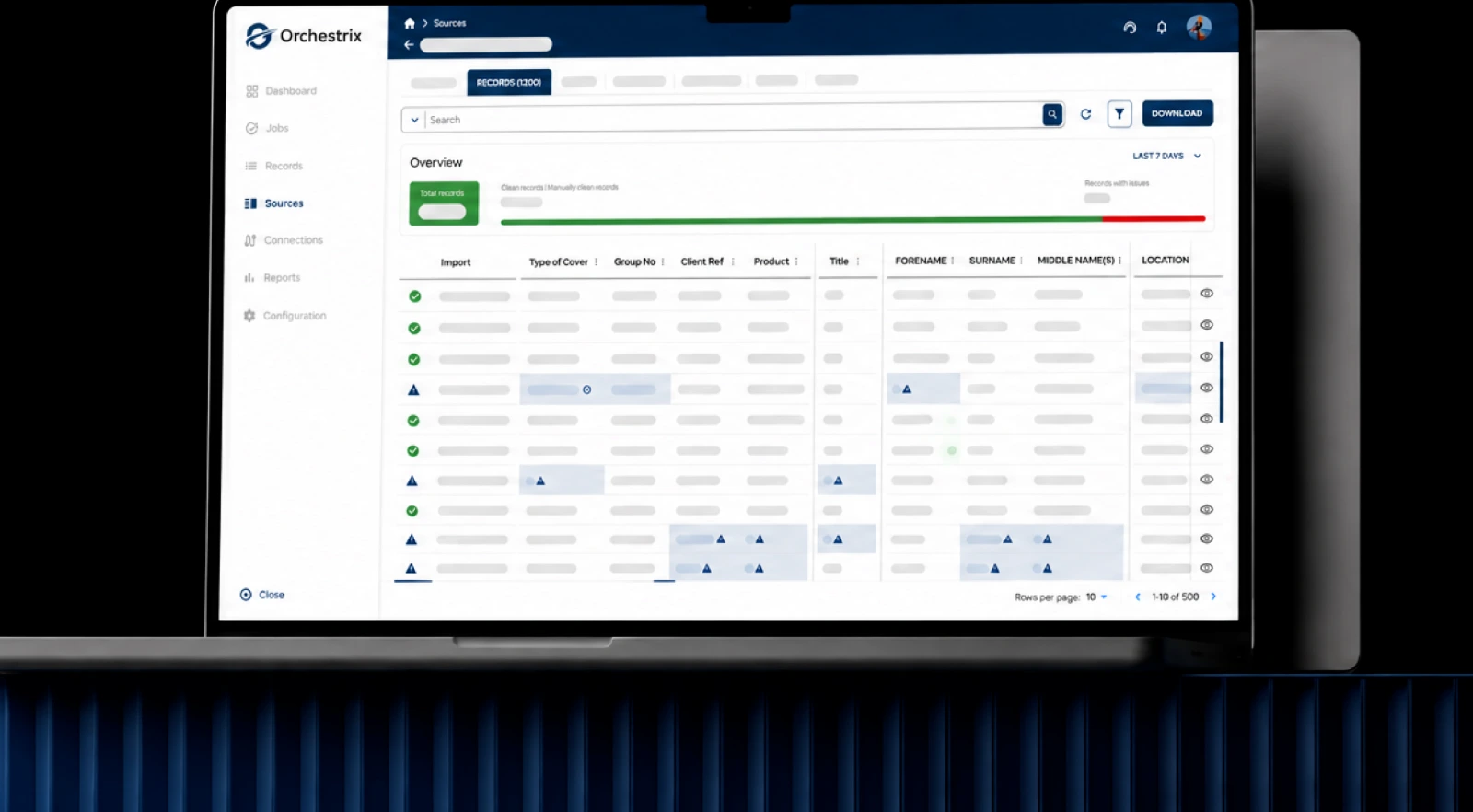
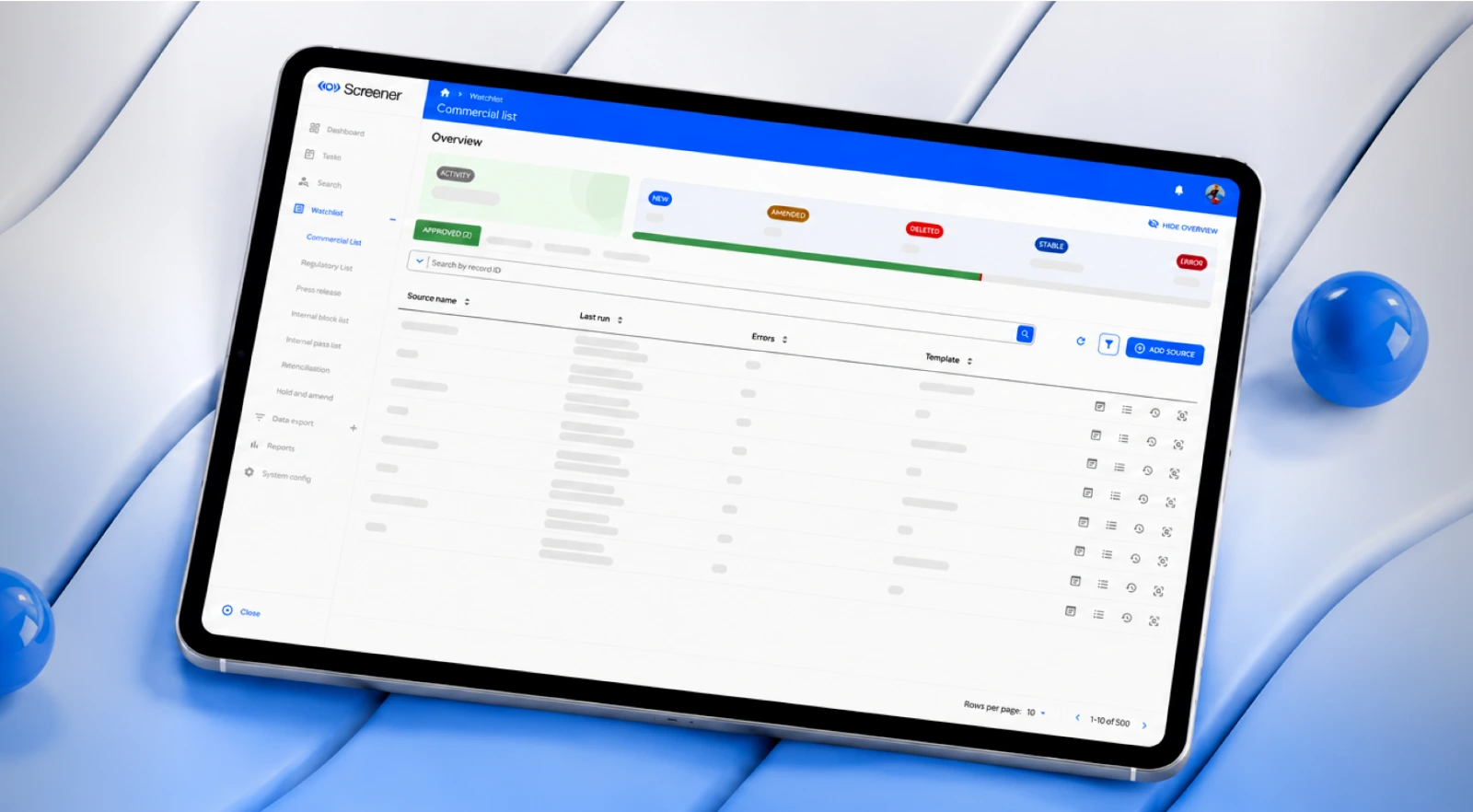
DigiWagon built a configurable transaction monitoring and behavioural analytics platform that evaluates transactions against custom scenarios, behavioural patterns, risk indicators, and AML rules. The platform helps compliance teams detect suspicious activity faster, prioritise alerts more effectively, investigate cases in a structured way, and maintain full traceability for regulatory review.
Built a scalable transaction monitoring engine for real-time and batch evaluation.
Enabled configurable scenarios based on thresholds, velocity, geography, transaction type, and risk policies.
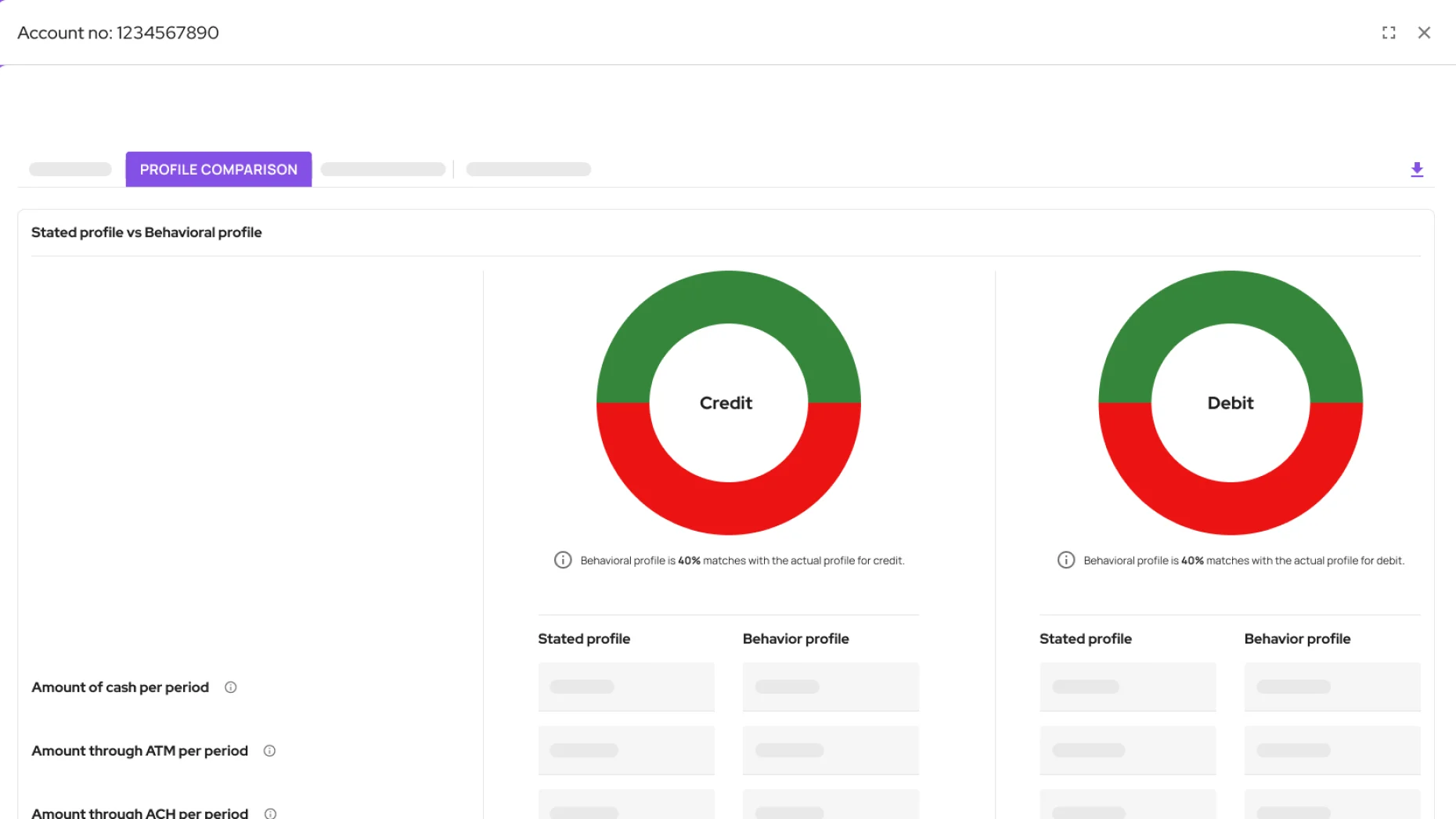
Added behavioural profiling to compare expected customer behaviour with actual transaction activity.
Implemented deviation detection to identify anomalies and suspicious patterns.
Built automated risk-based alert generation.
Integrated contextual risk scoring to prioritise alerts by severity and impact.
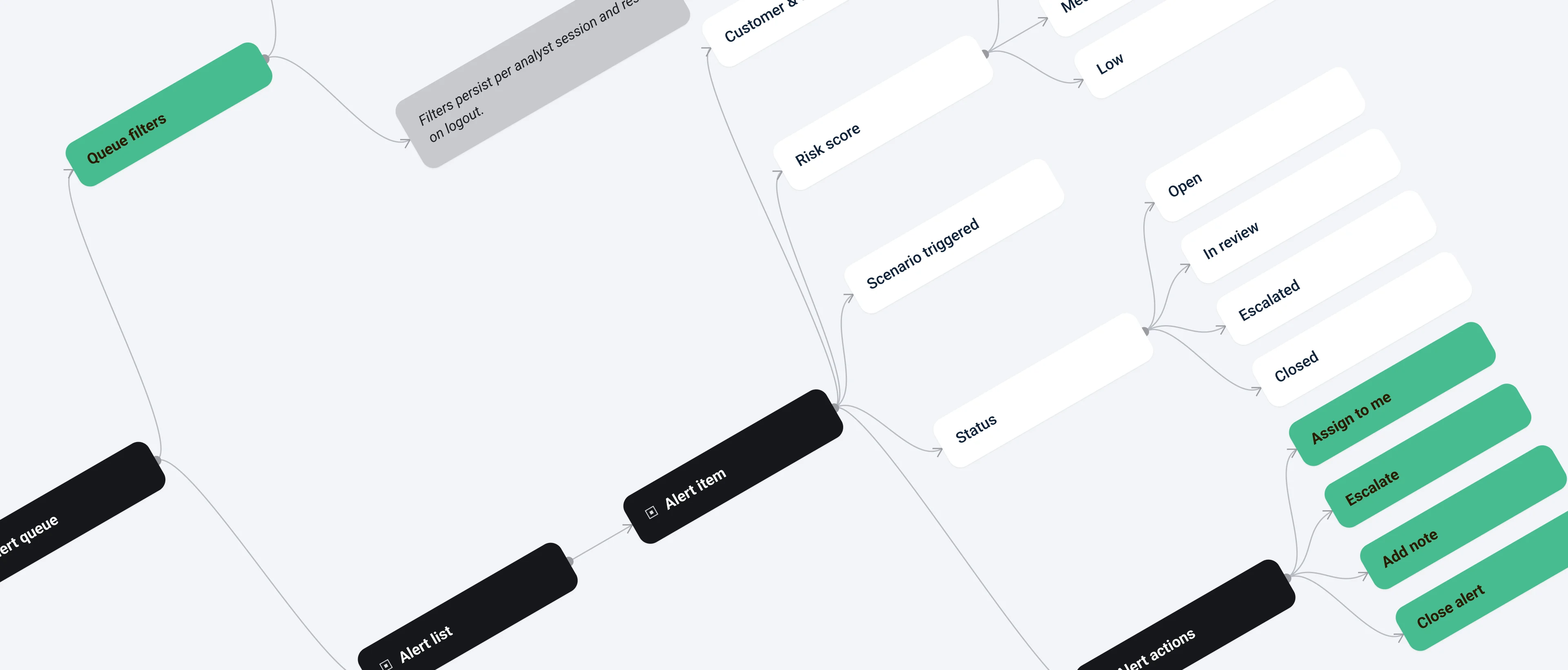
Created a centralised alert workflow and case management interface.
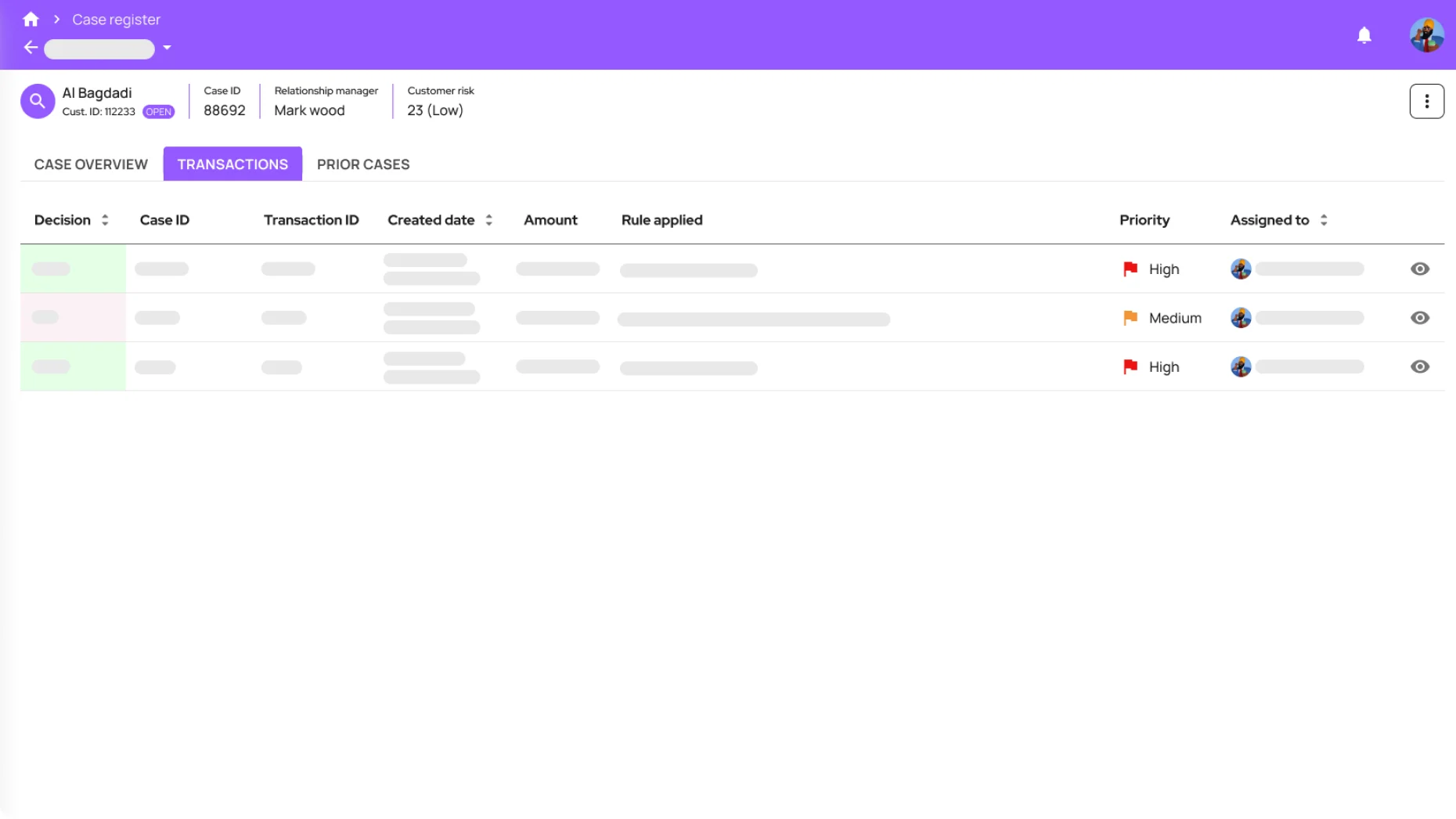
Enabled alert review, prioritisation, escalation, and investigation tracking.
Built scenario calibration and optimisation tools to fine-tune rules and reduce false positives.
Added complete audit and decision logging for rule triggers, user actions, and investigation outcomes.
Engineered the platform for scalable monitoring performance under high transaction loads.
The filmWatch how it works.
Key features
Eight capabilities, one per constraint.
Configurable Transaction Monitoring Engine
Evaluates transactions in real time and batch mode.
Supports custom monitoring scenarios for different financial institutions.
Helps detect suspicious activity across customer accounts.
Provides a scalable foundation for high-volume AML monitoring.
Advanced Rule & Scenario Framework
Enables flexible configuration of thresholds, velocity checks, geographic risks, and transaction typologies.
Allows institutions to align monitoring logic with internal risk policies.
Reduces dependency on rigid, one-size-fits-all rules.
Supports faster adaptation to evolving financial crime typologies.
Alert Workflow & Case Management
Provides a central workspace for alert review, escalation, and investigation tracking.
Helps analysts document review outcomes and case decisions.
Reduces fragmented handoffs between monitoring and investigation teams.
Supports faster case movement from detection to closure.
Risk-Based Alert Generation
Creates automated alerts when scenarios or behavioural indicators are triggered.
Prioritises alerts based on risk severity and context.
Helps analysts focus on meaningful cases first.
Reduces manual effort across alert triage.
Behavioural Profiling & Deviation Detection
Compares expected customer behaviour with actual transaction patterns.
Identifies anomalies that static rules may miss.
Improves detection effectiveness through dynamic behavioural analysis.
Strengthens risk visibility across customer accounts.
Scenario Calibration & Optimisation Tools
Enables teams to fine-tune thresholds, scenarios, and monitoring logic.
Helps reduce false positives and unnecessary investigations.
Improves detection relevance over time.
Supports institution-specific risk tuning.
Real-Time Risk Scoring
Adds contextual scoring to prioritise alerts based on severity and impact.
Improves analyst focus and workload management.
Helps compliance teams make faster risk decisions.
Supports more consistent alert prioritisation.
Comprehensive Audit & Decision Logging
Logs rule triggers, user actions, investigation outcomes, and decision history.
Creates traceability for internal reviews and regulatory reporting.
Supports stronger audit readiness.
Helps institutions reconstruct monitoring decisions with confidence.
Technology
The stack behind this build.
Frontend
ReactJS
Backend
Node.js
Data
PostgreSQL
Cloud & DevOps
AWS
DevOps & Deployment
AI & ML
AI / ML
Impact
What changed for the client.
The platform helped modernise transaction monitoring by connecting behavioural analytics, configurable scenarios, risk scoring, alert workflows, and audit trails into one compliance intelligence layer.
1
configurable transaction monitoring platform built for AML compliance.
45%
faster suspicious activity detection through behavioural profiling and automated alerts.
35%
improvement in monitoring workflow efficiency through centralised alert review and case management.
30%
faster risk review through contextual risk scoring and alert prioritisation.
In closing
Where this leaves the product.
The Transaction Intelligence & Behavioural Analytics platform gives financial institutions a smarter way to detect suspicious activity, prioritise risk, and manage AML investigations. By combining configurable transaction monitoring, behavioural profiling, deviation detection, risk-based alerts, scenario calibration, centralised case workflows, and audit-ready logging, DigiWagon helped create a scalable compliance intelligence platform for modern financial crime operations. The result is a RegTech solution built to improve detection accuracy, reduce false positives, accelerate investigations, and support audit-ready AML compliance at scale.
From Transaction Alerts to Better Compliance Decisions
DigiWagon helps FinTech and RegTech teams transform transaction data into prioritised alerts, faster investigations, and audit-ready financial crime compliance workflows.
Pick a question, then the assistant you use. It opens in a new tab with this case study as its source.
The question it opens withRead https://digiwagon.com/case-studies/transaction-intelligence-behavioral-analytics. Explain the problem, the approach and the result in plain language for a CFO. Stick to what the page says and mark anything you are not sure about.
The question it opens withRead https://digiwagon.com/case-studies/transaction-intelligence-behavioral-analytics and tell me what would need to be true about my company, team and systems for a similar approach to work for us. Stick to what the page says and mark anything you are not sure about.
The question it opens withRead https://digiwagon.com/case-studies/transaction-intelligence-behavioral-analytics and list the questions I should ask DigiWagon on a first call if I wanted a result like this one, based only on what the page says.