
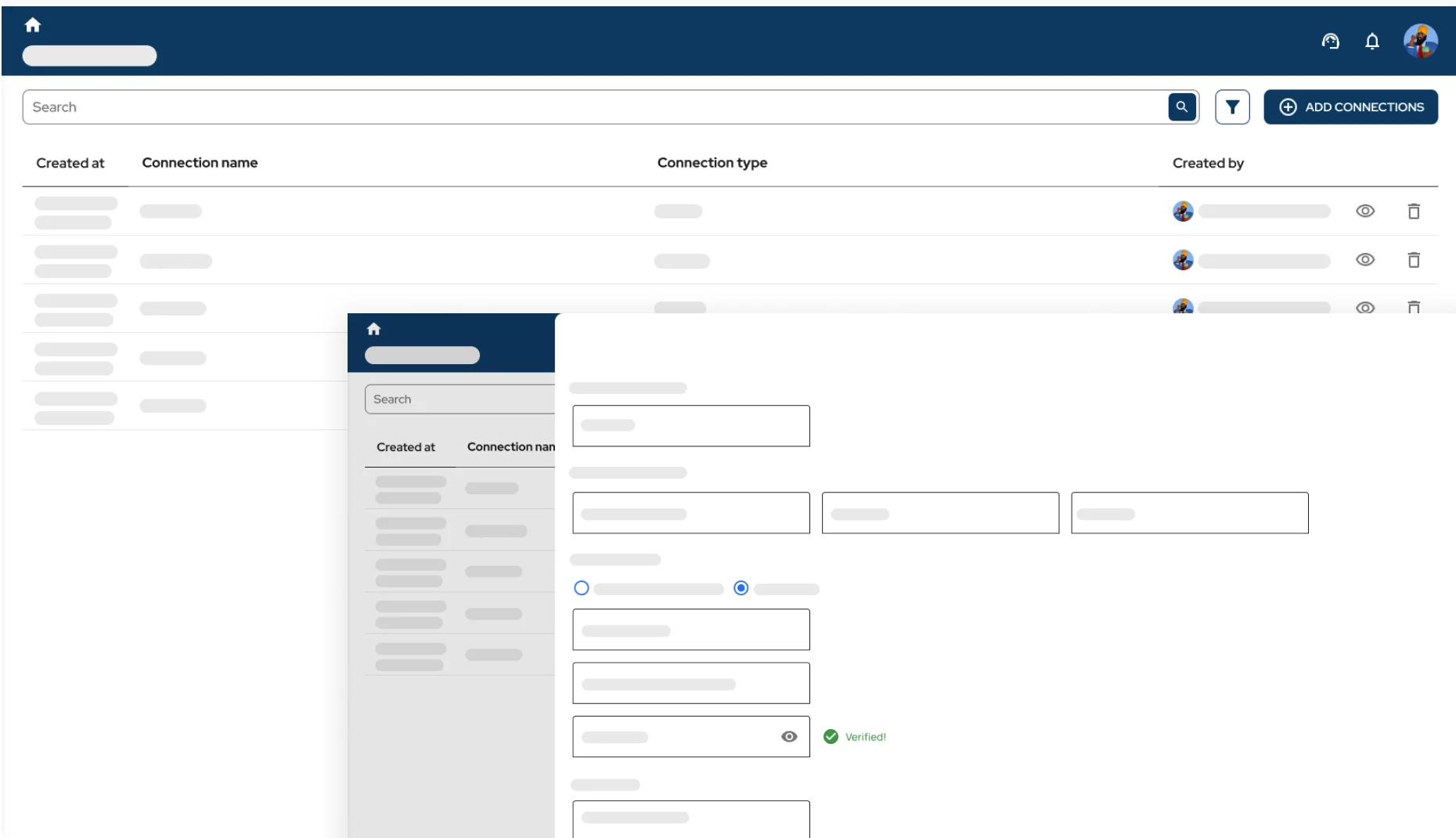
Secure Connection Management Hub
- Centralised SFTP and email server connection setup.
- Enabled secure configuration of incoming data channels.
- Reduced scattered connection handling across teams.
- Improved control over sensitive data intake.
A secure data orchestration platform built to automate ingestion, validation, SWIFT-format standardisation, and audit-ready processing.
Overview
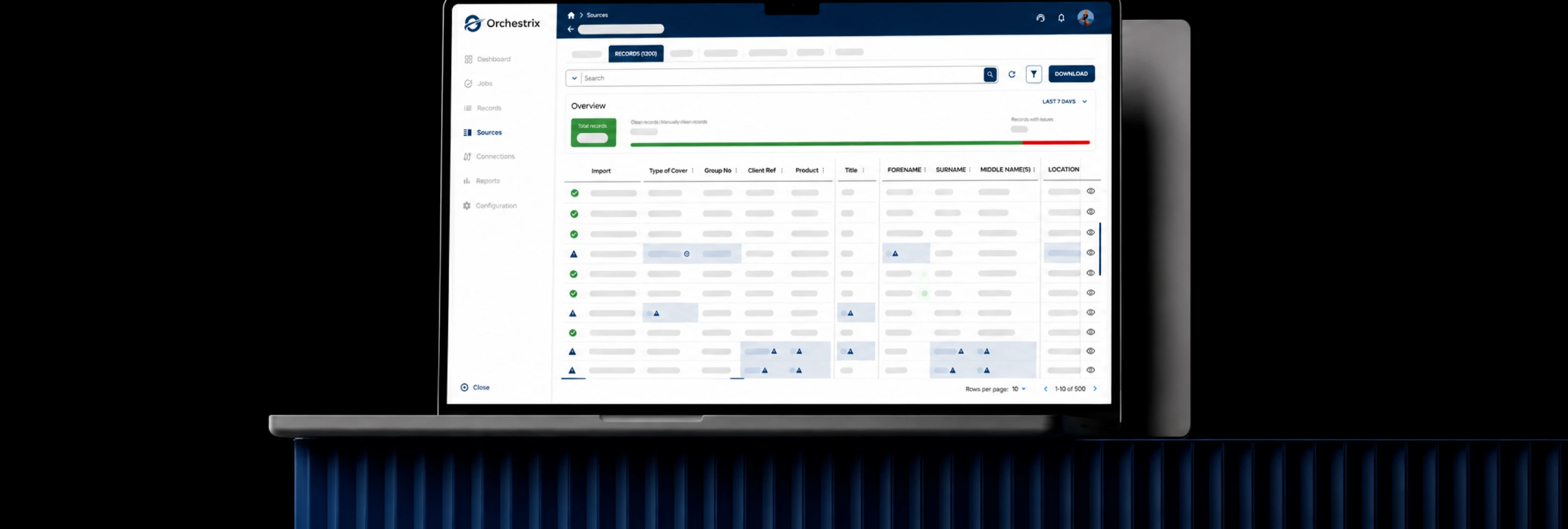
A financial technology provider needed to replace manual spreadsheet-based handling of sensitive insurance records with a structured automation platform. The organisation received data through multiple SFTP connections and email attachments, but the process depended heavily on Excel, manual validation, and repeated formatting corrections. DigiWagon built a centralised data orchestration platform. It automates file intake, source mapping, and task creation. It supports analyst workflows and SWIFT-format validation. It also handles record storage, dashboards, and audit logging.
The result was a scalable automation system. It improved data accuracy and reduced operational risk. It also helped the organisation manage growing record volumes, which it did with stronger compliance control.
Why it mattered
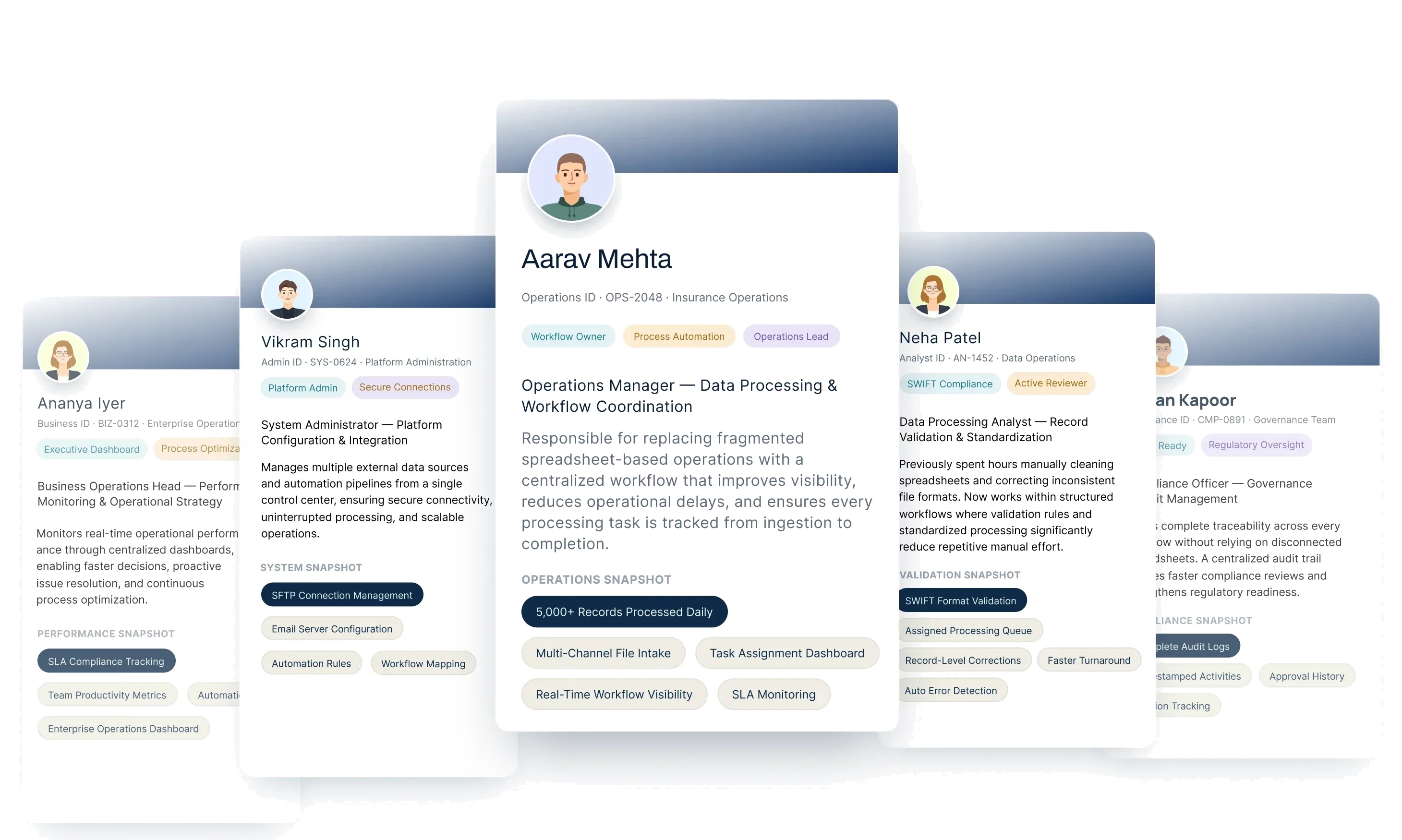
The organisation was managing sensitive insurance records through manual spreadsheet processes. Data arrived from multiple email and SFTP channels, but every file required manual tracking, validation, correction, formatting, and ownership assignment. As record volumes increased, the spreadsheet-led process created operational risk, version control issues, compliance gaps, and limited traceability. The client needed a secure system. It would automate data ingestion and standardise the data. It would assign work and validate SWIFT formatting. It would also keep a complete audit history.
In regulated financial environments, data orchestration is not only about moving files. It focuses on ensuring that teams standardise, validate, and trace every record, and prepare it for downstream compliance workflows.
For SWIFT-related data processing, manual spreadsheet handling can introduce avoidable risk. A governed orchestration layer helps teams automate intake, reduce errors, standardise formats, assign ownership, and keep every action audit-ready.
How we delivered
Ingest
Route
Validate
Govern
What we built
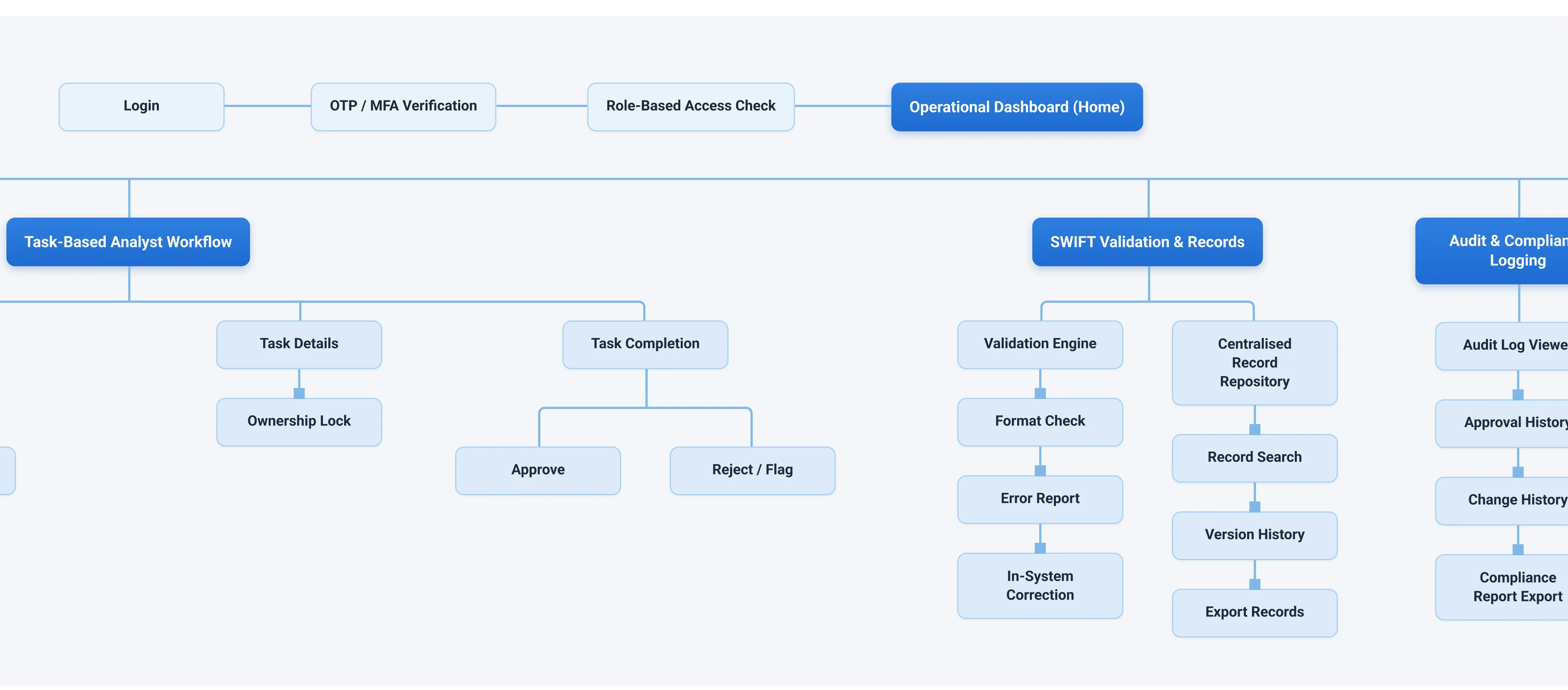
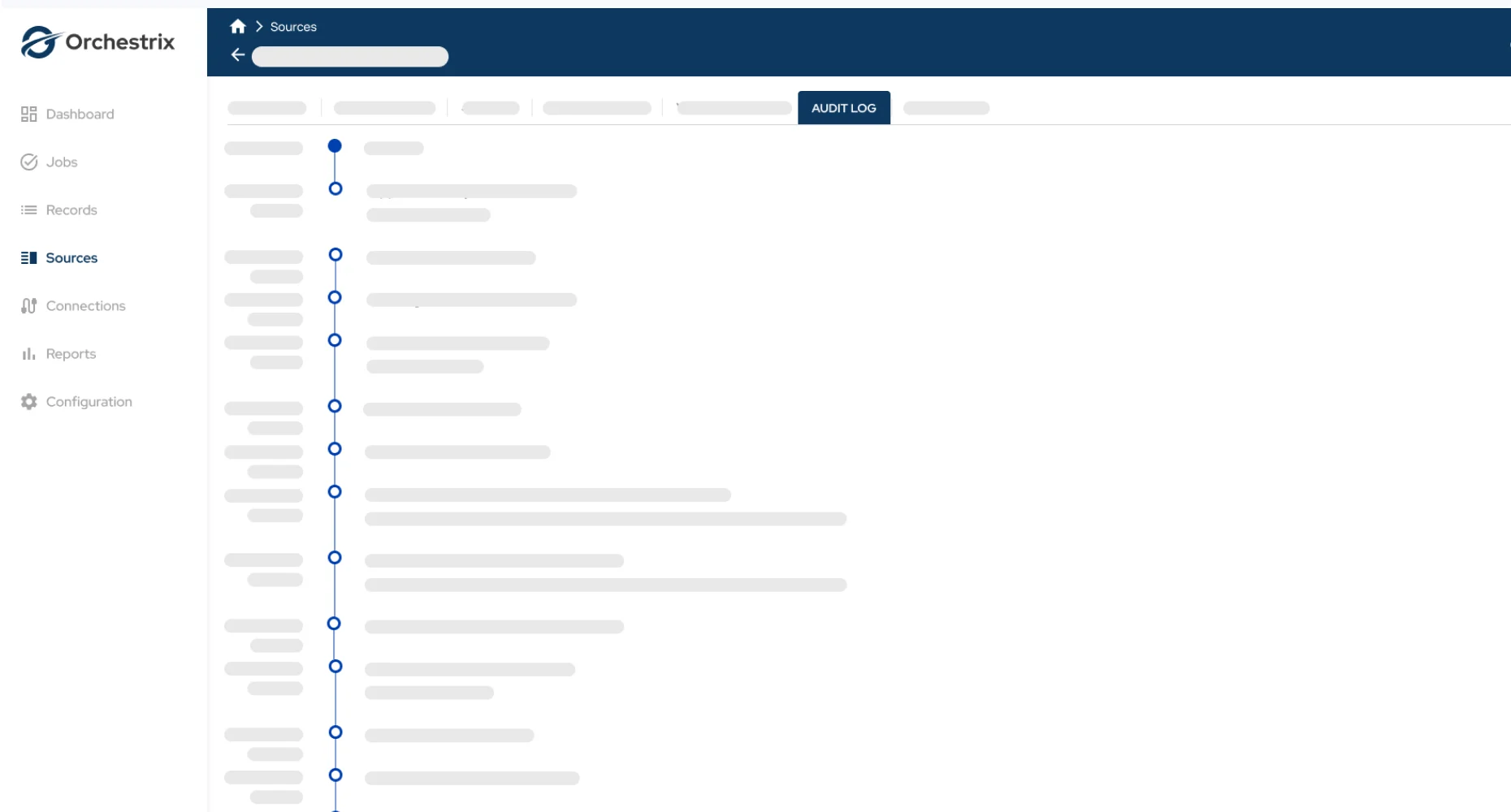
DigiWagon built a centralised SWIFT data platform for orchestration and automation. It replaces spreadsheet dependence with secure ingestion and workflow automation. It also adds structured validation, task-based processing, and audit-ready traceability. The platform monitors incoming files and routes records using source rules. It creates tasks automatically and supports analyst review. It validates SWIFT formats and stores records in a central system, and also logs every action for compliance visibility.
Key features
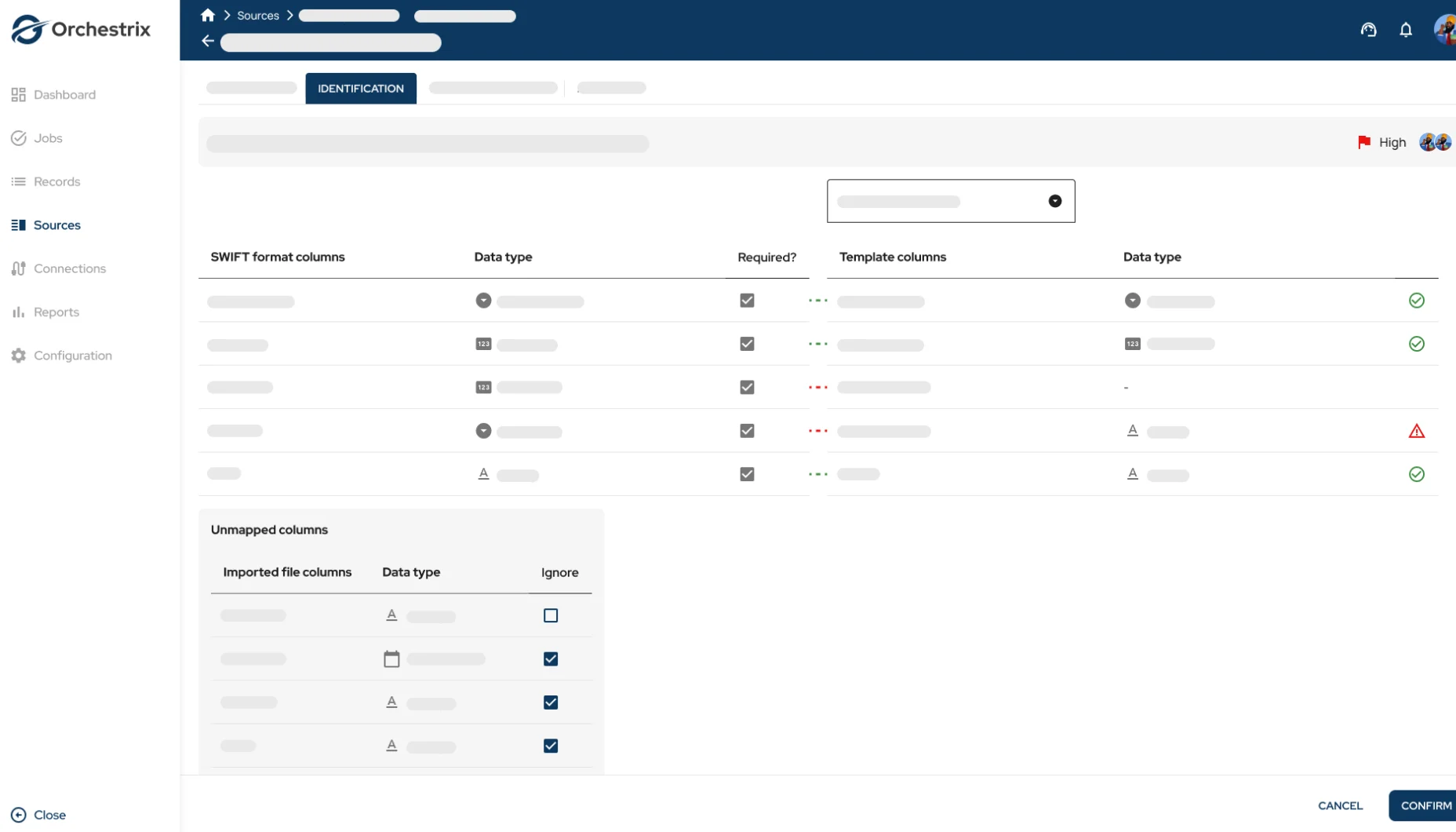
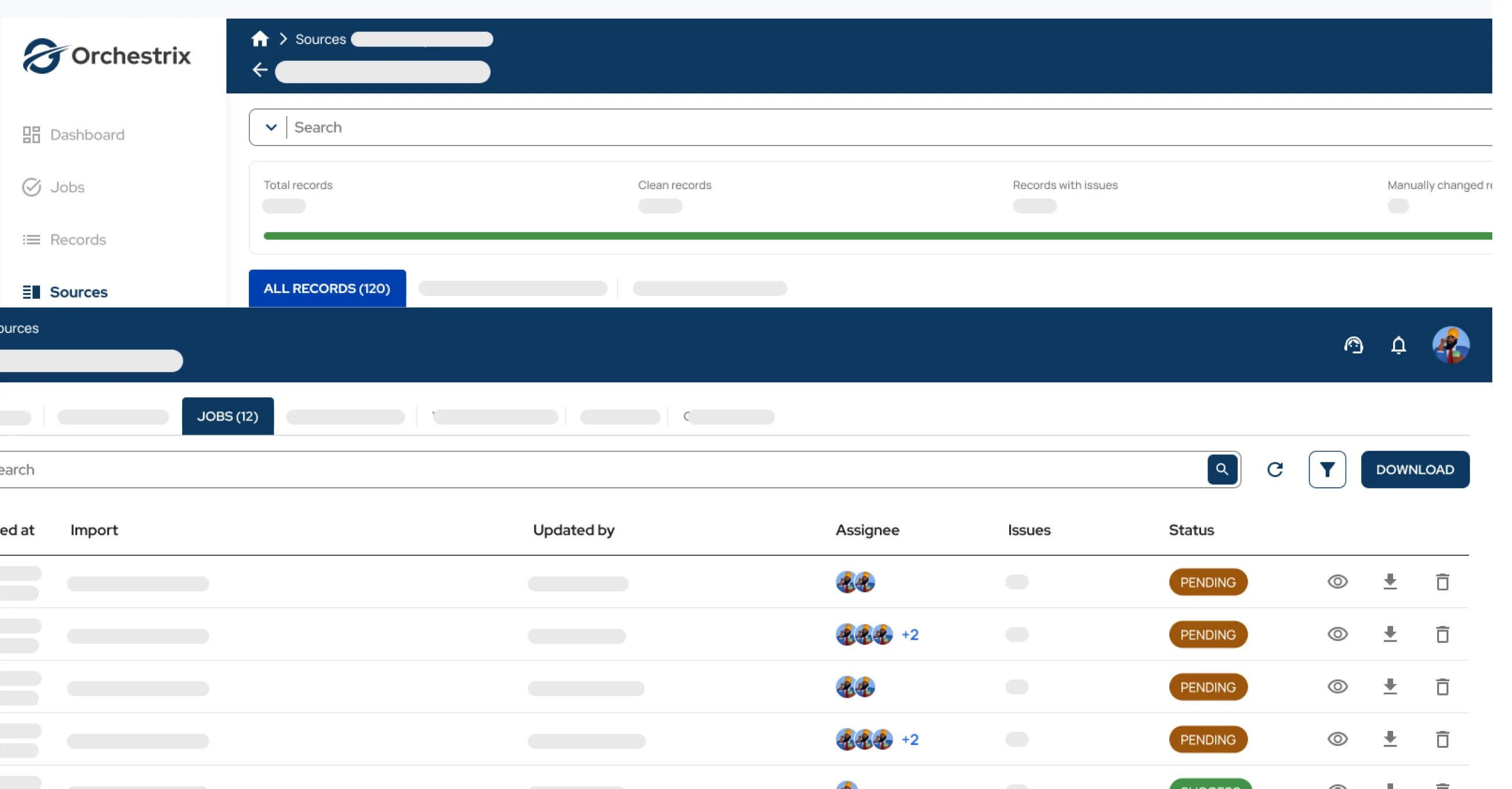
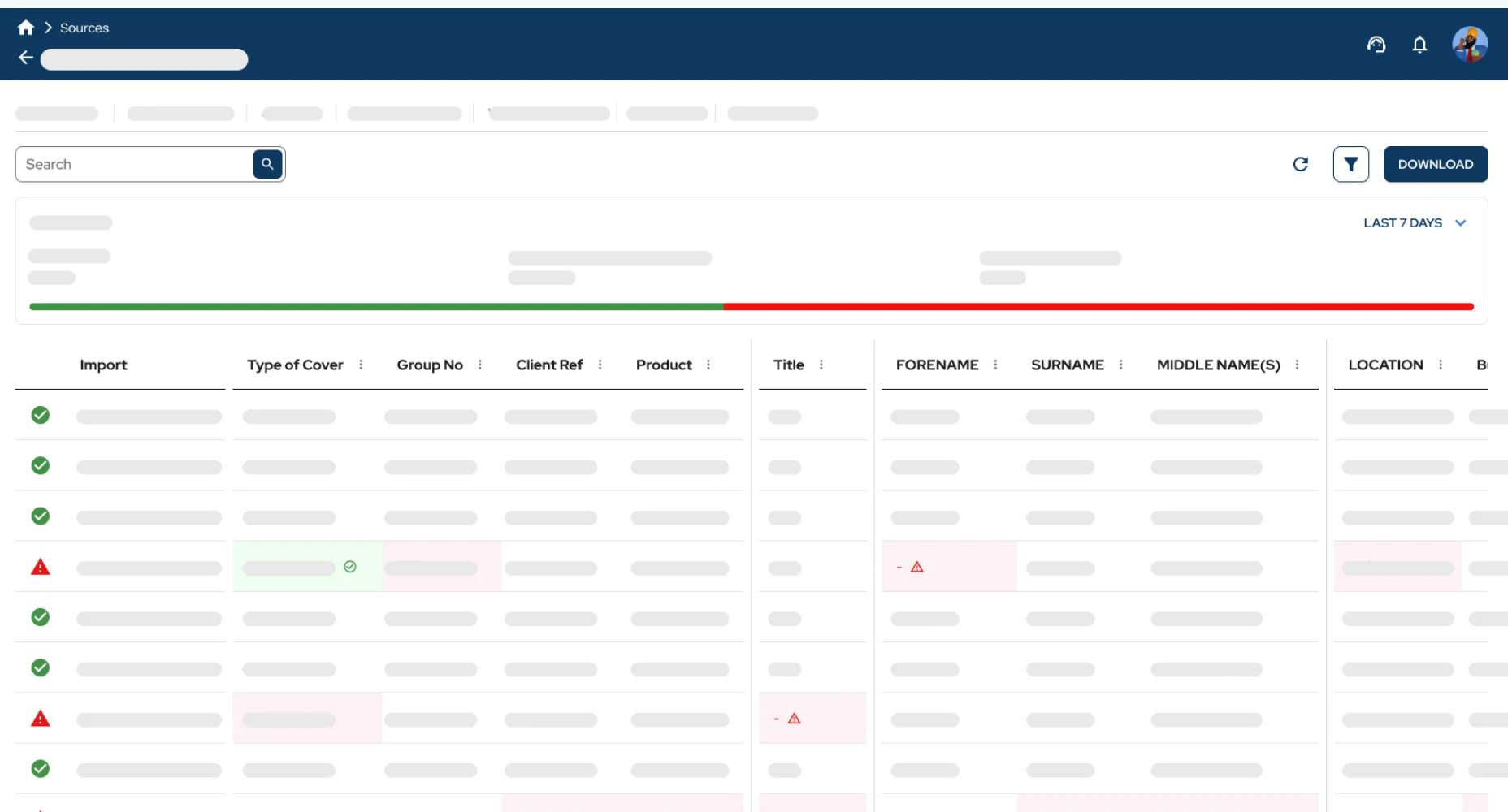
Technology
Impact
The platform helped the organisation move from high-risk spreadsheet handling to a secure, automated, and audit-ready SWIFT data orchestration workflow.
centralised SWIFT data orchestration platform created for secure data processing.
reduction in manual spreadsheet effort through automated ingestion and task workflows.
faster data validation through SWIFT-format checks and in-system correction.
better data accuracy and audit transparency through validation, standardisation, and audit logs.
In closing
The SWIFT Data Orchestration & Automation platform gives the organisation a secure, structured, and scalable way to manage sensitive insurance records. By replacing spreadsheet work with automation, DigiWagon reduced risk. It improved compliance readiness. The automation included automated ingestion, source mapping, task workflows, SWIFT validation, central storage, dashboards, and audit logs. The result is a governed data automation platform built for accuracy, accountability, traceability, and long-term processing scale.
More work
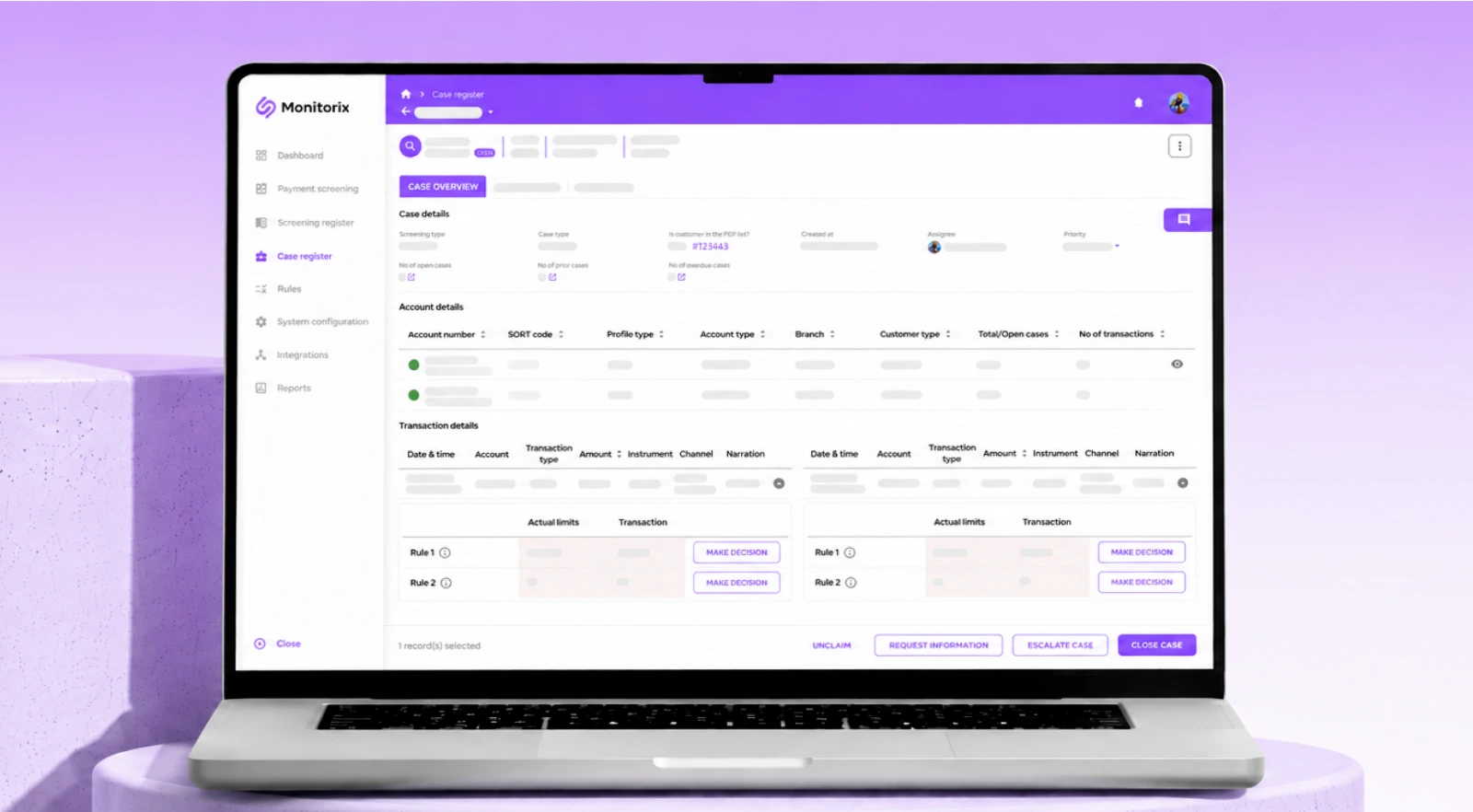 FinTech
A scalable and configurable transaction monitoring solution engineered to detect suspicious activity in real time using rule engines, behavioral profiling, and hybrid risk logic, enabling financial institutions to strengthen AML compliance while optimizing operational efficiency.
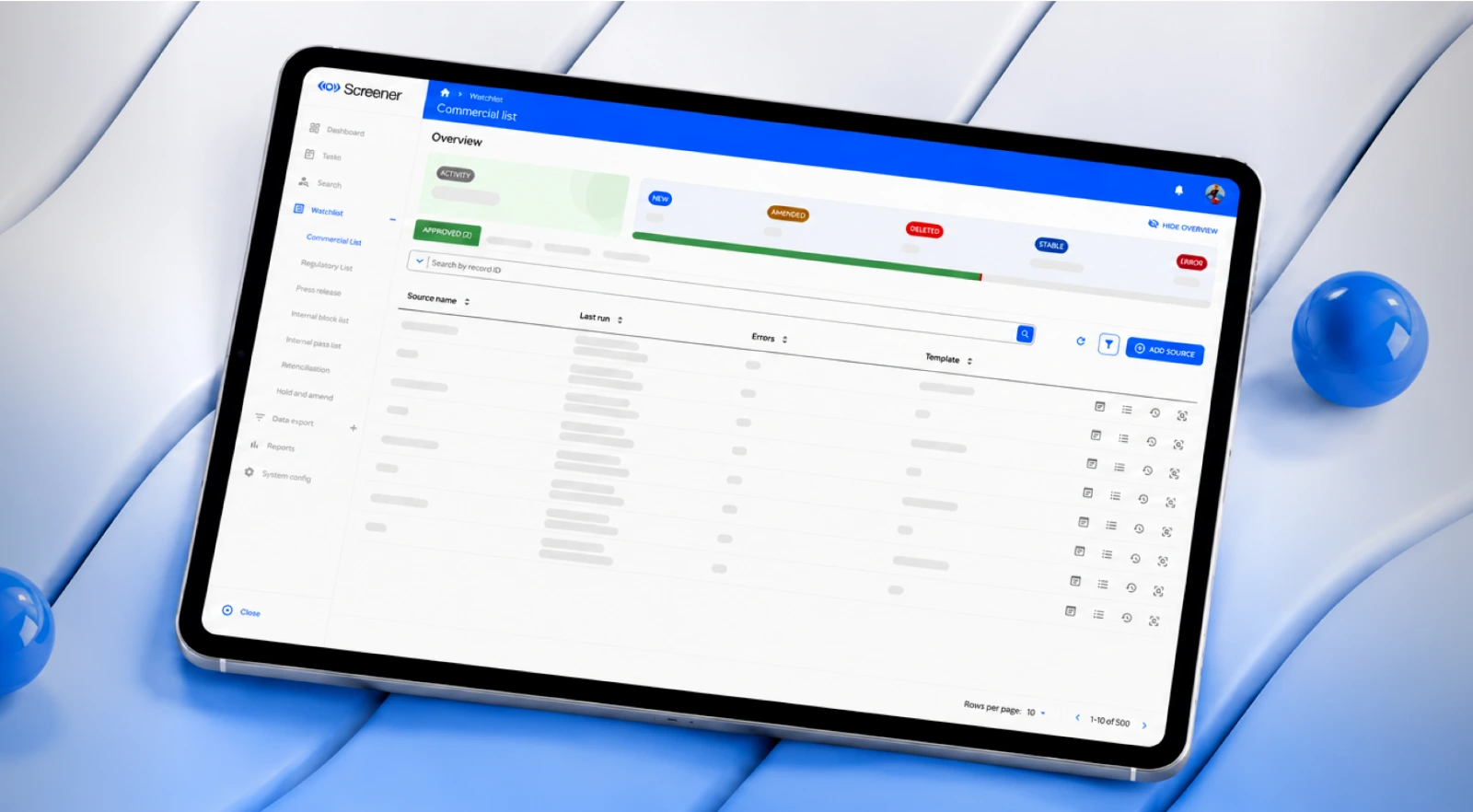 FinTech
Unified data governance and watchlist orchestration solution that consolidates, cleanses, and enriches regulatory, commercial, and internal lists, empowering compliance teams with real-time updates, audit-ready transparency, and exceptionally accurate screening data for enterprise AML operations.
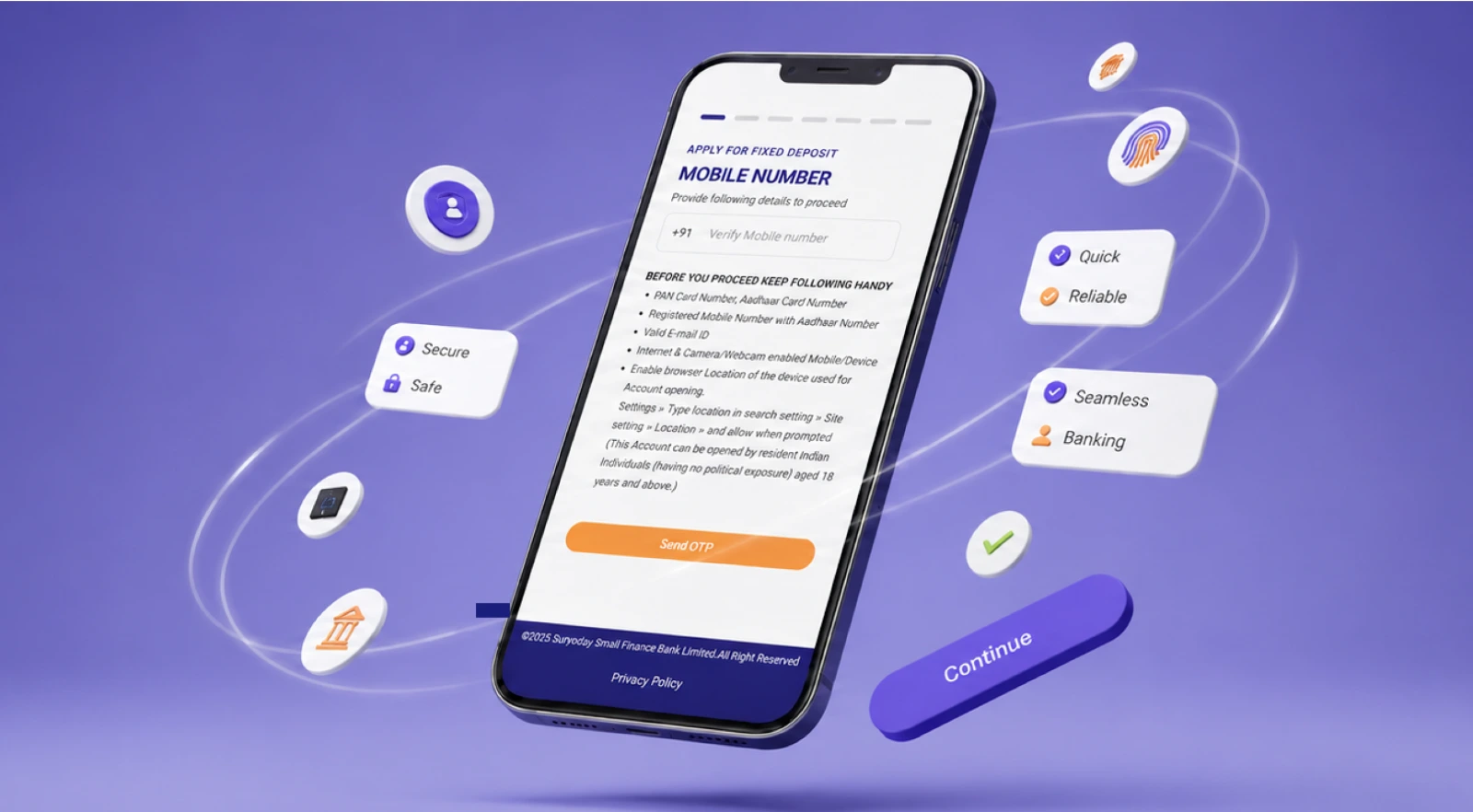 FinTech
A leading Small Finance Bank launched a 100% digital FD platform with compliance, security, and fraud prevention at its core. The solution cut onboarding to 15 minutes, boosted trust, and reduced support costs.

DigiWagon helps FinTech and RegTech businesses design and develop secure data orchestration platforms with automated ingestion, validation workflows, audit trails, dashboards, and compliance-ready architecture.
Ask an AI about this case study
Pick a question, then the assistant you use. It opens in a new tab with this case study as its source.
The question it opens withRead https://digiwagon.com/case-studies/swift-data-orchestration-automation. Explain the problem, the approach and the result in plain language for a CFO. Stick to what the page says and mark anything you are not sure about.
The question it opens withRead https://digiwagon.com/case-studies/swift-data-orchestration-automation and tell me what would need to be true about my company, team and systems for a similar approach to work for us. Stick to what the page says and mark anything you are not sure about.
The question it opens withRead https://digiwagon.com/case-studies/swift-data-orchestration-automation and list the questions I should ask DigiWagon on a first call if I wanted a result like this one, based only on what the page says.