Give Developers a Simpler Way to Work With Infrastructure
Create internal developer platforms, self-service workflows and clear engineering paths that reduce repeated setup and give teams a consistent way to provision environments, deploy services and access shared tooling.
Clusters, dashboards and alerting are configured team by team, so how reliable a service is depends on which team you ask and nobody sees the whole picture.
What we would build
What you could end up with
A shared runtime application teams inherit instead of configuring
Observability every service gets by default rather than by project
SRE practices that make reliability a property of the platform
What it works with
The clusters and monitoring already running
What each team currently has to operate for itself
We start from the work engineers repeat rather than from a platform product, and add only the pieces that remove a real step — a platform nobody asked for is another thing to operate.
01
Watch the Repeated Work
Follow what engineers actually do to get an environment, ship a service or find an owner: the tickets raised, the waiting, and the setup each team has rebuilt for itself.
Focus
RequestsWaitingDuplicationOwners
02
Shape the Path
Agree the standard way to provision, deploy and observe a service, and decide what the platform owns and what stays with the teams, before anything is built.
Focus
StandardsBoundariesOwnershipScope
03
Build the Platform
Deliver the portal, the templates and self-service provisioning behind real access controls, so the approved shape is also the quickest one to reach.
Focus
PortalTemplatesProvisioningAccess
04
Earn Adoption
Move one team onto the path first, measure what it saved them, and extend it only where it holds — a platform is working when teams choose it, not when it ships.
Focus
PilotFeedbackRolloutMeasurement
Observe01 Watch the Repeated WorkShape02 Shape the PathBuild03 Build the PlatformAdopt04 Earn Adoption
Insights
Thinking Behind the Platform.
Field notes on platform engineering, developer experience and the architecture decisions that set how much of the setup every team has to repeat.
Cloud & Platform Engineering
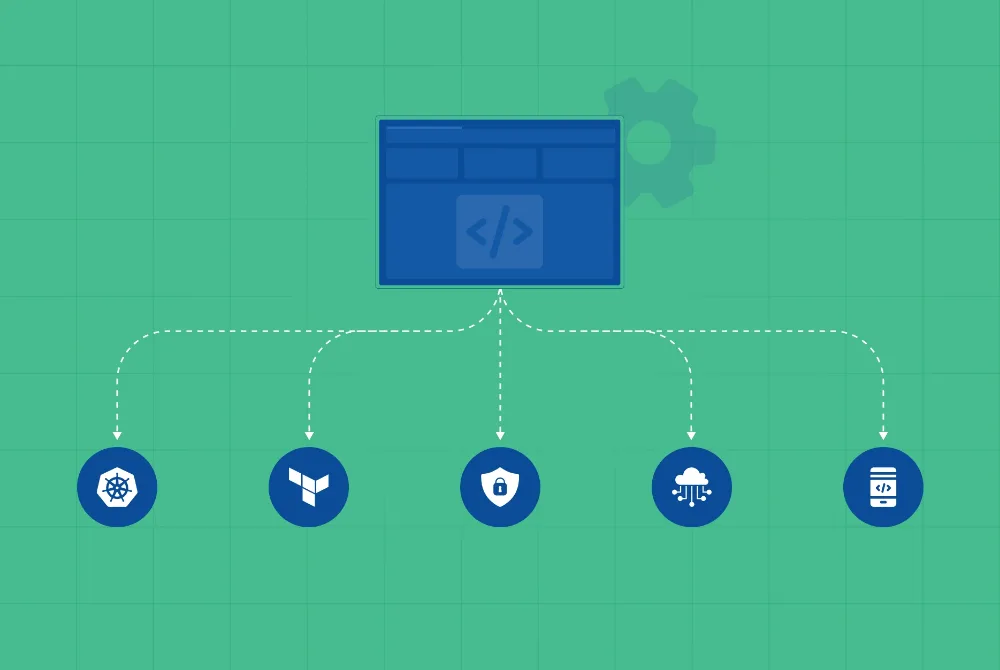
From DevOps to Platform Engineering: The 2026 Blueprint for Enterprise Software Scalability
· Akash Thakor · 4 min read
Software Engineering
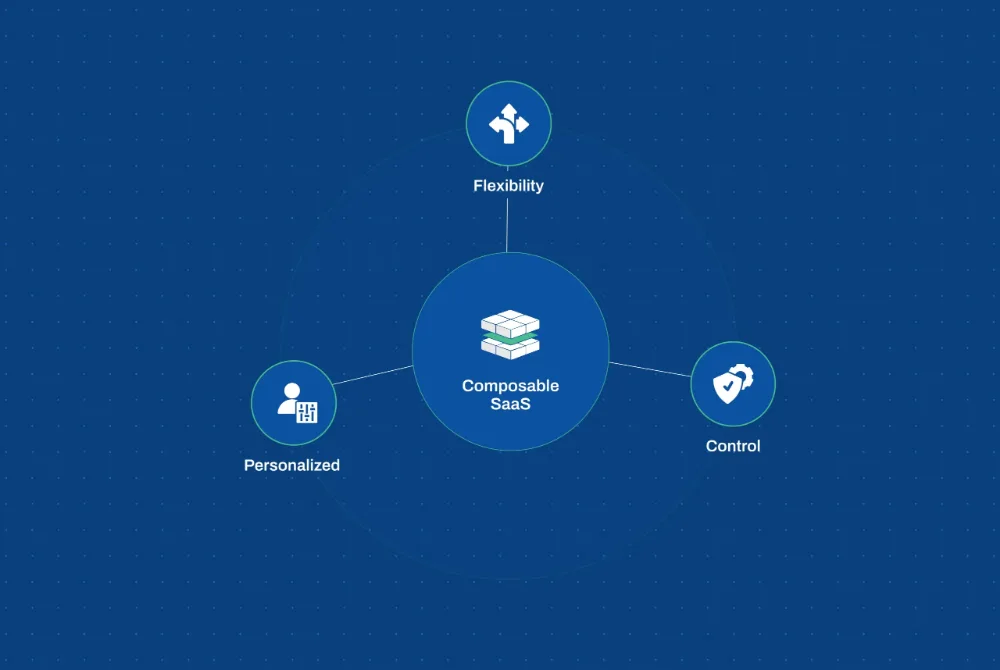
Composable SaaS Architecture: The New Foundation for Hyper-Personalized B2B Platforms
· Akash Thakor · 7 min read
Software Engineering
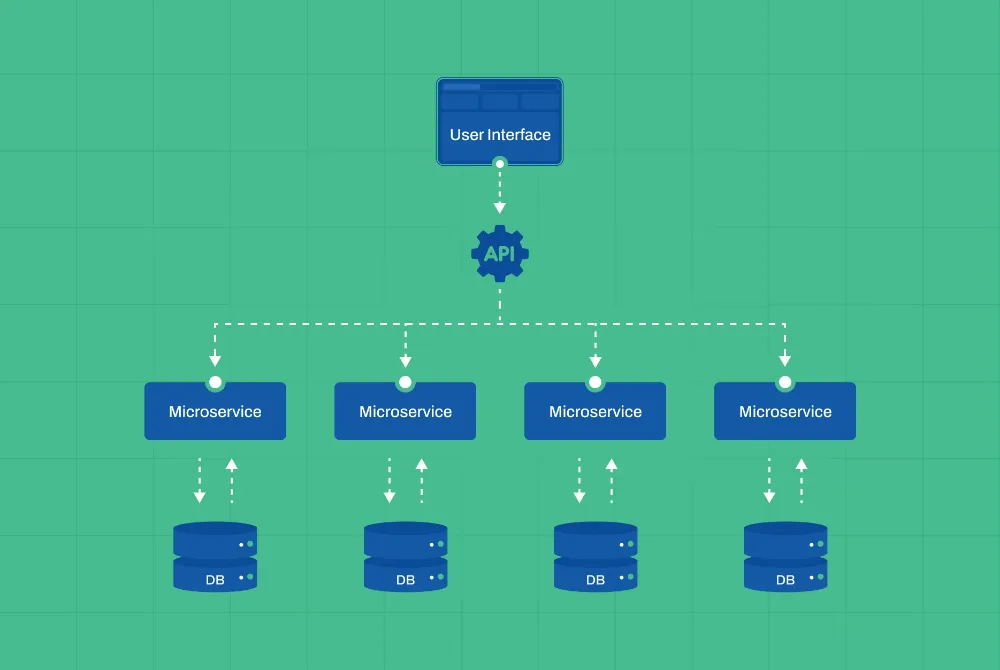
Beyond Multi -Tenancy: Best Practices for SaaS Microservices Architecture in RegTech & FinTech
Frequently Asked Questions About Platform Engineering
Straight answers on what an internal developer platform actually is, how platform engineering differs from DevOps, when a team is big enough to need one, and whether Kubernetes is required at all.
01What do Platform Engineering Services include?
Platform Engineering Services can include internal developer platforms, developer portals, self-service infrastructure, golden paths, Kubernetes platforms, environment provisioning, observability and shared engineering services. The exact scope depends on how development teams currently access infrastructure, deploy applications and manage common engineering tasks.
02What is an Internal Developer Platform?
An Internal Developer Platform gives engineering teams a shared place to access approved infrastructure, environments, tooling and services. It reduces the need to navigate multiple systems or rely on repeated manual requests, while keeping common engineering actions controlled and consistent.
03How is Platform Engineering different from DevOps?
DevOps focuses on improving collaboration, automation and software delivery practices across development and operations. Platform Engineering creates shared tools, services and self-service capabilities that make those practices easier for development teams to use consistently. In practice the two work together: the platform is where a delivery practice becomes the default rather than a convention.
04When does a team need a Platform Engineering team?
Platform Engineering becomes useful when developers spend too much time setting up environments, waiting for infrastructure, repeating the same configuration work or navigating different tools and processes across teams. The signal is repetition: if every team is solving the same setup problem separately, a shared path will pay for itself before a platform team does.
05Do we need Kubernetes to adopt Platform Engineering?
No. Kubernetes can be part of a platform, but it is not a requirement. The platform should use the infrastructure and runtime approach that fits the applications, team structure and operational needs rather than adding Kubernetes by default. A platform that adds a runtime nobody asked for is the extra layer this work exists to remove.
Bring More Consistency to Engineering at Scale
We can help shape the platform, shared services and standards that support your teams as they grow.
One click opens the assistant you already use with a question that points it at this page, so the answer comes from what we publish, not a guess.
The question it opens withRead https://digiwagon.com/platform-engineering-services and explain how DigiWagon runs a Platform Engineering Services engagement, what I should expect in the first 90 days, and how to judge whether a partner like this fits a team of our size. Stick to what the page says and mark anything you are not sure about.