
In the world of scalable SaaS, the traditional model of building the application first and the API later is a direct path to technical debt and slow innovation. An API-first approach inverts this model, treating your API not as an afterthought, but as the central foundation of your entire product. This guide provides a strategic framework for CTOs and technology leaders on the principles, benefits, and process of API-first development.
An Introduction: The API as the Blueprint, Not the Add-on
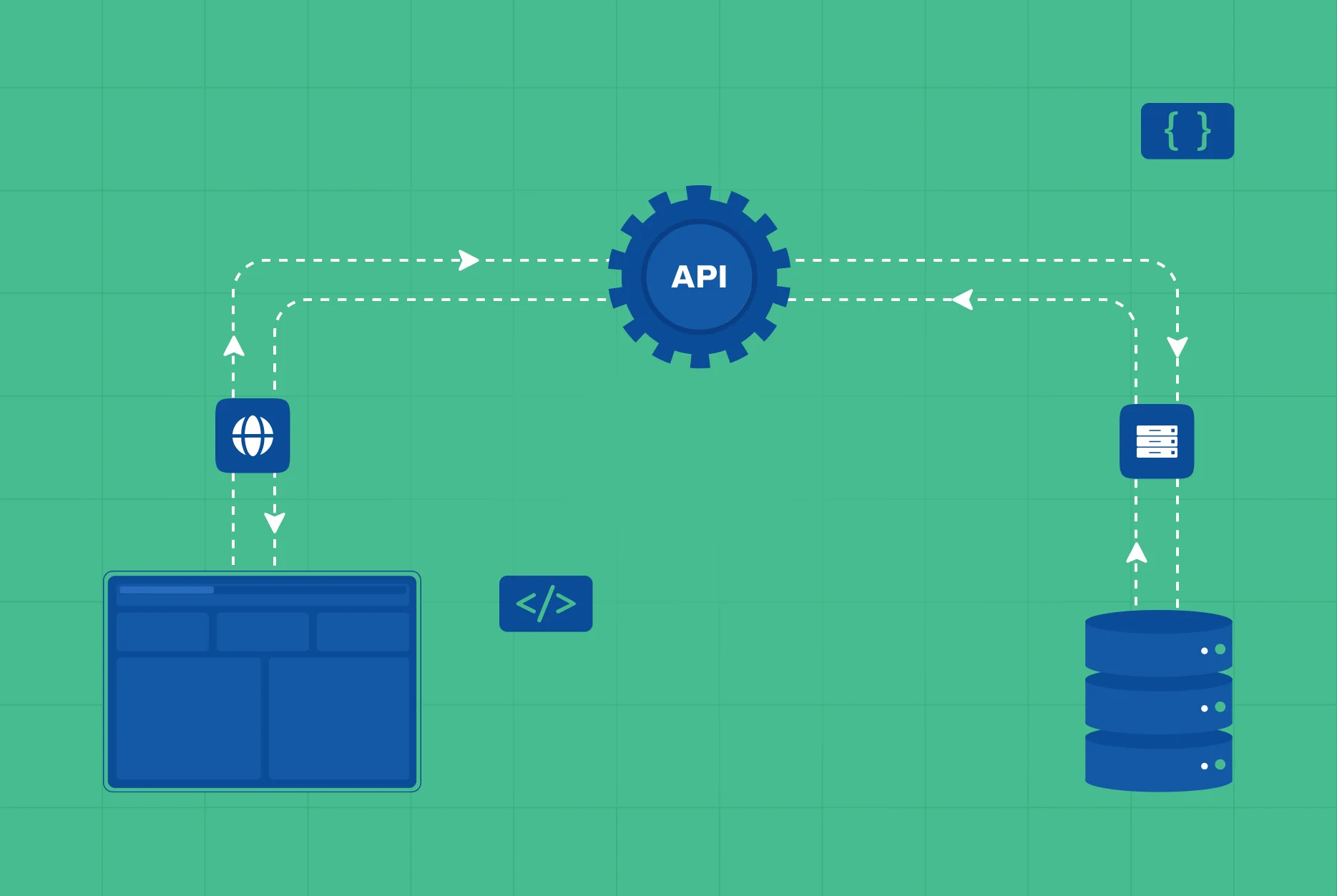
For years, Application Programming Interfaces (APIs) were often treated as a secondary task-a feature to be added after the core web application was built. This “code-first” approach is fundamentally flawed for building modern, scalable products. An API-first development strategy dictates that the API is designed and documented before any other development begins. It is the formal contract, the central blueprint around which all other components-be it your own web front-end, mobile app, or external partner integrations-are built. This is not just a technical methodology; it is a business strategy for achieving true agility and scalability.
The Core Philosophies of an API-First Approach
Adopting an API-first approach means embracing a new way of thinking about product development.
- The API is the Product: Even if your primary product is a web application, the API itself is a first-class citizen. It must be treated with the same level of care in its design, documentation, and developer experience as any other part of the platform.
- Your Consumers Come First: The design of the API should be dictated by the needs of its consumers (your front-end developers, mobile developers, and external partners), not by the internal structure of your database.
- Documentation is a Non-Negotiable Deliverable: In an API-first world, the documentation is the user interface for developers. It must be clear, comprehensive, and interactive, often built using standards like the OpenAPI Specification.
The Business Case: Strategic Advantages of API-First Development
While there is a greater upfront investment in planning and design, the long-term business benefits are significant and directly impact your ability to innovate and scale.
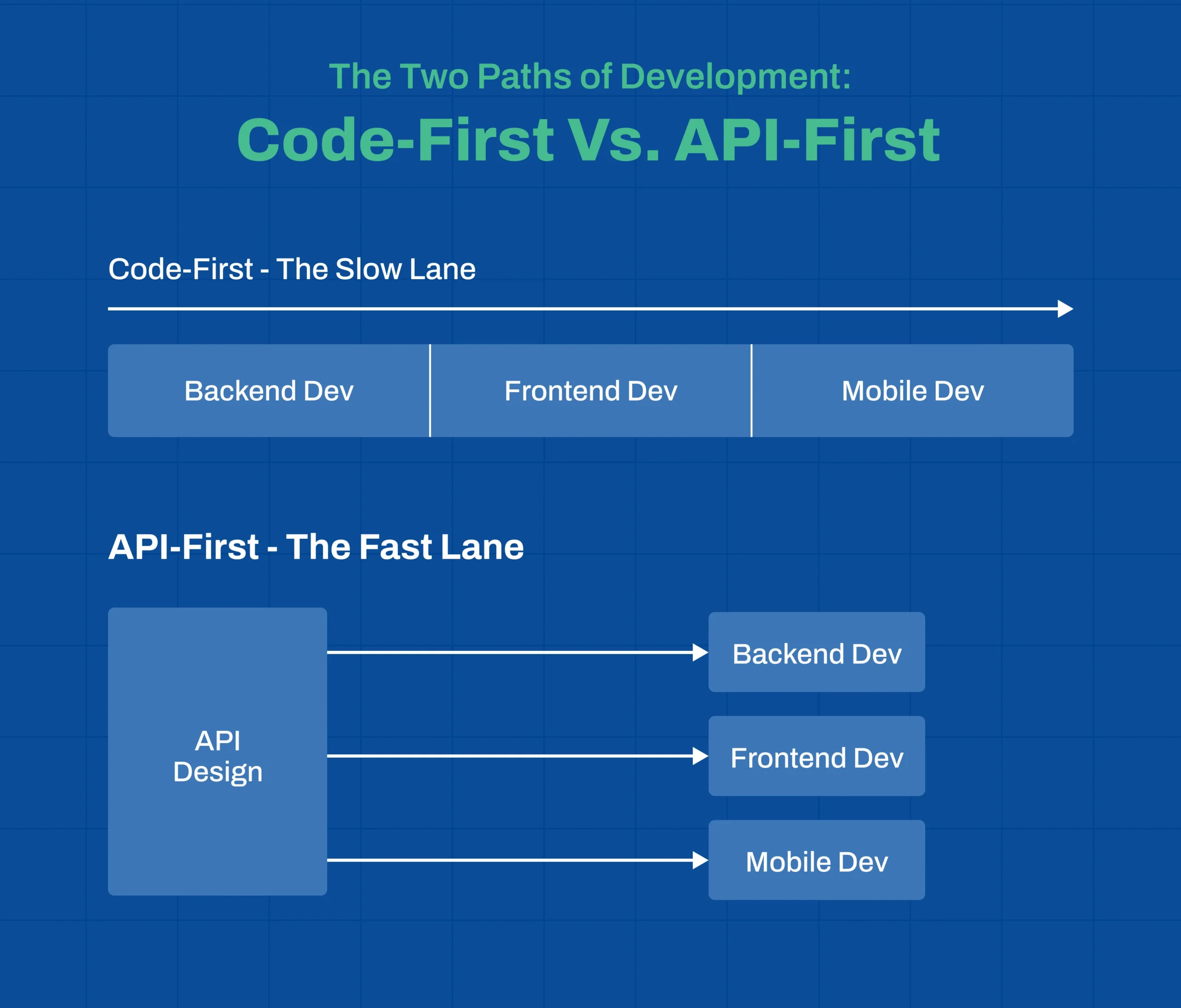
- Accelerated Time-to-Market: By establishing a clear API contract upfront, your front-end, mobile, and back-end teams can all work in parallel. This eliminates dependencies and can drastically reduce the overall development timeline.
- Improved Developer Experience: A well-documented, consistent API makes it faster and easier for both your internal and external developers to build on your platform, fostering a vibrant ecosystem and accelerating innovation.
- Future-Proof Scalability: A robust API allows you to easily add new “heads” (like a new IoT device, a voice app, or a partner integration) to your platform without having to re-architect the core backend logic.
- Consistent User Experience: By ensuring all your applications (web, mobile, etc.) consume data from the same API, you guarantee a consistent and reliable experience for your users across every single touchpoint.
Integration Best Practices for a Scalable Architecture
A successful API-first strategy relies on disciplined execution. Here are some best practices for designing and integrating services.
- Use a Clear and Consistent Naming Convention: API endpoints and data fields should be predictable and easy to understand.
- Implement Robust Security: Secure your APIs from day one using modern authentication and authorisation standards like OAuth 2.0.
- Design for Performance: Implement features like pagination and filtering to ensure your API remains fast and efficient as your data grows.
- Plan for a Full Lifecycle: Manage your API like a product, with clear versioning (/v1/, /v2/) to handle updates and deprecations without breaking existing integrations.
The DigiWagon Advantage: Building Future-Ready Digital Products
In a fast-moving tech landscape, success isn’t just about launching quickly – it’s about building a foundation that can adapt, scale, and thrive for years to come. DigiWagon approaches API-first development as more than a technical choice; it’s a strategic framework for long-term growth across web, mobile, IoT, and beyond.
Here’s how we make it happen:
- Strategy-Driven Architecture: We align every API design decision with your business objectives, ensuring the architecture supports both current needs and future expansion without costly rebuilds.
- Proven Expertise Across Industries: From SaaS platforms to fintech solutions, healthcare systems to e-commerce ecosystems, our experience spans diverse sectors – giving us the insight to solve complex integration and scalability challenges.
- Developer Experience at the Core: Great APIs empower developers. We craft intuitive structures, maintain consistent standards, and deliver thorough documentation so teams can integrate faster and innovate sooner.
- Built for Tomorrow: Our API-first approach future-proofs your digital product, making it easy to integrate emerging technologies, scale to new markets, and maintain performance as demand grows.
The result: A robust, flexible digital foundation that accelerates innovation, supports seamless integrations, and adapts to whatever the future brings.
Conclusion: Building a Foundation for Innovation
API-first development is a strategic commitment to building better products, faster. It enforces a discipline that pays long-term dividends in the form of increased development velocity, a more consistent user experience, and the architectural flexibility to seize new opportunities without hesitation. It is the blueprint for building the scalable SaaS products of the future.
Is your current architecture slowing down your innovation?
Let’s discuss how an API-first approach can provide the foundation for your company’s growth.