Python Development Services for AI, Data and Backends
Game of Codes: Python’s on the Throne.
Regular software lacks edge. Custom Python brings the whole table: FastAPI and Django on the backend, the data stack for pipelines and analytics, and the AI muscle — retrieval, agents, forecasting — that makes a product smarter than its competitors.
With our Python crew on deck you get a rhythm, not just code. Two of our published platforms run on it, both for manufacturers.
Flawless, Functional, Freakin’ Development Services
Python development services from Python developers who ship it to production: Python AI development, backend development in Python and automation with Python. Each row links to the DigiWagon practice behind it.
01
Custom Python Web App Development
We don’t just create apps; we build fast, smooth and seriously interactive Python-powered platforms on FastAPI or Django — typed with Pydantic, tested with pytest, containerised and deployed with CI — that feel effortless to use, whatever the device or industry.
FastAPI or DjangoPydantic models and pytestContainers and CIAPIs for web and mobile clients
Scalable, real-time-ready systems that stay cool under pressure: async FastAPI services, Celery or Arq workers for the heavy lifting, PostgreSQL and Redis behind them, and observability so you know what crunched what.
Async servicesCelery or Arq workersPostgreSQL and RedisTracing and observability
Python-backed AI and ML tools that learn and keep you ahead of the curve: forecasting, anomaly detection and classification with documented features, evaluation and drift monitoring. For a manufacturer we built the intelligence platform that made insight discovery 45% faster.
Forecasting and anomaly detectionDocumented features and evaluationDrift monitoring in productionscikit-learn to PyTorch
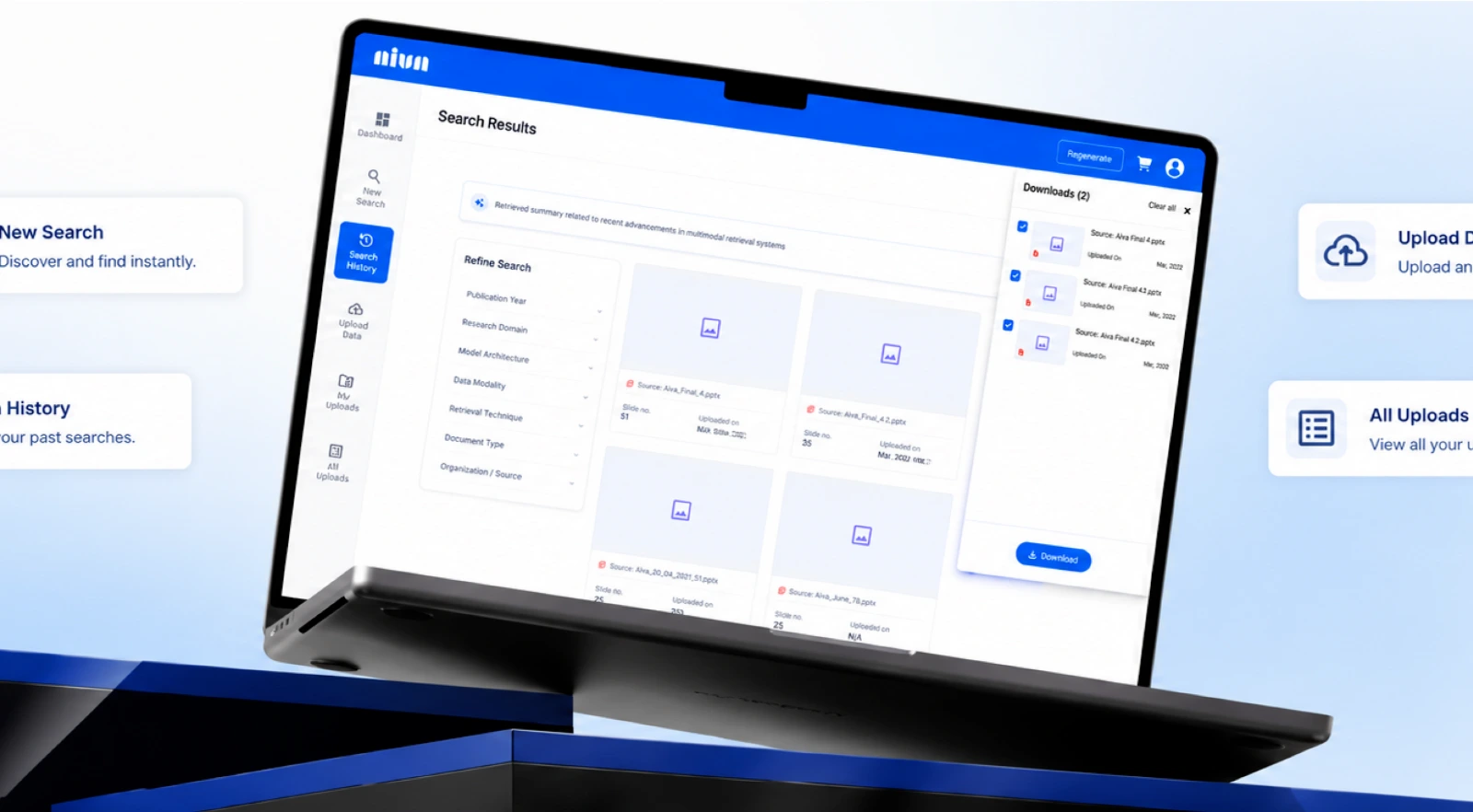
Source-backed retrieval over your documents with the citation attached: for a global consumer-goods company we built the production-grade RAG platform that made information 70% faster to find and cut manual knowledge discovery by 60%.
Retrieval pipelines and vector storesGrounded answers with citationsAccess-aware searchEvaluation before general availability
Say hi to smarter workflows: ETL and ELT pipelines, scheduled jobs, document processing and integrations that save real hours, built with lineage and alerting so a silent failure is not an option.
ETL and ELT pipelinesScheduled and event-driven jobsDocument processingLineage and alerting
Still running on dinosaur-era code? We shift to modern Python frameworks without the mess: Python 2 to 3, legacy Django to current, monolith to services where it pays — no data loss, no downtime, plenty of glow-ups.
Python 2 to 3Legacy Django to currentMonolith to services where it paysParallel runs and cutover
Why hire us for Python, in five lines you can hold us to.
Code Less, Flex More
Why write a novel when Python’s libraries do the talking? Less boilerplate, more functionality, and your brain saved for the big stuff.
Prototype at Warp Speed
From idea to “it works!” in days: notebooks for the exploration, FastAPI for the first endpoint, the same language all the way to production.
Bend It Like Django
Batteries included: ORM, admin, auth and migrations out of the box, so a data-heavy product reaches production before the meeting about it ends.
Brainy Libraries, Built In
NumPy, pandas, scikit-learn, PyTorch, LangChain — the AI and data ecosystem lives in Python, which is why the intelligence layer of a product usually does too.
Read It Like a Human
Clean code that reads almost like English, so “future-friendly” means zero decoding trauma for the developers who inherit it.
Tech expertise
Our Tech Vault At Your Command
Python is the intelligence layer of this stack; here is the rest of what we ship it with. Every name with a page of its own is a link.
What changes when the team actually knows the stack, in six rows.
Feature
DigiWagon
Other agencies
Backend architecture
Built like a boss — modular, mighty, made to last, and load-tested before launch.
Patchy blueprints that crumble under real-world traffic.
API mastery
REST, GraphQL, gRPC, webhooks — versioned, documented, idempotent. You name it, we ship it.
REST-only mindset with clunky API designs.
Estimation
Real timelines and budget, no plot twist — the estimate names its assumptions.
Estimate comes with ‘oops, missed that!’
Security protocols
Dependency audits on every pull request, secrets out of the code, patches on a schedule.
Oh, did we forget that patch?
Post-launch care
We watch it like a hawk — monitoring, upgrades, incident response. Not even a blink.
Ghosting after launch — hope you have backup plans.
Documentation
Docs so clear even your interns can hand them off: OpenAPI, runbooks, decision records.
Documentation? Yeah, we will get back to you on that…
Industries
Where Our Python Work Lives
Three of the nine industries we build for, with the Python work or the Python fit behind each, linked to the industry page.
01
Manufacturing
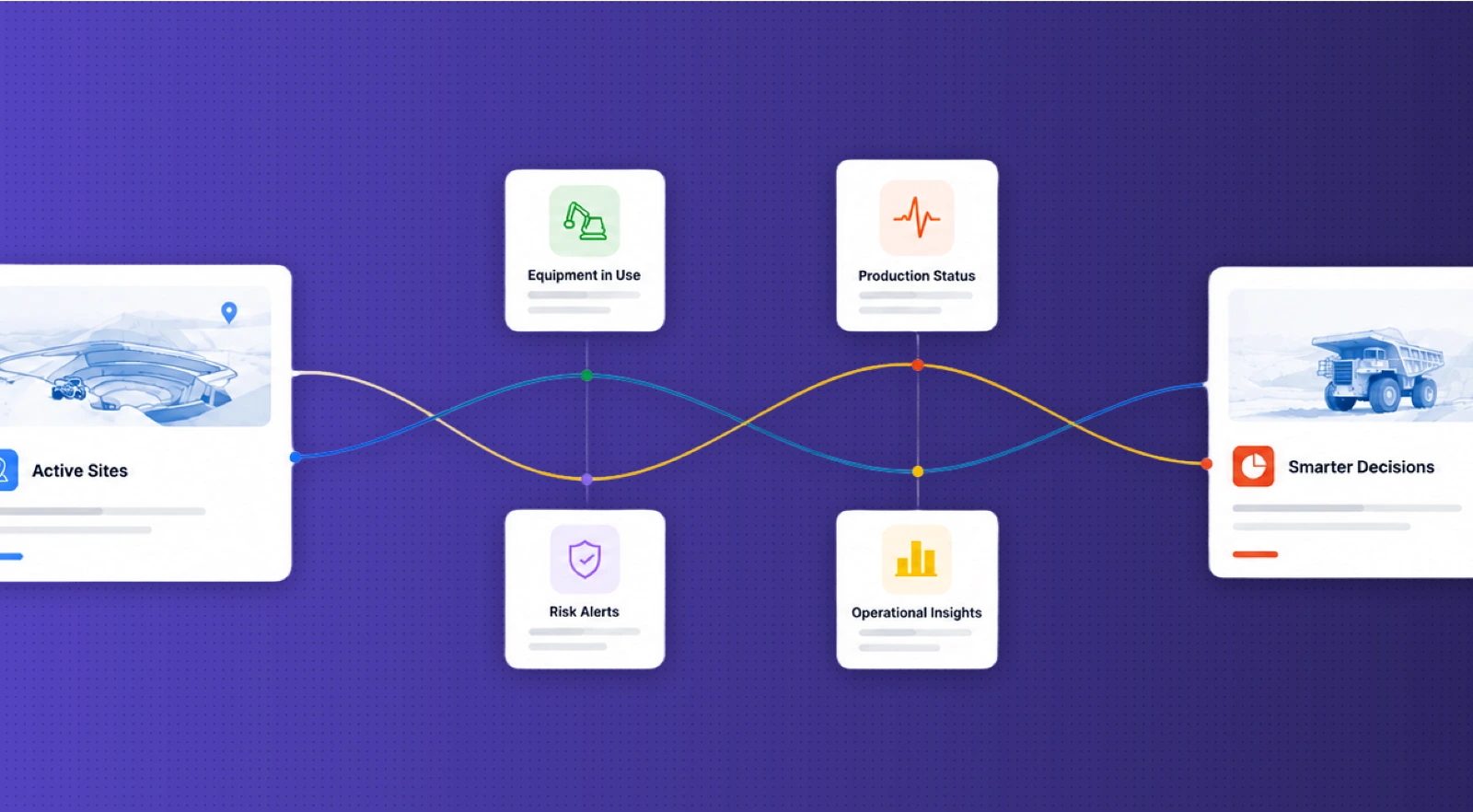
A production-grade retrieval platform for a consumer-goods company — information 70% faster to find, manual discovery down 60% — and a mining intelligence platform with insight discovery 45% faster, both Python.
AI features inside products — copilots, scoring, forecasting — served from Python services beside a Node.js or Java core, with a typed contract between them.
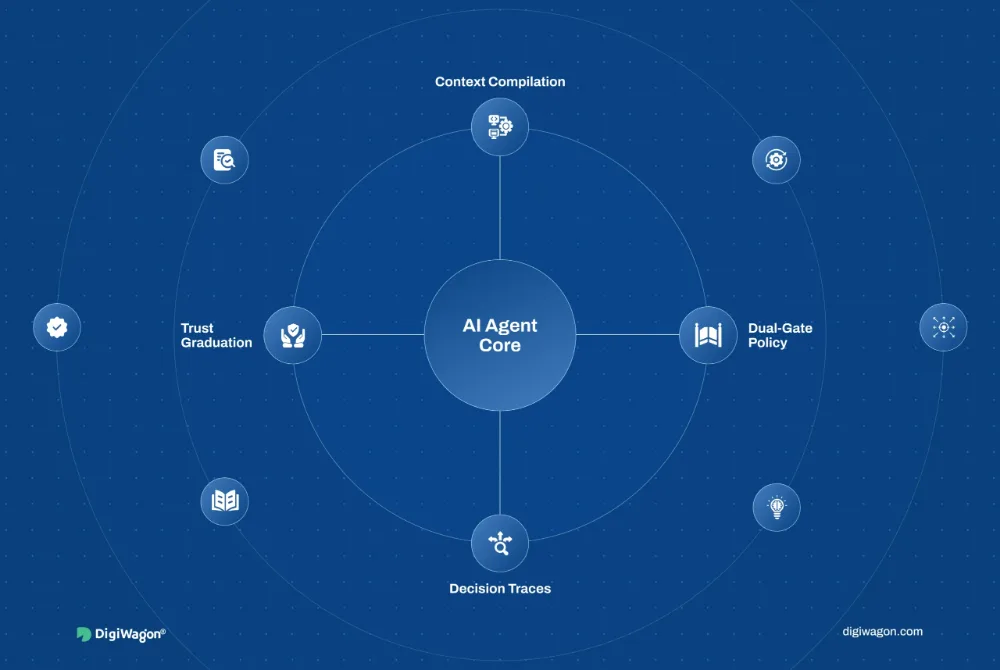
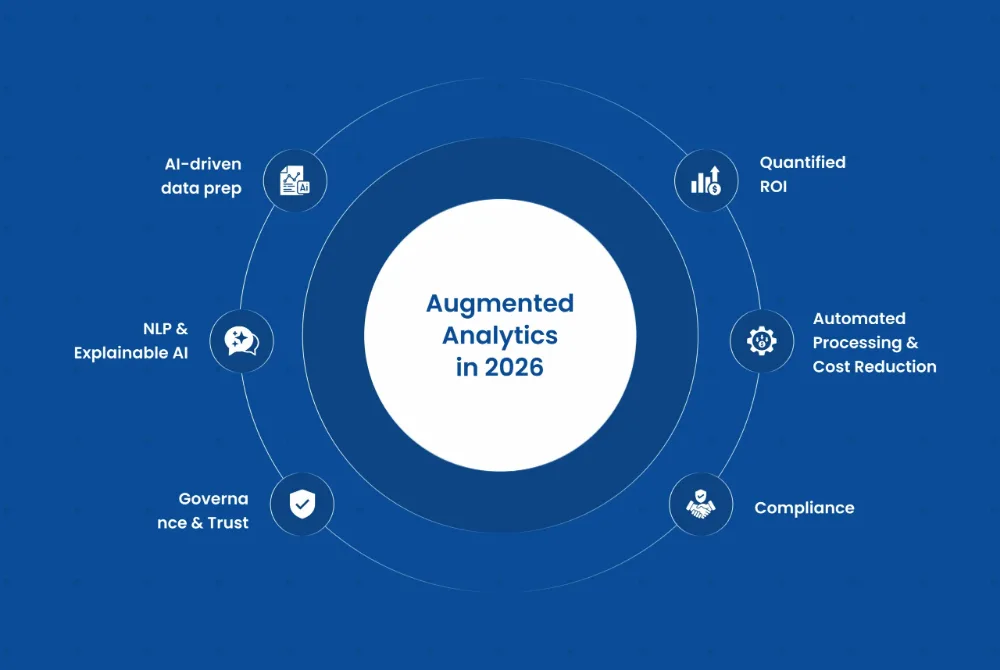
Writing from the data and AI work: governed enterprise agents behind a decision harness, the modern data stack for scalable SaaS products, and quantifying the return on augmented analytics.
AI & Machine Learning
Governed Enterprise AI Agents: A Decision-Harness Architecture
· Kartik Gajjar · 10 min read
Data & Analytics
Augmented Analytics in 2026: Quantifying the ROI of AI-Driven Insights for Global Enterprises
· Charmi Shah · 3 min read
Data & Analytics
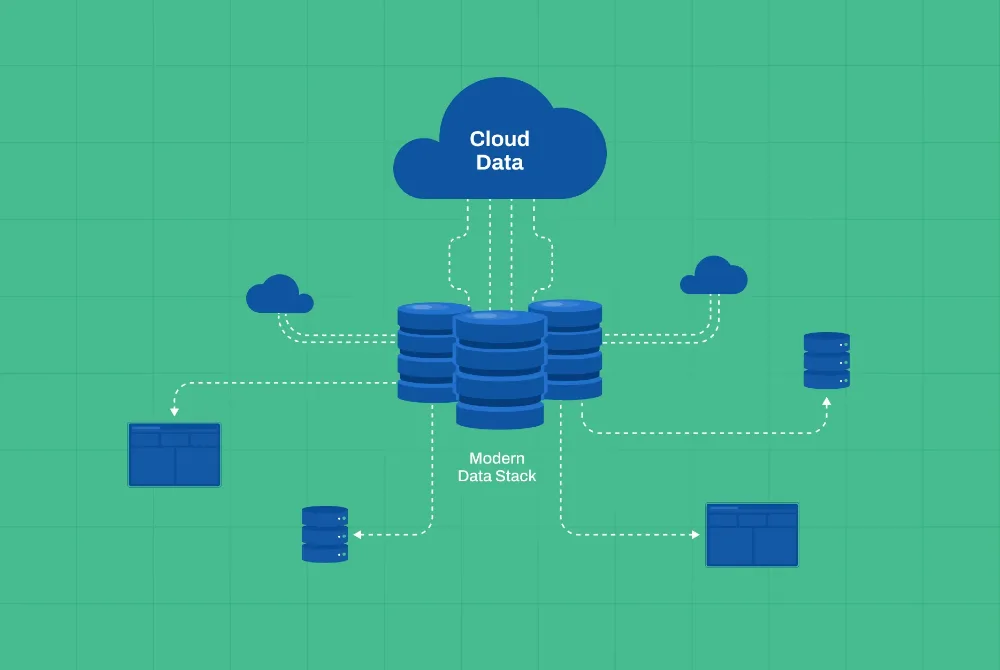
Building the Modern Data Stack in 2026: A CTO’s Guide to Unifying Cloud Data for Scalable SaaS Products
Direct answers on what we build with Python, startups versus enterprises, adding AI to an existing product, security and how involved you can be while our Python development services build it.
01What kind of projects can you build with Python?
From snappy web apps and APIs to AI brains and powerful backend systems: retrieval platforms over millions of documents, forecasting and anomaly models, data pipelines, automation and the FastAPI or Django services that serve them. If it involves data or intelligence, Python is usually where it lives.
02Is Python good for startups or enterprise builds?
Totally, and for different reasons. Startups get speed — a working prototype in days and one language from notebook to production. Enterprises get the ecosystem: mature frameworks, typed code with Pydantic and mypy, and the AI and data libraries their roadmap will need. It scales like a champ when the architecture is designed for it.
03Can Python add AI or third-party tools to our existing product?
Absolutely — Python is a social butterfly. We add retrieval, prediction or automation as services beside your existing stack, integrate with APIs, payment gateways, CRMs and legacy systems, and keep the boundary clean with typed contracts, so the AI layer ships without a rewrite of what already works.
04How secure are the apps you build with Python?
Rock solid, when built that way: dependency audits and pinned lockfiles, runtime validation on every input, secrets outside the code, authentication in middleware, containers scanned in the pipeline and monitoring in production. We follow the practices, then test them, so the app stays safe from day one and after each upgrade.
05How involved can I be in the development process?
As much as you want. Transparent workflows, two-week increments with a demo, a shared board and collaborative tools keep you in the loop; or let us build and read the weekly note. Either way, decisions and their reasons are written down, so you can pick up the thread at any point.
Let Python Into the Code Jungle
We machete through bugs so you don’t have to. Tell us what the product has to learn, predict or process, and we will show you comparable Python work before anything is scoped.
One click opens the assistant you already use with a question that points it at this page, so the answer comes from what we publish, not a guess.
The question it opens withRead https://digiwagon.com/python and explain when DigiWagon recommends Python, what it would ask about my product before scoping, and which of its case studies are relevant. Stick to what the page says and mark anything you are not sure about.