
Multimodal Decision Intelligence: Executive Summary
- MDI correlates vision, voice, and IoT sensors into one decision engine
- Single-stream industrial AI causes false shutdowns and missed context
- The outcome is sense-and-respond orchestration across Industry 4.0 operations
- Production success depends on fusion, temporal alignment, and edge execution
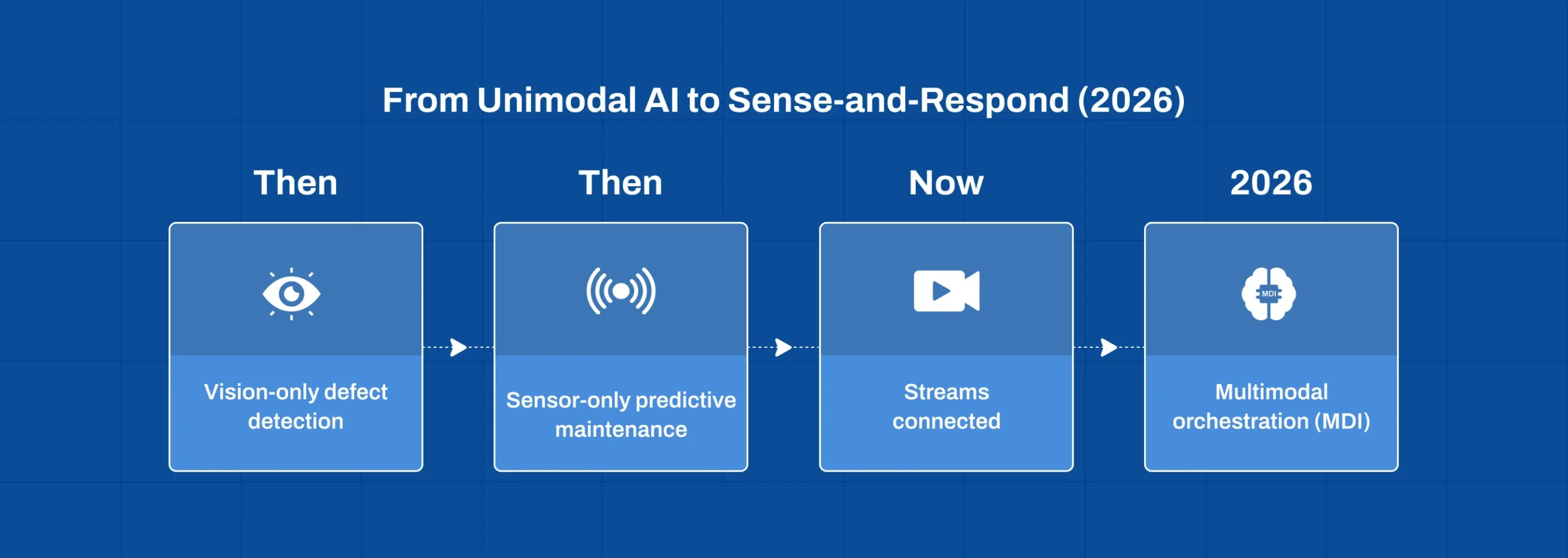
Industry 4.0 is changing how factories collect, process, and act on data. Traditional systems often rely on a single stream of information, such as camera feeds or sensor readings, which can limit visibility and slow down decision-making. Multimodal Decision Intelligence solves this problem by combining vision, voice, and sensor data into one connected system.
This approach gives manufacturers a clearer view of operations, helps teams respond faster to issues, and improves accuracy across production, maintenance, and quality control. Instead of working with isolated signals, businesses can make smarter decisions using multiple data inputs together.
What Is Multimodal Decision Intelligence?
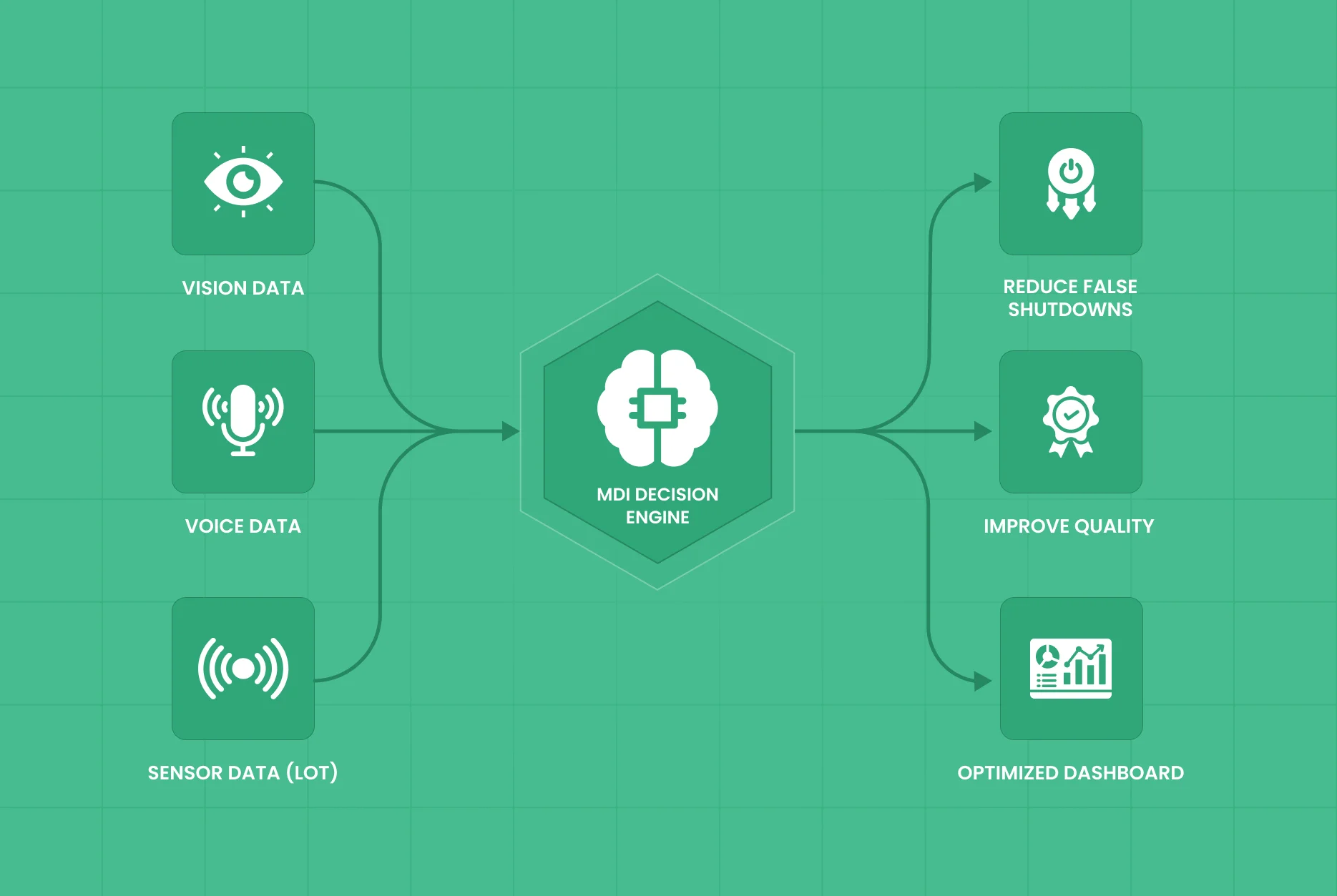
Multimodal Decision Intelligence is the use of AI to analyze multiple types of data together in one decision-making framework. In industrial environments, this usually means combining computer vision, operator voice inputs, and IoT sensor data.
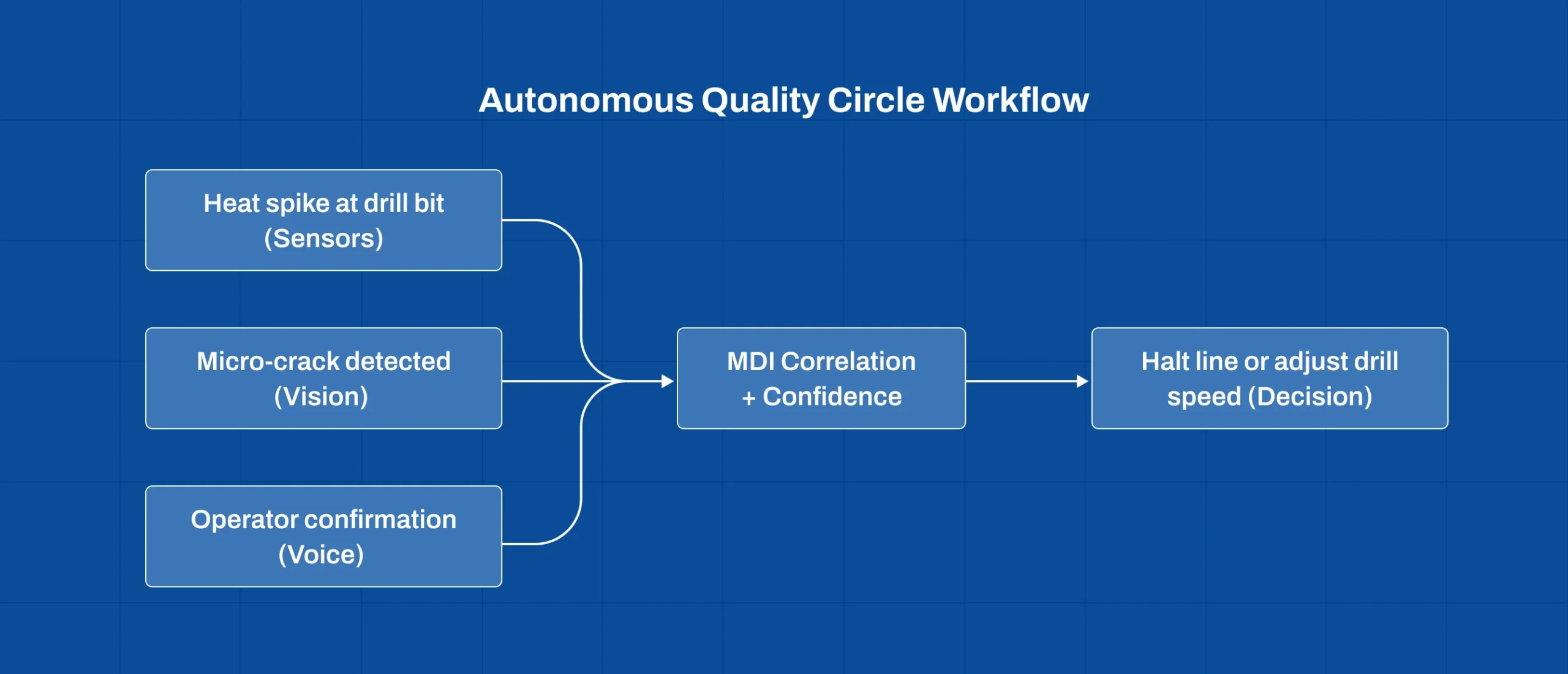
Rather than treating each input separately, the system connects them to generate richer insights. A camera may detect a visible defect, sensor data may show abnormal vibration, and voice input may add operator context. When these signals are combined, businesses can understand not just what is happening, but also why it is happening.
Why Industry 4.0 Needs Multimodal AI
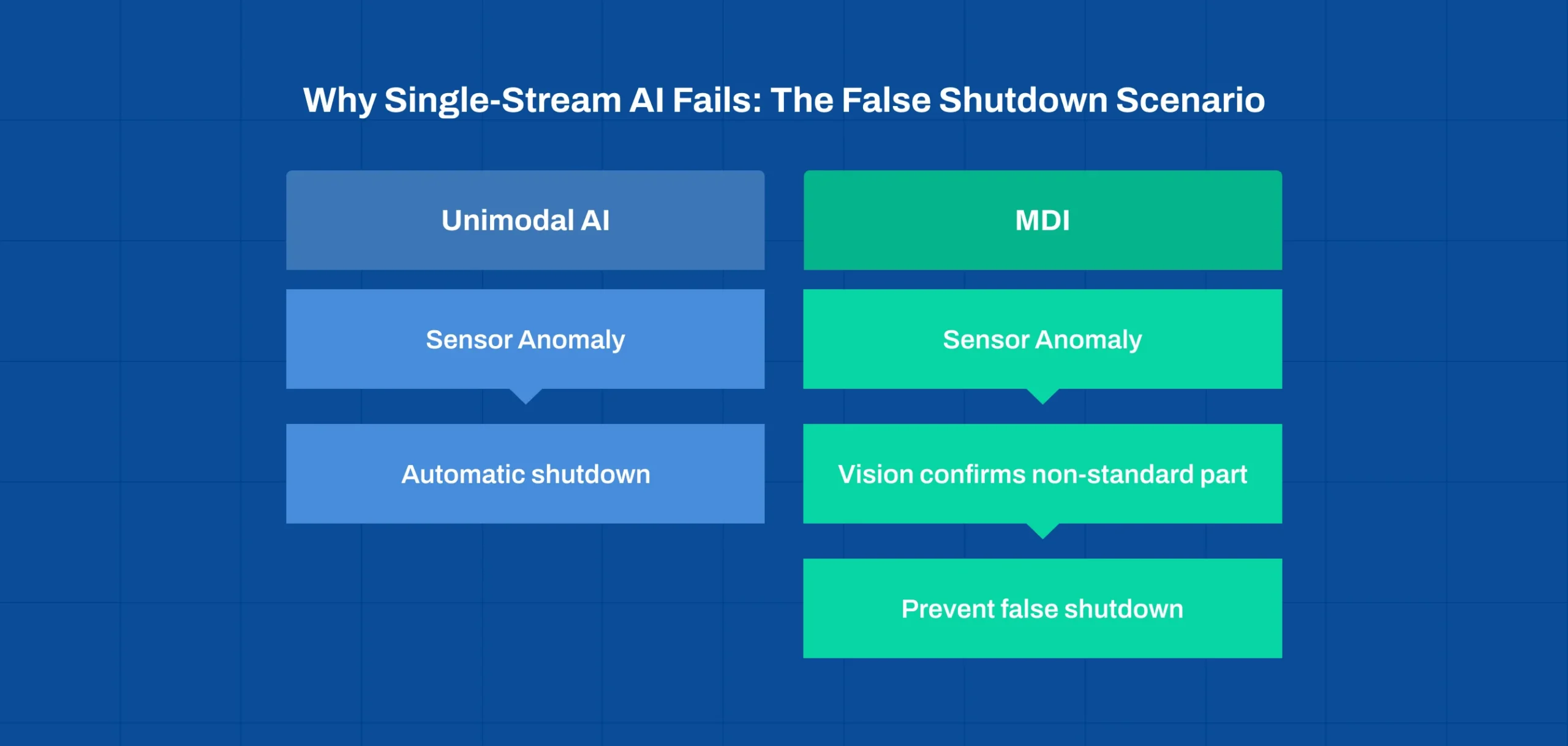
Modern factories generate huge volumes of data, but single-stream systems often miss the full picture. A sensor may flag an anomaly without showing the physical cause. A visual system may detect a defect without knowing whether it came from heat, pressure, or vibration. Human observations may never enter the system at all.
Multimodal AI helps solve this by bringing different signals together. It improves context, reduces false alerts, and supports faster operational decisions. For Industry 4.0 environments, this means moving beyond siloed monitoring and toward more connected, intelligent automation.
How Vision, Voice, and Sensor Data Work Together
To understand the value of multimodal systems, it helps to look at the role of each data source.
Vision Data
Computer vision acts as the eyes of the factory. It can detect defects, monitor equipment movement, inspect products, and track production line activity.
Voice Data
Voice acts as the human input layer. It can capture spoken maintenance notes, operator feedback, alerts, and verbal observations that often get missed in standard systems.
Sensor Data
Sensors provide machine-level insights such as temperature, pressure, vibration, speed, and humidity. These signals help monitor equipment health and process stability.
Combined Outcome
When these inputs are analyzed together, factories gain a more complete understanding of what is happening in real time. This leads to better decisions, faster issue resolution, and improved operational visibility.
Key Benefits of Multimodal Decision Intelligence
Multimodal Decision Intelligence offers clear benefits for industrial operations:
- Better decision-making by combining multiple data sources into one view
- Improved predictive maintenance through earlier and more accurate issue detection
- Stronger quality control by connecting visual inspection with machine performance data
- Faster response times through real-time monitoring and context-rich alerts
- Higher efficiency by reducing downtime and improving workflow visibility
These benefits make multimodal AI especially valuable for manufacturers looking to improve resilience, reduce operational risk, and scale automation more effectively.
Real-World Use Cases in Industry 4.0
Multimodal systems are already relevant across several industrial workflows.
Predictive Maintenance
Sensors can track vibration or temperature changes while vision systems identify visible wear, alignment issues, or abnormal machine behavior. Together, these signals improve maintenance planning and reduce unplanned downtime.
Quality Control
Vision systems inspect products for defects, while sensor data confirms whether production conditions stayed within acceptable limits. This improves accuracy and reduces the chance of faulty output reaching customers.
Worker Safety
Voice alerts, visual monitoring, and environmental sensors can work together to identify unsafe conditions faster. This helps teams respond quickly and strengthen workplace safety protocols.
Logistics and Operations
In connected supply chain environments, multimodal systems can combine equipment data, environmental signals, and human input to improve coordination, reduce delays, and support faster operational decisions.
Multimodal AI Implementation Best Practices
To get the most value from multimodal AI, businesses need a clear implementation strategy. The first step is identifying where combined data inputs can improve decision-making, such as predictive maintenance, quality control, or worker safety. From there, companies should focus on connecting data sources, ensuring data quality, and choosing tools that support real-time analytics.
It is also important to start with a scalable architecture. Many manufacturers begin with a pilot project in one production area before expanding across operations. This reduces risk, improves adoption, and helps teams measure performance before a wider rollout.
Challenges of Implementing Multimodal AI
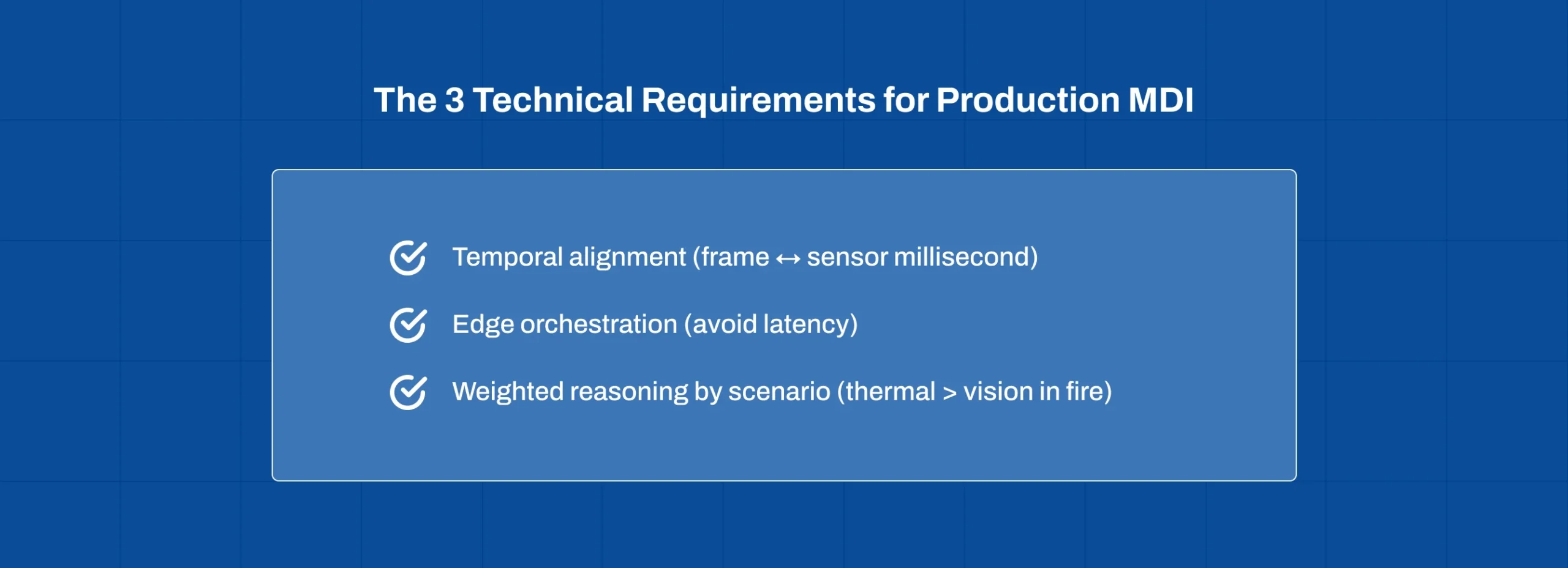
While the benefits are strong, implementation also comes with challenges. Businesses need to manage data integration across multiple systems and ensure that different signals align correctly in time and context. They also need reliable connectivity, strong data governance, and the right AI models to process large volumes of industrial information.
Another important factor is latency. In many industrial environments, decision-making needs to happen in real time. That is why edge processing, system compatibility, and scalable architecture are important parts of a successful deployment.
How DigiWagon Supports Industry 4.0 Transformation
Enabling connected, data-driven industrial decisions through AI, automation, and smart system integration.
- AI strategy for Industry 4.0 Identify the right multimodal use cases across maintenance, quality control, safety, and operations.
- System integration expertise Connect vision, voice, and sensor data with existing industrial systems such as IoT platforms, PLCs, and SCADA environments.
- Custom multimodal solutions Build AI-driven workflows tailored to specific manufacturing goals and operational needs.
- Real-time decision support Enable faster, more accurate actions through connected data pipelines and intelligent analytics.
- Scalable implementation Support pilot projects, phased deployment, and long-term digital transformation across factory environments.
- Operational optimisation Help reduce downtime, improve quality, and increase efficiency through data-driven industrial intelligence.
Conclusion
Multimodal Decision Intelligence is helping Industry 4.0 move beyond isolated data analysis. By combining vision, voice, and sensor data, businesses can improve automation, strengthen quality control, support predictive maintenance, and make smarter decisions in real time.
As industrial systems become more connected, multimodal AI will play a growing role in building efficient, resilient, and intelligent operations.
Turn Industrial Signals Into Actionable Intelligence
DigiWagon helps manufacturers unify vision, voice, and sensor data into real-time decision systems designed for quality, speed, and resilience.