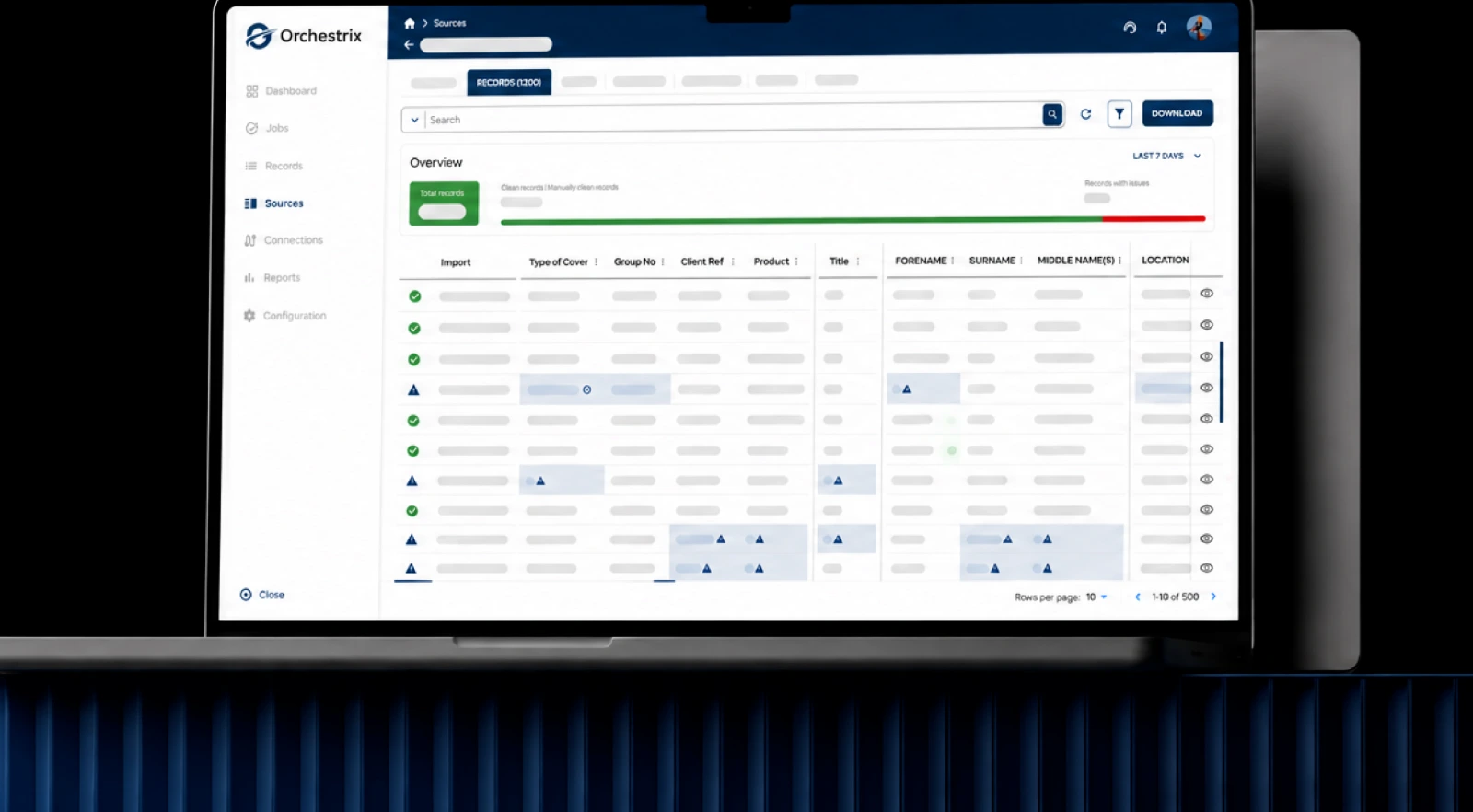
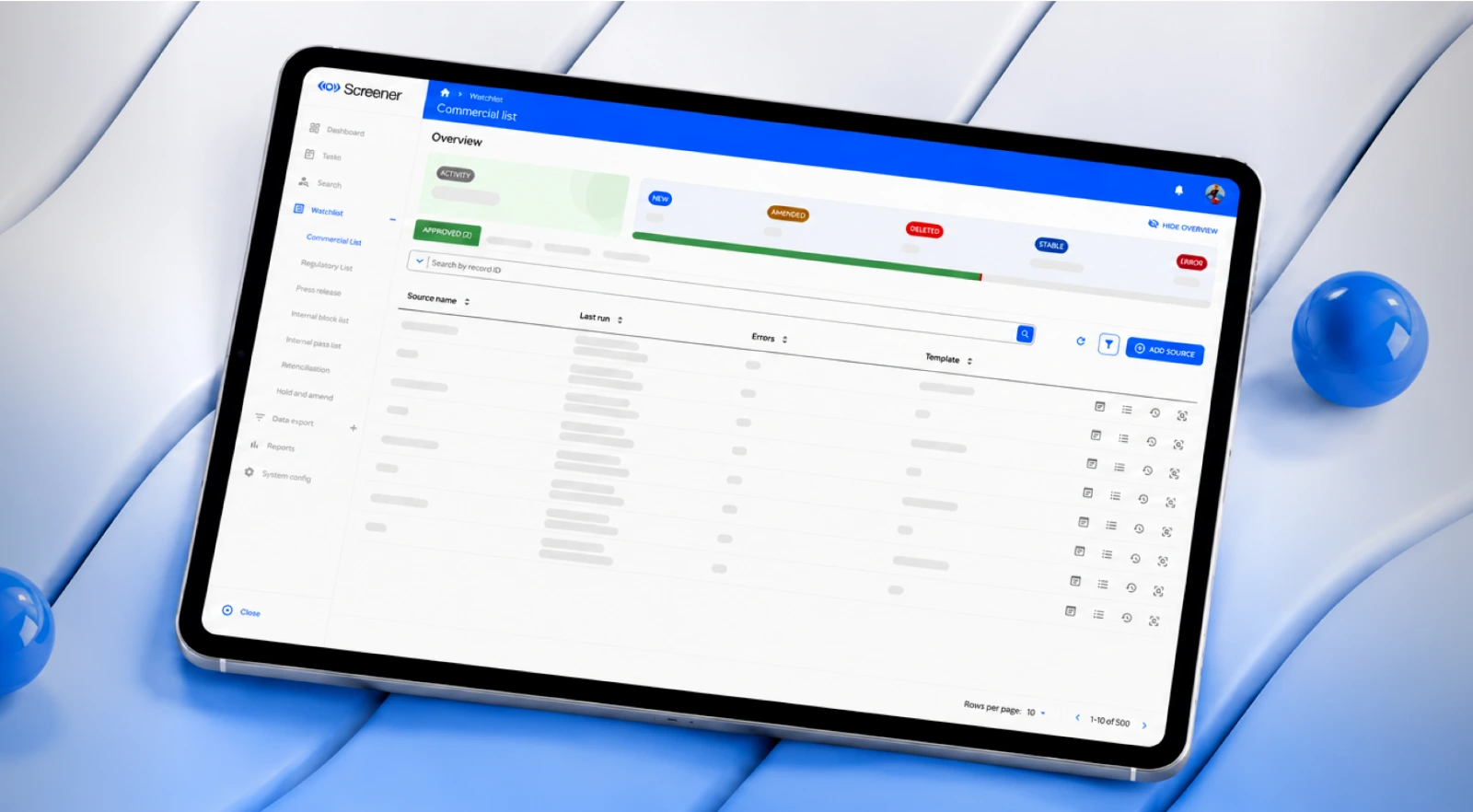
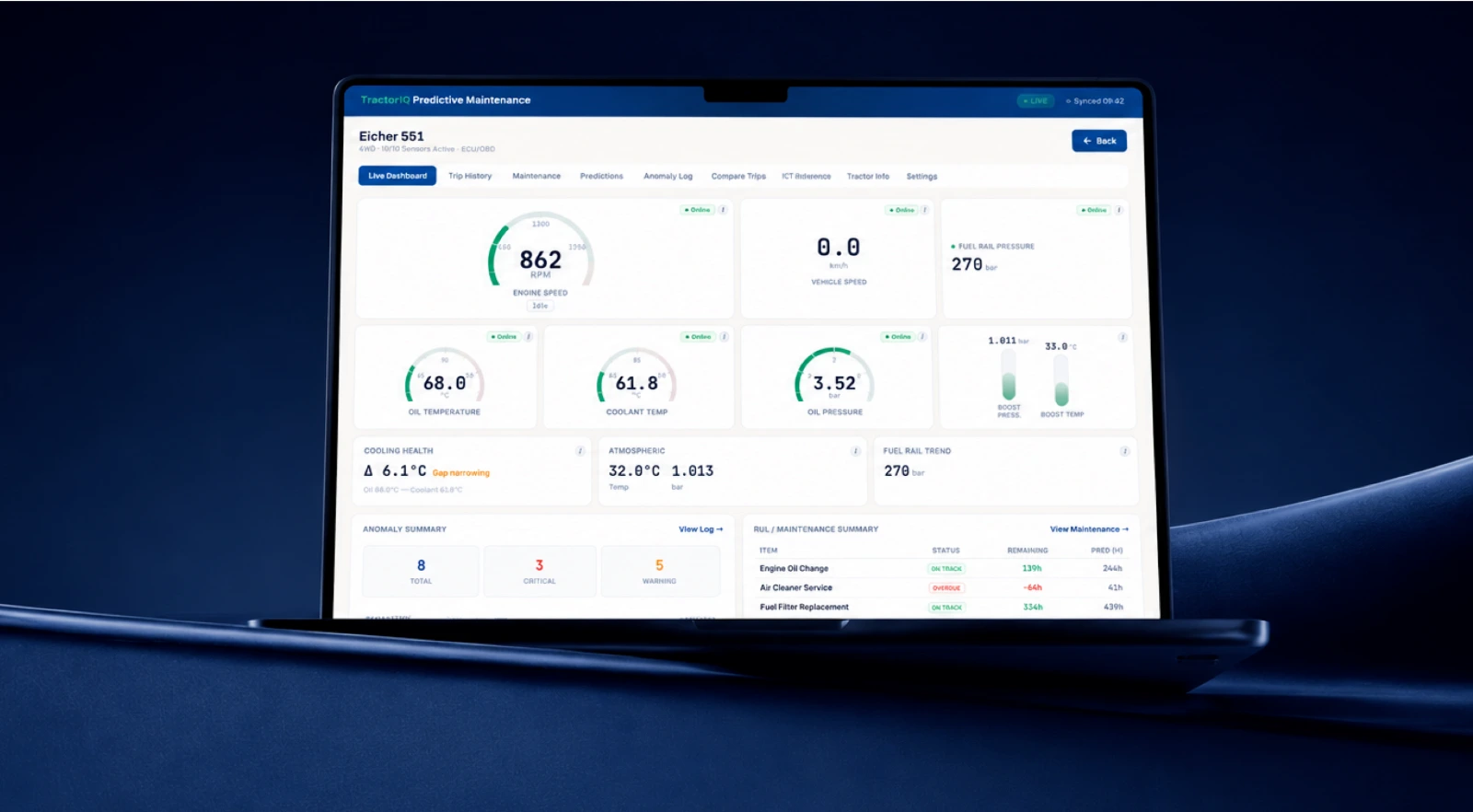
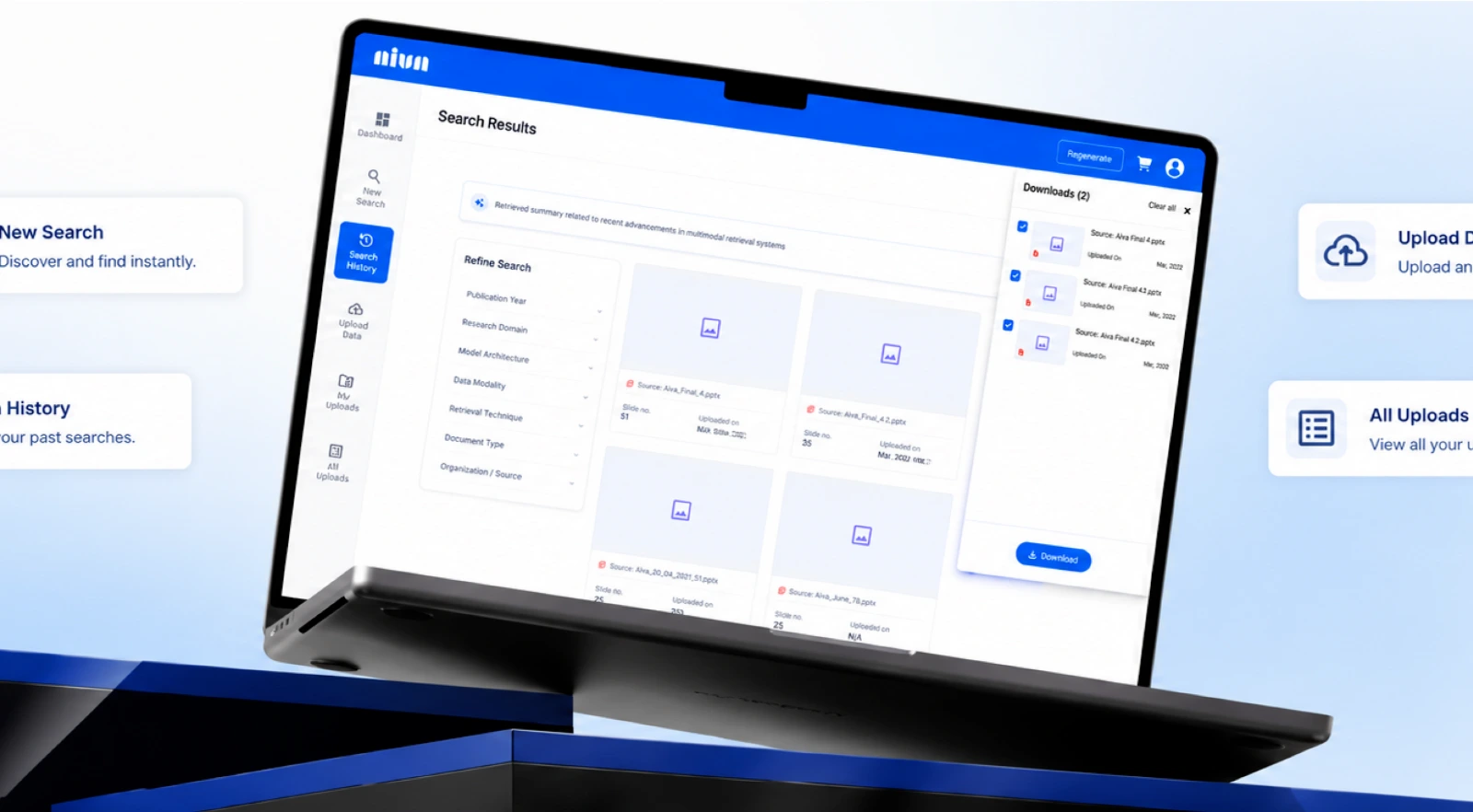
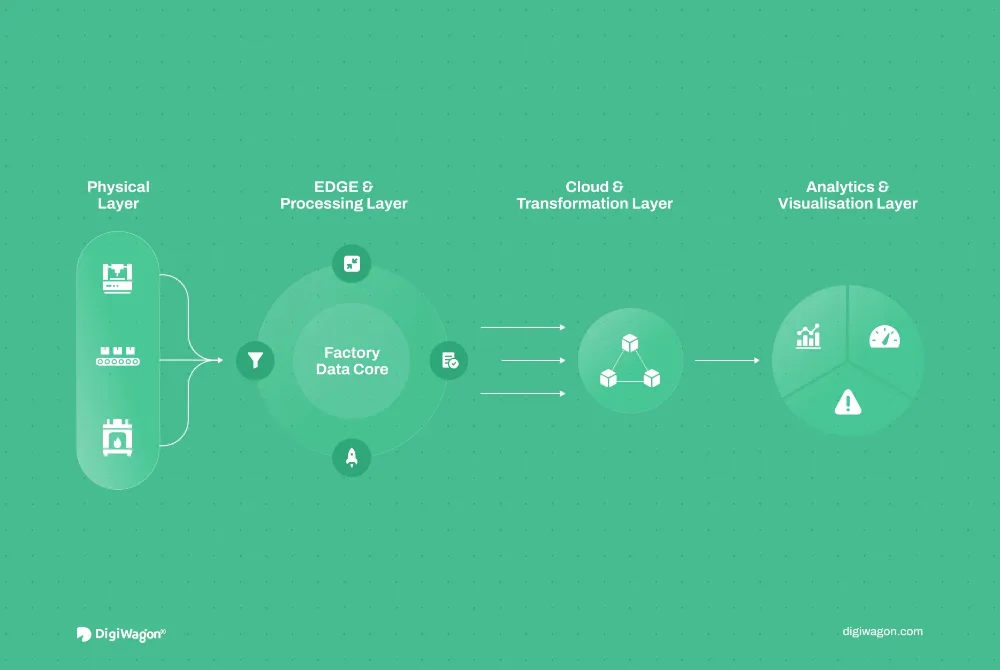
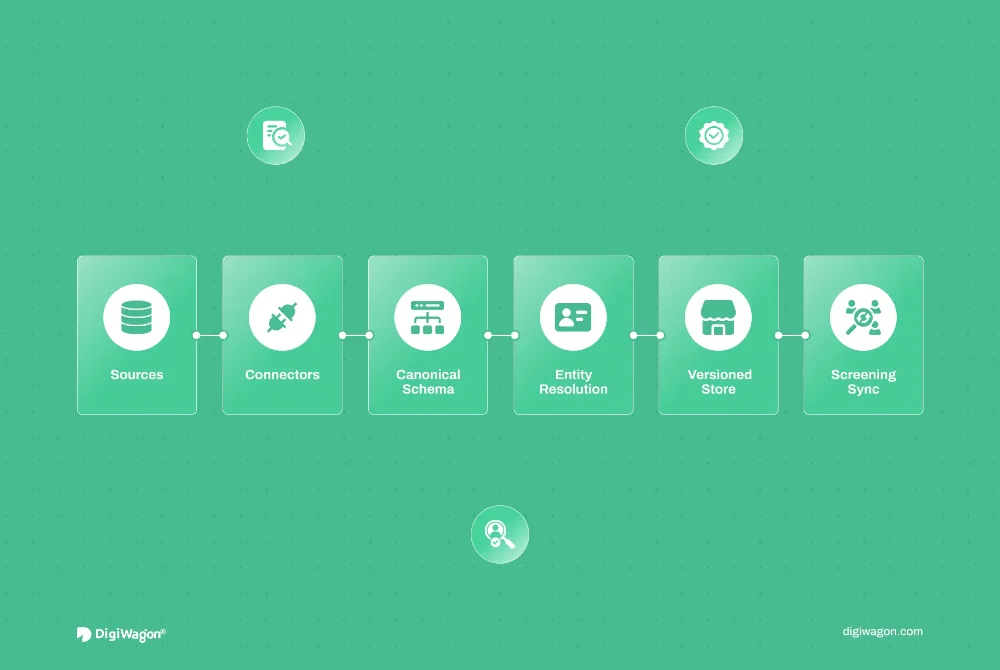
We design data pipelines, ingestion and transformation layers that keep information accurate, traceable and available as sources, volumes, and downstream demands change.
Volumes, workloads or the number of teams reading from it have moved past what the current environment was sized for, and every query is somebody’s problem.
What we would build
What you could end up with
A cloud data platform sized around the workloads it actually runs
Distributed processing where the volume genuinely needs it
Compute and storage cost that is visible before the invoice
Reporting, analytics and modelling each pull from wherever is convenient, so the same measure is computed three ways and nobody can say which is right.
What we would build
What you could end up with
A warehouse, lake or lakehouse chosen around the workloads, not the trend
Dimensional models the business can recognise its own concepts in
Analytical data that reporting, ML and applications can all reuse
A figure was wrong once and now every figure is questioned, because there is no way to show where a number came from or when the data behind it last arrived.
What we would build
What you could end up with
Quality and schema checks that stop a bad load before a meeting sees it
Lineage from the source system to the number on the report
Freshness and failure monitoring, so silence is not mistaken for health
The data platform works, and altering anything in it is avoided — because there are no tests, no way to roll back, and no rehearsal short of production.
What we would build
What you could end up with
CI/CD and automated testing for pipelines, not just for applications
Scheduling, monitoring and recovery treated as part of the build
Infrastructure defined in code, so an environment can be rebuilt
AI applications need data that is structured, contextual, discoverable, and reliable. We prepare the data layer required for RAG, machine learning, and intelligent applications to work with enterprise information effectively.
01
RAG Data Preparation & Knowledge Bases
Organize enterprise content so AI systems can retrieve relevant, permission-aware information instead of relying only on model knowledge.
ExamplePreparing policies, product documents, and support content for an internal knowledge assistant.
02
Embedding & Unstructured Data Pipelines
Process documents, text and other unstructured information so it can be indexed, searched and retrieved by AI applications.
ExampleConverting thousands of contracts and PDFs into searchable vector data for semantic search.
03
Feature Stores
Create reusable, governed features that keep the data used for machine learning consistent between training and production.
ExampleMaintaining customer behavior and transaction features used across fraud and credit-risk models.
04
Training Data Quality & Readiness
Identify incomplete, inconsistent or unbalanced training data before those issues affect model performance.
ExampleChecking whether a lending dataset represents customer segments sufficiently before training a risk model.
05
Semantic Context & Metadata for AI
Give data shared definitions and business context, so analytics and AI applications interpret important concepts consistently.
ExampleEnsuring “active customer”, “revenue” or “claim status” means the same thing across BI dashboards and AI assistants.
06
Metadata Management & Cataloging
Make enterprise datasets easier to discover, understand and govern by documenting ownership, lineage and meaning.
ExampleHelping teams find the approved customer dataset and understand where it came from before using it for analytics or AI.
Data engineering creates the trusted foundation behind analytics, AI, and operational systems. The emphasis changes by industry, but the need for reliable, governed and accessible data stays the same.
01 / 09
FinTech
01Transaction Pipelines
02Customer & Account Data Integration
03Regulatory Reporting
04Fraud & Risk Data Foundations
05Real-Time Financial Data
02 / 09
RegTech
01Compliance Data Pipelines
02Evidence Aggregation
03Data Lineage
04Audit-Ready Data
05Regulatory Reporting Foundations
03 / 09
InsurTech
01Policy & Claims Data Integration
02Risk Data Platforms
03Document Ingestion
04Customer 360
05Reporting & Analytics Foundations
04 / 09
Healthcare
01Clinical & Operational Data Integration
02Patient Data Pipelines
03Data Quality
04Secure Data Platforms
05Analytics-Ready Datasets
05 / 09
Manufacturing
01ERP & Shop-Floor Integration
02IoT & Sensor Pipelines
03Production Data
04Quality Data
05Predictive Maintenance Foundations
06 / 09
Retail & eCommerce
01Customer & Order Data
02Product & Inventory Pipelines
03Behavioral Data
04Personalization Foundations
05Real-Time Commerce Data
07 / 09
Logistics & Supply Chain
01Shipment & Tracking Data
02Carrier Integration
03Event Streaming
04Inventory Visibility
05Operational Analytics Foundations
08 / 09
SaaS & Technology
01Product Telemetry
02Customer Usage Data
03Multi-Tenant Data Architecture
04Data Warehouses
05AI-Ready Product Data
09 / 09
Defence
01Secure Data Integration
02Controlled Data Pipelines
03Operational Data Platforms
04Metadata & Lineage
05Governed Analytical Datasets
Our work
Data Engineering in practice.
Engagements where this is what we actually built. 6 of them are written up in full.
We trace what the business actually decides on before choosing anything to store it in, then build so the pipeline can be changed later without a rebuild.
01
Trace the Data Back
Work backwards from the decisions and reports that depend on it: which systems hold it, who owns each, how it changes, and where it is already going wrong.
Focus
SourcesOwnershipVolumesFailures
02
Model the Destination
Choose warehouse, lake or lakehouse around the workloads it must serve, and agree the models and definitions before anything is loaded into them.
Focus
ArchitectureModelsDefinitionsAccess
03
Build With the Checks In
Ingestion, transformation and validation land together, so quality, lineage and schema handling are part of the pipeline rather than added after it.
Focus
IngestionTransformationValidationLineage
04
Operate and Extend
Run it with freshness and failure monitoring, CI/CD and automated testing, so the next source can be added without risking the ones already working.
Focus
MonitoringCI/CDRecoveryExtension
Trace01 Trace the Data BackModel02 Model the DestinationBuild03 Build With the Checks InOperate04 Operate and Extend
Insights
Thinking Behind Reliable Data.
Field notes on pipeline architecture, ingestion at scale, and the platform decisions that decide whether the numbers downstream can be trusted.
Data & Analytics
Proven Real-Time Data Pipeline for Manufacturing: From Sensor Ingestion to Operational Dashboards
· Akash Thakor · 9 min read
Data & Analytics
Data Mesh vs. Data Fabric: Which Architecture Delivers Better ROI for Enterprise Digital Transformation in Europe?
· Akash Thakor · 6 min read
Data & Analytics
Field-Tested Architecture for AML Watchlist Data Pipelines
Straight answers on ETL versus ELT, batch versus streaming ingestion, data lineage, and where data warehouse services end and a lakehouse begins.
01What is the difference between ETL and ELT?
ETL transforms data before loading it into the destination, while ELT loads raw data first and performs transformations within the target platform. ELT is commonly used with modern cloud warehouses and lakehouses, while ETL can be useful where data must be cleaned or controlled before storage.
02What is the difference between batch and streaming data ingestion?
Batch ingestion moves data at scheduled intervals, while streaming ingestion processes events continuously as they occur. Batch works well for periodic reporting and large scheduled workloads, whereas streaming is better suited to use cases such as transaction monitoring, IoT data, operational alerts, and real-time analytics.
03What is data lineage and why does it matter?
Data lineage shows where data originated, how it changed and where it is used across the data environment. It helps teams investigate quality issues, understand downstream impact, support audits, and maintain trust in analytics and AI systems as pipelines, sources, and transformations evolve.
04What is the difference between a data warehouse, data lake and lakehouse?
A data warehouse is optimized for structured analytics, while a data lake stores large volumes of structured and unstructured data. A lakehouse combines elements of both, providing flexible storage with stronger governance and analytical capabilities. The right architecture depends on workloads, scale, and downstream use cases.
05How do you prepare enterprise data for AI?
AI-ready data requires more than moving information into one location. Data often needs cleaning, enrichment, metadata, access controls and appropriate structures for retrieval or modeling. Depending on the use case, this may also involve knowledge bases, embedding pipelines, feature stores, semantic layers, and training-data quality controls.
06How is Data Engineering different from Data Analytics?
Data Engineering focuses on collecting, integrating, transforming and governing data so it is reliable and accessible. Analytics & BI uses that prepared data for reporting and performance visibility, while Data Science uses it for deeper statistical investigation and experimentation. Most engagements need all three, and the engineering usually has to land first.
Give Analytics and AI Better Data to Work With
From dependable pipelines and modern data platforms to AI-ready foundations, we help create data environments that are easier to trust, scale and use across analytics, applications and AI.
One click opens the assistant you already use with a question that points it at this page, so the answer comes from what we publish, not a guess.
The question it opens withRead https://digiwagon.com/data-engineering-services and explain how DigiWagon runs a Data Engineering Services engagement, what I should expect in the first 90 days, and how to judge whether a partner like this fits a team of our size. Stick to what the page says and mark anything you are not sure about.