eCommerce Development Company in Dubai for GCC Brands
Gulf-wide. Arabic first.
An ecommerce development company dubai brands can reach in their own working hours: DigiWagon builds storefronts, marketplaces and the integrations behind them for UAE and GCC merchants from Ahmedabad, ninety minutes ahead of Dubai, with the payment rails, the VAT rules and the Arabic-first interface designed in rather than bolted on.
This is the UAE version of our eCommerce development practice — what changes here is the checkout, the tax, the language and the delivery geography. The practice itself, platforms and all, is on the parent page.
The four things a GCC merchant asks an ecommerce development company before the catalogue is even discussed.
Almost the whole day overlaps
Dubai is an hour and a half behind Ahmedabad, so your morning stand-up is our late morning and your end of day is ours too. Reviews, incident calls and demos happen live, in your working hours, without a shift or a wait until tomorrow.
One Indian entity, UAE-ready paperwork
You contract with DigiWagon Technologies Private Limited in India: an export of services, invoiced in AED or USD, under a master agreement with statements of work, IP assignment on payment and an NDA before discovery. Your advisers confirm the VAT treatment on your side; we supply whatever the FTA paperwork needs.
Peak season is rehearsed, not survived
Ramadan, White Friday and the year-end sales decide a GCC store’s year. We load-test the checkout and the integrations against those peaks before launch, put budgets on Core Web Vitals in the pipeline, and staff the launch window in your hours.
Two-week releases, audit trail included
Fortnightly increments into your environment, every decision recorded in a log your compliance function can read, and ISO/IEC 27001 and ISO 9001 controls applied to our side of the work. When the regulator or your auditor asks how something was built, the answer already exists.
What we build here
What we build for GCC commerce.
The commerce work UAE brands commission, each row exiting to the practice page that goes deep on it.
01
D2C Storefronts for the UAE
Shopify, Magento, WooCommerce or headless — chosen for your catalogue and your team — with Arabic and English storefronts, right-to-left layouts that are designed rather than mirrored, AED pricing with VAT shown correctly, and the local payment and buy-now-pay-later rails GCC shoppers expect.
Platform chosen for the catalogueArabic-first, RTL by designAED pricing and VAT displayLocal payment and BNPL rails
Trade portals for distributors and multi-vendor marketplaces for the Gulf: company accounts, tiered pricing, quotes and purchase orders, vendor onboarding and settlement — the commerce logic that does not fit a template, built on Magento or a custom platform.
Company accounts and price tiersQuotes and purchase ordersMulti-vendor onboarding and settlementERP-owned pricing sync
Aramex, Fetchr and the regional last-mile carriers, cash-on-delivery reconciliation, gateway and wallet integrations, and the order-status flows that keep a promise made at checkout — wired with retries and reconciliation so nothing fails silently.
Regional carriers and CODGateway and wallet integrationOrder and returns orchestrationReconciliation and monitoring
The fast, indexable site around the store — campaign pages, editorial content, bilingual SEO — built so marketing ships to it without a developer and so the product page loads in under a second on a mobile connection in Sharjah.
Bilingual SEO and contentCampaign and landing pagesCore Web Vitals budgetsHeadless CMS where it fits
The rules and rails that bind a store selling in the Emirates and across the Gulf.
01
UAE VAT (5%) and FTA invoicing
Every price displayed, every invoice issued and every return processed must carry VAT correctly, with Federal Tax Authority-compliant tax invoices — configured and tested in the checkout before launch, not discovered in the first filing.
D2C storefrontsB2B commerce
02
Payment rails and buy-now-pay-later
Local card acquiring, Apple Pay, wallets and the BNPL providers GCC shoppers use, plus cash on delivery where the market still expects it — each with its own reconciliation and refund path.
D2C storefrontsIntegration
03
UAE Personal Data Protection Law
Customer, order and marketing data under the federal regime: consent for marketing, retention, and where the data lives — a residency decision made in discovery and reflected in the platform choice.
D2C storefrontsB2B commerceContent
04
Arabic and right-to-left as a first-class experience
Not a translated mirror of the English store: typography, layout, number formatting and search designed for Arabic, with content workflows that let the team publish in both languages without a developer.
D2C storefrontsContent
These are the decisions that separate a GCC store that converts from a template with a flag on it. Discovery makes them with your finance and marketing leads before the platform is chosen.
Work
Commerce work that transfers.
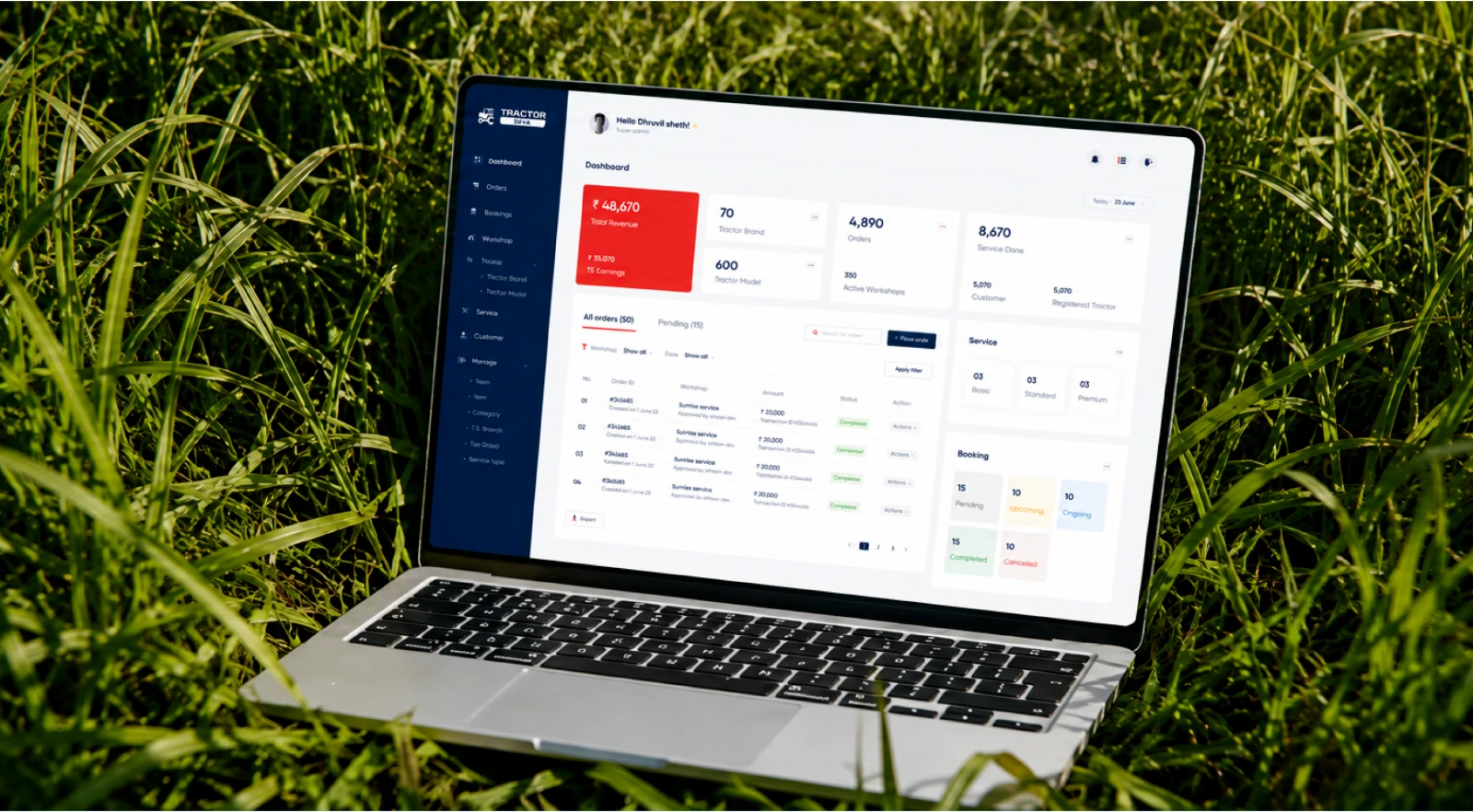
2 published Retail & eCommerce builds — neither is a UAE store, both are the shape of work GCC brands ask us for — with their numbers.
The industry pages that carry the full commerce and logistics registers.
01
Retail & eCommerce
Storefronts, marketplaces and the omnichannel plumbing behind them — the industry page carries the platform decisions, the peak-season work and the proof.
Order orchestration, carrier integration and inventory by location — what a GCC store needs behind the buy button when the warehouse is in Jebel Ali and the customer is in Riyadh.
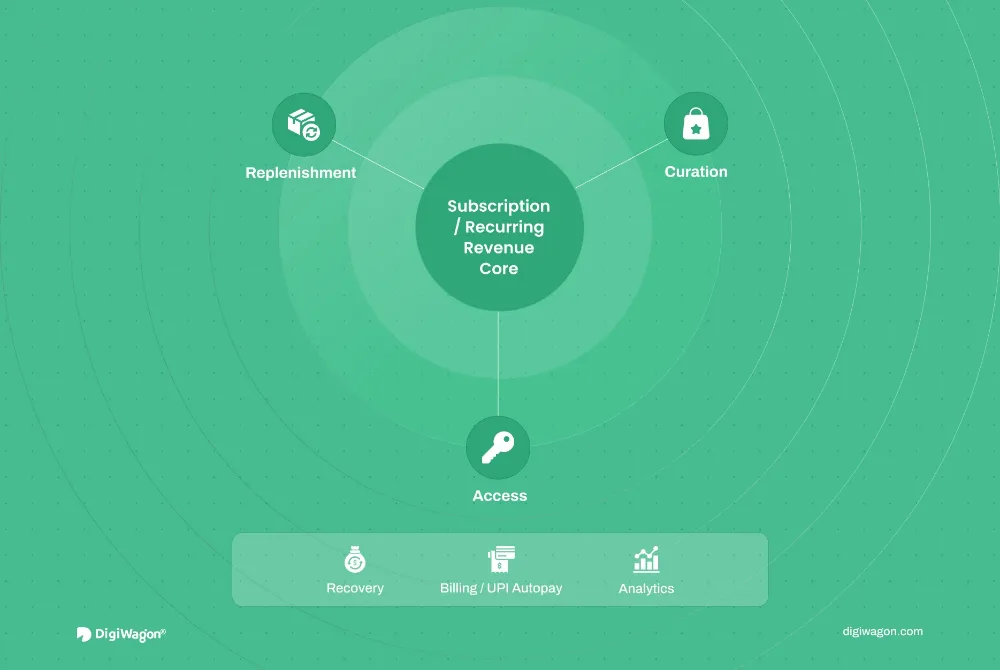
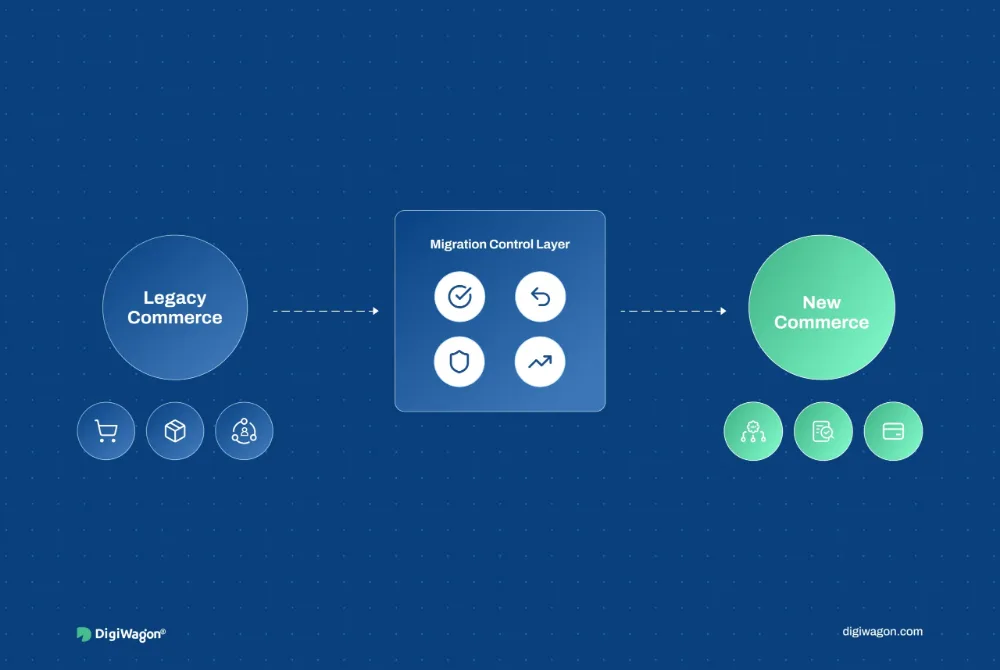
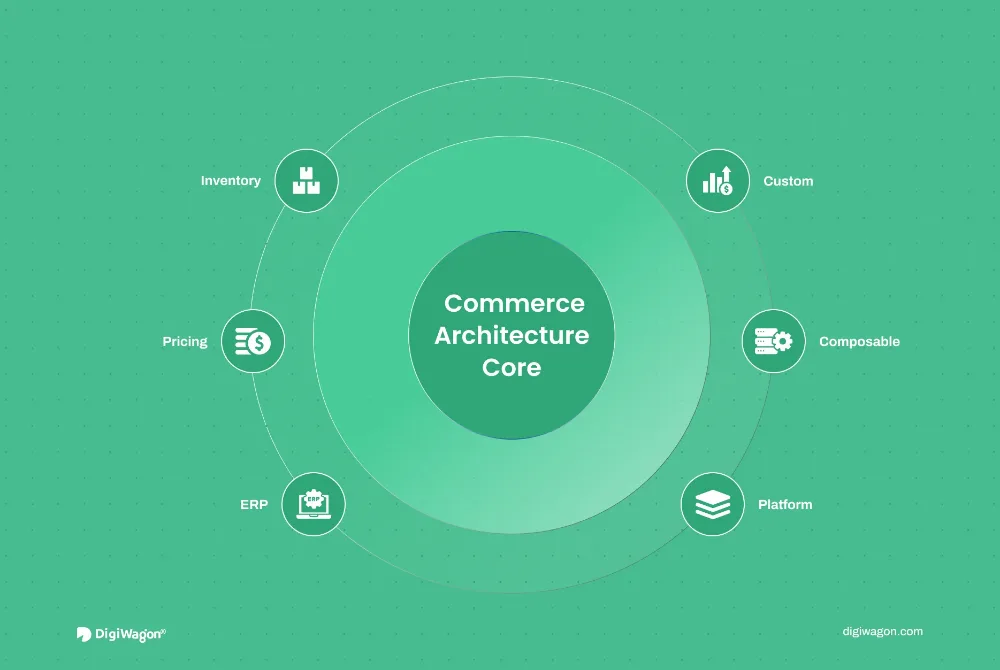
Writing that transfers to the Gulf: subscription commerce and recurring revenue for D2C brands, B2B eCommerce architecture — custom, composable or platform — and a strategic risk playbook for eCommerce migration.
Data & Analytics
Subscription Commerce in India: Recurring Revenue for D2C Brands
· Divyarajsinh Gohil · 10 min read
Software Engineering
eCommerce Migration: A Strategic Risk Playbook for Enterprise Replatforming
· Divyarajsinh Gohil · 6 min read
Software Engineering
B2B eCommerce Architecture: Custom vs. Composable vs. Platform
Direct answers to what UAE and GCC brands ask before an eCommerce build.
01What payment gateways work in the UAE?
The local acquirers and gateways — Network International, Telr, PayTabs, Checkout.com among them — plus Apple Pay, the regional wallets and buy-now-pay-later providers such as Tabby and Tamara, and cash on delivery where your customers still expect it. We choose by your bank, your platform and your reconciliation needs, then test every refund path.
02How do VAT rules affect a UAE eCommerce build?
Five percent VAT has to be right in three places: the displayed price, the tax invoice and the return. We configure tax-inclusive pricing, FTA-compliant invoicing and refund handling in the checkout, test them against your accountant’s expectations before launch, and document the setup so a future platform change does not undo it.
03How long does a D2C launch take in the GCC?
A storefront on an existing catalogue launches in eight to twelve weeks; a bilingual store with marketplace feeds, carrier integration and a migration from an existing platform takes three to five months. Ramadan and the sale calendar set the sequence, so discovery fixes the launch window first and works back from it.
04Which platform should a GCC brand choose?
Shopify for most D2C brands: solved checkout, Arabic and AED supported, fast to launch. Magento or a custom build when the catalogue is complex or B2B is central. WooCommerce when content leads the sale and you want to own the platform. We recommend by catalogue, integrations and the team who will run it.
05Can you handle Arabic properly, not just translate the English store?
Yes — right-to-left layouts designed rather than mirrored, Arabic typography and number formatting, search and filters that work in both scripts, and content workflows so your team publishes in Arabic and English without a developer. Arabic is a first-class experience in our GCC builds, not a language switch.
06What does support look like through the sales calendar?
Peak-season readiness before Ramadan, White Friday and the year-end sales — load tests, integration checks, staffing in your hours — plus platform and plugin updates, performance monitoring and a quarterly conversion review. Documentation and admin training are handed over at launch; we run the technical side for you or with you.
Tell us what the store has to sell, and where.
We will show you comparable commerce work and the GCC decisions behind a store before anything is scoped.