eCommerce Development

Make Buying Easier for Customers and Commerce Easier to Run.

From first click to repeat purchase, every part of the commerce journey has to connect. We create eCommerce platforms that keep the experience smooth for customers and manageable for the teams behind it.

Shape your commerce experience

Start with the outcome

What Should Commerce Do?

Pick the situation closest to yours. We'll show what we would build for it and where it sits in the range below.

Pick what commerce needs to do

What commerce needs to do

Build Commerce Around How We Actually Sell

The way the business sells, prices and fulfils does not fit what an off-the-shelf storefront assumes it will.

What we could build
What you could create
  • A storefront built around your own catalogue and pricing rules
  • Customer accounts and checkout flows that match how people buy
  • Order management and commerce workflows your teams can run
What it works with
  • How the business actually sells today
  • The catalogue, pricing and promotion rules
  • The teams who run orders, stock and support
What commerce needs to do

Get More Control Over Shopify

Shopify carries the store, but the brand has outgrown what themes and apps will do on their own.

What we could build
What you could create
  • Custom themes and storefronts on Shopify or Shopify Plus
  • Private apps for the commerce logic the platform does not cover
  • Checkout extensibility where the standard flow falls short
What it works with
  • The Shopify plan and the apps already in place
  • The systems holding stock, orders and customers
  • The brand and design direction
What commerce needs to do

Separate the Storefront From the Engine

The experience has to change often, and across more than one channel, while the commerce engine stays where it is.

What we could build
What you could create
  • A headless storefront with the commerce engine behind an API
  • A composable stack where each part can be replaced on its own
  • One content and commerce layer serving every channel
What it works with
  • The commerce engine you intend to keep
  • The CMS your content team already works in
  • The channels the experience has to reach
What commerce needs to do

Run a Marketplace, Not a Shop

More than one seller, buyer or partner has to transact in one place, with onboarding, commissions and payouts to match.

What we could build
What you could create
  • Seller onboarding and multi-vendor catalogues
  • Commission logic and marketplace payments
  • Partner management across every participant type
What it works with
  • Who the participants are and what each may do
  • How money moves between them
  • The rules the marketplace has to enforce
What commerce needs to do

Connect Commerce to the Back Office

Stock, orders, customers and invoices live in other systems, and keeping them in step is manual work today.

What we could build
What you could create
  • ERP, CRM and OMS integration around the storefront
  • Inventory, payment and shipping connections that hold
  • One agreed source of truth for stock and orders
What it works with
  • The ERP, CRM or OMS you already run
  • How often each record has to move
  • Which system owns which piece of data
What commerce needs to do

Move Off a Platform That Holds Us Back

Performance, integrations or release speed are limited by the current setup, and the workarounds keeping it alive cost more every year.

What we could build
What you could create
  • A staged replatform with catalogue and order history intact
  • Storefront and API modernization without stopping trade
  • A data migration plan that can be verified before cutover
What it works with
  • The platform as it runs today, traffic included
  • The catalogue, customer and order data
  • The trading periods the move has to avoid

Not sure where to start? Talk to our team

What we build

eCommerce Development Capabilities

An eCommerce platform has to do more than present products and take payments. It needs to handle the catalogue, pricing, payments, integrations, and operational logic behind the customer experience without making everyday operations harder for the teams behind it.

01

Custom eCommerce Development

Create commerce platforms around the way the business actually sells, operates and serves customers.

Custom StorefrontsCustomer AccountsCheckout FlowsOrder ManagementCommerce Workflows

02

Shopify & Shopify Plus Development

Create and extend Shopify experiences for brands that need more control over storefronts, integrations and commerce operations.

ShopifyShopify PlusTheme DevelopmentCustom AppsCheckout Extensibility

03

Headless & Composable Commerce

Separate the storefront from the commerce engine when the experience needs greater flexibility across channels and touchpoints.

Headless StorefrontsComposable ArchitectureCommerce APIsCMS IntegrationMulti-Channel Experiences

04

Marketplace Development

Support multiple sellers, buyers, or partners within one commerce ecosystem.

Seller OnboardingMulti-Vendor CataloguesCommission LogicMarketplace PaymentsPartner Management

05

Commerce Integrations

Connect commerce with the systems that manage customers, inventory, fulfilment, payments and operations behind the scenes.

ERPCRMOMSInventoryPaymentsShipping Integrations

06

eCommerce Modernization & Migration

Improve or move an existing commerce platform when the current setup starts limiting performance, flexibility, or future changes.

Platform MigrationStorefront ModernizationAPI ModernizationData MigrationReplatforming

AI in commerce experiences

AI That Improves How Commerce Works

AI can help shoppers find, compare and choose more easily, while giving commerce teams earlier signals around merchandising, demand and operations.

01

Discover

Help shoppers find relevant products through smarter search, visual discovery, and conversational exploration.

Intelligent Product Search · Visual Search & Discovery · Conversational Shopping Assistant

02

Recommend

Use shopper context and behaviour to surface products, bundles and content that are more relevant.

Product Recommendations · Personalized Merchandising · Dynamic Content

03

Understand

Learn from shopper behaviour, reviews, and sentiment to understand what customers respond to and where friction is emerging.

Shopper Segmentation · Behavior Analytics · Review & Sentiment Intelligence

04

Assist

Handle product questions, policies, order queries and common support needs without adding extra steps.

Customer Support Automation · AI Assistants · RAG

05

Predict

Anticipate demand shifts, purchasing patterns and product interest before they become obvious in reports.

Demand Intelligence · Predictive Models · Trend Detection

now

06

Optimize

Use demand, inventory, and operational signals to improve availability and reduce avoidable stock or fulfilment issues.

Inventory & Supply Optimization · Forecasting · Operational Intelligence

Explore AI & Machine Learning

Industry context

eCommerce Models for Different Buying Journeys

How people buy, how products are priced, how orders are fulfilled, and how teams manage the operation can vary widely. The commerce experience should reflect that from the start.

01 / 06

B2C & D2C Commerce

Designed for brands selling directly to customers across the web and mobile.

01Typical needs
Product Discovery · Promotions · Checkout · Loyalty · Customer Accounts
02Common industries
Retail & eCommerce · Healthcare · SaaS & Technology

Our work

Software Engineering in practice.

Engagements from the wider Software Engineering practice this service sits in — 6 of them written up in full.

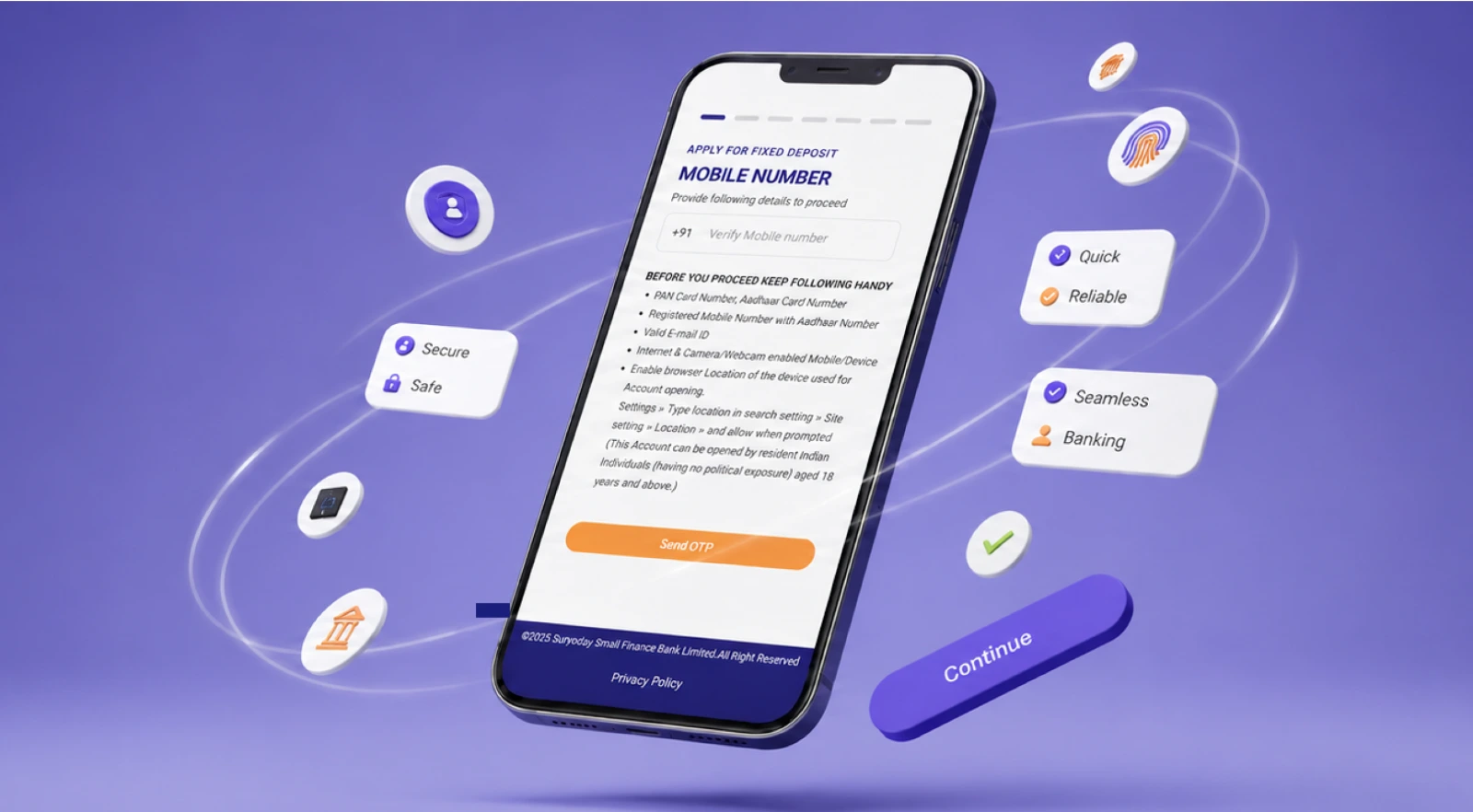
Fixed deposit onboarding on a phone — the application form asking for a mobile number, ringed by secure, quick, reliable and seamless-banking markers.FinTech

Digitizing Trust: Paperless Fixed Deposit Onboarding for a Leading Small Finance Bank

A leading Small Finance Bank launched a 100% digital FD platform with compliance, security, and fraud prevention at its core. The solution cut onboarding to 15 minutes, boosted trust, and reduced support costs.

98%Identity verification accuracy30%Improvement in customer satisfaction
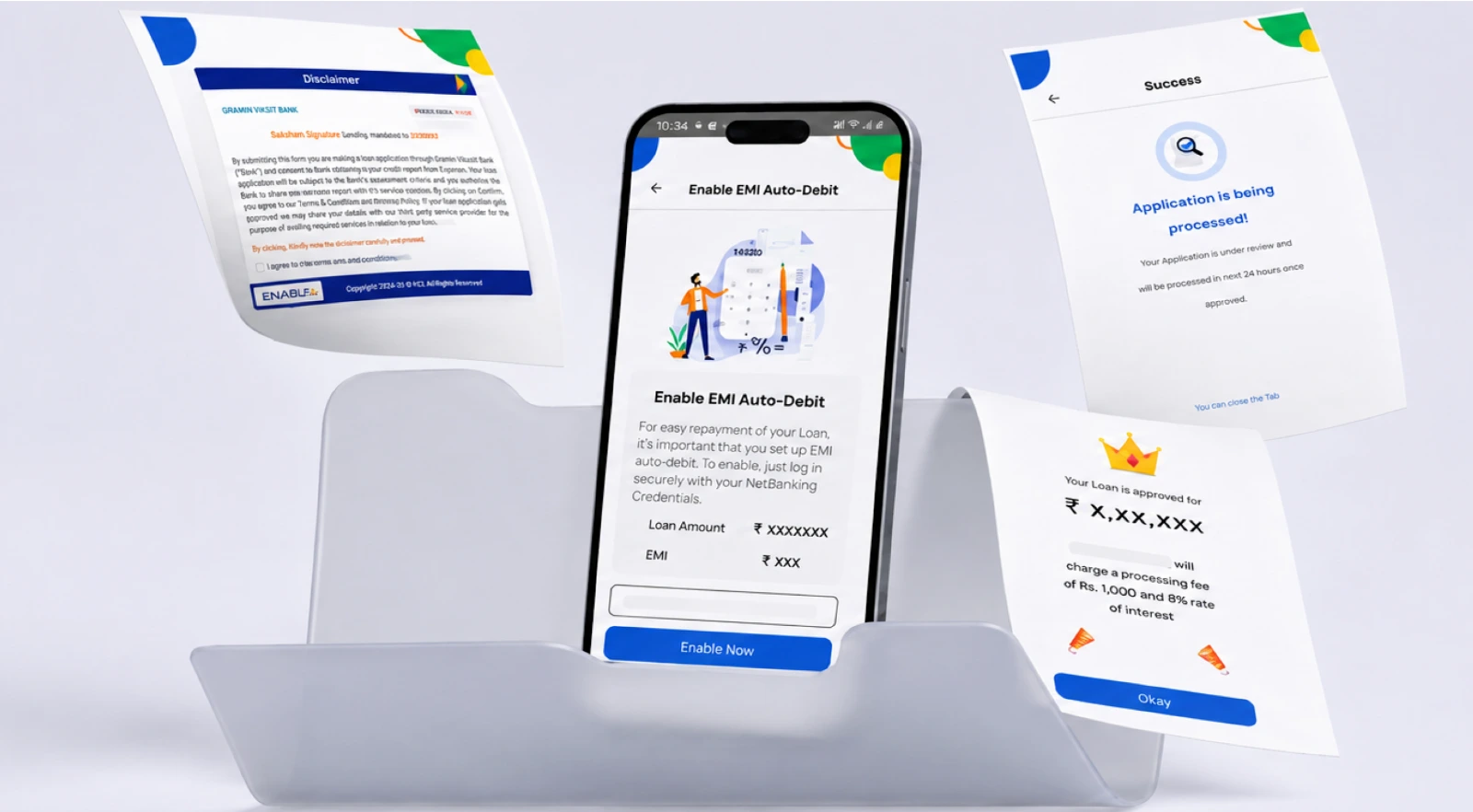
The MSME loan application on a phone in a stand, surrounded by floating approval and disbursement screens.FinTech

MSME Loan Journey: Digitizing Lending for a Leading Small Finance Bank

A Small Finance Bank’s MSME loan platform enabling faster processing, real-time verification, and better accuracy through unified web and mobile solutions.

60%Faster loan processing40%Faster document review
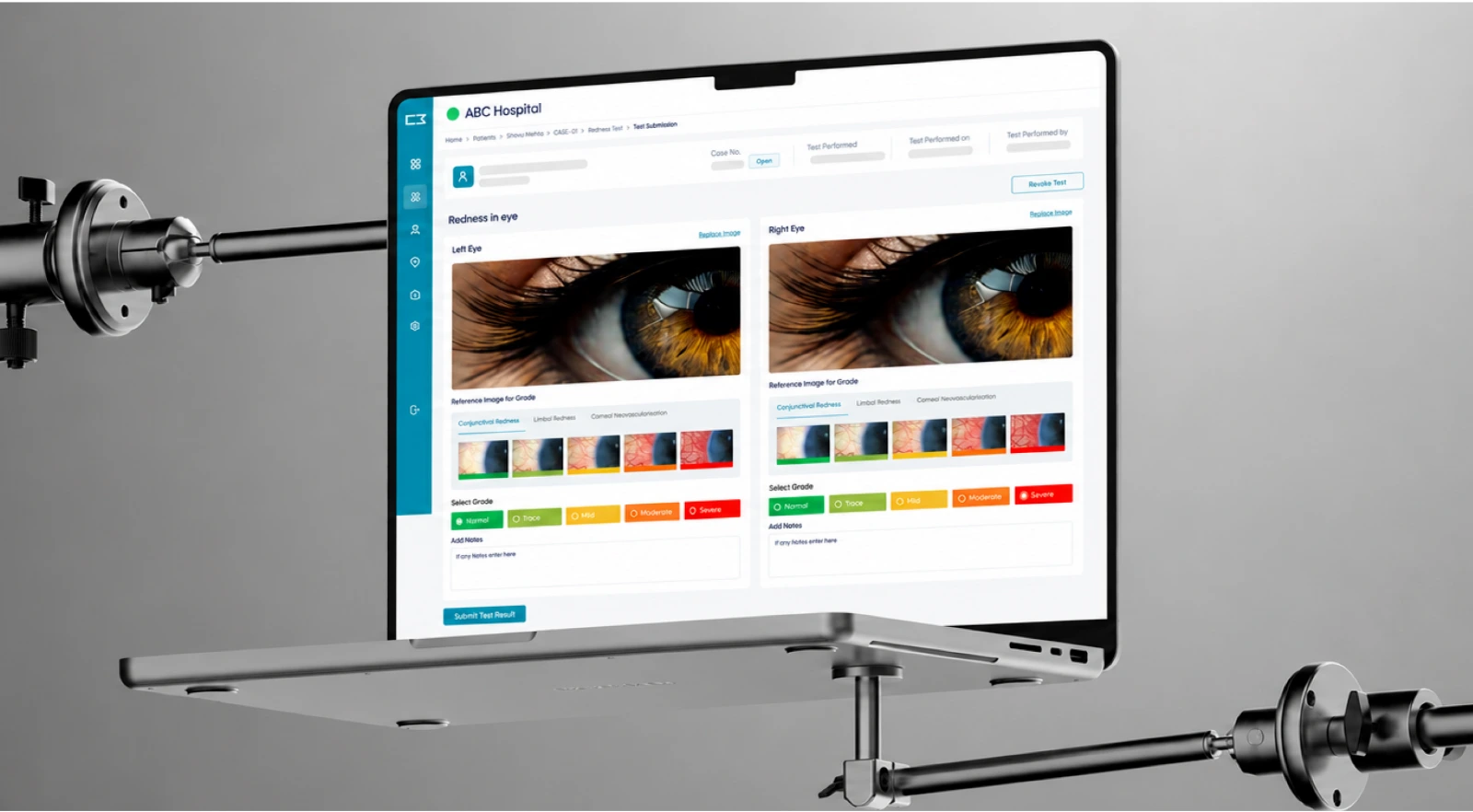
The C3 MedTech clinic dashboard on a laptop mounted to a slit lamp, showing left and right eye images with redness grading.Healthcare

C3 MedTech: Building a Smart Digital Companion for Dry Eye Disease Management

A HIPAA-compliant platform designed to help patients manage Dry Eye Disease while keeping clinics connected beyond visits. With guided diagnostics, secure patient-clinic linking, and cross-platform support, it boosts adherence, streamlines workflows, and scales across eye care practices.

40%Faster patient report access35%Smoother patient journey
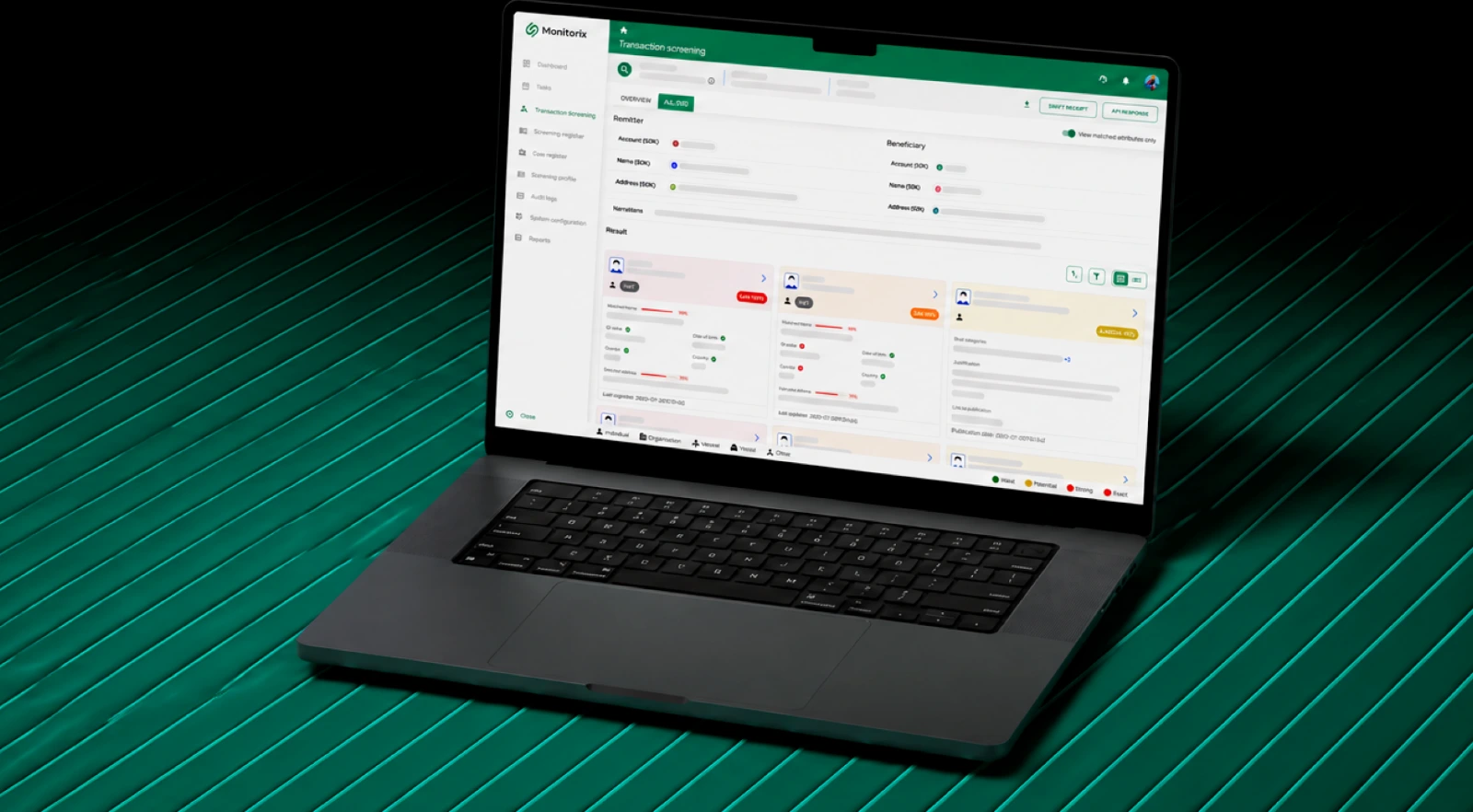
The real-time payment screening console on a laptop against a green backdrop, showing a live transaction queue.FinTech

Real-Time Payment Screening for AML & Sanctions

A high-performance, real-time payment screening solution engineered to validate every transaction against global regulatory requirements, sanctions lists, and risk indicators, delivering ultra-low latency, automated decisioning, and operational transparency for compliance teams.

50%Faster transaction screening40%Faster sanctions validation
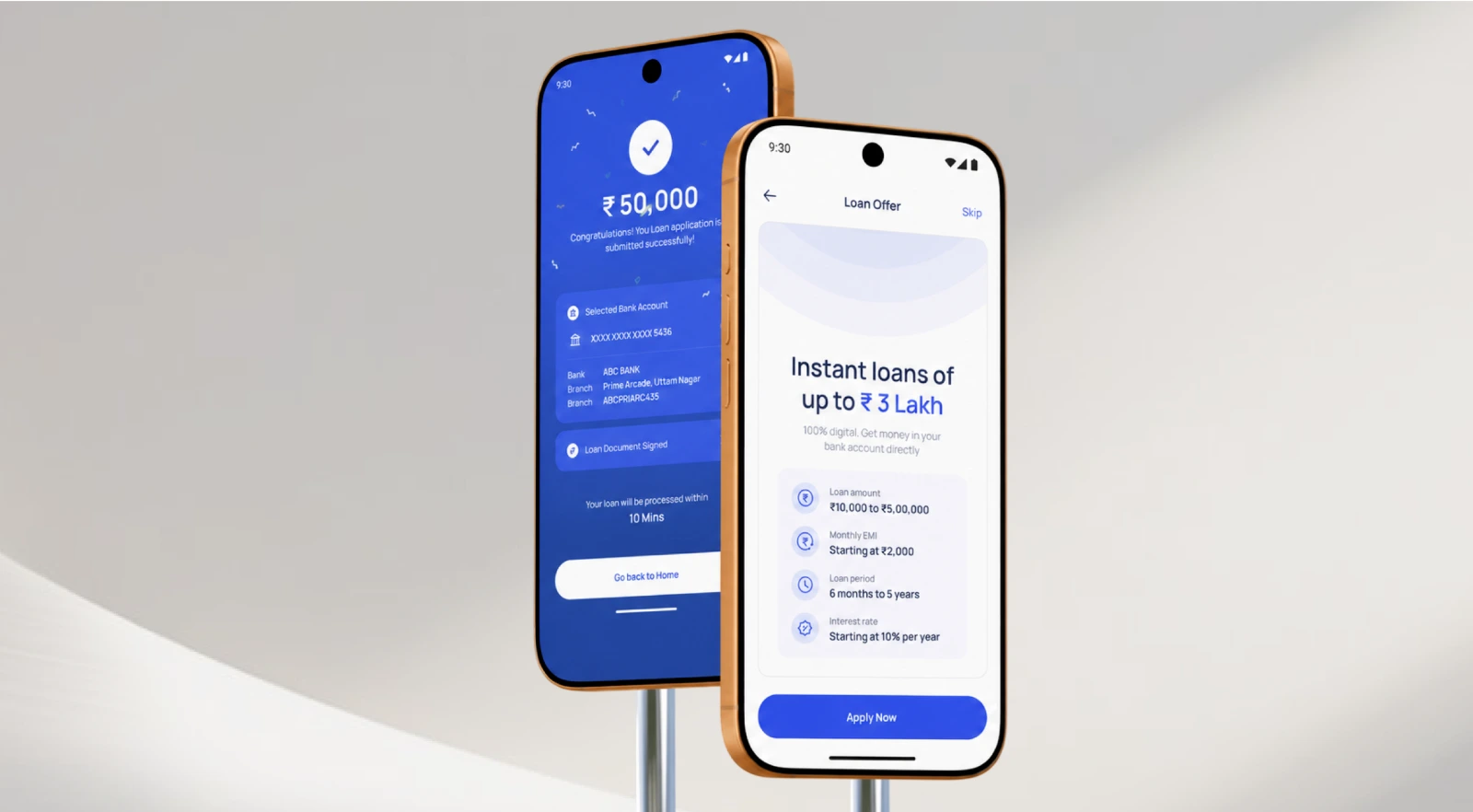
The SmartLend personal loan app on two phones, showing an instant loan offer and the application flow.FinTech

SmartLend: Scalable Personal Loan Engine for Digital Lending

A cloud-native platform for fast, secure, and compliant personal loans. With smart eligibility, fraud detection, and multi-tenant scalability, it enables instant onboarding, quicker approvals, and seamless white-label deployment.

60%Faster loan approvals50%Faster customer onboarding
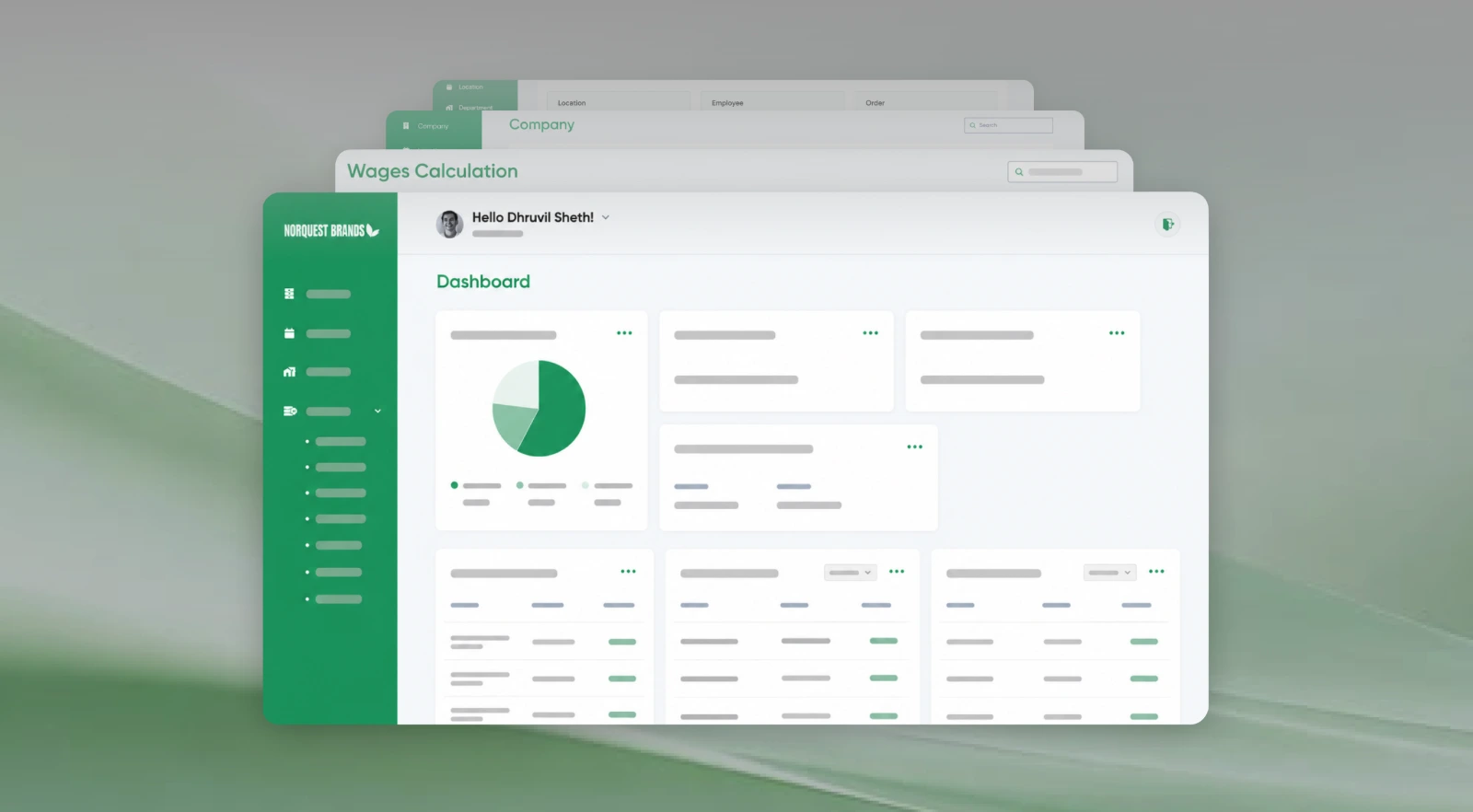
The NQBPL production and wages dashboard shown as a stack of layered screens on a green ground.Manufacturing

NQBPL Wages Platform: Digitizing Production & Workforce Management

Unified manufacturing operations into a single platform for real-time production tracking and automated wage management, enabling greater efficiency, transparency, and scalability across locations.

55%Faster wage calculation50%Reduction in manual payroll effort

How we work

How a Commerce Platform Takes Shape

We settle how the business actually sells before choosing what to build it on, then release in stages that can be checked against real orders.

01

Model How You Sell

Establish the commerce model, the catalogue and pricing rules, the buying journeys and how orders actually have to be fulfilled.

Focus
Commerce modelCataloguePricingFulfilment
02

Architect the Platform

Decide platform against headless or composable, where the storefront and the commerce engine separate, and which systems the operation depends on.

Focus
Platform fitHeadless or notIntegrationsData ownership
03

Prove the Journey

Test discovery, checkout and the order path against real catalogue and pricing data, before the platform becomes expensive to change.

Focus
DiscoveryCheckoutOrdersEvidence
04

Operate and Grow

Release, watch how customers and the teams behind them actually use it, and extend the platform as ranges, channels and markets change.

Focus
ReleaseMerchandisingOperationsGrowth
Model01 Model How You SellArchitect02 Architect the PlatformProve03 Prove the JourneyOperate04 Operate and Grow

Insights

Thinking Behind Better Commerce.

Perspectives on storefronts, checkout, B2B and D2C models, integrations and the operations behind a commerce platform.

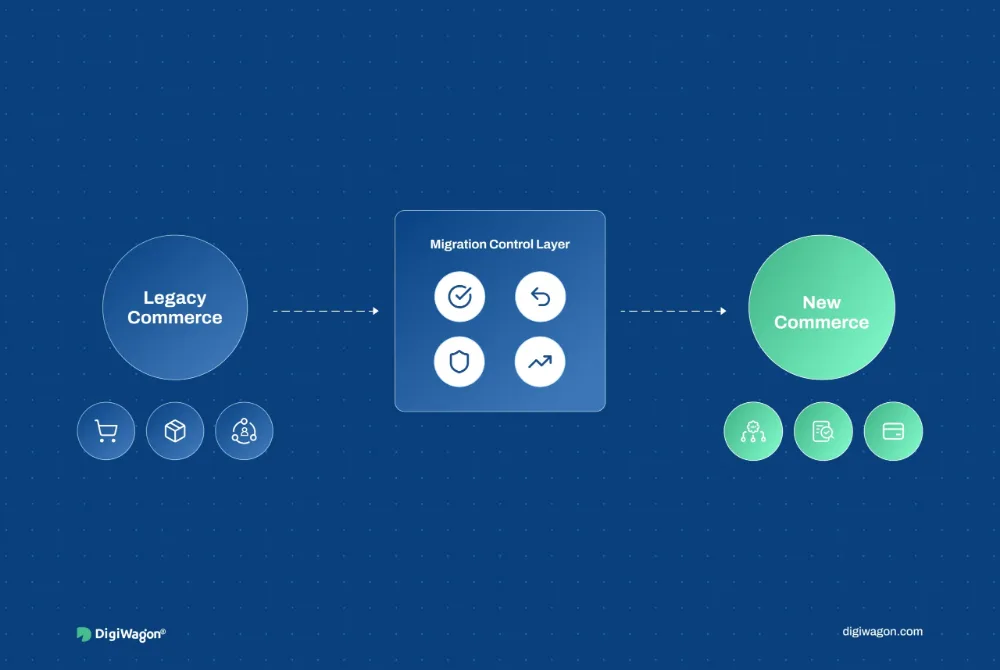
Feature image showing enterprise eCommerce migration from a legacy platform to a new commerce system with data reconciliation, SEO redirects, integration testing, rollback, and traffic shifting
Software Engineering

eCommerce Migration: A Strategic Risk Playbook for Enterprise Replatforming

· Divyarajsinh Gohil · 6 min read

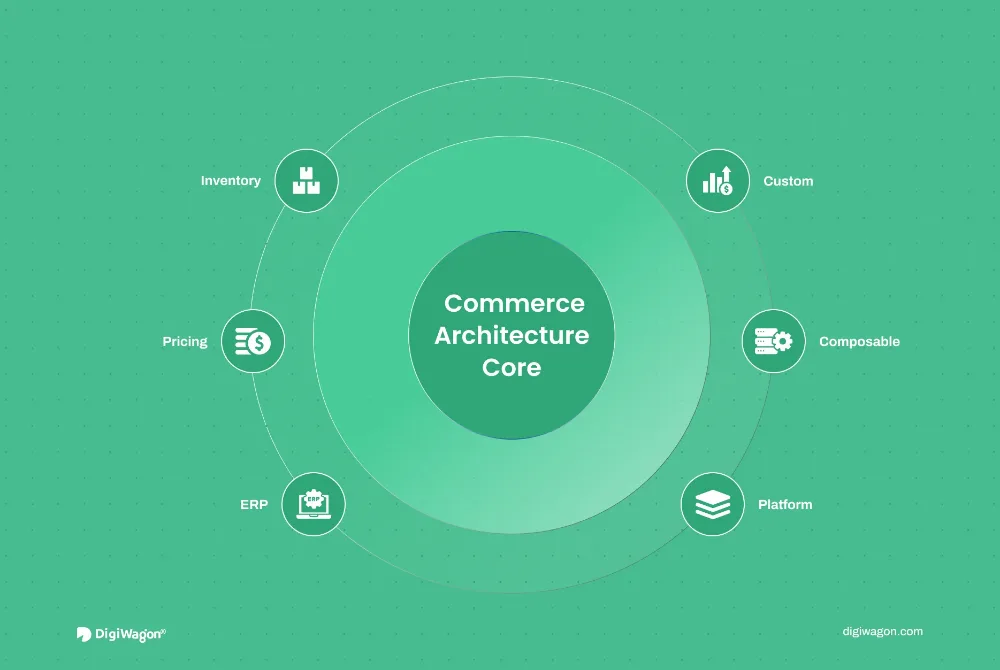
Feature image showing custom, composable, and platform-led B2B eCommerce architecture paths connected to a central commerce system
Software Engineering

B2B eCommerce Architecture: Custom vs. Composable vs. Platform

· Divyarajsinh Gohil · 9 min read

Omnichannel ecommerce platform strategy for D2C brands in 2026
Software Engineering

Unifying the Experience: Building a True Omnichannel E-commerce Platform for D2C Brands in 2026

· Akash Thakor · 6 min read

All Software Engineering writing

FAQ

Frequently Asked Questions About eCommerce Development

Straight answers about platforms, headless commerce, B2B and D2C models, integrations, and what an eCommerce development company should be able to handle.

01What do eCommerce development services include?

eCommerce development services can include storefront development, product and catalogue management, checkout, payments, customer accounts, marketplace features, third-party integrations, headless commerce, platform migration and ongoing modernization. The exact scope depends on the commerce model, the catalogue and pricing complexity, and the systems the platform has to work with.

02What is the difference between headless and traditional commerce?

Traditional commerce keeps the storefront and commerce backend closely connected. Headless commerce separates the customer-facing experience from the commerce engine, giving teams more flexibility across websites, apps and other channels. The better approach depends on complexity, integration needs and how often the experience needs to change.

03How are B2B and D2C eCommerce requirements different?

B2B commerce often needs account-based pricing, bulk ordering, approvals, buyer roles and negotiated terms. D2C commerce typically focuses more on product discovery, promotions, checkout speed, personalization and loyalty. Some platforms need to support both models within the same commerce environment.

04When should an eCommerce platform be replatformed?

Replatforming is worth considering when the current platform starts limiting performance, integrations, customer experience, release speed, operational flexibility or future changes. It may also make sense when maintaining custom workarounds becomes more expensive than moving to a better-fit commerce platform.

05Can you integrate eCommerce with ERP, CRM and inventory systems?

Yes. Commerce platforms can be connected with ERP, CRM, OMS, inventory, payment and shipping systems through APIs, middleware or integration platforms. The right approach depends on how data needs to move, how often it changes and which system should remain the source of truth.

06Which eCommerce platform should we choose?

That depends on the business model, catalogue and pricing complexity, integration requirements, customization needs and long-term plans. Shopify and Shopify Plus work well for many brands, while more complex commerce environments may benefit from Adobe Commerce, headless or composable commerce approaches.

Available in

eCommerce Development, by market.

The same practice, written up for the teams that ask for it most: what changes in each market — hours, residency, regulation, payments — and the work that transfers. 2 market pages.

01

Dubai, United Arab Emirates

Storefronts for GCC brands: local payment rails, VAT, Arabic-first UX.

Dubai · eCommerce

Your Commerce Can Do More

From smarter discovery to smoother operations, we help create eCommerce experiences that work better for customers and the teams behind them.

Ask an AI about this page

Before you choose a partner, ask your own AI

One click opens the assistant you already use with a question that points it at this page, so the answer comes from what we publish, not a guess.

The question it opens withRead https://digiwagon.com/custom-ecommerce-development-services and explain how DigiWagon runs a eCommerce Development engagement, what I should expect in the first 90 days, and how to judge whether a partner like this fits a team of our size. Stick to what the page says and mark anything you are not sure about.