Mobile App Development in Dubai, From Engineers Who Ship Regulated Apps
Both stores, UAE rules.
Mobile app development dubai product teams can run in their own working day: iOS and Android apps built from Ahmedabad, ninety minutes ahead of you, by engineers who have shipped lending, healthcare and field-service apps through both stores — with UAE data residency, identity rails and Arabic decided before the first screen.
This is the UAE version of our mobile app development practice — mobile app development uae teams and Dubai teams commission the same things, and what changes here is residency, identity, payments and the store and language questions specific to the Emirates; the practice itself is on the parent page.
The four things app developers dubai buyers ask first, answered as we work.
Almost the whole day overlaps
Dubai is an hour and a half behind Ahmedabad, so your morning stand-up is our late morning and your end of day is ours too. Reviews, incident calls and demos happen live, in your working hours, without a shift or a wait until tomorrow.
One Indian entity, UAE-ready paperwork
You contract with DigiWagon Technologies Private Limited in India: an export of services, invoiced in AED or USD, under a master agreement with statements of work, IP assignment on payment and an NDA before discovery. Your advisers confirm the VAT treatment on your side; we supply whatever the FTA paperwork needs.
Residency and identity decided first
Where the app’s data lives under UAE PDPL and sector rules, and whether UAE PASS, Emirates ID or a bank’s own identity flow authenticates the user, are settled in discovery — because they decide the backend, the SDKs and the store listing before any design is drawn.
Release engineering you can run
TestFlight and Play internal testing from the first sprint, staged rollouts, crash monitoring in your hours and a pipeline your team can operate. Store review is prepared for, including the UAE-specific declarations, rather than discovered at submission.
What we build here
Built for UAE products.
The mobile application development dubai teams commission, each row exiting to the practice page that goes deep on it.
01
Cross-Platform Apps for the GCC
Flutter or React Native where one codebase should serve both stores — consumer, field-service and workforce apps with Arabic and English, right-to-left designed rather than mirrored, offline behaviour for patchy connectivity, and native modules where the platform edges demand them.
Flutter or React Native, chosen per appArabic and RTL by designOffline-first behaviourNative modules where needed
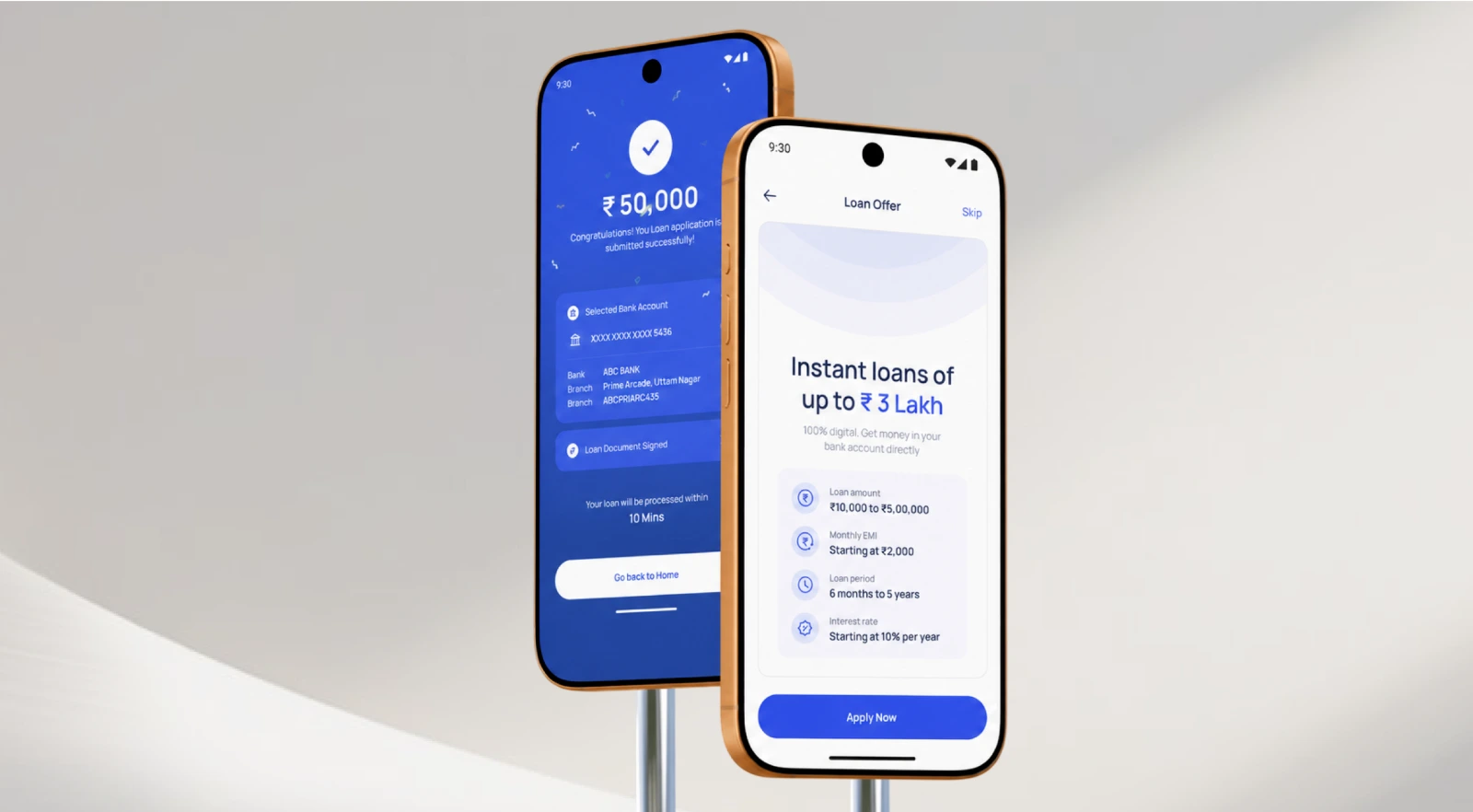
Onboarding, lending and payment apps for firms answering to the Central Bank or the free-zone regulators: biometric authentication, secure storage, UAE identity rails, audit trails and the residency decision made before the architecture — the shape of the lending apps we have shipped.
UAE PASS and Emirates ID flowsBiometrics and secure storageAudit trails by designResidency-aware backends
Swift and Kotlin where feel and platform depth are the product — health data, payments, Bluetooth hardware, background processing — and where a UAE regulator or an enterprise buyer prefers native for security review.
SwiftUI and Jetpack ComposePlatform features and hardwareSecurity review readinessStore-specific compliance
The APIs, identity, payments and notification services behind the app, hosted in the UAE region where residency requires, integrated with banks, gateways and government portals — with reconciliation so a payment or a status update never fails silently.
UAE-region backendsPayment and bank integrationPush and notification servicesReconciliation and monitoring
The rules, rails and platform requirements that bind an app shipped to users in the Emirates.
01
UAE Personal Data Protection Law
Consent, purpose limitation and cross-border transfer for the personal data an app collects — location, contacts, identity documents, payments — and the residency decision for the backend that stores it.
Cross-platform appsFinTech appsBackends
02
UAE PASS and Emirates ID
The national digital identity and the ID card that UAE users expect to sign in and verify with, each with its own integration path, approvals and testing — planned in discovery, not retrofitted.
FinTech appsCross-platform apps
03
Central Bank, DFSA and FSRA expectations for financial apps
Authentication strength, transaction security, audit logging and outsourcing rules for apps operated by licensed firms — the standards our lending and screening work is built to.
FinTech appsBackends
04
App Store and Google Play requirements, Arabic first
Privacy declarations, payment rules, age and content ratings and the regional store listings, with Arabic screenshots, descriptions and support — prepared with the release, so review is a formality.
Cross-platform appsNative apps
An app that gets these wrong is rejected, re-architected or both. Discovery settles them with your compliance lead before design starts.
Work
Mobile work that transfers.
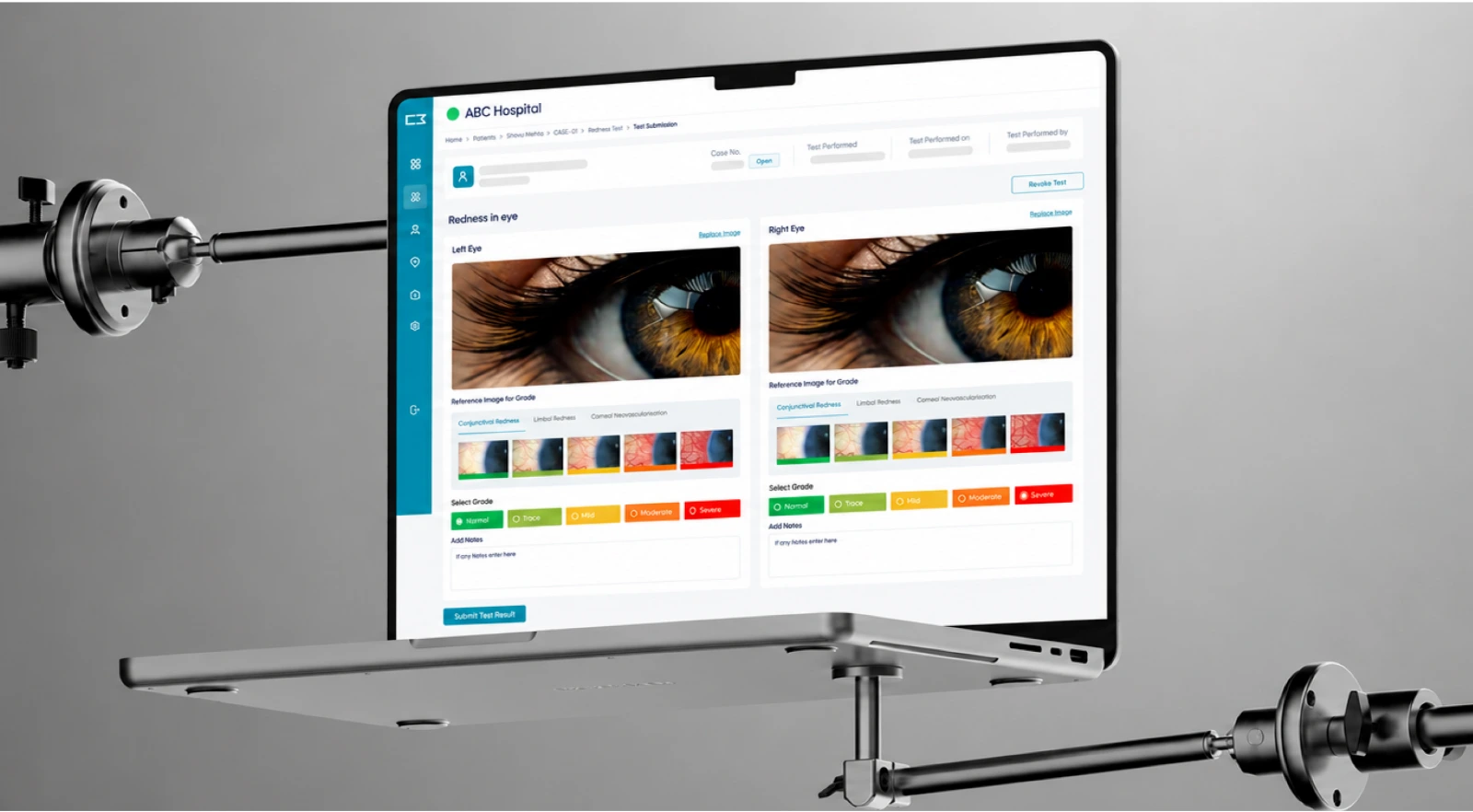
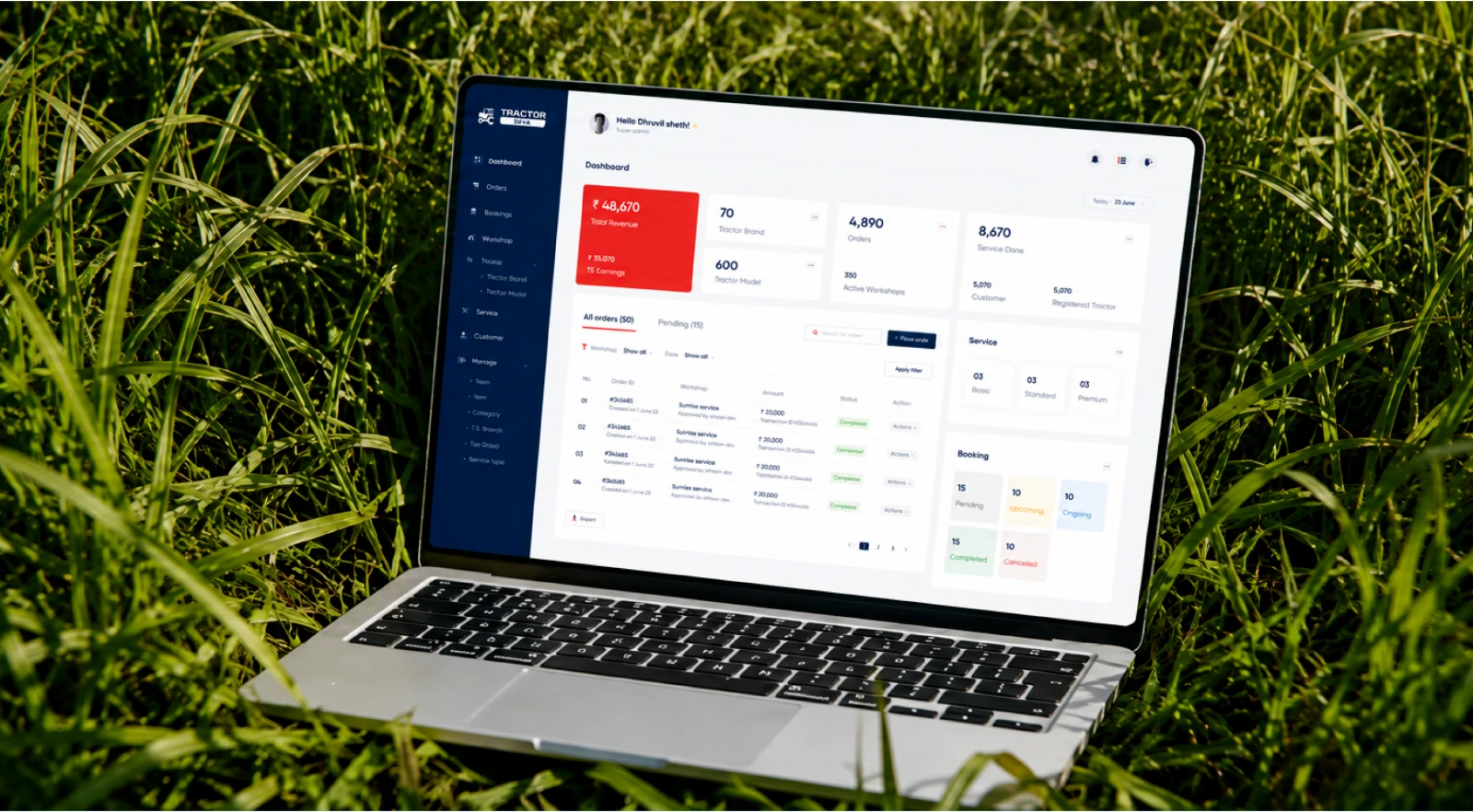
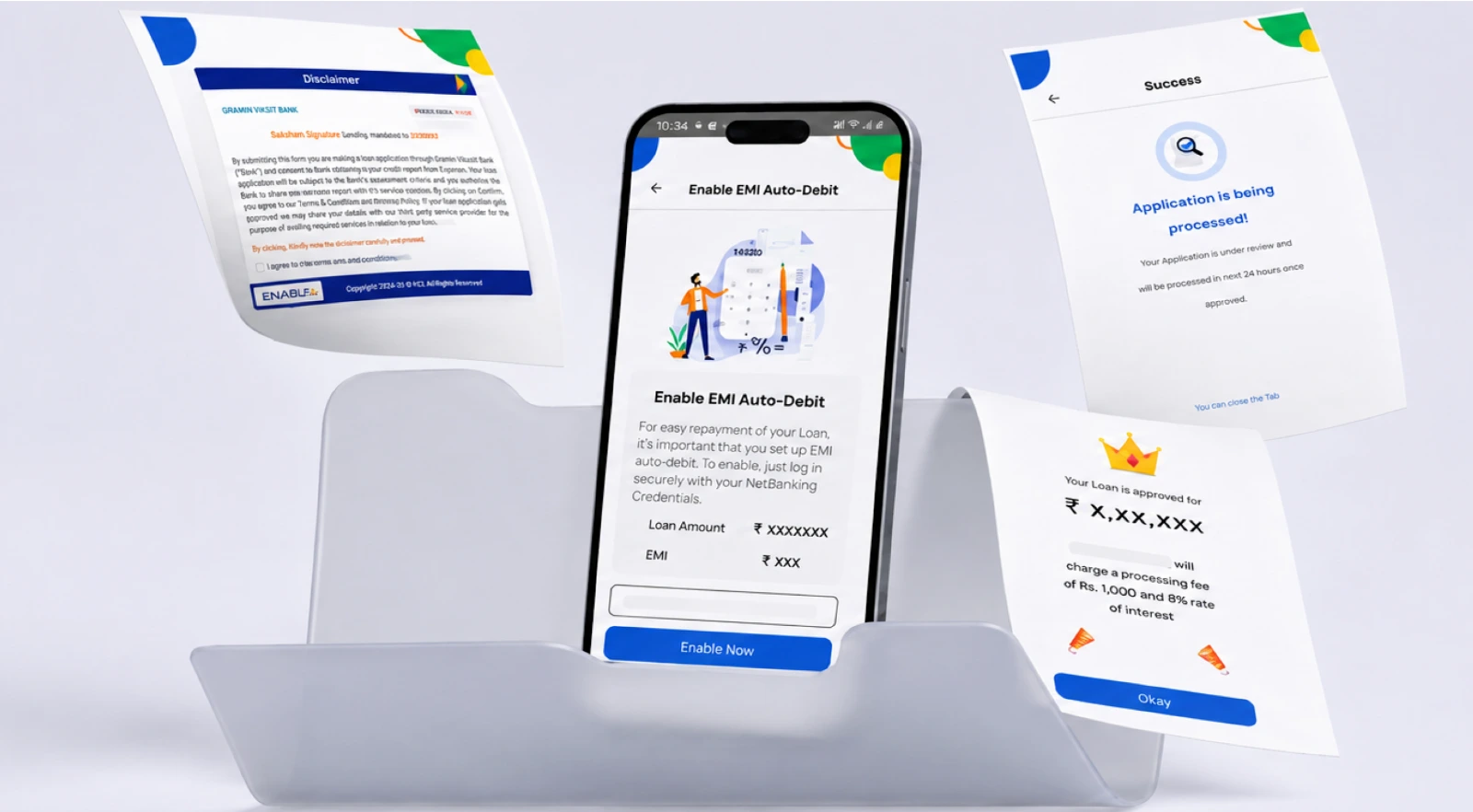
4 published apps that shipped to both stores — none for a UAE client, each the kind of build Dubai teams ask us for.
Writing that transfers to mobile in the Emirates: choosing between Flutter, React Native and Swift, the security-first zero-trust roadmap for SaaS development, and how we architect multi-geography SaaS platforms.
Software Engineering
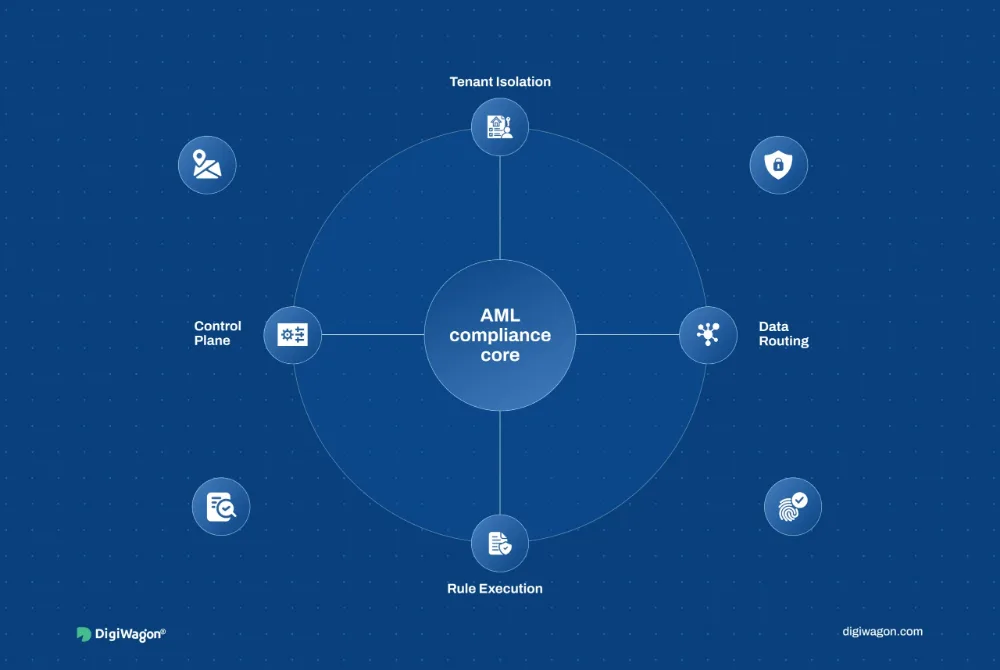
How We Architect Multi-Geography SaaS Platforms for AML Compliance
· Kartik Gajjar · 6 min read
Cloud & Platform Engineering
The Security-First Roadmap: Integrating Zero-Trust Principles into Every Stage of SaaS Development
· Akash Thakor · 4 min read
Software Engineering
Flutter vs React Native vs Swift: Choosing the Right Mobile Framework
Direct answers to what Dubai product teams ask before a mobile app engagement.
01How much does mobile app development cost in Dubai?
Usually below what a Dubai-based team costs, because the engineers are in Ahmedabad, and more than a template, because you are buying an app that survives review and a regulator. The drivers are platform features, integrations, residency, offline depth and compliance. We scope those in a discovery and give the estimate with its assumptions in conversation, never a rate card.
02Do you build for both iOS and Android?
Yes. Flutter or React Native when one codebase should serve both stores and the app is mostly screens over an API; native Swift and Kotlin when platform depth, feel or a security review calls for it; and often a hybrid — a cross-platform app with native modules for the few platform-specific pieces. The decision is made in discovery.
03How do you handle UAE data residency for a mobile app?
The app itself holds little; the backend holds everything, so residency is a backend decision: UAE-region cloud, a free-zone boundary or on-premises, chosen with your counsel under UAE PDPL and any sector rule. The app is then built to store only what it must locally, encrypted, with the data flows documented.
04Can you integrate UAE PASS and Emirates ID?
Yes — both have integration paths with their own approvals and test environments, and both change the onboarding flow and the backend, so we plan them in discovery rather than adding them late. Where a bank or a regulator requires a specific identity flow instead, we build to that and document the choice.
05Will the app be in Arabic?
If your users are, yes, and properly: right-to-left layouts designed rather than mirrored, Arabic typography and numerals handled correctly, Arabic store listings and support, and a content workflow so your team updates both languages without a developer. Arabic is a first-class experience in our GCC builds.
06What does support look like after the app is in the stores?
An annual iOS and Android update cycle, dependency and security patching, crash and ANR monitoring with alerts in your hours, store policy changes tracked, and a release pipeline your team can run. Runbooks and documentation are handed over from the first release; we run it for you, with you, or hand it over.
Tell us what the app has to do, and for whom.
We will show you the four apps we have shipped to both stores and the UAE decisions behind a build before anything is scoped.