From First Tap to Daily Use, the Experience Should Feel Effortless.
We create iOS, Android and cross-platform apps that are easy to use, reliable in everyday conditions and connected to the APIs, data and services behind them.
Pick the situation closest to yours. We'll show what we would build for it and where it sits in the range below.
Pick where the app is heading
Where the app is heading
Ship a First-Class iPhone Experience
The product needs a native iPhone and iPad presence, with the performance, behaviour and App Store requirements of the Apple ecosystem handled properly.
A mobile product has to work beyond the ideal test environment. Devices vary, connectivity drops, operating systems change, and users expect the experience to stay consistent. We develop for those realities from the start.
01
iOS App Development
Create native iPhone and iPad apps with platform-specific performance, behaviour and Apple ecosystem requirements in mind.
Native iOS appsiPhone & iPadAPI integrationApp Store deliveryDevice features
02
Android App Development
Develop Android apps that work reliably across different devices, screen sizes, and operating environments.
Native Android appsDevice compatibilityAPI integrationGoogle Play deliveryDevice features
03
Cross-Platform App Development
Use Flutter or React Native when a shared codebase offers the right balance between development efficiency and platform experience.
Mobile Experiences for Different Real-World Contexts
The way a mobile app is used changes from industry to industry. A field app, customer app, healthcare app and financial app may all live on the same device, but the priorities behind them are very different.
01 / 09
FinTech
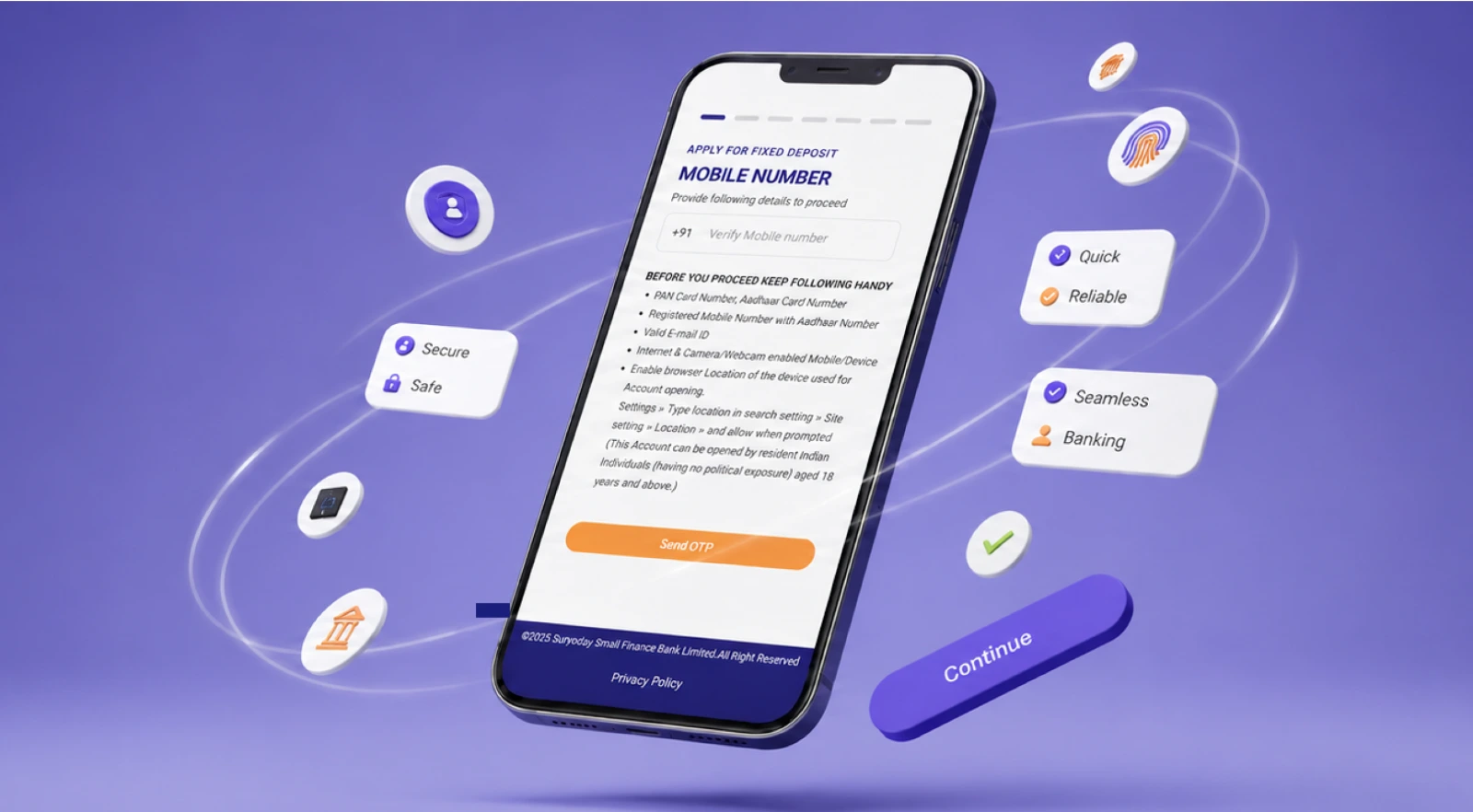
01Mobile banking
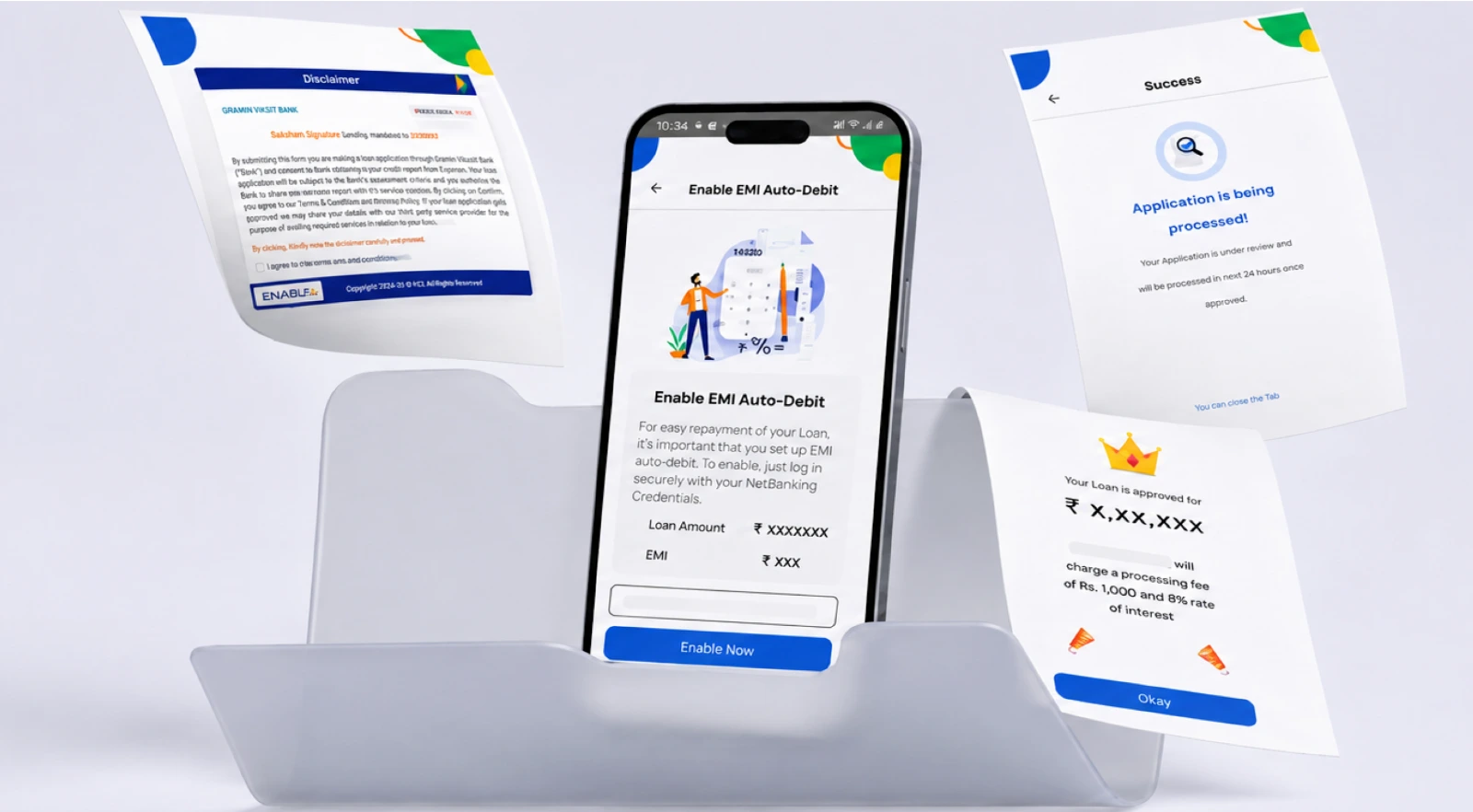
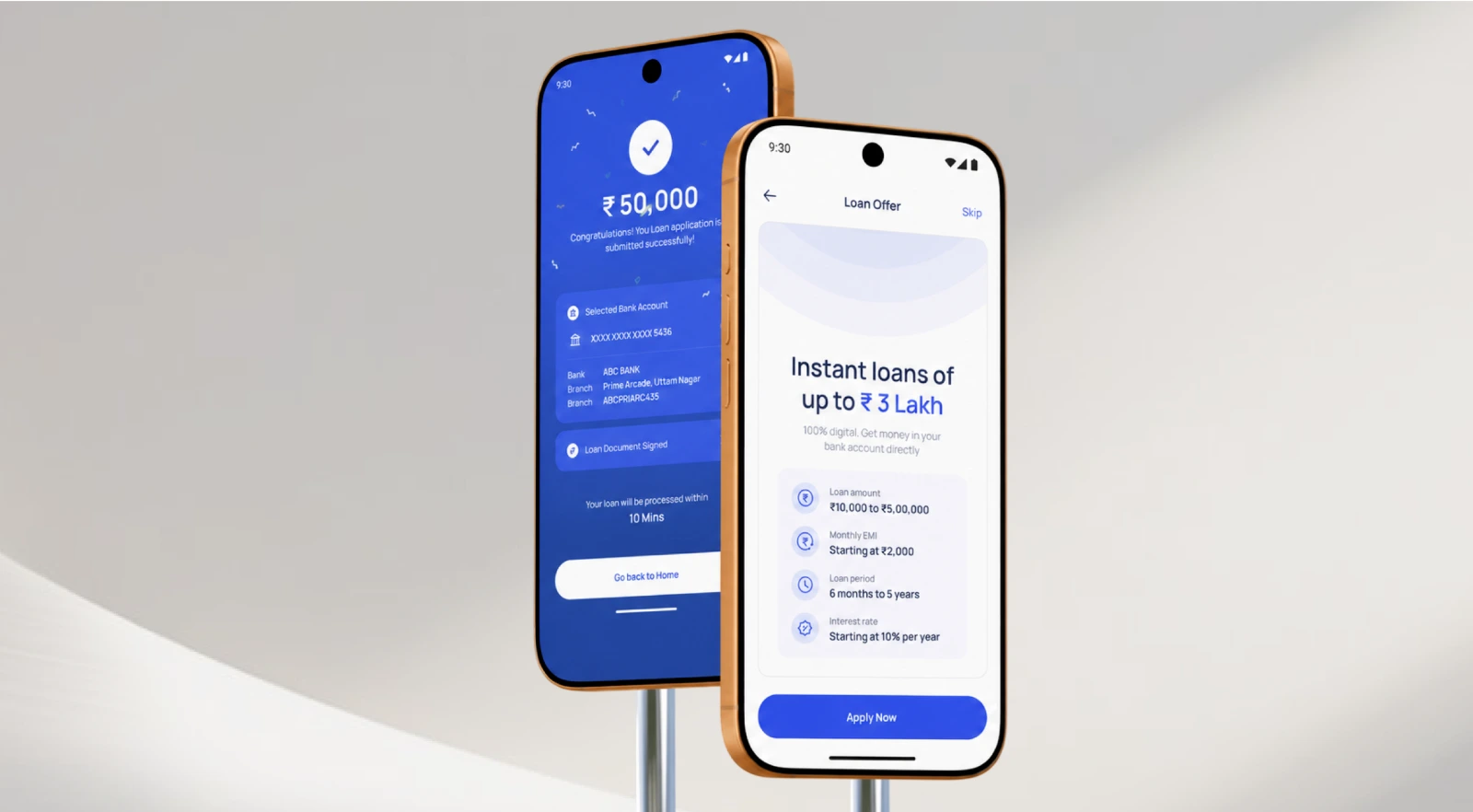
02Lending journeys
03Wallet experiences
04Account servicing
02 / 09
RegTech
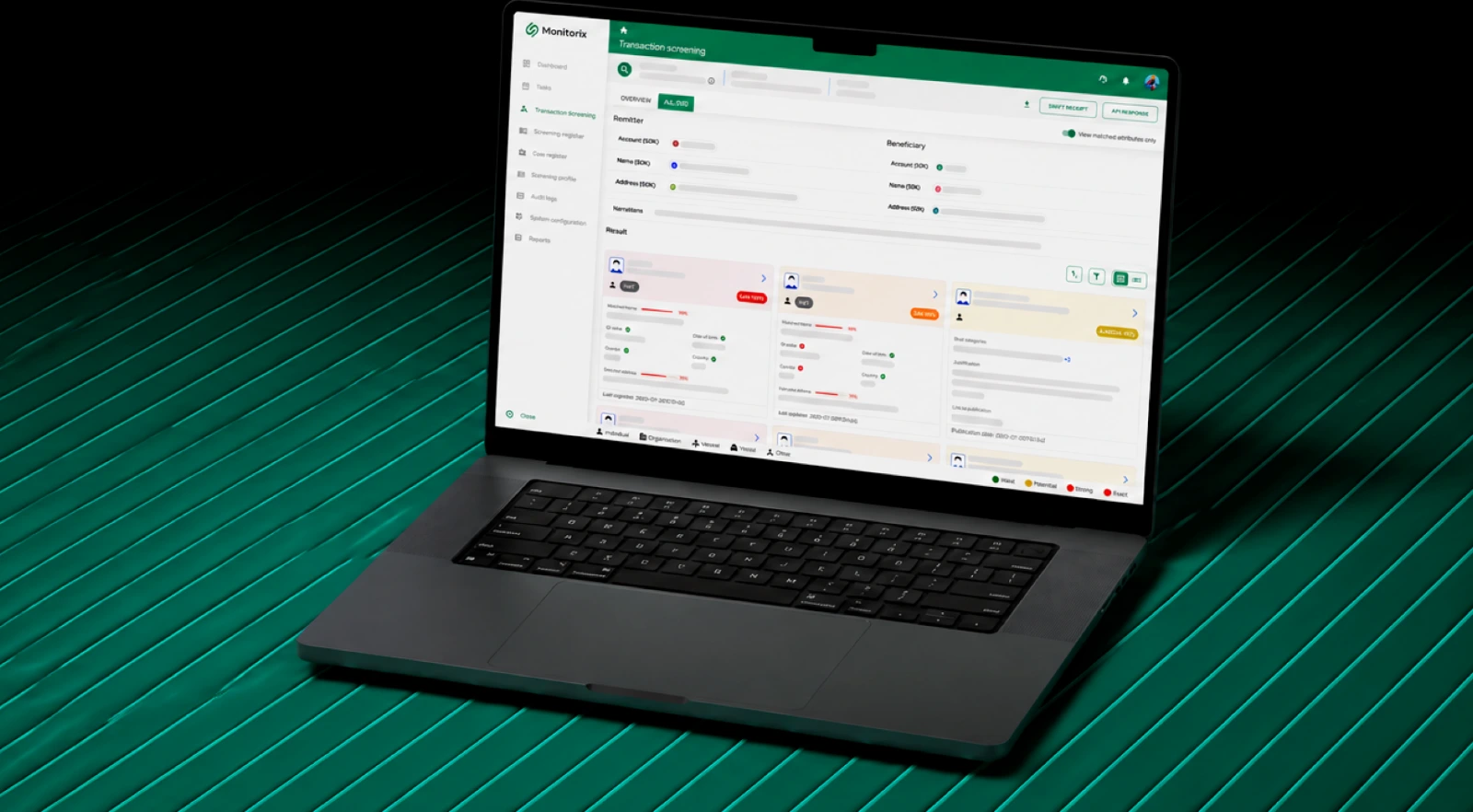
01Compliance tasks
02Document capture
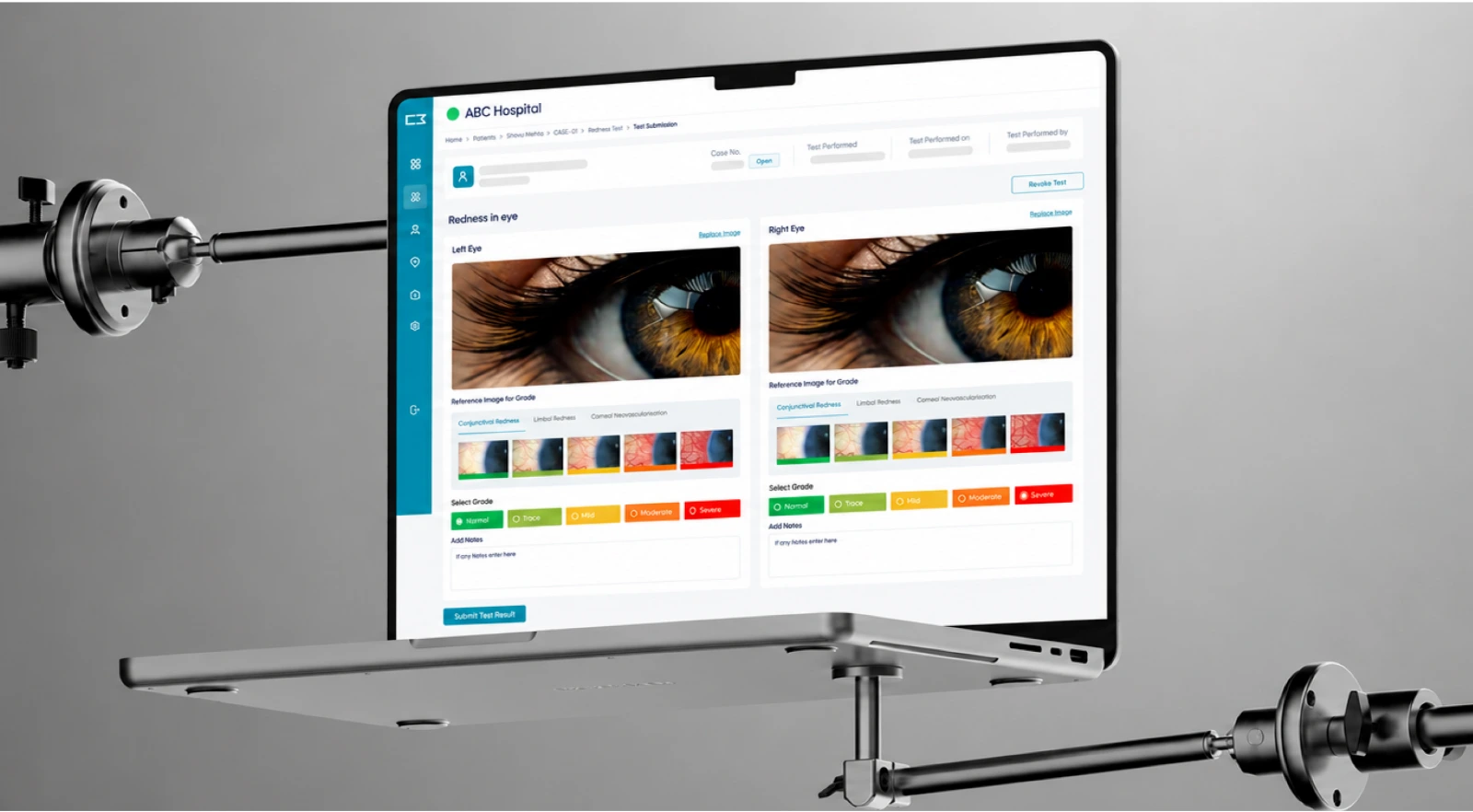
03Field verification
04Case updates
03 / 09
InsurTech
01Claims journeys
02Policy access
03Agent applications
04Customer self-service
04 / 09
Healthcare
01Patient apps
02Appointment journeys
03Care coordination
04Provider access
05 / 09
Manufacturing
01Field inspections
02Maintenance apps
03Technician tools
04Production updates
06 / 09
Retail & Consumer
01Loyalty apps
02Product discovery
03Store experiences
04Customer accounts
07 / 09
Logistics & Supply Chain
01Driver apps
02Shipment tracking
03Proof of delivery
04Warehouse mobility
08 / 09
SaaS & Technology
01Companion apps
02Mobile dashboards
03Account access
04Service management
09 / 09
Defence
01Controlled mobile access
02Field information
03Role-based applications
04Operational interfaces
Our work
Mobile App Development in practice.
Engagements where this is what we actually built. 6 of them are written up in full.
We plan for the conditions the app will actually meet — device variety, dropped connectivity, changing operating systems — and deliver in releases that prove themselves in real use.
01
Define the Product
Establish the users, the journeys and the platform choice — native or cross-platform — plus what the app must do when connectivity drops.
Focus
UsersJourneysPlatform fitOffline needs
02
Architect for Real Conditions
Design the API and backend integration, the device capabilities the product needs and the store requirements it has to clear.
Focus
APIsDevice featuresSecurityStore rules
03
Prove on Real Devices
Test the critical journeys across devices, screen sizes, OS versions and network conditions before the build gets expensive to change.
Focus
DevicesConnectivityPerformanceEvidence
04
Release and Keep It Current
Deliver through the App Store and Google Play, then plan the lifecycle — OS updates, API changes, compatibility — as part of the product.
Focus
Store deliveryOS updatesMonitoringImprovements
Define01 Define the ProductArchitect02 Architect for Real ConditionsProve03 Prove on Real DevicesRelease04 Release and Keep It Current
Insights
Thinking Behind Better Apps.
Perspectives on native and cross-platform development, app modernization and mobile products that hold up in real conditions.
Software Engineering
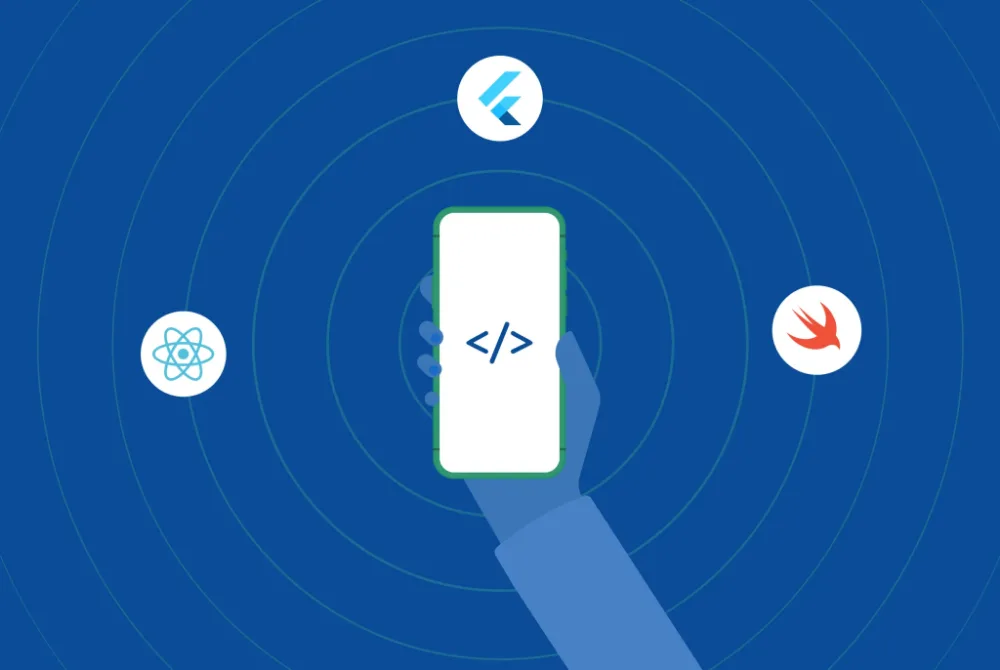
Flutter vs React Native vs Swift: Choosing the Right Mobile Framework
· Rushabh Modi · 6 min read
Software Engineering
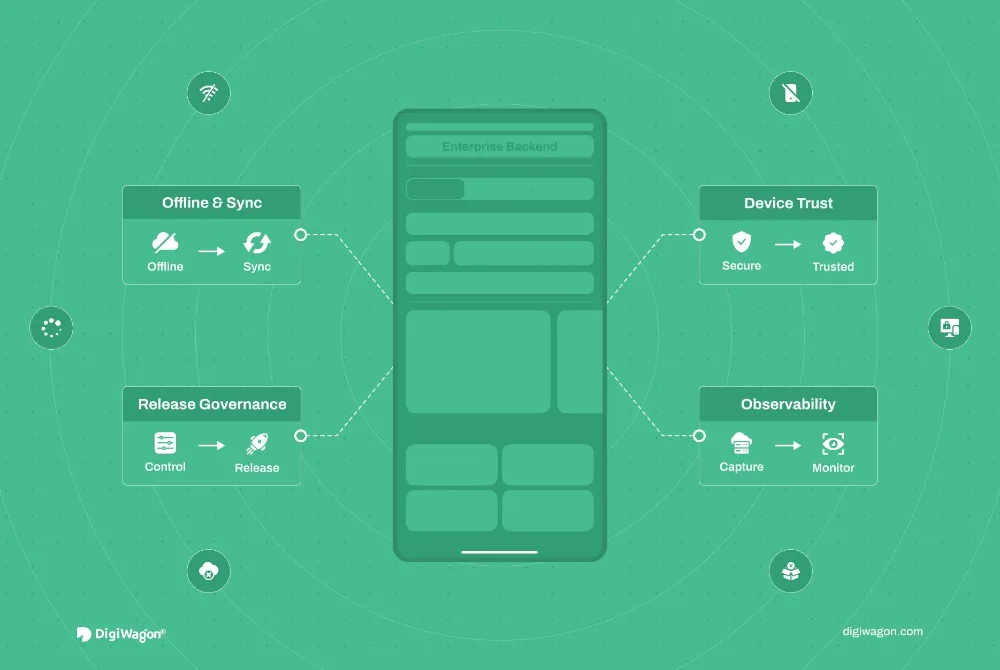
Enterprise Mobile App Development: The 4-Boundary Playbook
· Rushabh Modi · 10 min read
Software Engineering
React Native App Development in 2026: A Guide for Businesses
Frequently Asked Questions About Mobile App Development
Straight answers about native and cross-platform development, modernization, maintenance and what shipping a mobile product involves.
01What are mobile app development services?
Mobile app development services cover the planning, design, development, integration, and release of applications for smartphones and tablets. This can include native iOS and Android apps, cross-platform development, backend and API integration, device capabilities, testing, deployment, and ongoing product improvements.
02What is the difference between native and cross-platform app development?
Native apps are developed specifically for iOS or Android, while cross-platform apps use a shared codebase across both platforms. Native development can offer deeper platform control, while cross-platform development can reduce duplication. The right choice depends on performance, device features, product complexity, and long-term plans.
03Flutter vs React Native: Which should we choose?
Both are strong cross-platform frameworks. Flutter offers a highly consistent interface through its own rendering approach, while React Native works closely with the React ecosystem and native components. The better fit depends on the existing technology stack, UI requirements, native integrations and how the application is expected to evolve.
04How much does a mobile app cost to maintain?
Maintenance costs depend on the app's complexity, release frequency, backend dependencies, operating-system updates, and third-party integrations. Ongoing work may include security updates, bug fixes, API changes, compatibility testing, and performance improvements. Maintenance is best planned as part of the product lifecycle rather than treated as occasional support.
05Can an existing mobile app be modernized instead of rebuilt?
Yes. An existing app can often be improved through framework upgrades, interface changes, API modernization, performance improvements, or architecture updates. A full rebuild makes more sense when the current foundation creates major technical limitations or makes future development unnecessarily difficult.
Available in
Mobile App Development, by market.
The same practice, written up for the teams that ask for it most: what changes in each market — hours, residency, regulation, payments — and the work that transfers. One market page so far.
01
Dubai, United Arab Emirates
iOS and Android apps for UAE products, with the residency and store questions answered first.
Whether you are launching something new, modernizing an existing app or choosing the right development approach, we can help shape a mobile experience that feels right for users and works reliably behind the scenes.
One click opens the assistant you already use with a question that points it at this page, so the answer comes from what we publish, not a guess.
The question it opens withRead https://digiwagon.com/mobile-app-development-services and explain how DigiWagon runs a Mobile App Development engagement, what I should expect in the first 90 days, and how to judge whether a partner like this fits a team of our size. Stick to what the page says and mark anything you are not sure about.