A web development company toronto retailers and brands can work with in their own morning: DigiWagon builds storefronts, web platforms and the integrations behind them for Canadian companies from Ahmedabad, with English and French designed in, Canadian accessibility rules treated as requirements, and a fixed eastern-time overlap every day.
This is the Canadian version of our web development practice, with eCommerce alongside it because Toronto buyers ask for both together. What changes here is language, accessibility, tax and payments; the practice itself is on the parent page.
The four things Canadian retailers and marketing teams ask first, answered as we do them.
A standing eastern-time morning window
Toronto is nine and a half to ten and a half hours behind Ahmedabad, so we run a fixed overlap every morning, eastern time — stand-ups, reviews and decisions live between roughly 8 and 11 am ET — and the rest of your day arrives as finished work by the next morning. Incident cover is agreed, not assumed.
One Indian entity, Canadian-ready paperwork
You contract with DigiWagon Technologies Private Limited in India under a master agreement with statements of work, IP assignment on payment, an NDA before discovery and invoices in CAD or USD. Your advisers confirm withholding and tax treatment on your side; we supply the documentation, including what an SR&ED claim needs from a contractor.
Peak season is rehearsed
Black Friday, Boxing Day and the back-to-school weeks decide a Canadian store’s year. We load-test the checkout and the integrations against them before launch, put Core Web Vitals budgets in the pipeline and staff the launch window in eastern time.
Two-week releases, documented for your auditor
Fortnightly increments into your environment, every architecture decision recorded, and ISO/IEC 27001 and ISO 9001 controls on our side of the work — so a SOC 2 or OSFI-style vendor questionnaire from your customers can be answered from records, not memory.
What we build here
Canadian retail and web.
The work Toronto brands commission — ecommerce development toronto teams pair with web platforms more often than not — each row exiting to the practice page that goes deep on it.
01
Bilingual Storefronts
Shopify, Magento, WooCommerce or headless — chosen for your catalogue and team — with English and French storefronts built as one system, CAD pricing with GST, HST and PST applied correctly by province, and Canadian payment rails including Interac where your customers expect it.
Platform chosen for the catalogueEnglish and French as one systemGST, HST and PST by provinceInterac and Canadian gateways
Fast, indexable, accessible sites and web applications on Next.js or your framework — marketing sites the team ships to without a developer, customer portals, booking and quoting tools — measured on Core Web Vitals and built to WCAG 2.0 AA because Ontario procurement asks.
Next.js and headless CMS buildsPortals, booking and quoting toolsWCAG 2.0 AA by constructionCore Web Vitals budgets
Trade portals for manufacturers and distributors selling across Canada: company accounts, tiered and negotiated pricing, quotes and purchase orders, provincial tax handling and the ERP integration that owns the price book — the work the retired Canada B2B page used to describe, done properly.
Company accounts and price tiersQuotes and purchase ordersERP-owned pricing syncProvincial tax logic
Canada Post, Purolator and the carriers, fulfilment and 3PL sync, accounting and CRM integration, and the mobile companion app when the brand needs one — an app development company toronto brands can pair with the web team, not a second vendor.
Carrier and 3PL integrationAccounting and CRM syncCompanion mobile appsReconciliation and monitoring
The rules and expectations that bind web and commerce work for Canadian companies.
01
AODA and WCAG 2.0 AA
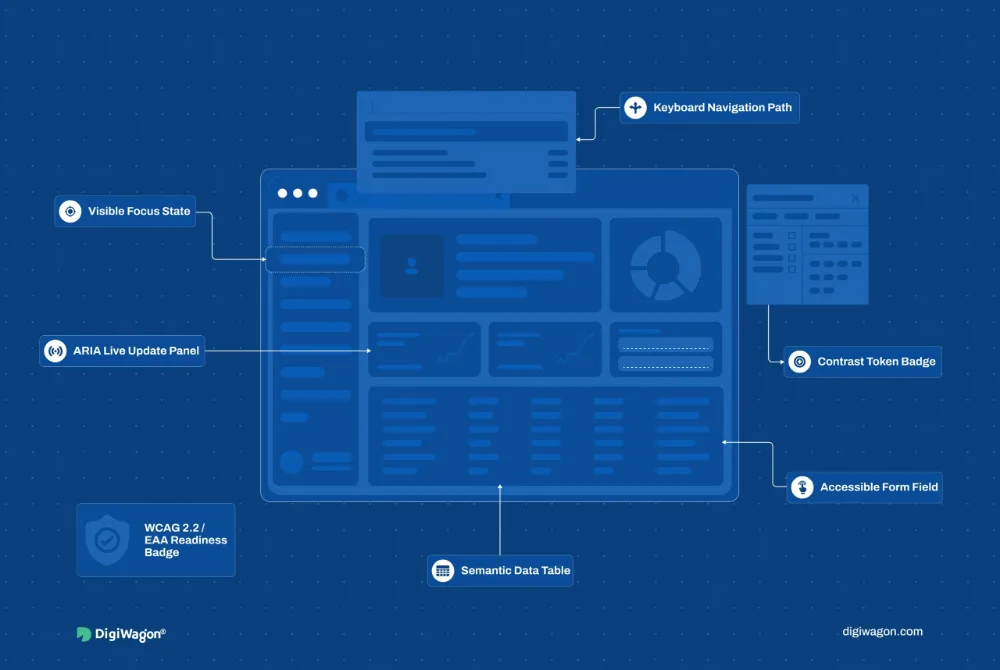
Ontario’s Accessibility for Ontarians with Disabilities Act requires designated organisations’ public web content to meet WCAG 2.0 Level AA; we build to at least that level, test with assistive technology and document it, because a compliance question arrives sooner or later.
Web platformsStorefronts
02
English and French
Federally regulated businesses, anyone selling into Quebec under the Charter of the French Language, and most national brands need both languages as one system — content workflows, SEO and checkout in each — not a translation plugin added later.
StorefrontsWeb platforms
03
GST, HST and PST
Federal GST, harmonised HST in participating provinces and separate PST elsewhere, applied by the customer’s province and reflected in invoices and returns — configured and tested in the checkout, with your accountant, before launch.
StorefrontsB2B commerce
04
PIPEDA and CASL
Customer and marketing data under the federal privacy law, and Canada’s anti-spam legislation for every email and SMS the store sends — consent captured and provable, retention set, unsubscribe honoured everywhere.
StorefrontsWeb platformsIntegration
These are the decisions that separate a Canadian store from a US template with a maple leaf. Discovery makes them with your finance and marketing leads before the platform is chosen.
Work
Work that transfers.
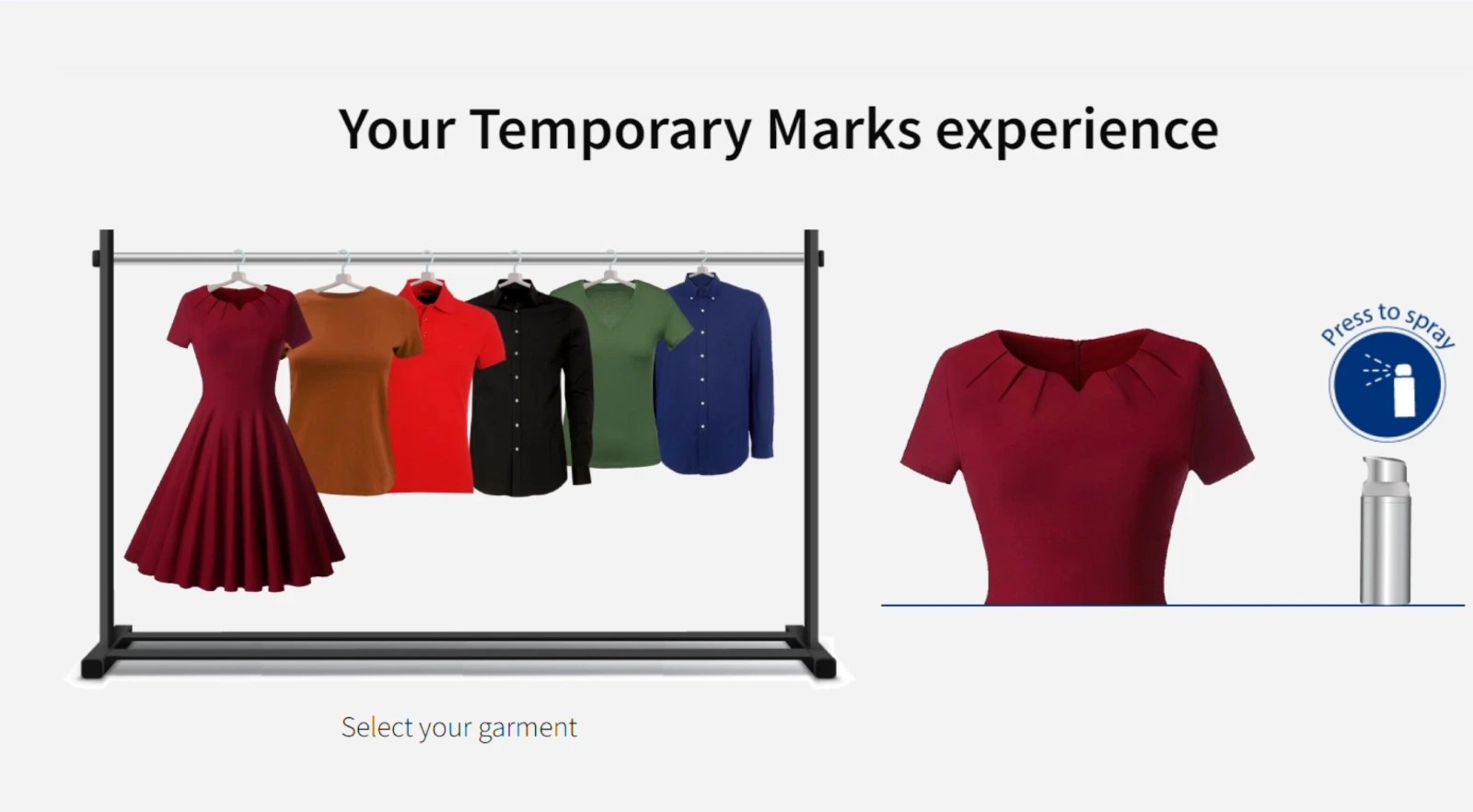
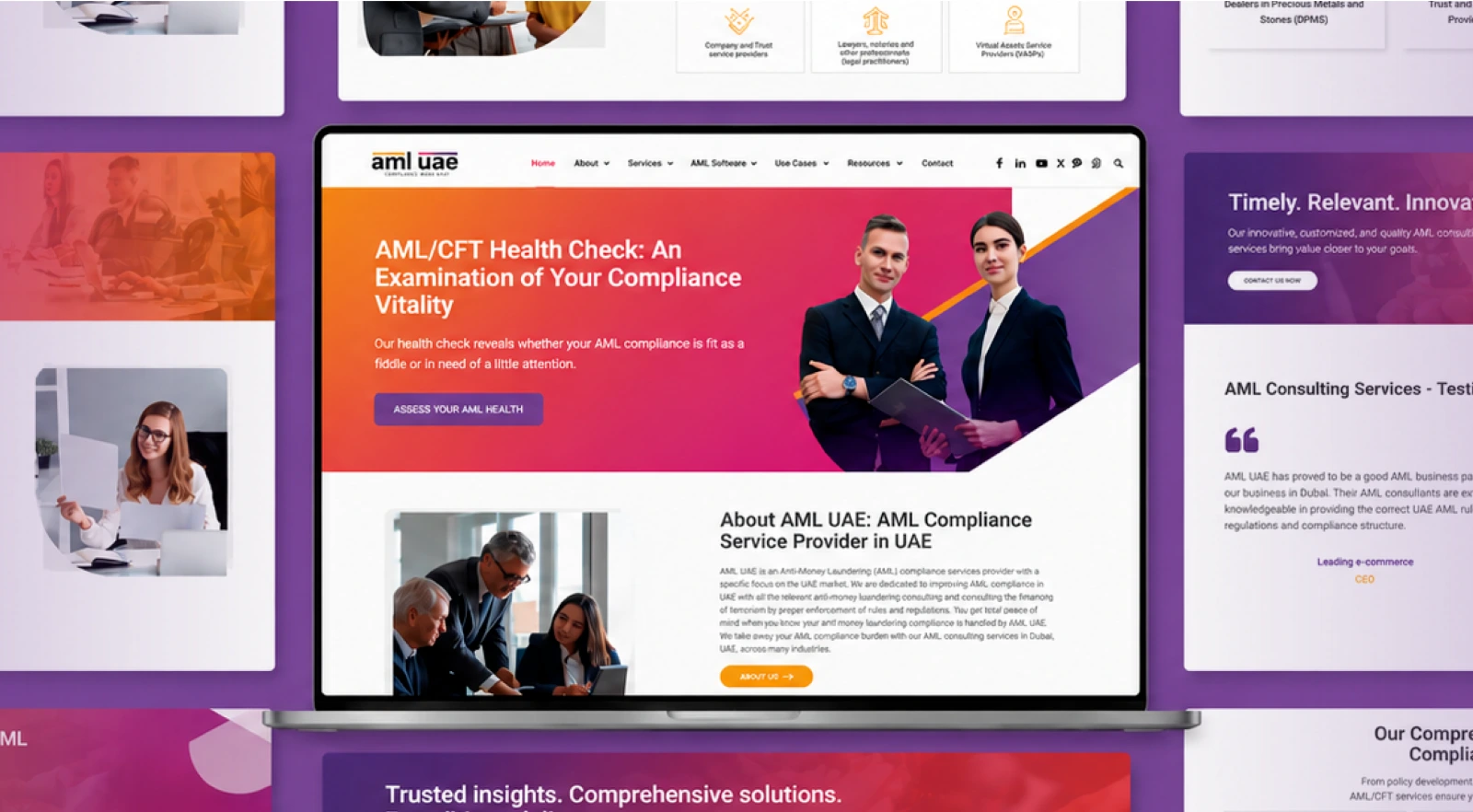
2 published builds — an interactive product hub for a consumer-goods brand and a compliance brand’s website — neither Canadian, both the shape of work Toronto brands ask us for.
The industry pages that carry the full commerce and logistics registers.
01
Retail & eCommerce
Storefronts, marketplaces and the omnichannel plumbing behind them — the industry page carries the platform decisions, the peak-season work and the proof.
Writing that transfers to Toronto commerce: building a true omnichannel eCommerce platform for D2C brands, B2B eCommerce architecture — custom, composable or platform — and an accessibility-first UX playbook.
Experience Design
Accessibility-First UX: A Field-Tested Playbook
· Pavan Chavda · 9 min read
Software Engineering
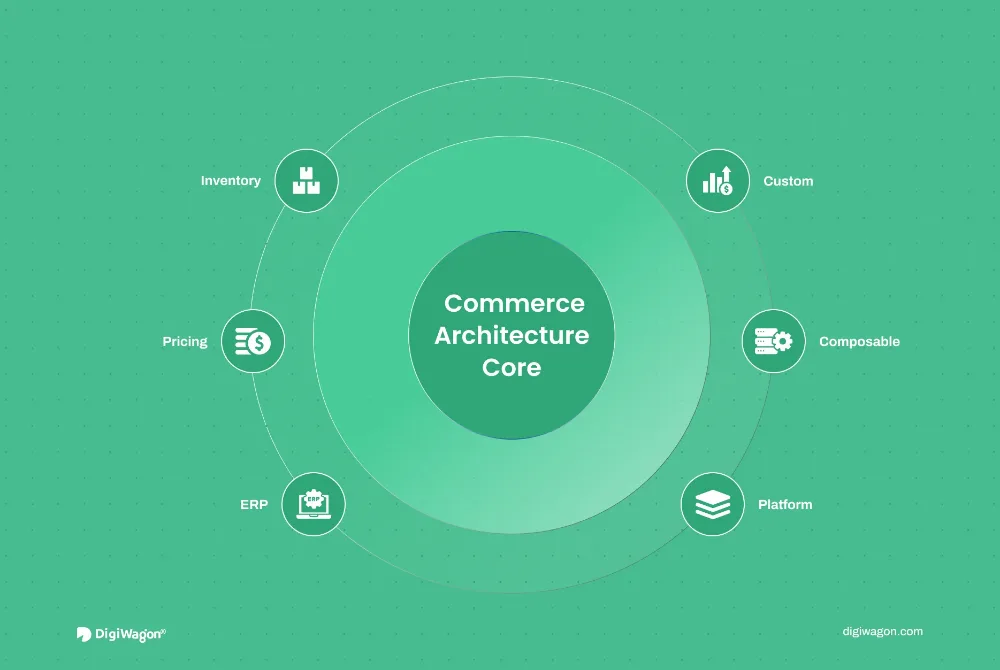
B2B eCommerce Architecture: Custom vs. Composable vs. Platform
· Divyarajsinh Gohil · 10 min read
Software Engineering
Unifying the Experience: Building a True Omnichannel E-commerce Platform for D2C Brands in 2026
Direct answers to what Toronto retailers and marketing teams ask before a web or commerce build.
01Do you build on Shopify or headless for Canadian retail?
Shopify for most Canadian D2C brands — CAD, provincial taxes, Interac and bilingual storefronts are all supported and the checkout is solved. Headless, on Shopify’s Storefront API or a Magento back end, when content and commerce must compose deeply or the brand has outgrown a theme. We recommend by catalogue, integrations and the team who will run it.
02How do you handle bilingual English and French storefronts?
As one system, not two stores: shared catalogue and checkout, language-aware URLs and SEO, content workflows so your team publishes both languages together, and French treated as a first-class experience in typography, forms and transactional email. Quebec-facing products get the Charter’s requirements designed in from the start.
03What does Canadian accessibility compliance require of a website?
Under Ontario’s AODA, designated organisations’ public websites and web content must meet WCAG 2.0 Level AA — perceivable, operable, understandable and robust, in practice semantic structure, keyboard access, contrast, captions and accessible forms. We build to at least that level, test with assistive technology and hand over the evidence.
04Which Canadian payment and shipping rails do you integrate?
Interac and the Canadian card acquirers alongside Shopify Payments, Stripe or Moneris; Canada Post, Purolator, UPS and FedEx for shipping with live rates and labels; and the 3PLs and fulfilment partners Canadian brands use. Each integration gets reconciliation and monitoring, so an order never fails silently.
05Can you handle GST, HST and PST correctly?
Yes — tax by the customer’s province, harmonised or separate as the province requires, applied to prices, invoices and refunds and configured with your accountant before launch. Platform tax engines handle most of it; we test the edge cases — exemptions, shipping tax, returns across provinces — rather than assuming.
06What does support look like through the retail calendar?
Peak-season readiness before Black Friday, Boxing Day and back-to-school — load tests, integration checks, eastern-time staffing — plus platform and plugin updates, performance and accessibility monitoring and a quarterly conversion review. Documentation and admin training are handed over at launch.
Tell us what the site or store has to do, and where it sells.
We will show you comparable commerce and web work and the Canadian decisions behind a build before anything is scoped.