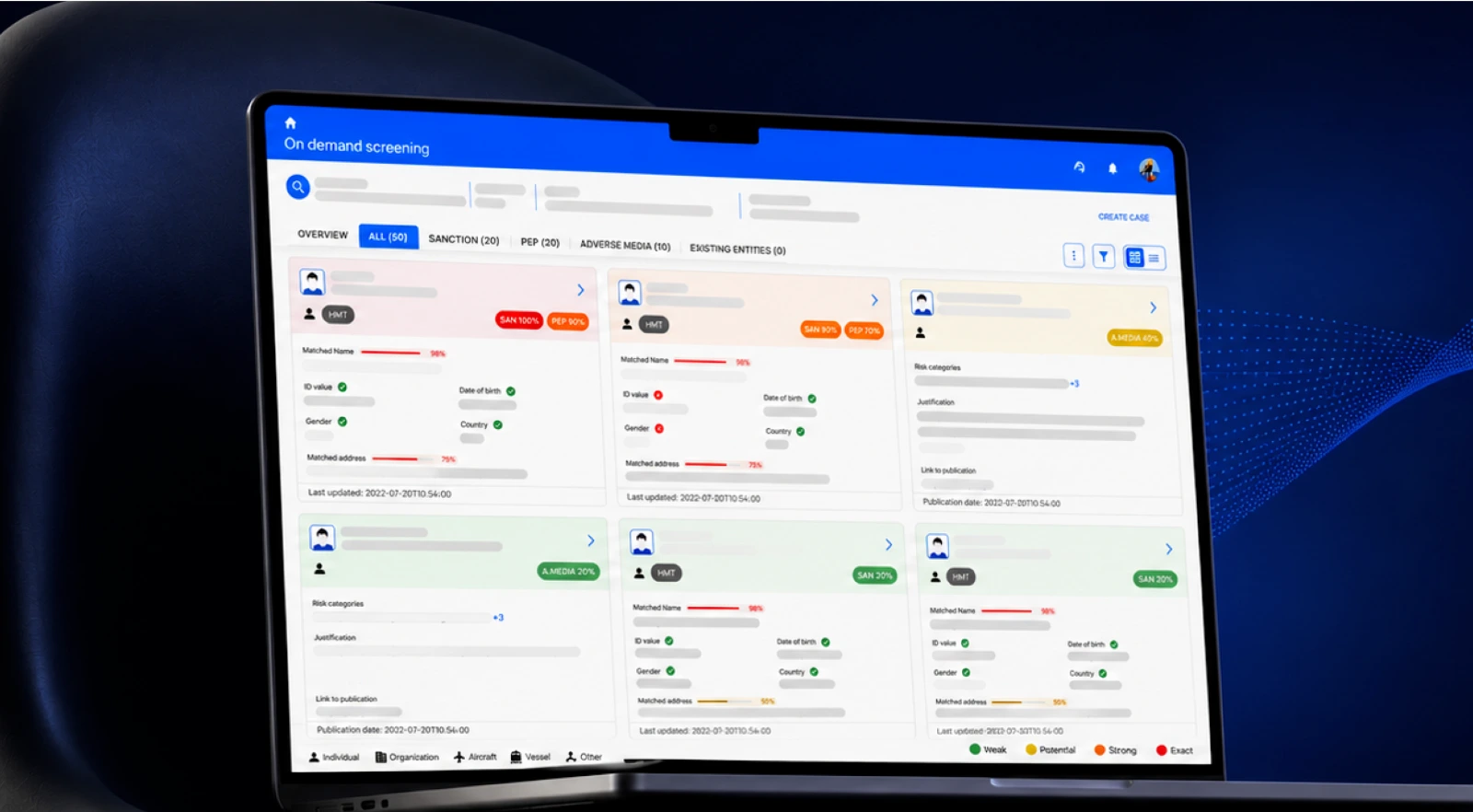
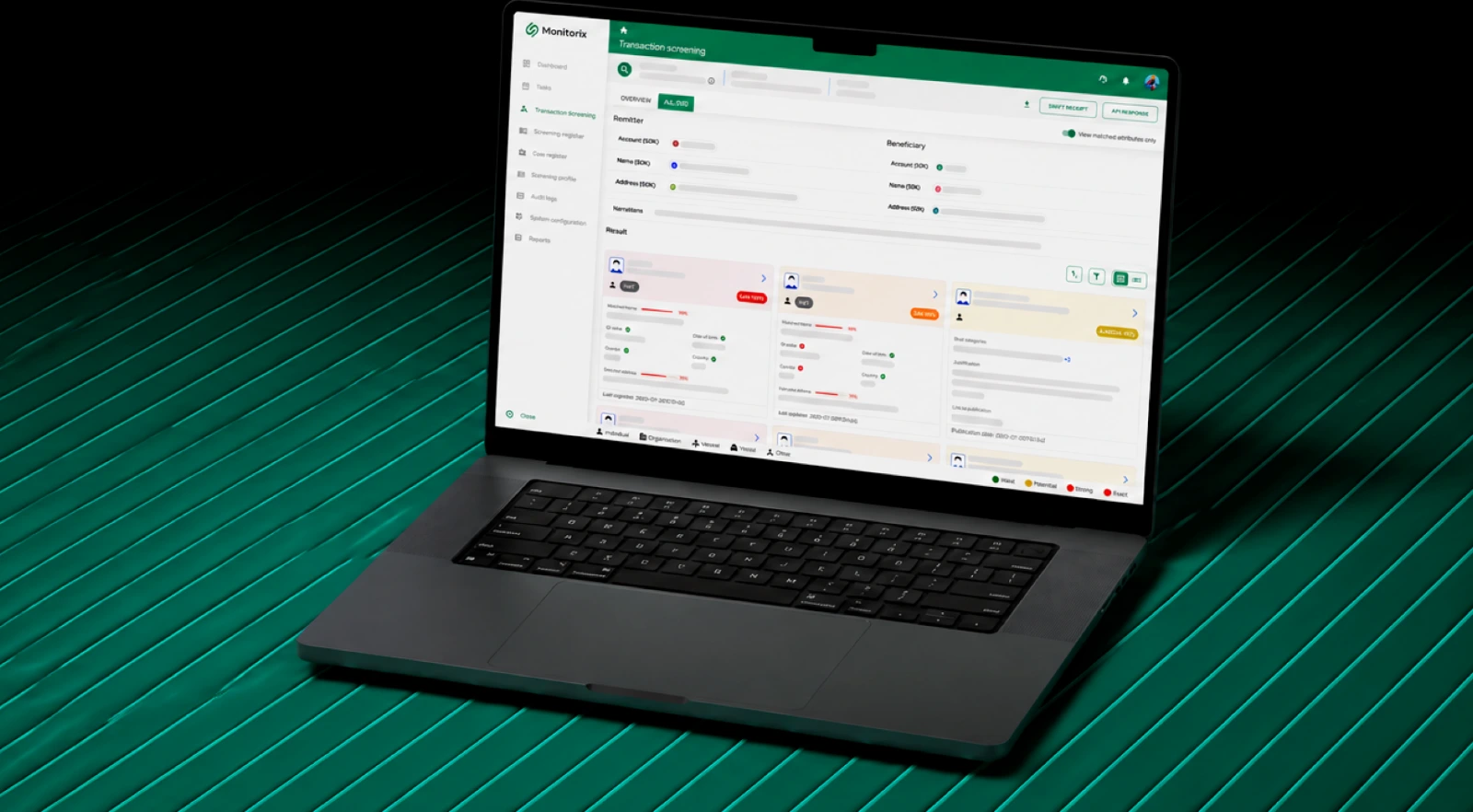
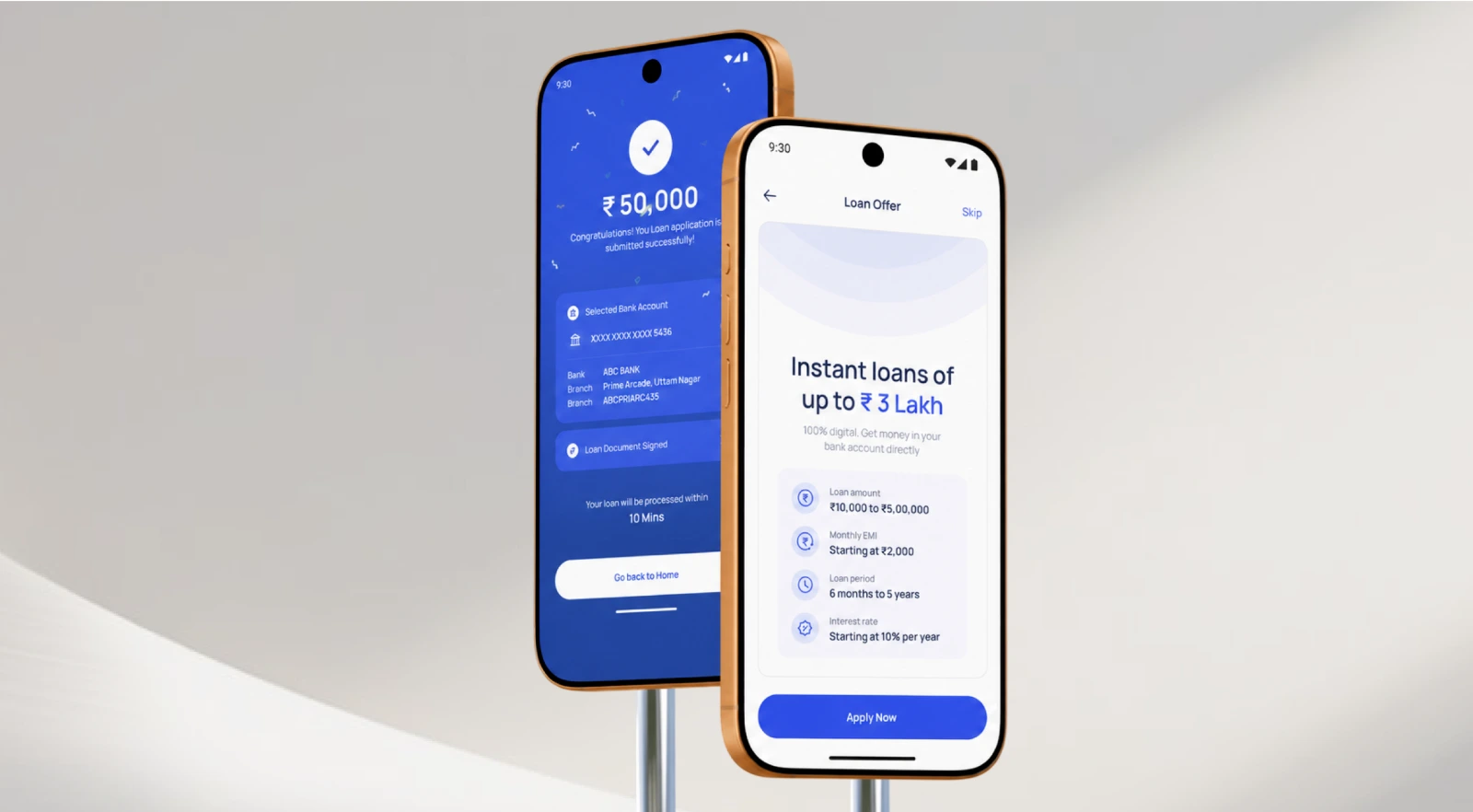
Custom software development toronto teams can run from their own morning stand-up: DigiWagon builds platforms for Toronto and Canadian companies from Ahmedabad, with a fixed eastern-time overlap every day, data-residency-aware architecture and the compliance instincts of a team that has shipped AML, lending and onboarding platforms under audit.
This is the Canadian version of our custom software development practice. What changes here is the hours, the contracting and tax questions, PIPEDA and the residency your customers actually require, and which of our work transfers — the questions any software company toronto teams shortlist should answer; the practice itself is on the parent page.
Four things a software development company toronto buyers ask first, answered as we do them — the overlap, the paperwork, the residency and the cadence.
A standing eastern-time morning window
Toronto is nine and a half to ten and a half hours behind Ahmedabad, so we run a fixed overlap every morning, eastern time — stand-ups, reviews and decisions live between roughly 8 and 11 am ET — and the rest of your day arrives as finished work by the next morning. Incident cover is agreed, not assumed.
One Indian entity, Canadian-ready paperwork
You contract with DigiWagon Technologies Private Limited in India under a master agreement with statements of work, IP assignment on payment, an NDA before discovery and invoices in CAD or USD. Your advisers confirm withholding and tax treatment on your side; we supply the documentation, including what an SR&ED claim needs from a contractor.
Residency treated as a requirement, not a slogan
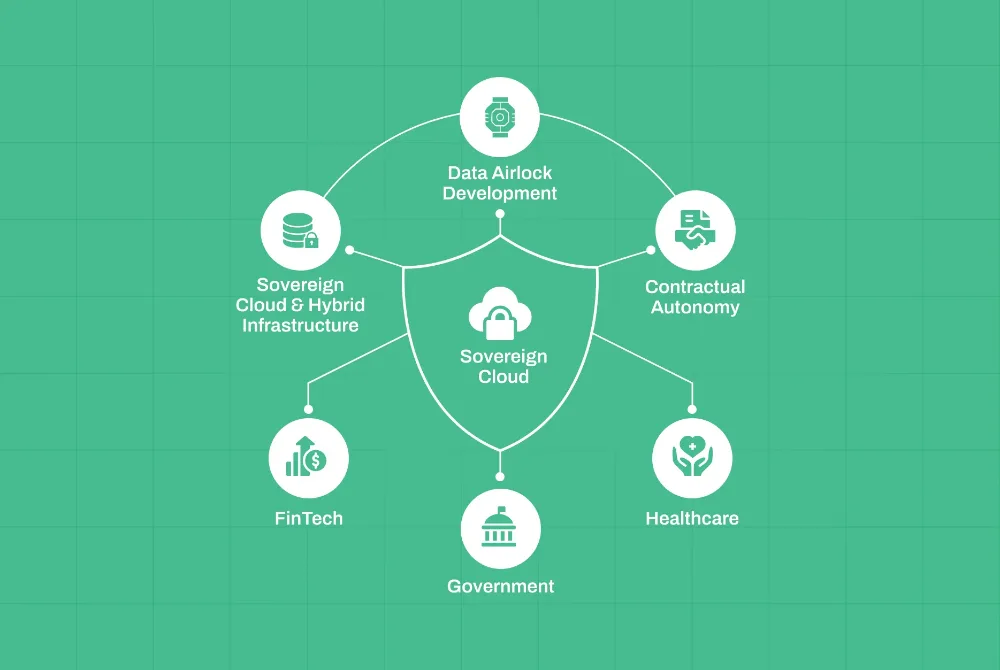
PIPEDA does not mandate Canadian residency for most private-sector data, but your customers’ contracts, Ontario’s health rules or a public-sector buyer often do. We find out in discovery which applies to you and design for it — Canadian-region cloud, encryption you hold the keys to, and processing that stays where the contract says.
Two-week releases, documented for your auditor
Fortnightly increments into your environment, every architecture decision recorded, and ISO/IEC 27001 and ISO 9001 controls on our side of the work — so a SOC 2 or OSFI-style vendor questionnaire from your customers can be answered from records, not memory.
What we build here
What we build for Canadian companies.
The software development toronto teams commission most, each row exiting to the practice page that goes deep on it — and the country-level need behind it, custom software development for Canada, is the same set.
01
Regulated Platforms for Canadian Finance
Onboarding, lending, screening and monitoring platforms for banks, credit unions and FinTechs answering to OSFI, FINTRAC and the provincial regulators — built to Canadian rules and hosted where your contracts require.
Onboarding, KYC and lending journeysFINTRAC and OSFI-aligned audit trailsCanadian-region hostingReal-time screening and monitoring
The systems a Toronto business runs on — operations, case management, approvals, reporting — replacing spreadsheets and ageing vendors, with ERP, CRM and payroll integrations that reconcile.
Operations and case managementERP, CRM and payroll integrationRole-based access and auditReporting that finance trusts
Multi-tenant products for companies selling to Canadian enterprises and the public sector — tenancy that keeps Canadian data in Canada, English and French from the start, WCAG 2.0 AA as a requirement.
Multi-tenant architectureCanadian data residency by designEnglish and French interfacesWCAG 2.0 AA accessibility
Legacy platforms — the Java 8 estate, the Access database running a department, the vendor system nobody can change — brought onto current stacks in stages, the business running throughout.
Staged, reversible modernisationCharacterisation tests firstData migration under a planCoexistence until cutover
The laws, programmes and standards that bind software built for Toronto companies, and which rows above each one touches.
01
PIPEDA and provincial privacy law
The federal private-sector privacy regime — consent, purpose limitation, safeguards, breach reporting — with Quebec’s Law 25 for Quebec residents and Ontario’s PHIPA for health information. Data flows are mapped in discovery.
Not a federal mandate for most private data, but a condition in customer contracts, public-sector procurement and health-sector rules. We find out which applies before choosing the region and the key-management model.
SaaS productsRegulated platforms
03
AODA and WCAG 2.0 AA
Ontario’s accessibility act requires designated organisations’ public websites and web content to meet WCAG 2.0 AA; we build to at least that level and test with assistive technology, because procurement asks.
SaaS productsInternal platforms
04
SR&ED tax incentives
Canada’s Scientific Research and Experimental Development programme can offset part of an eligible build’s cost; we keep the records a claim needs — uncertainty, work performed, who did it — from day one.
Regulated platformsSaaS productsModernisation
Discovery settles each of these with your counsel and your advisers before the architecture is drawn, so the build is right for Canada from the first release rather than corrected for it later.
Work
Work that transfers to Toronto.
4 published compliance and lending platforms — none for a Canadian client, each the kind of regulated build Toronto teams ask us for.
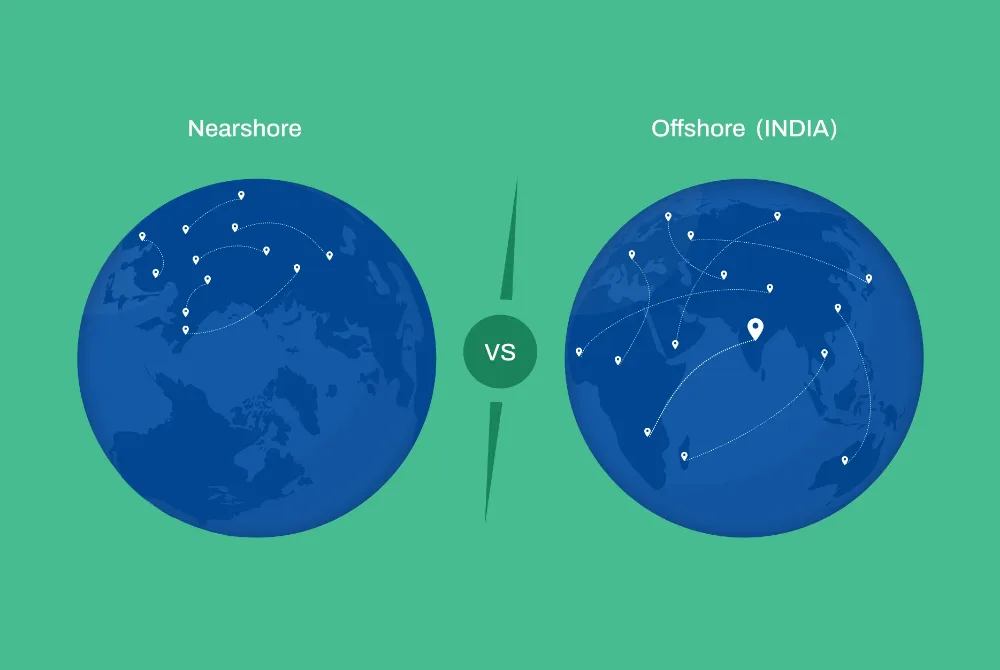
Writing that transfers to Toronto: a regulatory roadmap for generative AI in European and Canadian banks, outsourcing SaaS product development from India versus nearshore for US and UK CTOs, and the sovereign sourcing framework for data residency.
Software Engineering
The Sovereign Sourcing Framework: Balancing Global Outsourcing with Data Residency in UAE & Europe
· Rushabh Modi · 4 min read
Software Engineering
Outsourcing SaaS Product Development: India vs. Nearshore-A Cost and Quality Deep Dive for US & UK CTOs
· Akash Thakor · 6 min read
AI & Machine Learning
Generative AI & LLMs in FinTech: A Regulatory Roadmap for European and Canadian Banks
Direct answers to what Toronto and Canadian teams ask before a custom software engagement.
01Is Canadian data residency required for SaaS?
Not by PIPEDA for most private-sector data — the federal law regulates how data is protected, not where it sits. But customer contracts, public-sector procurement, Ontario’s health rules and some provincial public bodies do require it. We establish which applies to your buyers in discovery and design the tenancy and hosting to that answer.
02How do Canadian SR&ED credits affect a build budget?
The Scientific Research and Experimental Development programme can return part of eligible development spend, including some contractor costs, when the work involves technological uncertainty and is documented. Your advisers decide eligibility; we keep the records a claim depends on — the uncertainty, the approach, the hours — from the first sprint.
03What timezone overlap can you offer eastern time?
A fixed window every working morning, eastern time — typically eight to eleven, which is evening in Ahmedabad — for stand-ups, reviews and decisions, with the rest of your day’s questions answered by your next morning. Incident cover outside that window is agreed in the contract, not assumed.
04Do you serve companies outside Toronto?
Yes — Toronto is where the demand is, but the arrangement is the same for Vancouver, Calgary, Montreal or Ottawa: eastern or Pacific overlap agreed up front, the same contracting and residency approach, and custom software development for Canada as a whole rather than one city. Bilingual interfaces are standard for Quebec-facing products.
05How do we contract with an Indian company?
Under a master services agreement with statements of work, IP assignment on payment and an NDA before discovery, invoiced in CAD or USD to DigiWagon Technologies Private Limited. Your advisers confirm any withholding or tax treatment; we supply the documentation and, if you need it, references from clients who have done the same.
06What happens after launch?
Support is a cadence: monitoring your team can read, scheduled patching, incident response within the agreed window and a quarterly review of cost, performance and security posture. Documentation and runbooks are handed over from the first release, so you can run it, hand it to your own team, or leave it with us.
Tell us what the platform has to do, and who has to approve it.
We will show you comparable regulated builds and the Canadian decisions behind a project before anything is scoped.