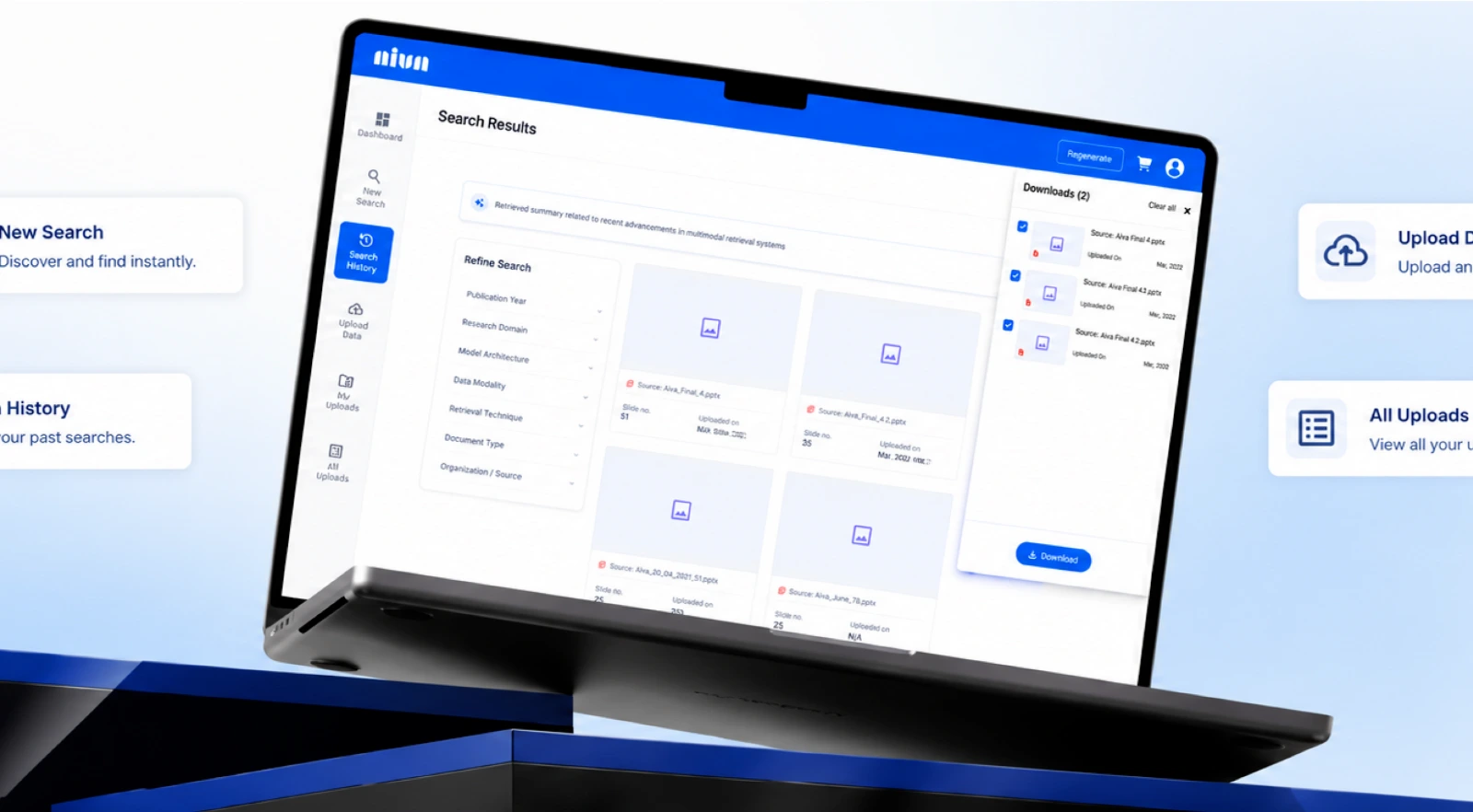
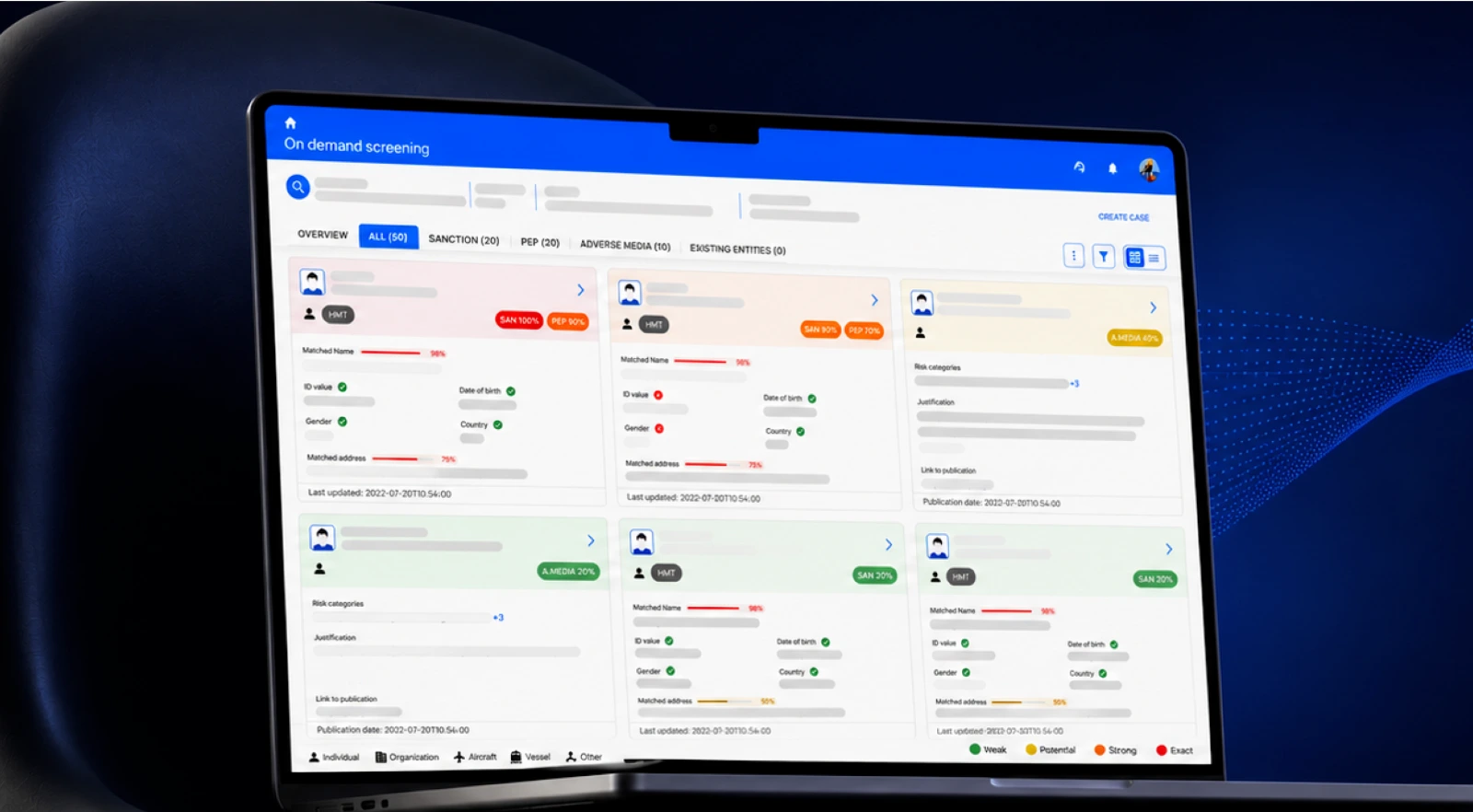
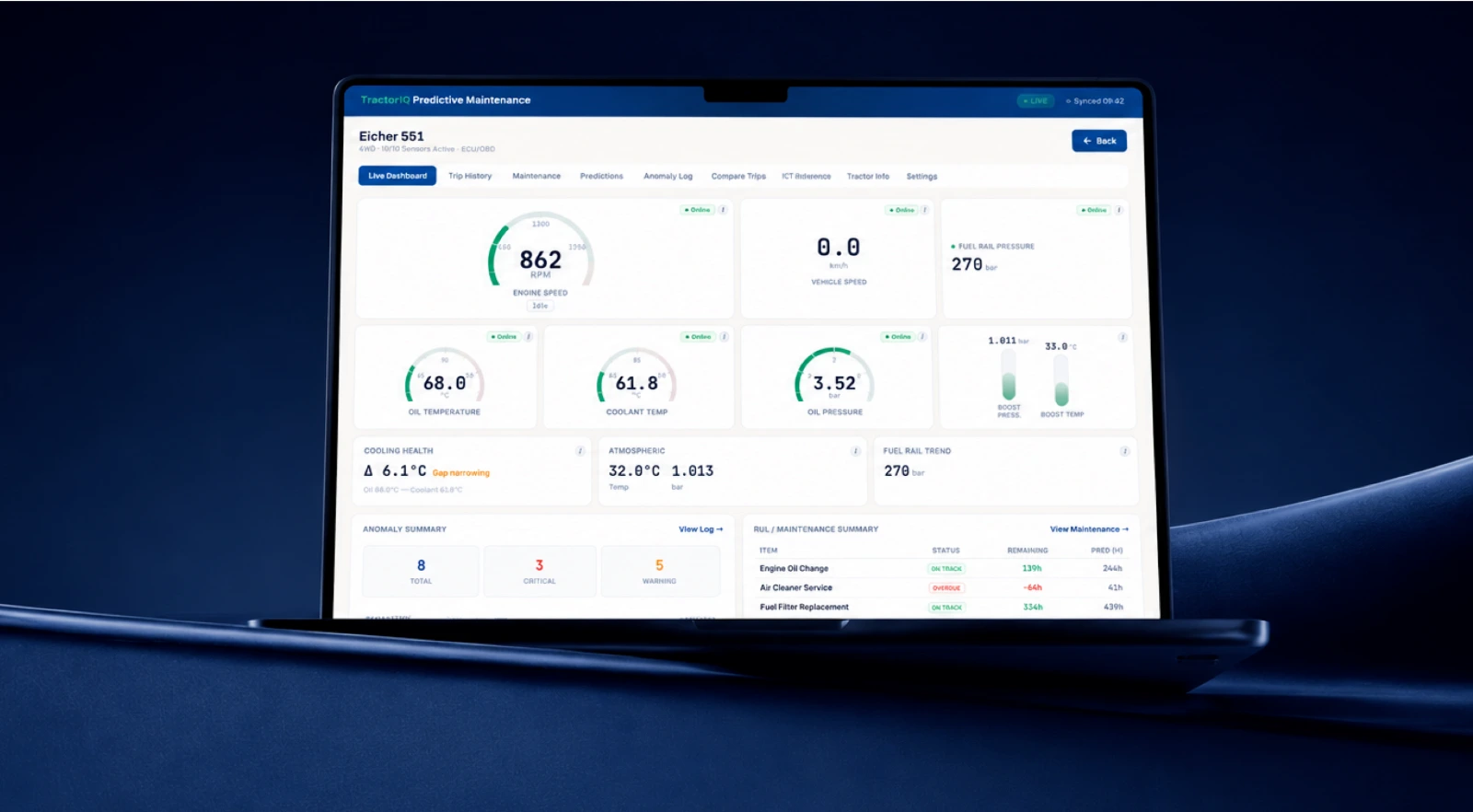
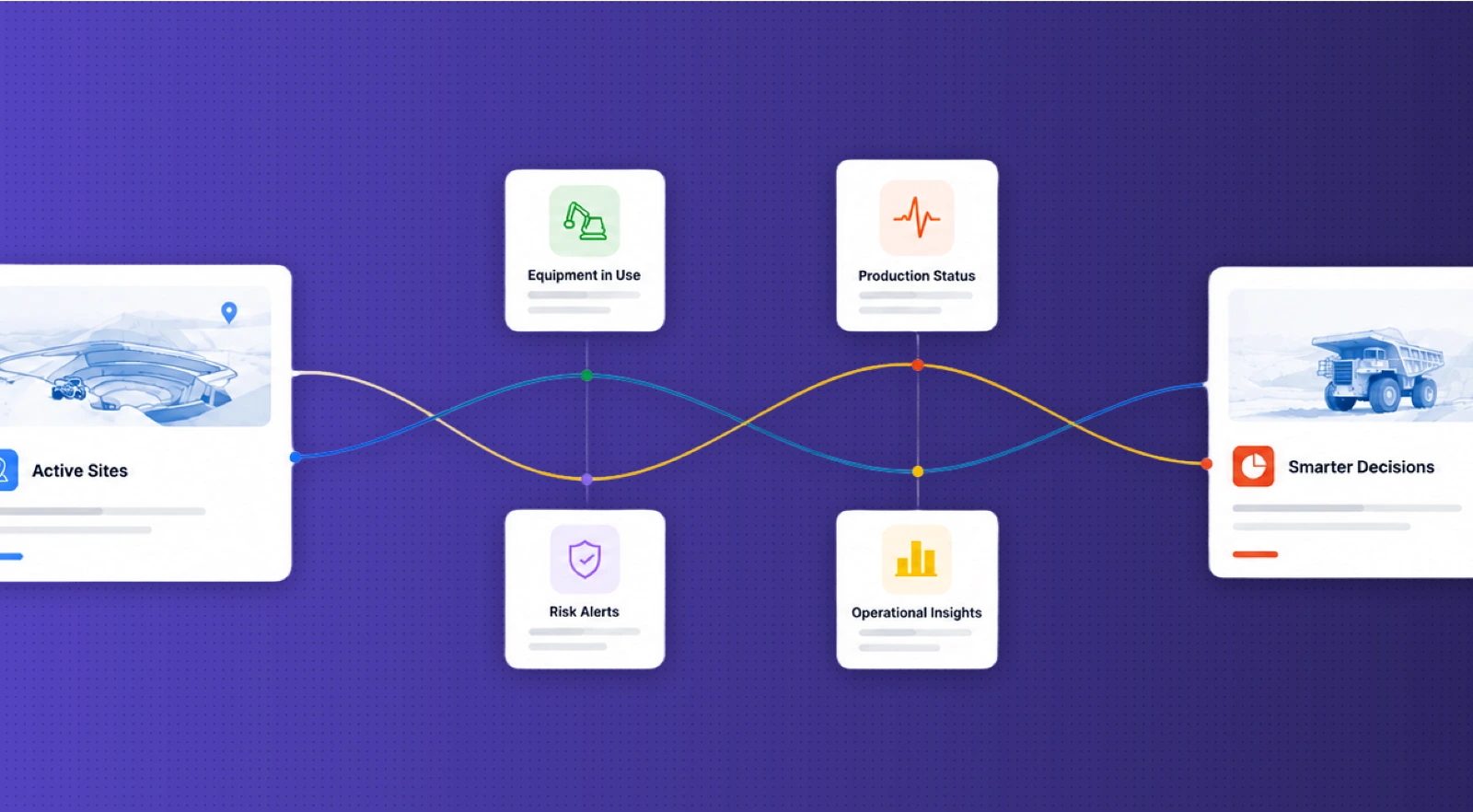
We engineer the pipelines, serving infrastructure, observability, retraining and operational controls that keep AI and machine learning models deployable, measurable and maintainable after launch.
Production AI requires more than deployment. We engineer the infrastructure, controls and lifecycle practices needed to run models reliably, securely and efficiently as usage and requirements evolve.
01
MLOps & LLMOps
Operationalize machine learning and generative AI models from deployment through monitoring, updates, and production management.
Model ServingLLMOpsDeployment PipelinesModel RegistryVersioningProduction Operations
02
CI/CD & Model Lifecycle Management
Create repeatable paths for training, testing, releasing, updating and rolling back AI models.
CI/CD for AI PipelinesModel ValidationRelease AutomationRetrainingRollbackLifecycle Management
03
Model Observability & Evaluation
Understand how models behave after deployment and identify degradation before it affects outcomes.
Model EvaluationData DriftModel DriftQuality MonitoringTracingAlertsPerformance Metrics
04
AI Governance, Security & Responsible AI
Establish controls around access, model behavior, sensitive information, risk and accountability.
AI GovernanceResponsible AIAI SecurityAccess ControlsAuditabilityPolicy EnforcementRisk Controls
05
Model Gateways & Vector Infrastructure
Create the runtime layer connecting applications with models, providers, and supporting AI infrastructure.
Model GatewaysModel RoutingProvider AbstractionVector InfrastructureVector DatabasesEmbedding Infrastructure
06
GPU Infrastructure & Inference Efficiency
Design compute environments around workload performance, latency, scalability and operating cost.
GPU & Cloud AI InfrastructureInference OptimizationAutoscalingResource ManagementCost OptimizationPerformance Tuning
07
AI Readiness Assessment
Assess whether the existing architecture, data, infrastructure, and operating model are ready to support production AI.
A Model Is Ready Only When the Operations Around It Are Ready
Production AI has to stay reliable as traffic, data, models and costs change. Before scaling, we look at the signals that determine whether the surrounding AI environment can hold up.
01
Reliability
Can the service stay available and recover safely? Latency, availability, rollback and failure handling.
02
Model Quality
Can you tell when outputs begin to degrade? Evaluation, drift, accuracy and quality thresholds.
03
Security & Governance
Are access, policies and accountability clear? Permissions, auditability, AI security and responsible-AI controls.
04
Cost & Scale
Can usage grow without compute or inference costs becoming unpredictable? GPU utilization, token cost, routing and autoscaling.
05
Change Management
Can models be updated without destabilizing production? Versioning, CI/CD, retraining and release controls.
Industry context
AI Engineering & MLOps Across Industries
Reliable production AI looks different across industries, but the core challenge is the same: keeping models observable, secure, scalable and maintainable after deployment.
01 / 09
FinTech
01Credit Models
02Fraud Detection
03Model Governance
04Low-Latency Inference
05Auditability
02 / 09
RegTech
01Policy Controls
02Explainability
03Model Monitoring
04Evidence Trails
05Controlled Deployment
03 / 09
InsurTech
01Claims Models
02Risk Scoring
03Drift Monitoring
04Retraining
05Decision Traceability
04 / 09
Healthcare
01Model Validation
02Secure Inference
03Human Oversight
04Performance Monitoring
05Responsible AI Controls
05 / 09
Manufacturing
01Predictive Models
02Vision Deployment
03Edge Inference
04Model Monitoring
05Retraining Pipelines
06 / 09
Retail & eCommerce
01Recommendation Models
02Demand Forecasting
03Personalization
04Cost-Efficient Inference
05Continuous Evaluation
07 / 09
Logistics & Supply Chain
01Forecasting
02ETA Models
03Route Intelligence
04Real-Time Inference
05Model Lifecycle Management
08 / 09
SaaS & Technology
01Multi-Model Routing
02LLMOps
03Vector Infrastructure
04Usage Monitoring
05Cost Optimization
09 / 09
Defence
01Controlled AI Deployment
02Edge Infrastructure
03Secure Model Access
04Human Review
05Operational Monitoring
Our work
AI Engineering & MLOps in practice.
Engagements where this is what we actually built. 4 of them are written up in full.
We start from what has to stay true after launch and work backwards into the pipeline, because almost everything that breaks production AI is a decision made before the first deployment.
01
Assess Readiness
Establish whether the architecture, data, infrastructure and operating model can actually carry this model in production, and name the gaps before they block a release.
Focus
ArchitectureDataInfrastructureGovernance
02
Build the Pipeline
Put in a repeatable path from training through validation to serving, with versioning, a registry and a rollback that has been tested rather than assumed.
Focus
CI/CDRegistryVersioningRollback
03
Instrument It
Define what good looks like in numbers, then evaluate and trace against production behaviour so drift is caught by a measurement rather than by a complaint.
Focus
EvaluationDriftTracingAlerts
04
Operate and Contain Cost
Run it with cost attributed per workload, inference tuned to the latency each use case needs, and model updates that do not destabilise what is already live.
Focus
Cost per workloadInferenceAutoscalingRelease controls
Assess01 Assess ReadinessPipeline02 Build the PipelineObserve03 Instrument ItOperate04 Operate and Contain Cost
Insights
Thinking Behind Production AI.
Perspectives on platform engineering, governance and the operational layer that decides whether a model that works is a model you can run.
Cloud & Platform Engineering
From DevOps to Platform Engineering: The 2026 Blueprint for Enterprise Software Scalability
· Akash Thakor · 4 min read
Data & Analytics
Data Governance Strategy: A Blueprint That Survives Audit
· Akash Thakor · 7 min read
AI & Machine Learning
Sustainable AI by Design: Reducing the Carbon Footprint of Machine Learning in 2026
Frequently Asked Questions About AI Engineering & MLOps
Straight answers on MLOps, model drift and retraining — and on what MLOps services and ML engineering services actually buy you once a model is already live.
01What is MLOps?
MLOps is the practice of managing machine learning models through deployment, monitoring, versioning, retraining, and ongoing operations. It brings engineering discipline to the model lifecycle, so releases are repeatable, performance can be measured, and changes can be introduced without destabilizing production.
02How do you monitor model drift?
Model drift is monitored by comparing live behavior against expected patterns over time. This can include changes in input distributions, prediction quality, confidence, error rates and business outcomes. Alerts and evaluation thresholds help identify when performance is moving outside acceptable limits and needs investigation.
03When does a model need retraining?
A model should be retrained when its performance declines, input data changes materially, new patterns appear, or the operating context shifts. Retraining should be triggered by measurable evidence such as drift, quality degradation, or updated data rather than by a fixed schedule alone.
Keep AI Reliable After It Goes Live
From deployment and observability to governance, retraining and cost optimization, we help keep production AI stable, measurable and easier to operate as it scales.
One click opens the assistant you already use with a question that points it at this page, so the answer comes from what we publish, not a guess.
The question it opens withRead https://digiwagon.com/ai-engineering-mlops-services and explain how DigiWagon runs a AI Engineering Services & MLOps engagement, what I should expect in the first 90 days, and how to judge whether a partner like this fits a team of our size. Stick to what the page says and mark anything you are not sure about.