Predictive Analytics Services and Production Machine Learning
Find the Signal. Make Better Decisions From It.
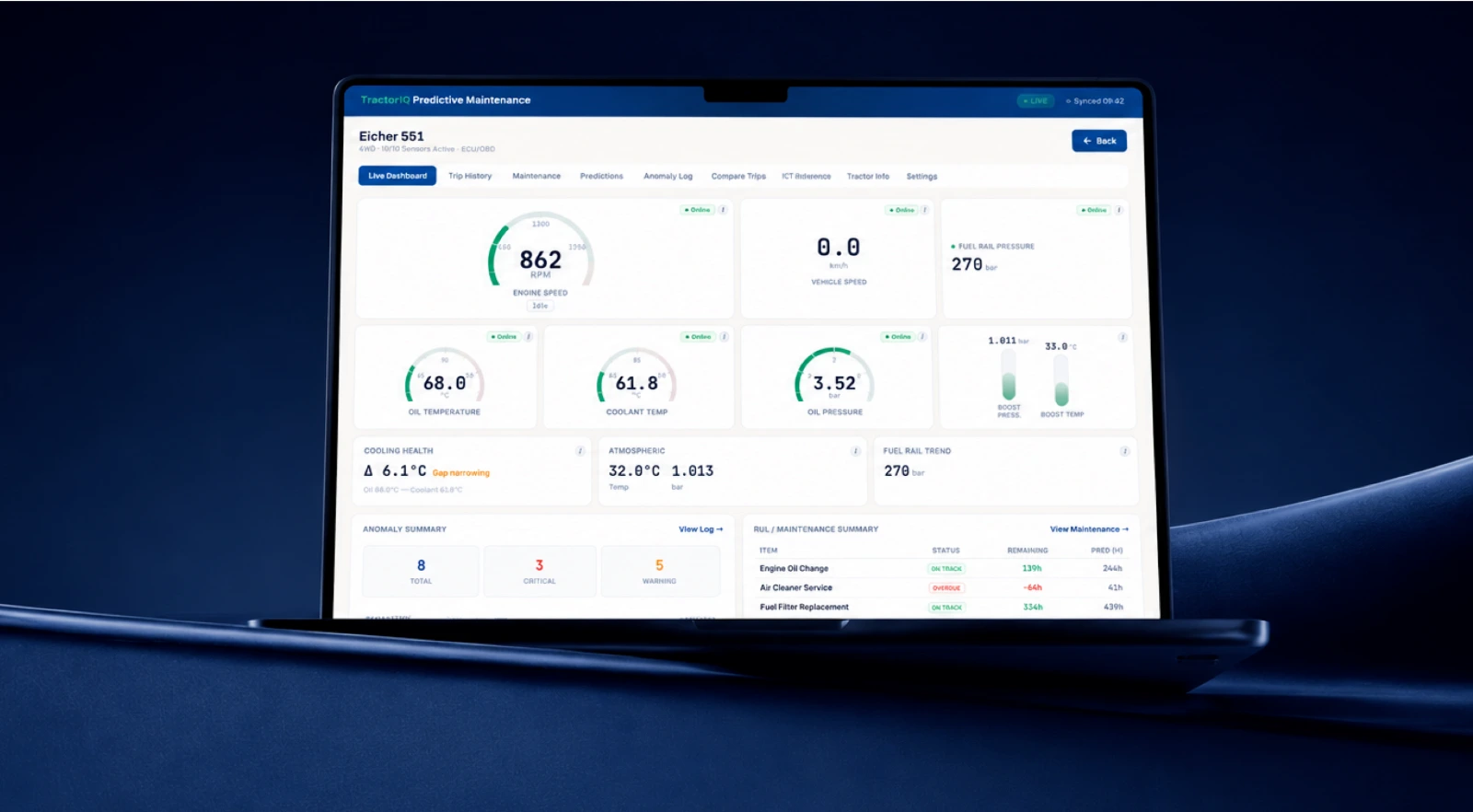
We develop machine learning solutions for prediction, forecasting, classification, recommendation and anomaly detection, with model performance, retraining, and data drift considered from the start.
Machine learning creates value when the model is tied to a clear decision, measurable outcome, and reliable data. We develop models for prediction, detection, scoring, recommendation, and classification, with performance beyond initial training considered from the start.
01
Predictive Analytics & Forecasting
Estimate future demand, behavior, volume, or outcomes using historical and real-time signals.
A Prediction Is Only Useful If You Know What to Do with It
A machine learning model does more than produce a score. The real design challenge is deciding which signals matter, how much confidence is enough, what action follows and when the model should be questioned or retrained.
01
Signal
What is the model learning from?
Identify the features, behaviours and historical patterns that genuinely influence the outcome.
Data Quality · Feature Relevance · Bias · Freshness
02
Predict
What exactly are we estimating?
Define a measurable outcome such as probability of default, future demand, likelihood to convert or equipment failure.
Target Definition · Prediction Window · Model Selection
03
Validate
Will the model hold up beyond its training data?
Test performance against unseen scenarios, edge cases and the errors that matter most to the decision.
We start from the decision the model is supposed to improve and work backwards to the data, rather than starting from the data and hoping a decision turns up.
01
Frame the Decision
Establish which decision the prediction feeds, what a measurable outcome looks like, and which signals plausibly carry information about it.
Focus
The decisionTargetSignalsPrediction window
02
Build and Validate
Engineer features, train candidates and test them against unseen scenarios and the specific errors that would hurt most in this decision.
Focus
FeaturesTrainingPrecision & recallEdge cases
03
Set the Threshold
Turn model output into thresholds and decision logic the business agrees with, and decide which cases go to a person instead.
Monitor data and model drift after launch so degradation is caught by a measurement rather than by someone noticing the predictions have stopped making sense.
Focus
Data driftModel driftMonitoringRetraining
Frame01 Frame the DecisionBuild02 Build and ValidateThreshold03 Set the ThresholdWatch04 Watch for Drift
Insights
Thinking Behind Predictive Models.
Perspectives on prediction, forecasting and the engineering around a model — what has to be true before a score is allowed to change a decision.
AI & Machine Learning
From Deep Learning to Deep Insight: Building a Predictive AI Engine for Logistics & Supply Chain
· Akash Thakor · 5 min read
AI & Machine Learning
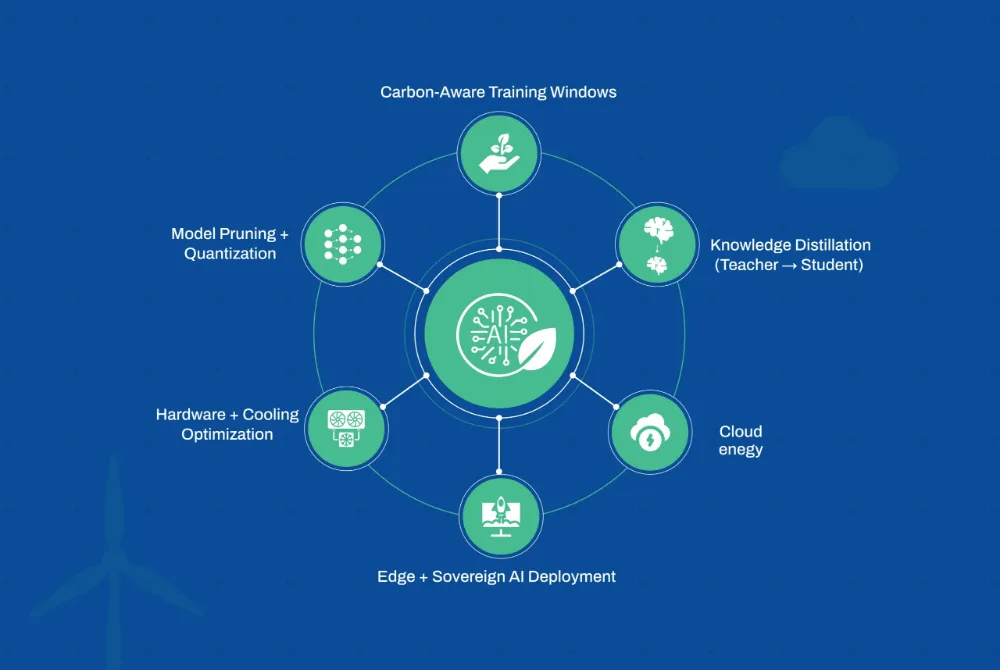
Sustainable AI by Design: Reducing the Carbon Footprint of Machine Learning in 2026
· Akash Thakor · 5 min read
Data & Analytics
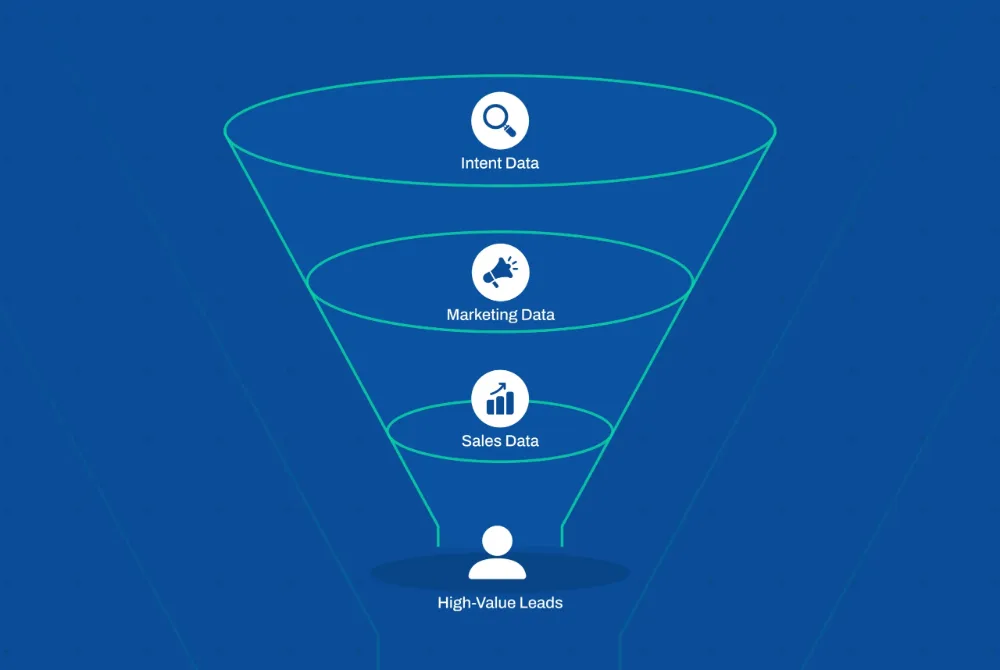
Predictive Analytics 2.0: How Intent Data Unifies B2B Sales & Marketing Funnels in 2026
Straight answers on supervised and unsupervised learning, predictive analytics, and what ML model development and deep learning services actually involve.
01What is machine learning?
Machine learning is a method of using historical data to train models that can identify patterns and make predictions, classifications or recommendations. Instead of relying only on fixed rules, the model learns relationships from examples and applies them to new data.
02What is the difference between supervised and unsupervised learning?
Supervised learning trains a model using labelled examples where the expected outcome is known, such as fraud detection or credit scoring. Unsupervised learning works with unlabelled data to discover hidden structures or groups, making it useful for clustering, customer segmentation and anomaly discovery.
03How long does it take to train a machine learning model?
Training time can range from minutes to days depending on the amount of data, model complexity, computing resources and number of experiments required. In practice, preparing clean data, selecting useful features and validating performance often takes more time than the actual model-training step.
04What is predictive analytics?
Predictive analytics uses historical and current data to estimate the likelihood of future outcomes. Machine learning can strengthen predictive analytics by detecting complex patterns across large datasets, supporting use cases such as demand forecasting, churn prediction, credit risk, fraud detection and predictive maintenance.
Put Your Data to Work Before the Next Decision Arrives
From forecasting and risk models to recommendations and anomaly detection, we help move machine learning from experimentation into measurable use.
One click opens the assistant you already use with a question that points it at this page, so the answer comes from what we publish, not a guess.
The question it opens withRead https://digiwagon.com/machine-learning-services and explain how DigiWagon runs a Predictive Analytics Services and Production Machine Learning engagement, what I should expect in the first 90 days, and how to judge whether a partner like this fits a team of our size. Stick to what the page says and mark anything you are not sure about.