Digital Transformation Consultancy for London Teams
Sequenced. Then shipped.
A digital transformation consultancy london teams can hold to a release date: sequencing, trade-offs and what to modernise first, from engineers who have replaced the paper, the spreadsheets and the legacy systems for banks, manufacturers and service networks — written down, costed, and buildable by the people who wrote it.
This is the London version of our application modernisation practice’s advisory work — the software consultancy london firms ask for when a programme has to show results this year. What changes here is the UK regulatory and contracting context; the modernisation engineering is on the parent page.
How transformation consultancy works with London teams.
What an engagement includes, and how it avoids the programme that never ships.
The whole London morning, and then some
London is four and a half to five and a half hours behind Ahmedabad, so your nine o’clock is our afternoon and our day runs into your early afternoon. Stand-ups, reviews and decisions happen live in your hours every working day; incident cover is agreed in the contract, not assumed.
Sequenced by value, not by org chart
We map the estate, the processes and the people, then order the work by what returns value soonest and de-risks the rest — the first release inside a quarter, every release independently valuable, and the big rewrite that never lands ruled out by design.
UK GDPR from the first diagram
Every personal-data flow is mapped in discovery and the platform designed to UK GDPR and the Data Protection Act 2018 — lawful basis, retention, international transfer arrangements for the work we do from India, UK-region hosting where you or your customers require it — with the record kept for your DPO.
Consultants who have done the modernising
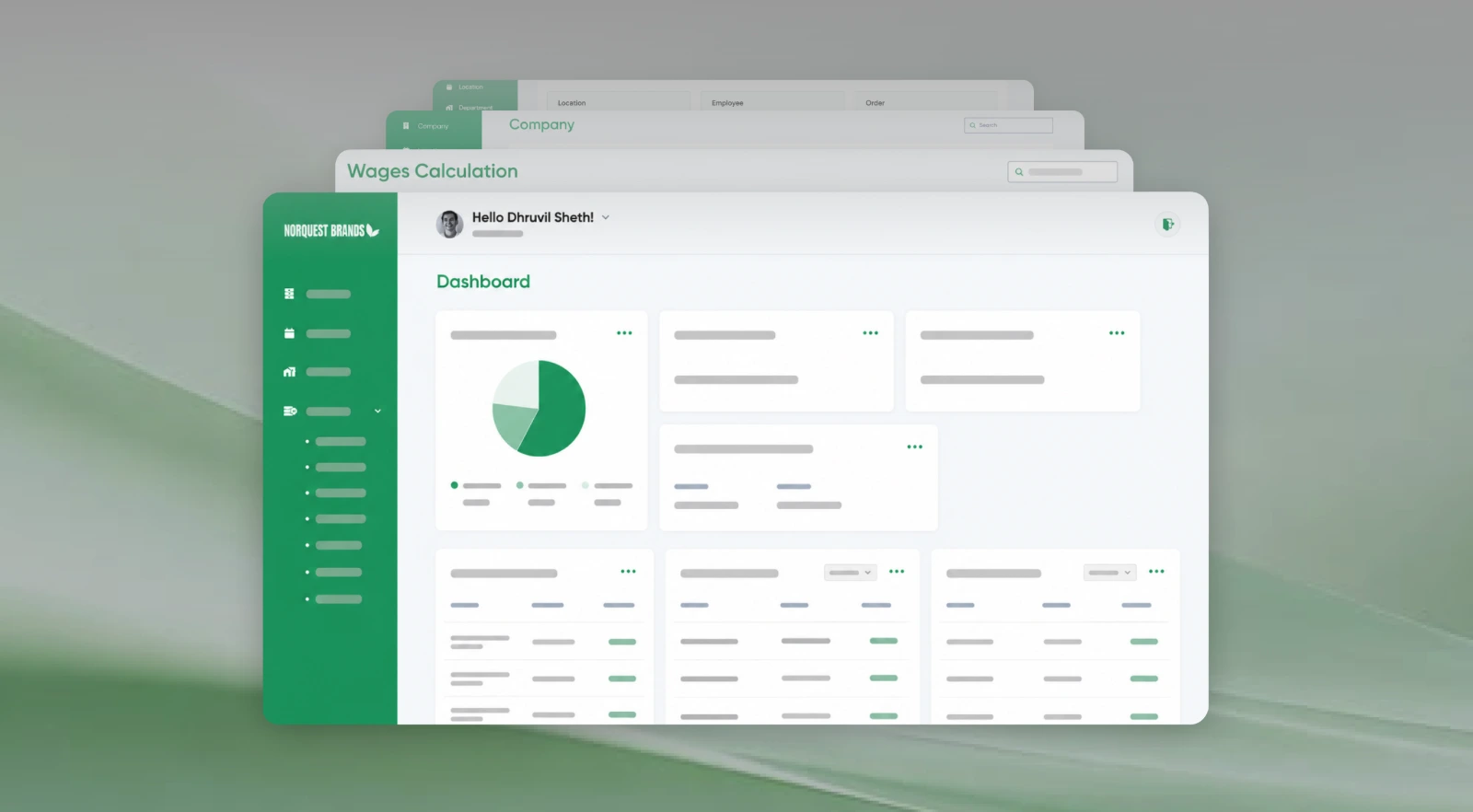
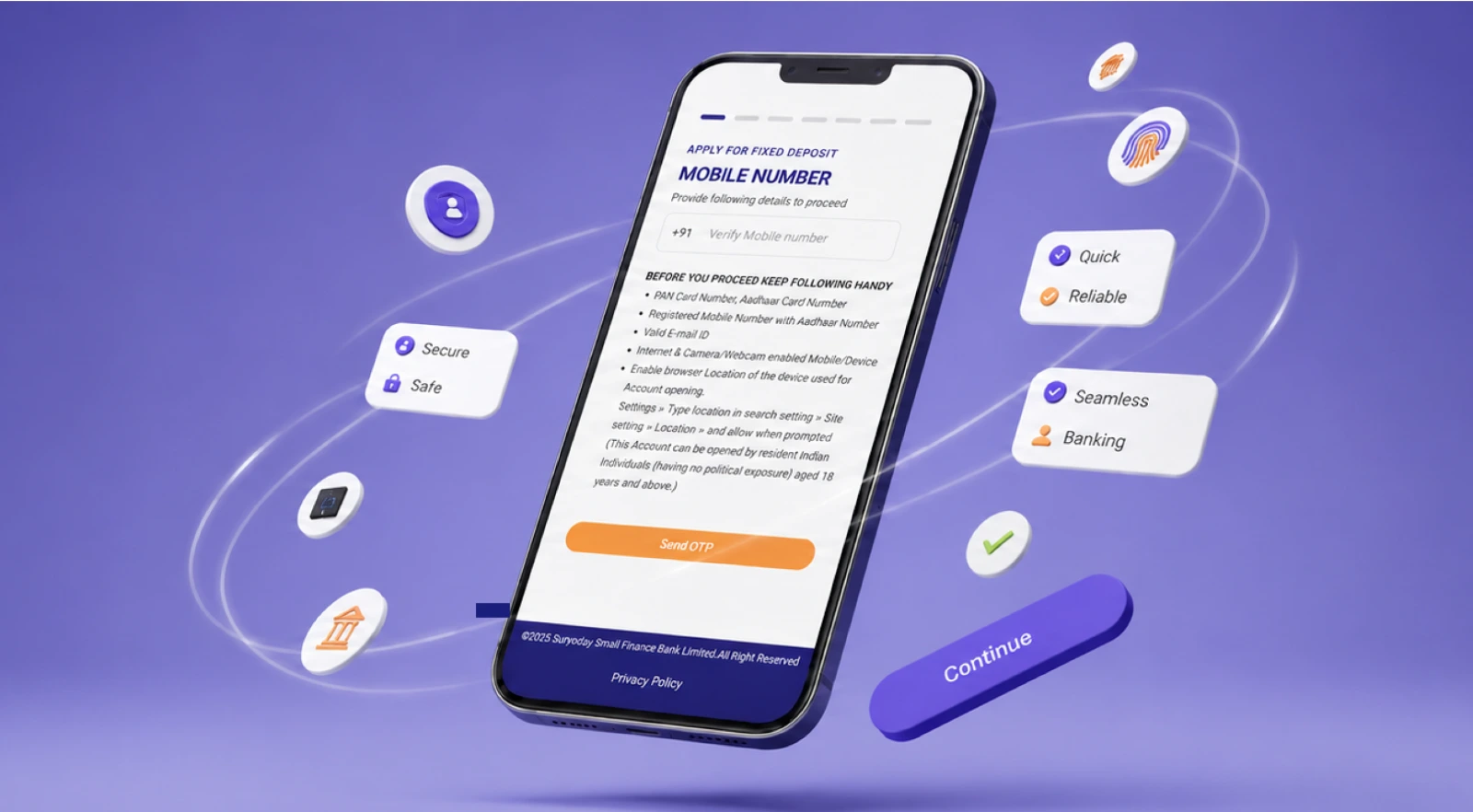
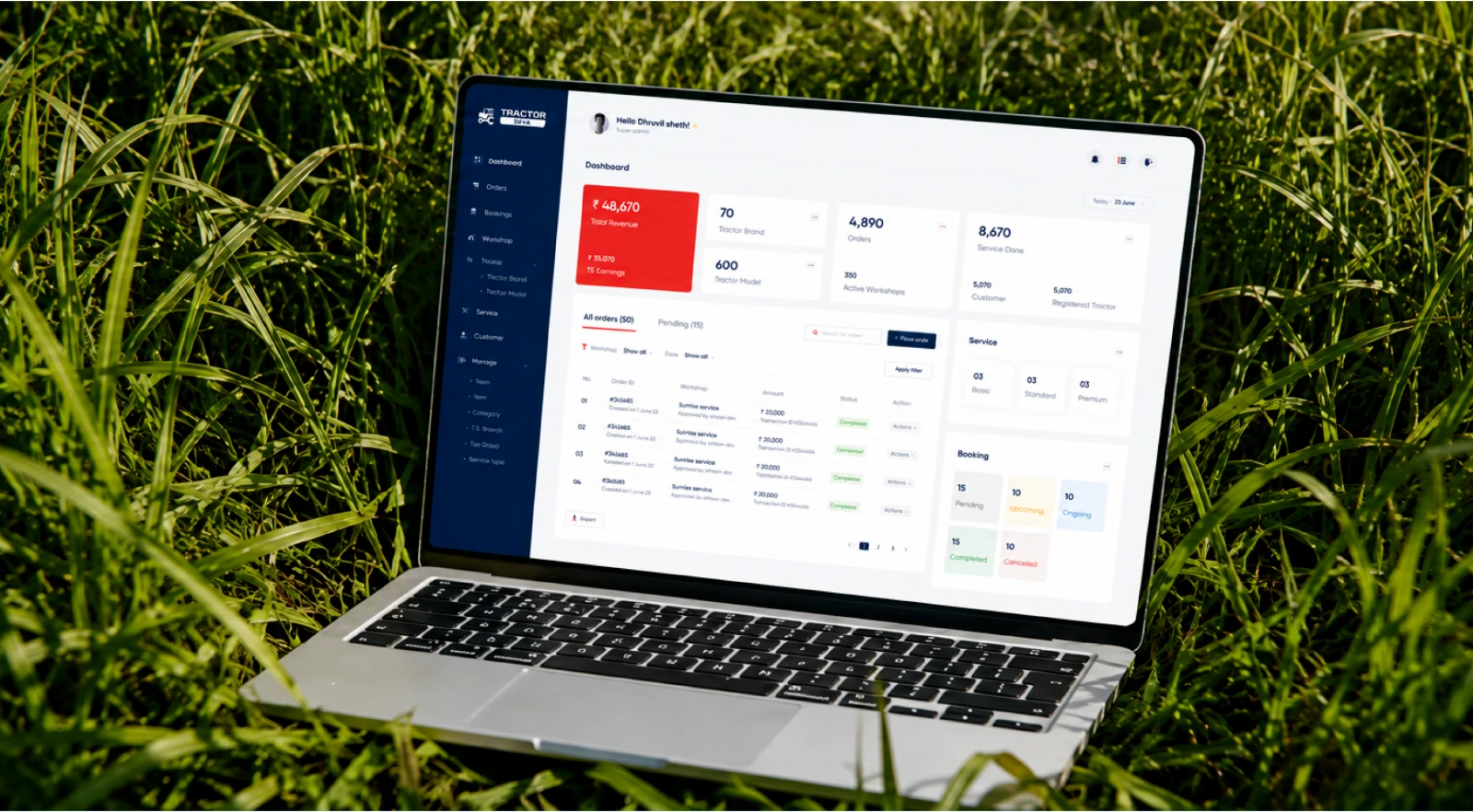
The people who advise you have moved a bank’s deposit onboarding off paper, a manufacturer’s wages off spreadsheets and a service network onto a platform — so the plan is one we would execute ourselves, and can.
What we build here
What London firms bring us.
The transformation work UK businesses commission, each row exiting to the practice page that goes deep on it.
01
Estate and Process Assessment
A reading of the systems, integrations, data and manual processes a business runs on, against what it needs to do next — with the dependencies mapped, the risks ranked, the quick wins separated from the structural work, and a target state that the organisation can actually reach.
Systems and integration mapProcess and manual-work inventoryRisk and dependency rankingA reachable target state
The order in which to modernise — which legacy system to strangle first, which process to digitise, which data to fix — costed per stage, with the first release inside a quarter and each stage leaving the business better off if the programme stopped there.
Stage-by-stage sequencingCost and value per stageFirst release inside a quarterStop-anywhere design
Which cloud, which region, what to lift, what to re-platform and what to leave — decided with UK GDPR, the FCA’s outsourcing expectations and your customers’ contracts in the room, and costed against the operating model your team can run.
Cloud and region selectionLift, re-platform or rebuild per systemCompliance in the decisionOperating-model fit
An independent read of a stalled programme or an incumbent vendor: what has been delivered against what was promised, what it would take to finish, and whether to continue, rescue or replace. Direct, documented, and yours to act on with or without us.
Programme and code reviewFinish, rescue or replaceTransition planningDocumentation you keep
The regimes and realities a London transformation programme has to be sequenced around.
01
UK GDPR and the Data Protection Act 2018
Migrating systems means migrating personal data: lawful basis, retention, impact assessments and transfer arrangements for work done from India are part of the sequencing, not a review at the end.
Estate assessmentRoadmapCloud decisions
02
FCA operational resilience and outsourcing
For regulated firms, important business services must survive the change and the vendor; the plan names them, tests them and keeps the evidence the FCA and PRA expect.
RoadmapCloud decisionsVendor rescue
03
Public-sector procurement and accessibility
G-Cloud and framework procurement, WCAG 2.2 AA under the 2018 regulations and the Technology Code of Practice shape what a public-sector programme may buy and build — designed into the plan where they apply.
Estate assessmentRoadmap
04
R&D tax relief
Eligible technical work inside a programme may attract relief under the merged scheme; your advisers rule, and the records a claim depends on are kept from the first stage.
RoadmapCloud decisions
A plan that ignores this context produces a programme that stalls at the first compliance question. Ours is sequenced around it, with your compliance lead in the room.
Work
Transformations delivered.
4 published builds that were transformations in substance — paper to platform, spreadsheets to systems — none for a London client, each the shape of what this page plans.
How we think about the programmes London firms bring us: a manufacturing digital transformation roadmap, when to rebuild, refactor or buy, and from DevOps to platform engineering.
Software Engineering
Manufacturing Digital Transformation Roadmap: From Strategy Consulting to Rollout
· Kartik Gajjar · 6 min read
Software Engineering
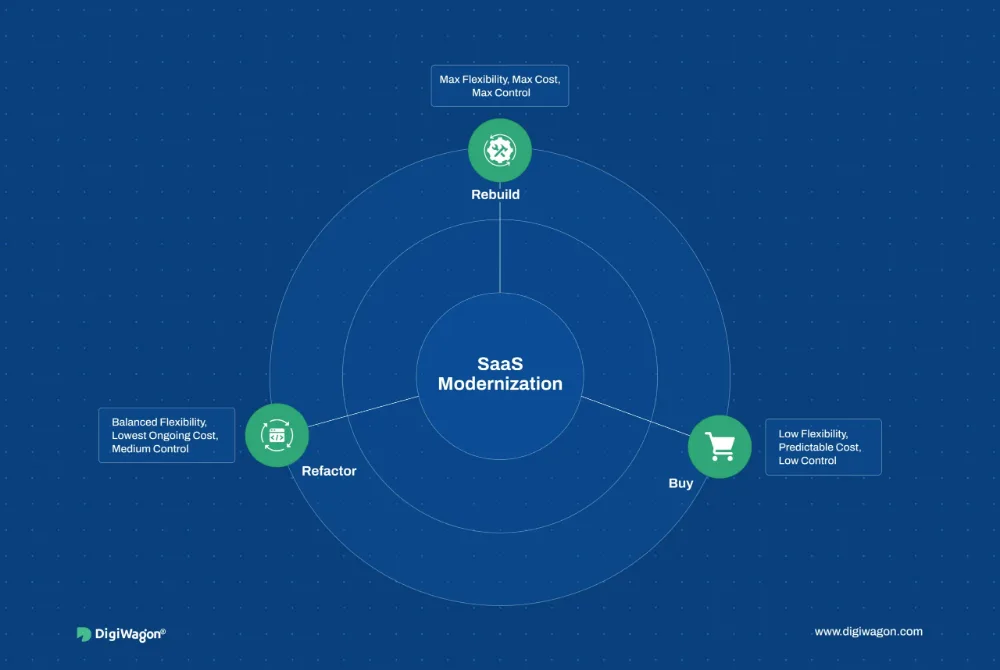
SaaS Consulting Playbook: When to Rebuild, Refactor, or Buy
· Charmi Shah · 4 min read
Cloud & Platform Engineering
From DevOps to Platform Engineering: The 2026 Blueprint for Enterprise Software Scalability
Direct answers to what London teams ask before a digital transformation engagement.
01What does a digital transformation engagement actually change?
Named things: a paper or spreadsheet process replaced by a system, a legacy platform retired in stages, data that finance trusts, a release cadence the organisation can sustain. We write down which of those the programme changes, in what order and by when, and the first of them ships inside a quarter — or the plan is wrong.
02How do you avoid a transformation programme that never ships?
By sequencing for the first release inside a quarter, making every stage independently valuable, refusing the big-bang rewrite, and putting the people who will build it in the room that plans it. Programmes stall on scope, dependencies and hand-offs; the plan removes the first two and the team removes the third.
03How long before a modernisation programme shows results?
The first measurable change — a process off paper, a system’s first module live, a report the business trusts — lands inside the first quarter, because the sequence is built to put it there. Structural change across an estate takes a year or more, in stages, each one paying for itself before the next begins.
04Can you advise without building, and build without advising?
Both. The advisory is a self-contained engagement with a document you own and can take to any vendor. Building is a separate scope with its own estimate. Many clients do one then the other, because the people who wrote the plan are the people who would execute it — but neither obliges the other.
05How do you work with our existing IT team and vendors?
As the people who make the plan real: your team owns the systems and the operating model, incumbent vendors are assessed on delivery rather than replaced by reflex, and the roadmap allocates work to whoever can ship each stage best. Knowledge transfer and documentation are deliverables, not favours.
06How do you charge for a transformation consultancy?
By fixed scope, never by open-ended retainer: the assessment, the roadmap and any rescue review are each scoped with a defined deliverable and quoted with their assumptions in conversation. Programmes are staged, so you can stop at any document you find sufficient — and the build, if you want it, is a separate decision.
Bring us the programme that has to show results this year.
We will tell you in the first conversation whether it is a three-week assessment or a quarter’s roadmap, and what the document will contain.