Custom SaaS Development for Software Product Companies

Product platforms built for the hundredth tenant, not the first.

DigiWagon builds and re-architects multi-tenant SaaS products for software companies, platform startups and technology teams in the United States, the United Kingdom, India and the UAE: the tenancy model, the data layer, the integrations and the release engineering behind a product that has to be sold, onboarded and upgraded a hundred times over. Eight of our published case studies are product platforms for technology companies.

Talk to our product team

Start with the tenant model

What Does Your SaaS Product Have to Prove?

Pick the situation closest to yours. We’ll show what we would build for it, where it sits in the product services below, and which standard shapes it.

Pick what your product has to prove

What it has to prove

A v1 That Sells but Cannot Scale

The first customers were won on a codebase built for them, the tenth needs a database of its own, the largest wants a region, and every new tenant costs more to run than the last one paid.

What we would build
What you could end up with
  • A tenancy model chosen for your isolation, cost and compliance needs, not the framework default
  • A migration path that keeps every current customer live
  • Cost per tenant you can see and price against
What it works with
  • Your current codebase, database and cloud account
  • Billing, identity and support systems
  • The engineers who ship it today
What it has to prove

Enterprise Buyers Asking for SSO, Audit Logs and SOC 2

The deal is agreed and procurement sends the questionnaire: single sign-on, provisioning, role-based access, exportable audit logs, data residency and an attestation the product does not have yet.

What we would build
What you could end up with
  • SAML and OIDC single sign-on, SCIM provisioning and role-based access
  • Audit logs, data residency and retention controls as product features
  • SOC 2 evidence generated by the pipeline, not assembled before the audit
What it works with
  • Okta, Entra ID and Google Workspace
  • Your cloud, CI/CD and logging
  • Your security-questionnaire backlog
What it has to prove

AI Features the Roadmap Promised

The roadmap says copilot, the board says agents, and nobody has answered how a model reads one tenant’s data without seeing another’s, at a cost the plan can bear.

What we would build
What you could end up with
  • Copilots and agents grounded in each tenant’s own data, never another’s
  • Evaluation, guardrails and cost controls before general availability
  • A model layer you can swap when the market moves
What it works with
  • Your product’s data model and permissions
  • LLM providers and vector stores
  • Observability and cost tooling
What it has to prove

A Data Layer Every Customer Wants to Report On

Every enterprise customer asks for dashboards, exports and an API to their own data; the operational database was never designed for it, and the hand-run reporting is becoming a product nobody scoped.

What we would build
What you could end up with
  • Dashboards and reports inside the product, scoped per tenant
  • A governed data layer your own team and your customers read the same way
  • The APIs and exports enterprise customers ask for in procurement
What it works with
  • Your operational databases and event streams
  • Warehouse, BI and embedding tools
  • Your product and customer-success teams

Not sure which applies? Talk to our product team

What we build

Software for Product Teams

SaaS software development for companies whose product is the software: custom saas development for new products, the re-architecture a growing tenant base forces, and the enterprise, AI, data and platform capabilities that decide renewals. Below are the services a custom saas software development company brings to a product team, each linked to the DigiWagon practice that builds it, with the vertical SaaS work for regulated buyers named where it applies.

01

Product Strategy, Discovery & Roadmap

Most SaaS products stall on the second segment, not the first: the pricing model the architecture cannot support, the enterprise feature the data model forbids. Discovery starts with how the product is sold and renewed — segments, plans, onboarding, the procurement questions that stall deals — and settles the sequence: what to re-architect, what to build next, what to buy. The output is a roadmap costed against revenue at risk and cost per tenant, and a first release your customers will notice.

Segment, plan and renewal discoveryArchitecture review against the next hundred tenantsRe-architect, build, buy sequencingRoadmap costed against revenue at risk
Product Strategy & Discovery

02

Custom SaaS Development for New Products and Modules

New products and major modules built as products from the first commit: tenancy, entitlements, billing, onboarding, admin and support tooling designed as features rather than discovered as gaps after the first enterprise deal. Custom saas development here means the product itself — the domain model, the workflows and the APIs your customers pay for — built on a platform your team can run and extend. For an AML software provider we have built five such platforms: screening, real-time payment screening, transaction monitoring, watchlist governance and SWIFT data orchestration, each sold to regulated institutions.

Domain model, workflows and APIs as the productTenancy, entitlements and billing from the first commitAdmin, support and onboarding toolingPlatforms sold onward to regulated buyers
SaaS Development

03

Multi-Tenant Architecture & Re-Platforming

The v1 that won the first customers was built for them; now the hundredth tenant needs isolation and the largest wants a region of its own. We choose the tenancy model with you — shared schema, schema per tenant, database per tenant or a mix by plan — against isolation, cost, compliance and operational load, then move the product there without a big-bang rewrite: an API layer first, modules re-platformed one at a time, tenants migrated in cohorts with a rollback position.

Tenancy model selection by plan and segmentAPI layer first, modules re-platformed one at a timeTenant migration in cohorts with rollbackCost-per-tenant visibility
Application Modernization

04

Enterprise-Readiness & Compliance Engineering

The features that unblock enterprise procurement are engineering, not paperwork: SAML and OIDC single sign-on, SCIM provisioning, role-based access, audit logs your customers can export, data residency and retention controls, and encryption with customer-managed keys. We build them as product features and wire the pipeline to generate the SOC 2 and ISO/IEC 27001 evidence as it runs, so the security questionnaire is answered by the system.

SSO (SAML, OIDC), SCIM and RBACExportable audit logs, residency and retentionCustomer-managed keys and contractual uptimeSOC 2 and ISO 27001 evidence by pipeline
DevOps & DevSecOps

05

AI Features, Copilots & Agents Inside the Product

Copilots, assistants and agents that live inside the product and act on each tenant’s own data under that tenant’s permissions, never another’s. We design the retrieval and tool layer against your data model and access controls, build evaluation suites before general availability, set guardrails and cost ceilings per tenant, and keep the model layer swappable, so a better model is configuration.

Tenant-scoped retrieval and tool layersEvaluation suites before general availabilityGuardrails and cost ceilings per tenantSwappable model layer
AI Agents

06

Embedded Analytics & Customer-Facing Data Platforms

Dashboards, reports, exports and data APIs inside the product, scoped per tenant and read by your customers and your own leadership from one governed data layer. The watchlist governance platform we built for a compliance vendor centralized, cleansed and synchronized screening data across sources — updates 50% faster, duplicate and inconsistent records down 40% — a data platform sold as a product.

Tenant-scoped event and warehouse layersEmbedded dashboards and reportingData exports and data APIsEmbedded-versus-standalone BI decisions
Analytics & BI

07

Integration Platforms, Public APIs & Marketplaces

Every enterprise prospect asks what the product integrates with, and the answer decides the deal. We build the public API, webhooks, SDKs and developer portal as a product surface — versioned, documented, rate-limited, idempotent — and the integration platform behind it: connectors to the systems your segment runs on, an app marketplace where partners publish, and the monitoring that tells you a customer’s integration broke before they do.

Public APIs, webhooks and SDKsDeveloper portal and API versioningConnectors and app marketplaceIntegration monitoring per customer
Systems Integration

08

Platform Engineering, Cloud Cost & Release Engineering

The platform under the product: infrastructure as code, environments per tenant tier, CI/CD with progressive delivery and feature flags, observability with SLOs your contracts can quote, and cost per tenant visible in the same dashboards as latency. We build the internal developer platform your engineers ship on, so a release is a routine and a region is a configuration.

Infrastructure as code and environment tiersCI/CD, feature flags and progressive deliveryObservability, SLOs and incident toolingCloud cost tuned to the plans you sell
Platform Engineering

09

Vertical SaaS for Regulated Markets

Vertical SaaS products sold to banks, insurers, healthcare providers or public bodies carry their buyers’ regulators with them: model governance, audit trails, data residency, retention, explainability and evidence the buyer’s examiner will sample. We build the compliance capability into the product — workflow automation with decision logs, human review queues, configurable rules by jurisdiction, reporting the regulator recognizes — so the vendor sells compliance rather than promising it.

Decision logs and human review queuesRules configurable by jurisdictionModel governance and explainabilityReporting in the regulator’s form
Intelligent Automation

Solutions we engineer

Product Systems We Build

The building blocks behind the platforms above, grouped the way a product leadership team scopes them. Pick a group to see what we have built inside it.

01 / 05

Tenancy, Identity & Billing

01Shared, schema-per-tenant and database-per-tenant models
02Tenant provisioning and lifecycle
03SSO (SAML, OIDC), SCIM and RBAC
04Plans, entitlements and metering
05Subscription billing and dunning integration
06Cost-per-tenant visibility

Who we build for

Companies We Build For

Five kinds of product company, each with its own buyers, renewal logic and failure modes. The tenancy, integration and platform patterns transfer between them; the procurement questionnaire does not.

Vertical SaaS Vendors in Regulated Markets

RegTech, FinTech, InsurTech and HealthTech products carry their buyers’ regulators with them. For one AML software provider we built five platforms sold onward to banks and insurers — screening, payment screening, transaction monitoring, watchlist governance and SWIFT data orchestration.

Horizontal B2B SaaS & Workflow Products

Products sold across industries live on activation, integrations and enterprise readiness. Tenancy that scales with the plan, SSO and audit logs the procurement team asks for, public APIs partners build on, and analytics inside the product rather than beside it.

Platform Startups & Scale-Ups

A v1 that won customers and now has to survive them. For a company-formation consultancy in Dubai we built the setup platform that made enquiry handling 55% faster and cut manual qualification effort 45%; for a multi-brand service network, the web and mobile platform with real-time tracking — service tracking 50% faster.

Consumer & Marketplace Apps

Web and mobile clients on one backend, several languages, real-time state and the release train that keeps them in step. Onboarding designed for activation, notification preferences that respect consent, and observability that catches a bad release early.

Technology Teams Inside Enterprises

Internal platforms built to product standards because their users can leave for a spreadsheet. The production-to-payroll platform we built for a multi-location manufacturer — wage calculation 55% faster, manual payroll effort halved — is an internal product with tenants, roles and a roadmap of its own.

Compliance by design

Compliance Is Architecture

A SaaS product is judged by the questionnaires its buyers send: which attestations it holds, how tenants are isolated, where data lives and for how long, who can sign in and how, whether the AI feature can be explained, and whether the buyer’s own regulator will accept the records it produces. We treat each as a design constraint rather than a badge. Every framework below binds at least one of the services above, because that is where it is implemented.

01

SOC 2 Type II (AICPA Trust Services Criteria) and ISO/IEC 27001:2022

The two attestations enterprise procurement asks a SaaS vendor for. DigiWagon holds ISO/IEC 27001 and ISO 9001 certification; the product’s pipeline generates the SOC 2 evidence as it runs.

Every engagementPlatform

02

GDPR and UK GDPR (processor duties, Article 28 agreements, sub-processors, transfers), CCPA/CPRA and India’s DPDP Act 2023

A SaaS vendor is a processor for its customers and a controller for its own data; residency, retention, deletion and subject-rights tooling are product features that answer both.

Data platformsTenancyAI features

03

SAML 2.0, OpenID Connect, OAuth 2.0 and SCIM 2.0 (RFC 7643/7644)

The identity standards enterprise customers federate with and provision through; single sign-on and lifecycle management are built to them, not to one vendor’s SDK.

Enterprise readinessIntegration

04

OWASP ASVS, the OWASP Top 10 and the OWASP Top 10 for LLM Applications

The verification standard the product’s security testing is written against, and the LLM-specific list AI features are tested against before release.

PlatformAI features

05

EU AI Act (Regulation (EU) 2024/1689) and the NIST AI Risk Management Framework 1.0

Risk classification, transparency, logging and human-oversight duties for AI features sold into the EU, phased in from 2025; NIST AI RMF is the vocabulary US buyers use.

AI featuresVertical SaaS

06

WCAG 2.2 Level AA and the European Accessibility Act (applies from 28 June 2025)

Accessibility as a procurement requirement for products sold to public bodies and large enterprises in the US and Europe; tested with assistive technology, not only with a checker.

Product designWeb & mobile clients

07

PCI DSS v4.0.1 and HIPAA, where the product takes card payments or handles protected health information

Scoped narrow by design: tokenizing payment providers keep card data out of the platform; a HIPAA product carries a business associate agreement and the controls it names.

BillingVertical SaaS

08

The buyers’ regulators a vertical product inherits — FinCEN and the FCA for AML, IRDAI and the NAIC for insurance, FDA and HHS for health

A vertical SaaS product must let its customers evidence their own compliance: decision logs, model documentation, retention and reporting in the regulator’s form are product features.

Vertical SaaSData platforms

09

ISO 9001:2015

Quality management for the delivery itself — requirements, change, review and release discipline. DigiWagon is ISO 9001 certified.

Every engagement

Certification is a claim we make only about ourselves. For everything else on this list, the product is built for the framework and the evidence is produced with the code.

SaaS & Technology in practice

SaaS & Technology in practice.

Compliance platforms, service networks and internal products built as products. 6 of them are written up in full.

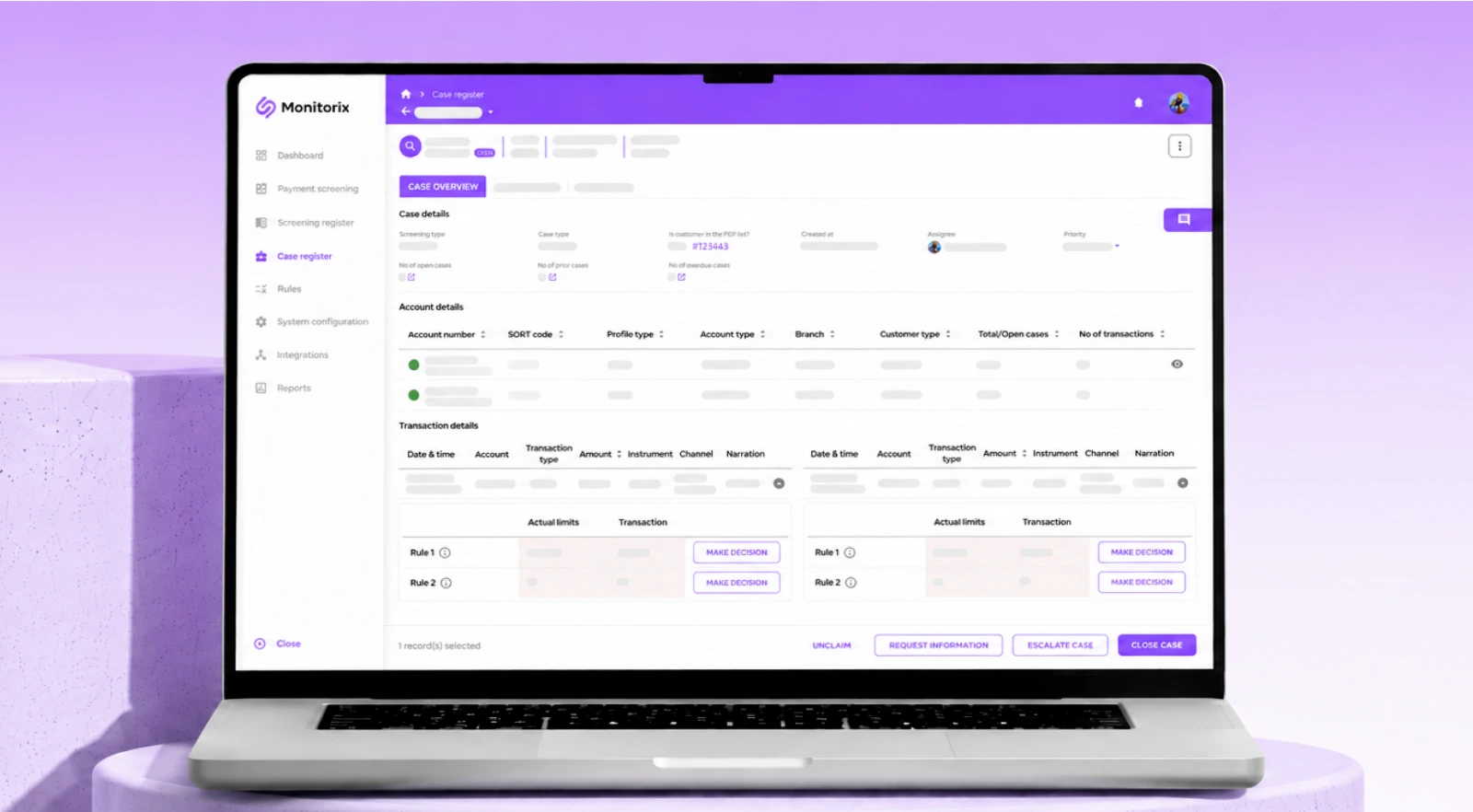
The transaction monitoring dashboard on a laptop against a lilac backdrop, showing an alert queue with risk scores.FinTech

Transaction Intelligence & Behavioral Analytics

A scalable and configurable transaction monitoring solution engineered to detect suspicious activity in real time using rule engines, behavioral profiling, and hybrid risk logic, enabling financial institutions to strengthen AML compliance while optimizing operational efficiency.

45%Faster suspicious activity detection35%Improvement in monitoring workflow efficiency
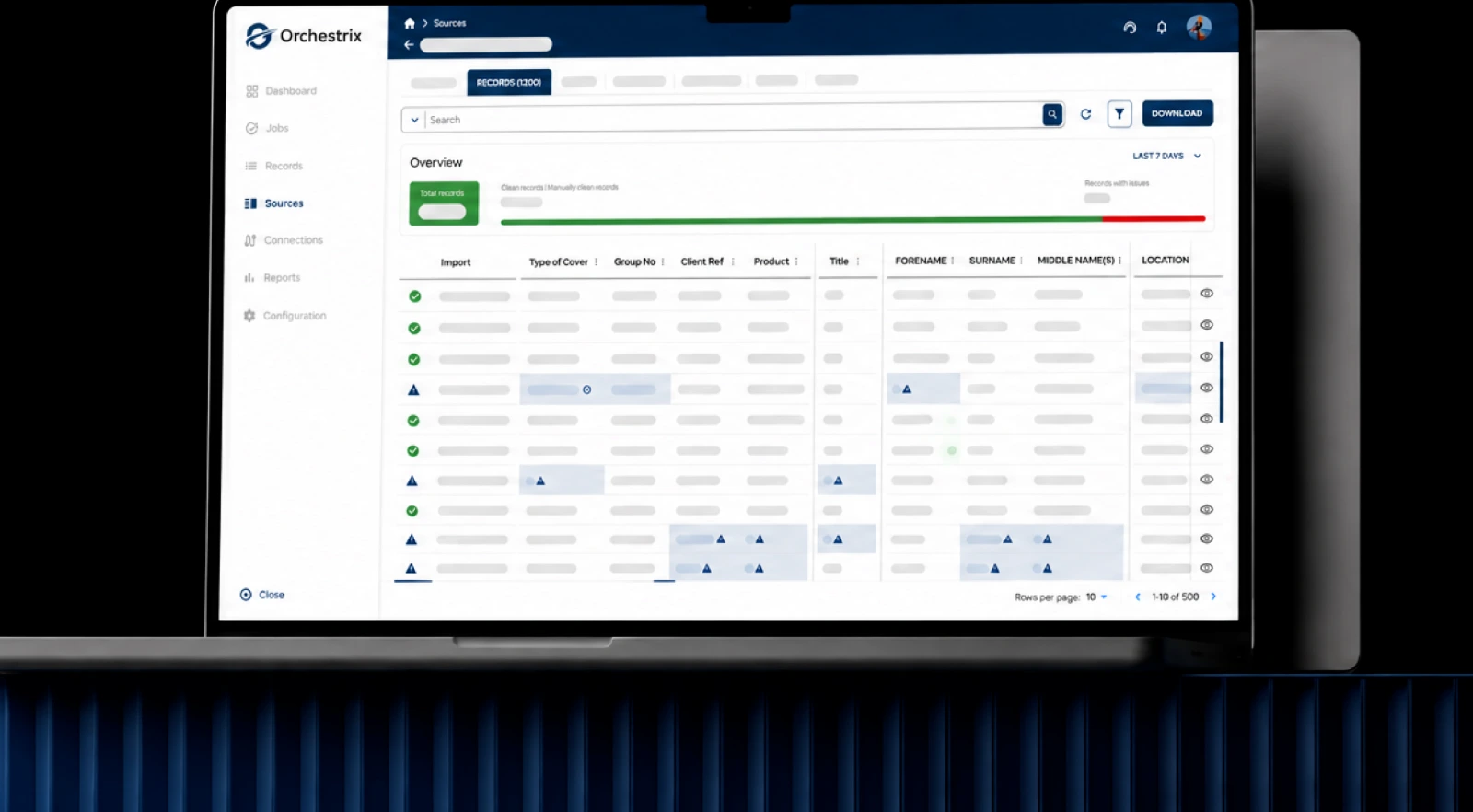
The SWIFT data orchestration console on a laptop, showing a validated message table with status columns.FinTech

SWIFT Data Orchestration & Automation

A centralised data automation platform engineered to replace high-risk manual spreadsheet processes with secure ingestion, task-based validation, and SWIFT-compliant standardisation workflows, ensuring data integrity, operational scalability, and audit-ready transparency for insurance operations.

60%Reduction in manual spreadsheet50%Faster data validation
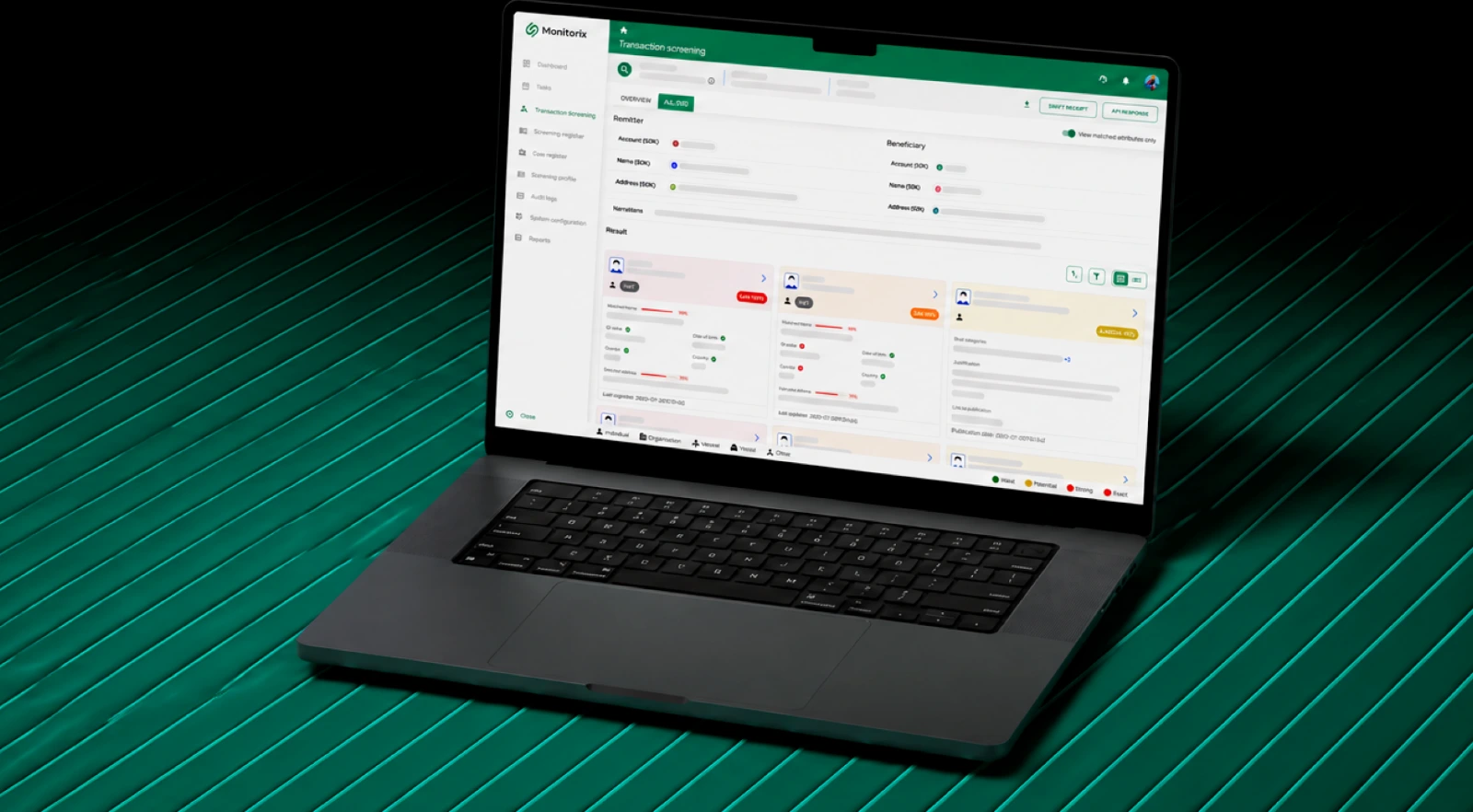
The real-time payment screening console on a laptop against a green backdrop, showing a live transaction queue.FinTech

Real-Time Payment Screening for AML & Sanctions

A high-performance, real-time payment screening solution engineered to validate every transaction against global regulatory requirements, sanctions lists, and risk indicators, delivering ultra-low latency, automated decisioning, and operational transparency for compliance teams.

50%Faster transaction screening40%Faster sanctions validation
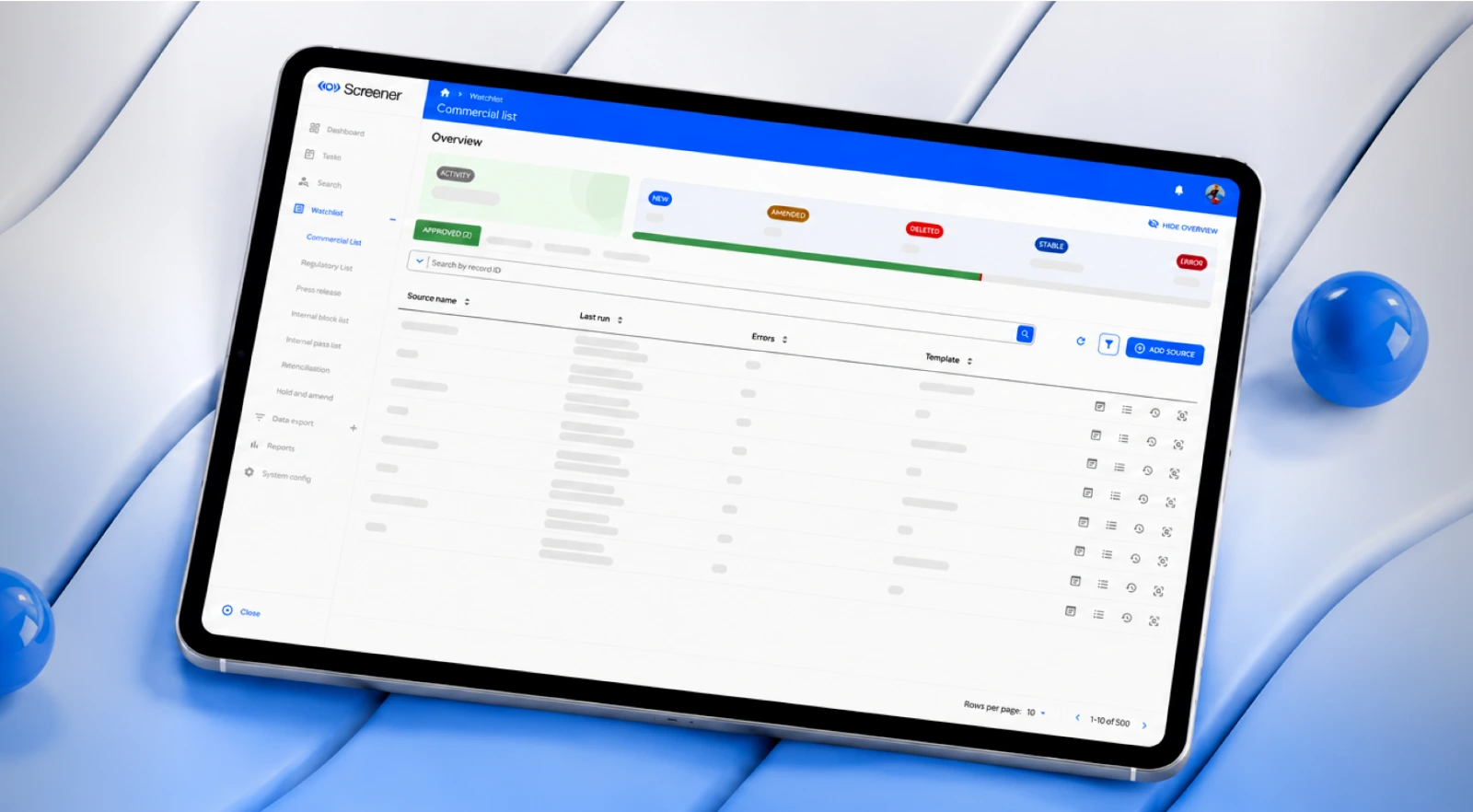
The watchlist governance console on a tablet, showing a consolidated list view with status columns.FinTech

Watchlist Governance & Compliance Intelligence Solution

Unified data governance and watchlist orchestration solution that consolidates, cleanses, and enriches regulatory, commercial, and internal lists, empowering compliance teams with real-time updates, audit-ready transparency, and exceptionally accurate screening data for enterprise AML operations.

50%Faster watchlist updates40%Reduction in duplicate or inconsistent list data
The AI-powered AML screening platform on a tablet, showing a screening queue with match statuses and risk flags.FinTech

AI-Powered AML Screening Platform: Modernising Financial Crime Compliance

Consolidated AML screening, automation, and case management into a single AI-powered platform, enabling faster onboarding, reduced false positives, and real-time compliance visibility for financial institutions.

70%Faster information retrieval60%Reduction in manual knowledge discovery effort
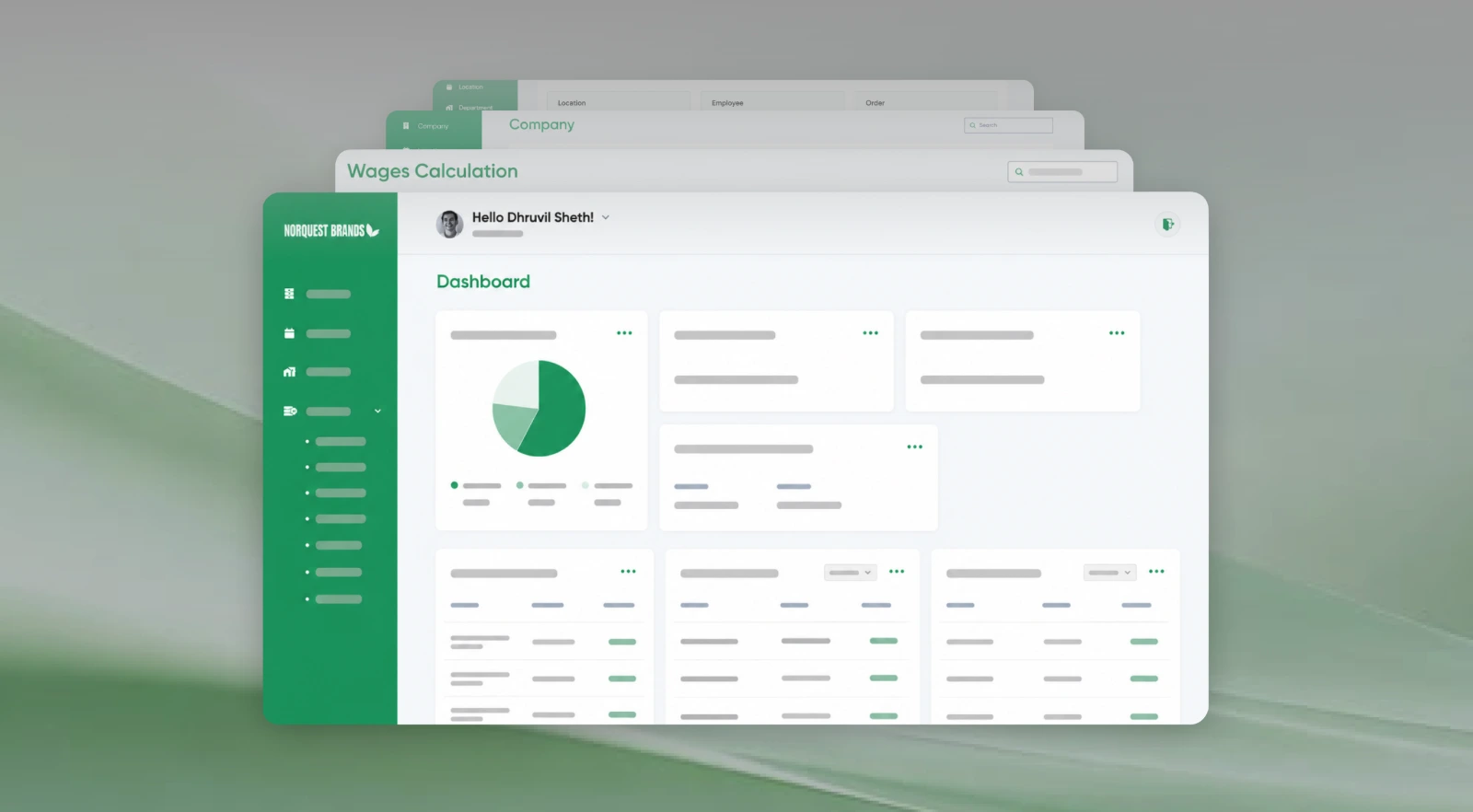
The NQBPL production and wages dashboard shown as a stack of layered screens on a green ground.Manufacturing

NQBPL Wages Platform: Digitizing Production & Workforce Management

Unified manufacturing operations into a single platform for real-time production tracking and automated wage management, enabling greater efficiency, transparency, and scalability across locations.

55%Faster wage calculation50%Reduction in manual payroll effort

How we work

How a Product Build Runs

Custom SaaS development starts from how the product is sold and renewed, not from the backlog: which segments and plans it serves, what procurement will ask, where the current architecture will break next, and what no customer can be allowed to lose during a change. Everything else is sequenced from there.

01

Discover the Tenant Model

Read the plans, the segments and the procurement questionnaires, measure the current architecture against the next hundred tenants and the largest one, and map the data, identity and billing systems before scope is fixed, so the plan is costed against revenue at risk.

Focus
Segments & plansProcurement asksArchitecture limitsRevenue at risk
02

Design for Upgrade

Tenancy, entitlements, identity, audit and residency are designed as features; the API is designed as a product surface; and the migration path for existing tenants is designed before the first new module, because a product that cannot be upgraded cannot be sold twice.

Focus
TenancyEntitlementsAPI surfaceMigration path
03

Build Behind Feature Flags

New capabilities ship dark behind flags, tenants move in cohorts with a rollback position, integrations are certified against partner sandboxes, and every release passes the same segregated pipeline that produces the compliance evidence.

Focus
Feature flagsCohortsCertificationEvidence pipeline
04

Run as a Product

SLOs, cost per tenant, activation and churn signals, model drift and integration health are watched in production, and the audit, residency and access records enterprise customers and their regulators ask for are produced by the platform as it runs.

Focus
SLOsCost per tenantActivationEvidence
Discover01 Discover the Tenant ModelDesign02 Design for UpgradeBuild03 Build Behind Feature FlagsRun04 Run as a Product

Insights

Notes From the Product Work.

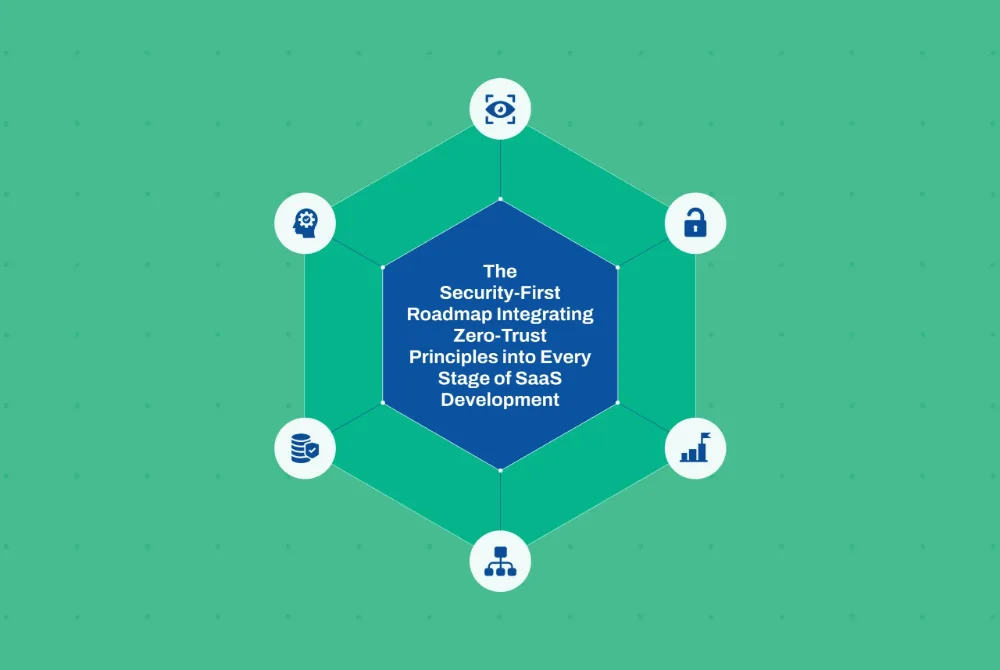
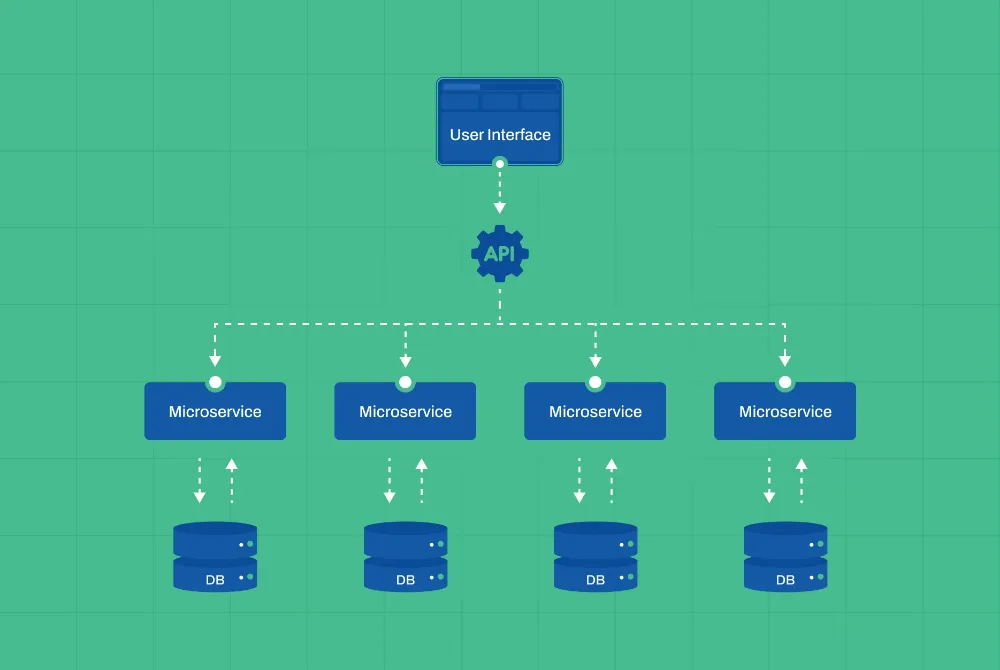
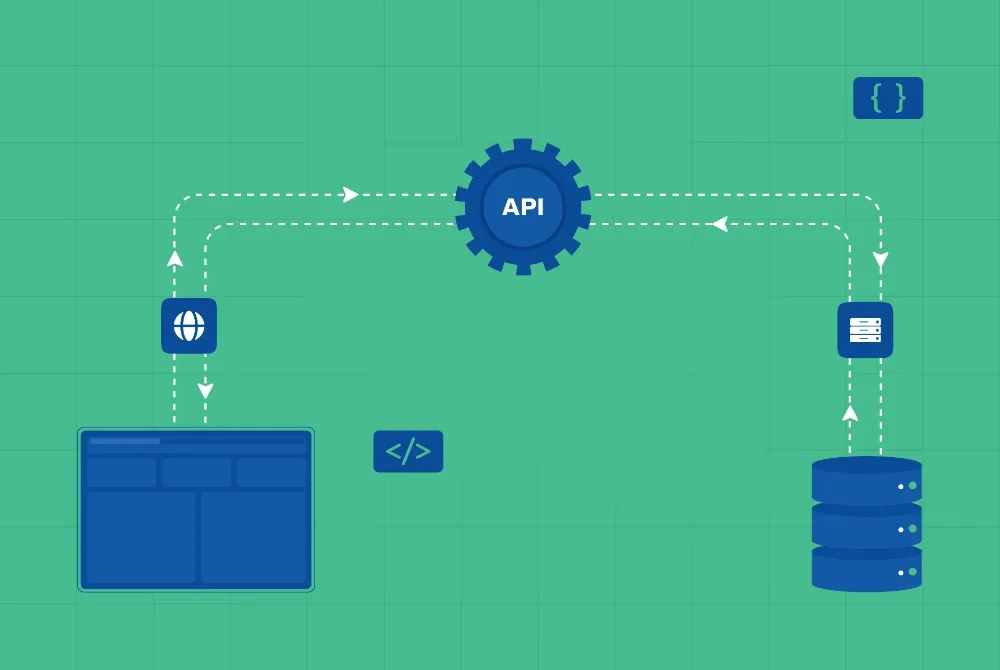
Writing from the SaaS work: multi-tenancy patterns for regulated microservices, API-first development for products that have to integrate, and a zero-trust roadmap for every stage of a SaaS build.

Zero trust security roadmap for secure SaaS development lifecycle
Cloud & Platform Engineering

The Security-First Roadmap: Integrating Zero-Trust Principles into Every Stage of SaaS Development

· Akash Thakor · 4 min read

SaaS Microservices Architecture for secure fintech and regtech platform development
Software Engineering

Beyond Multi -Tenancy: Best Practices for SaaS Microservices Architecture in RegTech & FinTech

· Akash Thakor · 7 min read

API-First Development strategy for building scalable SaaS products
Software Engineering

Guide to API-First Development: Building Scalable SaaS Products

· Rushabh Modi · 6 min read

All DigiWagon writing

FAQ

Frequently Asked Questions About Custom SaaS Development

Direct answers on custom versus low-code and platform builds, how a tenancy model is chosen, how a product becomes enterprise-ready without stalling the roadmap, how AI features are kept inside tenant boundaries, and what a custom saas software development company should be able to show you.

01When is custom SaaS development the right call over a low-code or PaaS platform?

When the product is the business. Low-code and platform builds are right for internal tools and for validating a market cheaply; they become the constraint when tenancy, pricing, integrations or performance need to change faster than the platform allows. If customers pay for the software itself, the domain model, the API and the tenancy are your product, and they should be code your team owns and can change.

02How do you choose between shared-schema, schema-per-tenant and database-per-tenant multi-tenancy?

Against four things: isolation your buyers require, cost per tenant your plans can bear, compliance obligations such as residency, and the operational load your team can run. Most products end up mixed — shared schema for the long tail, dedicated databases or regions for the enterprise tier — with the tenant’s plan deciding, and we design the migration between them so an upgrade is a move, not a rebuild.

03How do you make a product enterprise-ready without stalling the roadmap?

By building the enterprise features as product features on their own track: SAML and OIDC single sign-on, SCIM provisioning, role-based access, exportable audit logs, residency and retention controls. The pipeline is wired to generate SOC 2 and ISO 27001 evidence as it runs, so the security questionnaire is answered by the system. Prospects unblock while the roadmap continues, because none of it waits for a rewrite.

04How do you add AI features without exposing one tenant’s data to another?

The tenant boundary is enforced at retrieval and at the tool layer, not in the prompt. Every query runs under the tenant’s permissions against the tenant’s own indexes, models are evaluated against the OWASP Top 10 for LLM Applications before release, guardrails and cost ceilings are set per tenant, and every AI decision is logged. The model layer stays swappable, so a better model is configuration, not a project.

05What SaaS and technology work have you shipped?

Eight published platforms for technology companies. Five for one AML software provider: screening with 70% faster information retrieval, real-time payment screening 50% faster, transaction monitoring detecting suspicious activity 45% faster, watchlist updates 50% faster and SWIFT data orchestration with 60% less spreadsheet work. Plus a multi-brand service network platform, a company-formation platform and a production-to-payroll platform, each written up in full with its figures and trade-offs.

Build for the Hundredth Tenant

Tell us how the product is sold, where the architecture will break next and what procurement keeps asking for. We will read the plans and the code, map the tenancy, identity and integration decisions, and show you comparable product work before anything is scoped.

Ask an AI about this page

Before you choose a partner, ask your own AI

One click opens the assistant you already use with a question that points it at this page, so the answer comes from what we publish, not a guess.

The question it opens withRead https://digiwagon.com/custom-saas-software-development-company. Outline how DigiWagon approaches SaaS & Technology engineering and compliance, then tell me what a SaaS & Technology CTO should verify before choosing them or any similar partner. Stick to what the page says and mark anything you are not sure about.