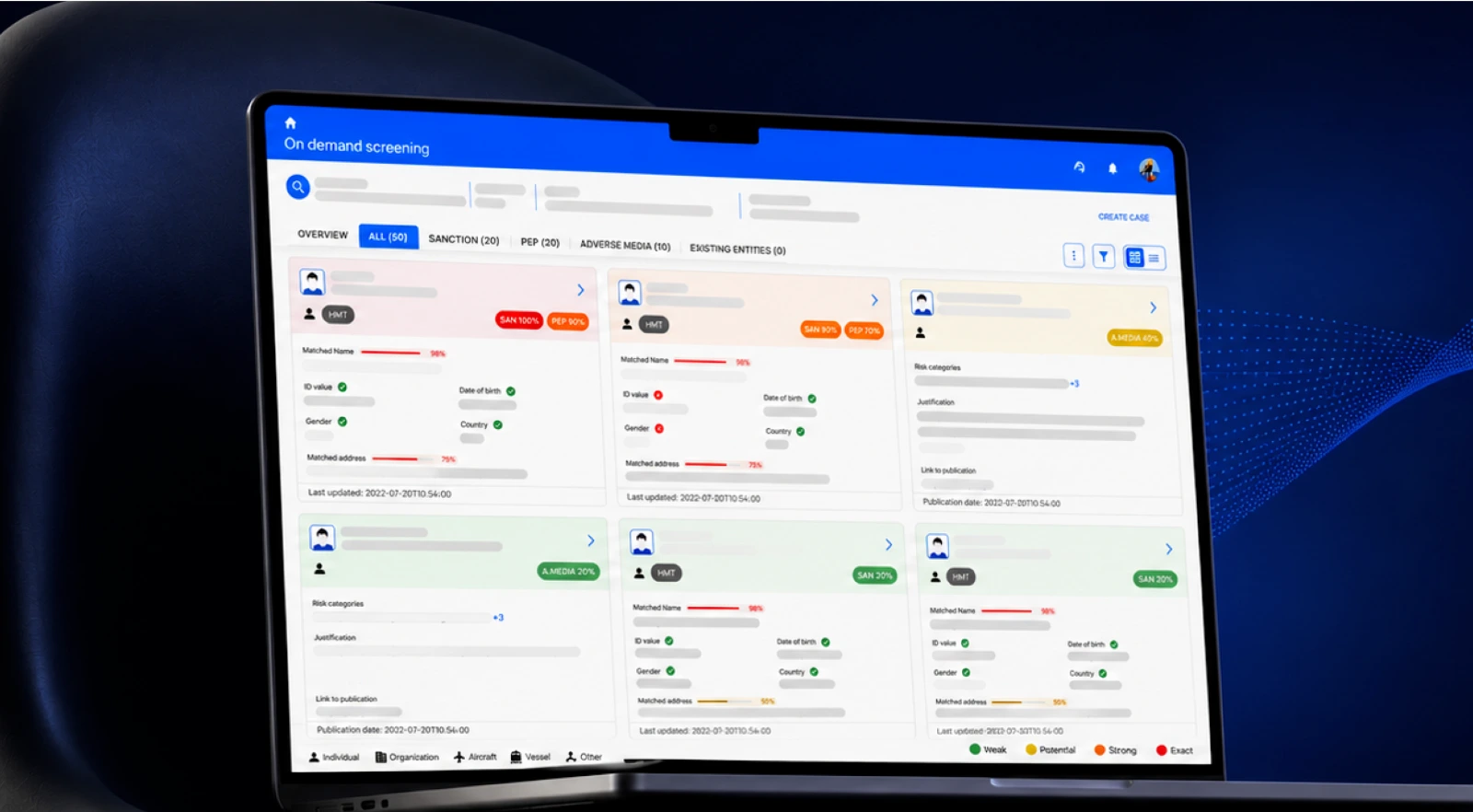
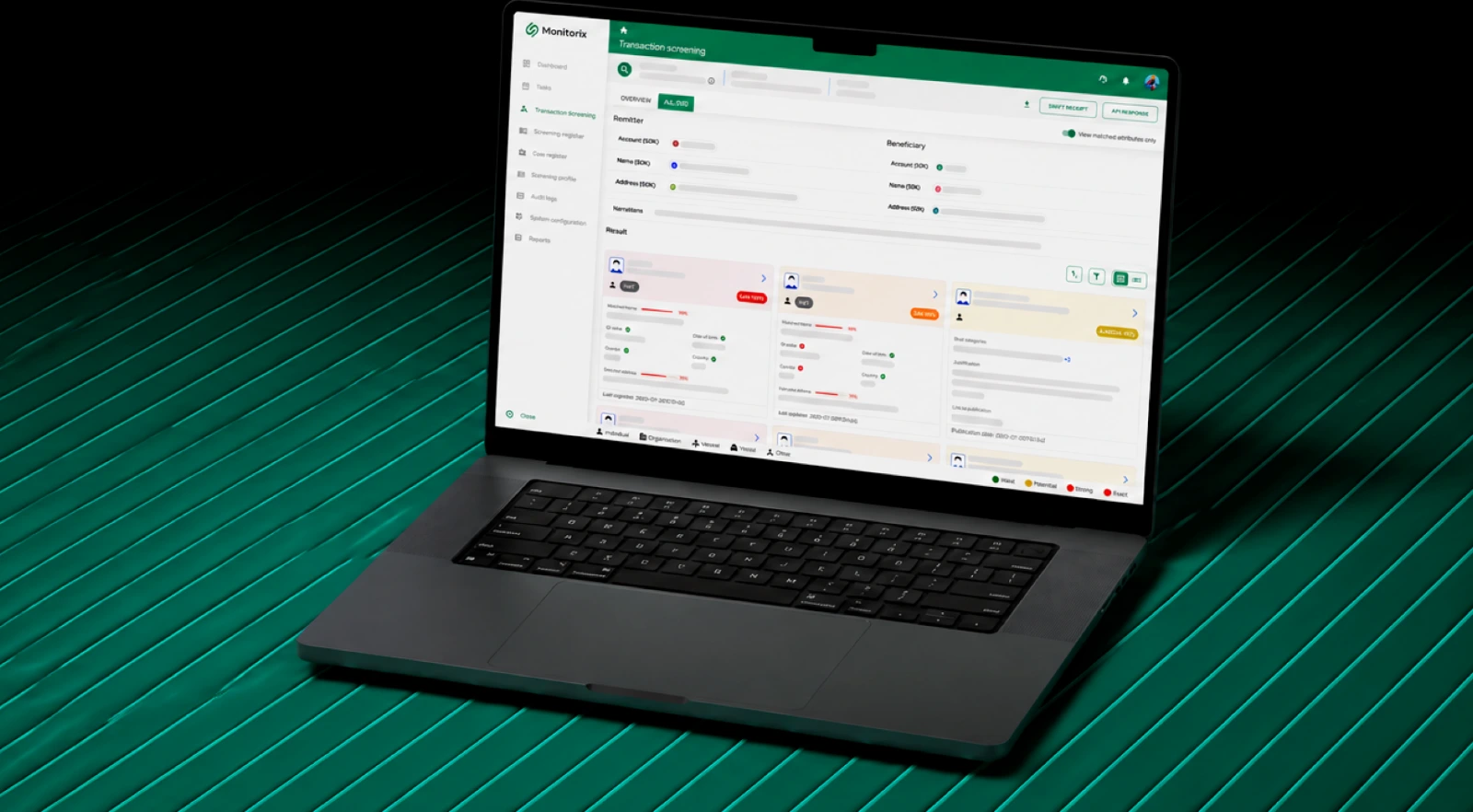
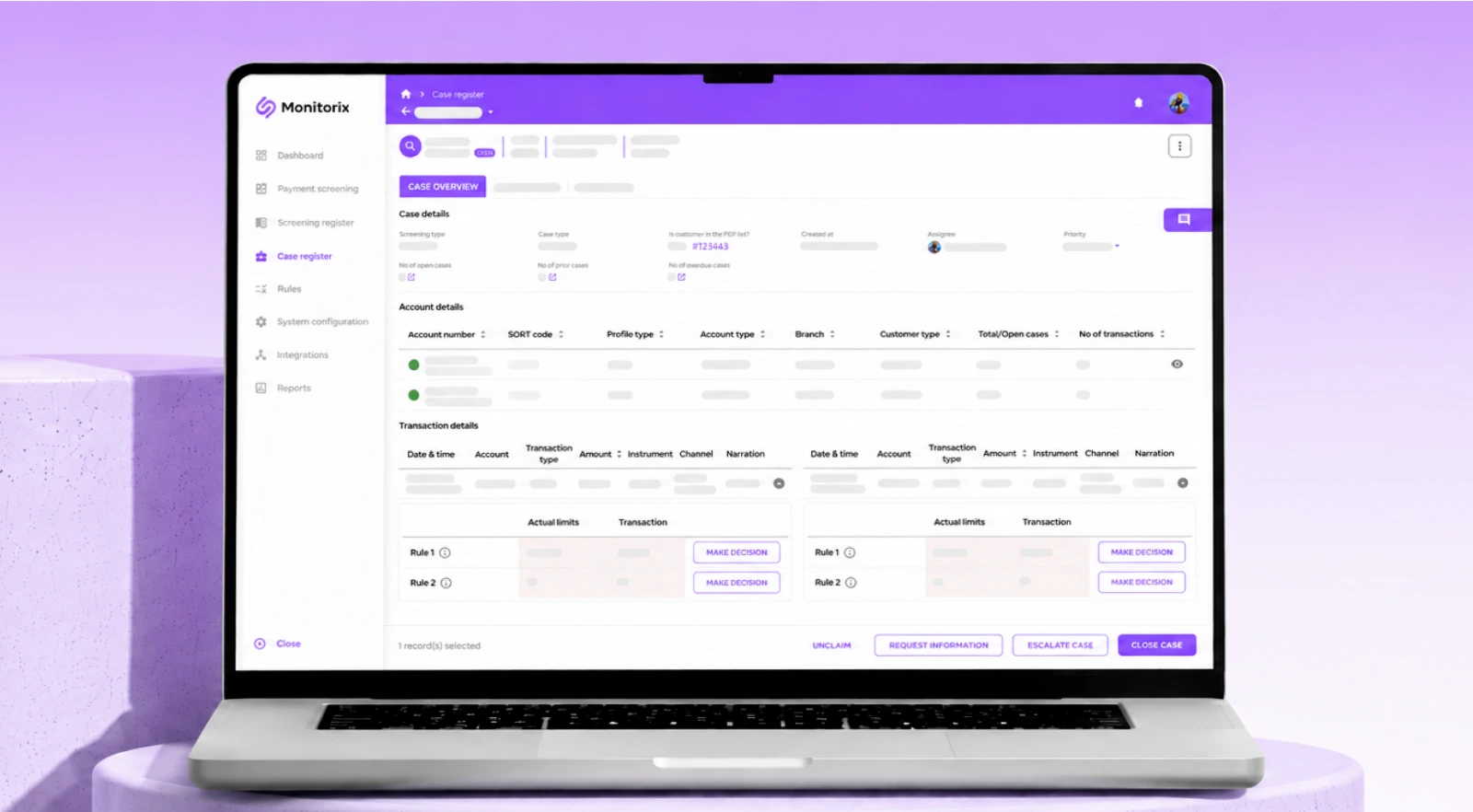
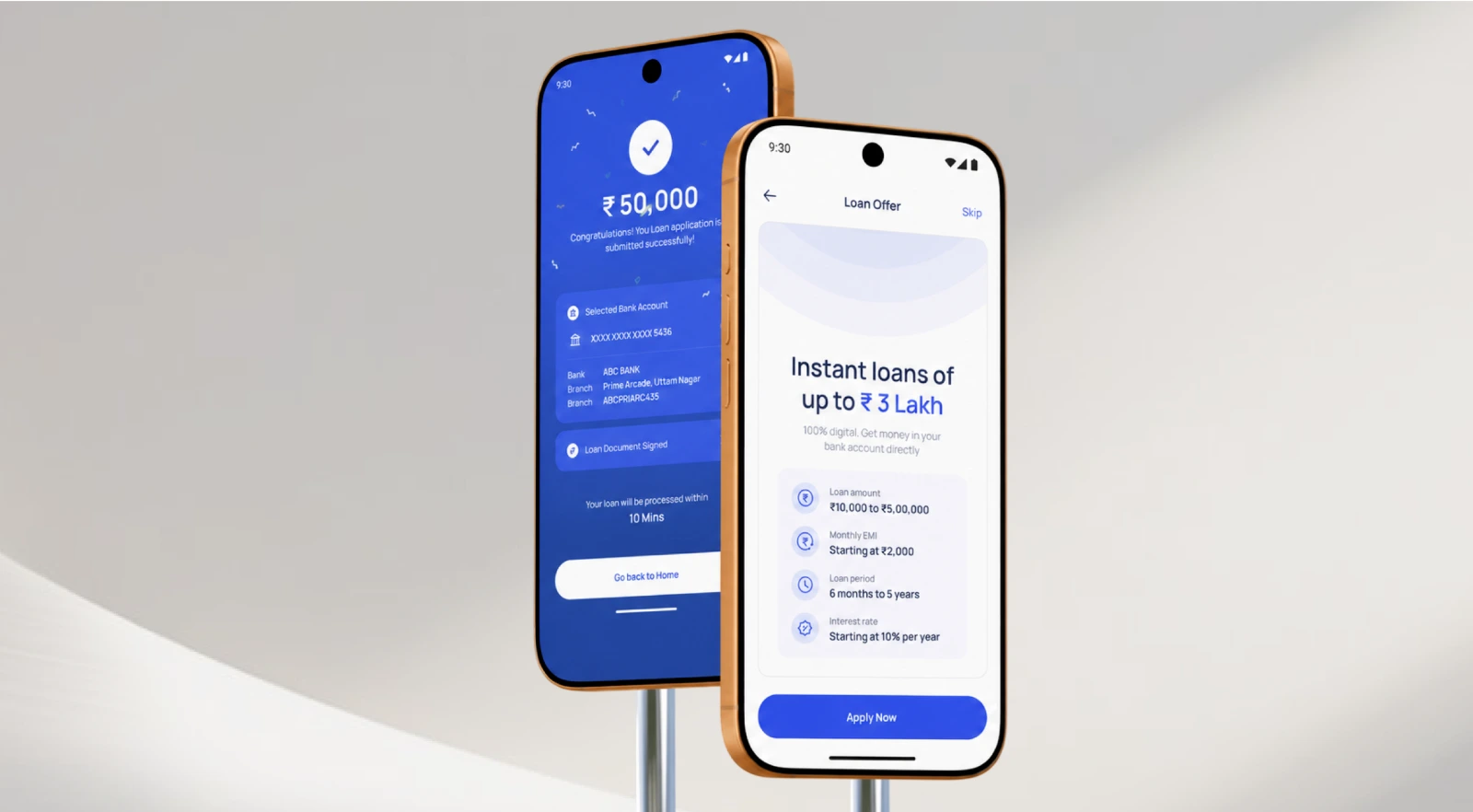
A software development company new york financial and product teams can run from their own morning stand-up: DigiWagon builds regulated platforms and products for New York companies from Ahmedabad, with a fixed eastern-time window every day, engineers who have shipped AML screening, transaction monitoring and lending platforms under audit, and the vendor-risk answers a Wall Street buyer’s procurement will ask for.
This is the New York version of our custom software development practice — the software development company nyc buyers shortlist should be judged on hours, security evidence and regulated experience, so that is what this page covers. The practice itself is on the parent page.
Four things a custom software development new york buyers ask first, answered as we do them.
A standing eastern-time morning window
New York is nine and a half to ten and a half hours behind Ahmedabad, so we fix an overlap every morning, eastern time — typically eight to eleven, our evening. Stand-ups, reviews and decisions happen live in that window every working day; the rest of your day’s questions arrive answered by your next morning, and incident cover outside it is agreed in the contract, not assumed.
One Indian entity, US-ready paperwork
You contract with DigiWagon Technologies Private Limited in India under a master services agreement with statements of work, IP assignment on payment, an NDA before discovery and invoices in USD. We complete the W-8BEN-E and your vendor onboarding; your advisers confirm any withholding or state tax treatment on your side.
Security evidence your buyers recognise
We hold ISO/IEC 27001 and ISO 9001 and apply them to your code, data and access. We do not hold a SOC 2 report; where your customers ask for one, our controls produce the records your auditor maps to the Trust Services Criteria, and we work inside your SOC 2 programme rather than pretending to replace it.
Two-week releases, documented for your auditor
Fortnightly increments into your environment, every architecture decision recorded, and the vendor-risk answers — access, encryption, incident handling, subprocessors — kept current so a customer questionnaire is answered from records, not memory.
What we build here
What we build for New York companies.
The custom software development New York teams commission most, each row exiting to the practice page that goes deep on it.
01
Regulated Financial Platforms
Screening, monitoring, onboarding and lending platforms for banks, broker-dealers, payment firms and FinTechs answering to NYDFS, the SEC, FINRA and FinCEN — built to New York’s Part 500 cybersecurity regulation.
AML, KYC and sanctions screeningNYDFS Part 500 alignmentFINRA and SEC recordkeepingReal-time monitoring
Multi-tenant products sold to US enterprises, where SOC 2 questionnaires, data terms and single sign-on are procurement gates — tenancy designed for the evidence, SSO and audit logging from the first release.
Multi-tenant architectureSSO and audit loggingVendor-risk-ready evidenceUS-region hosting
The systems a New York business runs on — operations, case management, client portals, reporting — replacing spreadsheets and ageing vendors, with finance, CRM and data integrations that reconcile.
Operations and case managementClient portalsFinance and CRM integrationReporting that survives audit
Web platforms and iOS and Android apps for consumer and B2B products — an app development company new york teams can pair with the platform team rather than hire separately, so the API, the web and the app are designed together.
Web platforms on modern stacksiOS and Android appsOne API for web and mobileDesign system across surfaces
The regimes and expectations that bind software built for New York companies, and the rows above each one touches.
01
NYDFS Cybersecurity Regulation (23 NYCRR Part 500)
For entities licensed by the Department of Financial Services: a cybersecurity programme, access controls, encryption, incident notification and third-party service provider policies — the standard a vendor to a covered entity has to fit inside, and one our controls are written for.
Regulated platformsSaaS products
02
New York SHIELD Act
Reasonable safeguards for the private information of New York residents and breach notification duties — designed into data handling, encryption and incident response for any platform that holds New Yorkers’ data.
Recordkeeping, communications retention, AML programme and suspicious-activity reporting duties for broker-dealers and financial institutions — the audit trails and retention our compliance platforms are built to produce.
Regulated platforms
04
SOC 2 expectations
Not a law, but the gate every US enterprise buyer applies: we hold ISO/IEC 27001 and ISO 9001, supply the evidence our controls produce, and build platforms whose logging, access and change management make your own SOC 2 programme easier, not harder.
SaaS productsRegulated platforms
Discovery settles each of these with your compliance lead and your counsel before the architecture is drawn.
Work
Work that transfers here.
4 published compliance and payments platforms — none for a New York client, each the kind of regulated build New York teams ask us for.
Writing that transfers to New York: AI agent security in the cloud for FinTech, how we architect multi-geography SaaS platforms for AML compliance, and outsourcing SaaS product development from India versus nearshore for US CTOs.
Software Engineering
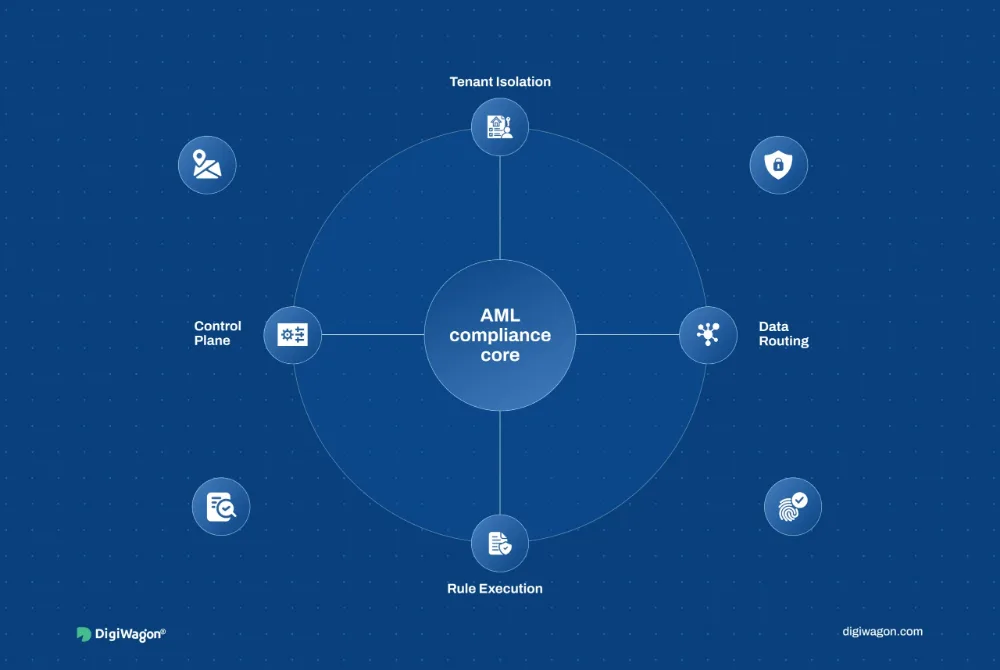
How We Architect Multi-Geography SaaS Platforms for AML Compliance
· Kartik Gajjar · 6 min read
AI & Machine Learning
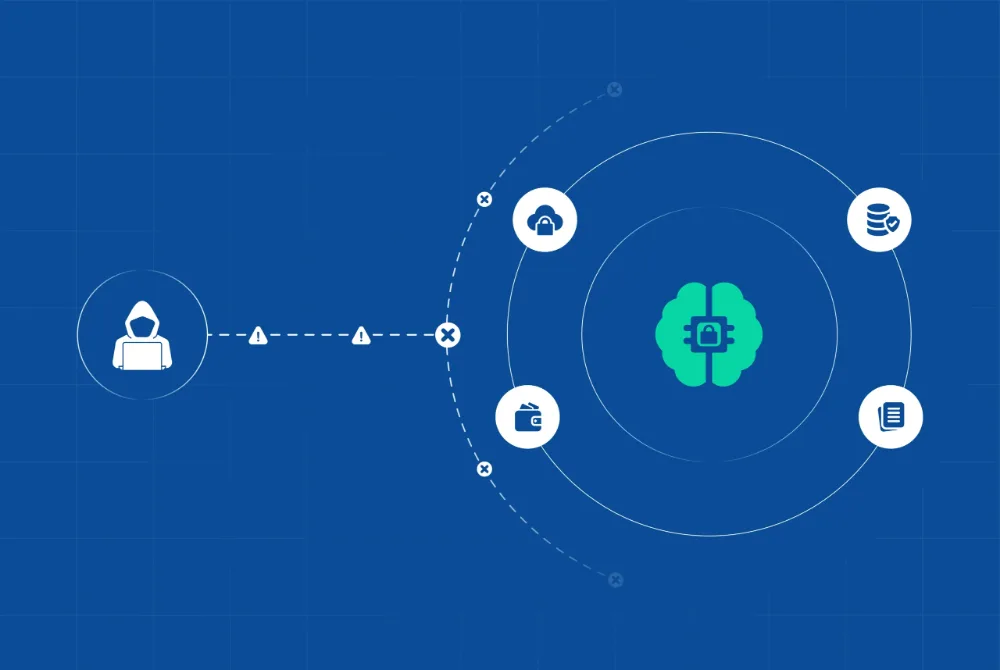
AI Agent Security in the Cloud: A Blueprint for Preventing Autonomous Threats in FinTech
· Akash Thakor · 6 min read
Software Engineering
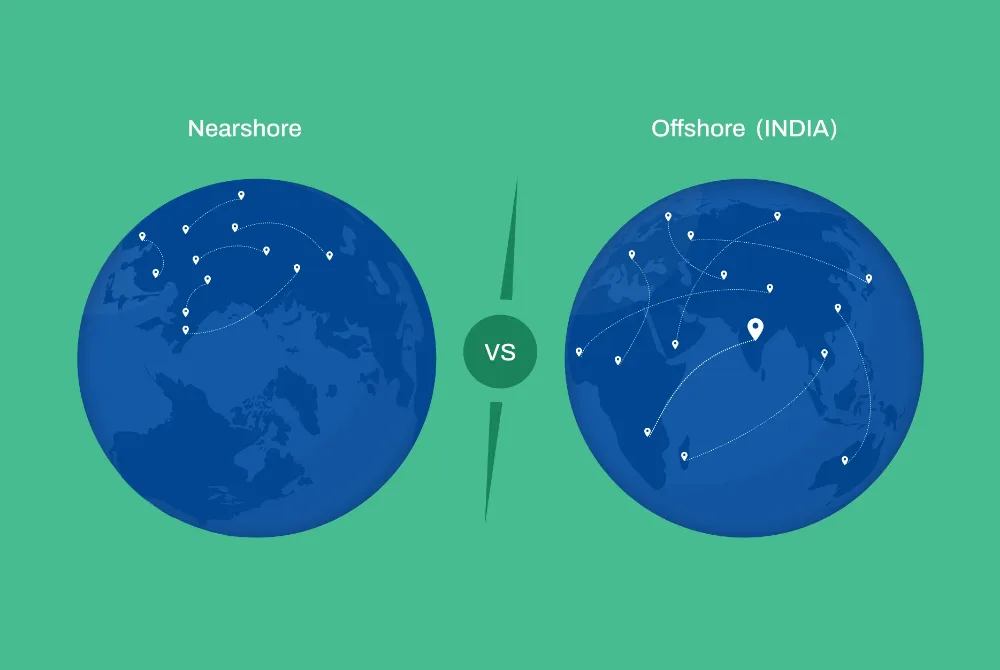
Outsourcing SaaS Product Development: India vs. Nearshore-A Cost and Quality Deep Dive for US & UK CTOs
Direct answers to what New York teams ask before a software engagement.
01Do you have New York timezone coverage?
A fixed window every working morning, eastern time — typically eight to eleven, which is evening in Ahmedabad — for stand-ups, reviews and decisions, with the rest of your day’s questions answered by your next morning. Incident cover outside the window is agreed in the contract; for launches and cutovers the team works your hours end to end.
02How do you handle SOC 2 for a US buyer?
Honestly: we hold ISO/IEC 27001 and ISO 9001 and do not hold a SOC 2 report. Where your customers require SOC 2, the platform we build carries the logging, access control and change management your own audit needs, we supply the evidence our controls produce, and we work inside your programme as a documented subprocessor.
03What does a fixed-scope engagement look like?
A discovery of two to four weeks that ends in a scope, an architecture and an estimate with its assumptions; then a fixed-price build in two-week releases against that scope, with changes handled as written change orders. Products that keep evolving move to a dedicated team on a monthly cadence once the first release is live.
04Can you build to NYDFS Part 500?
Yes — for a covered entity we build inside your cybersecurity programme: access controls, encryption of nonpublic information, audit trails, incident-notification support and the third-party service provider terms Part 500 asks you to hold us to. Our compliance-platform work is built to the same shape for other regulators.
05How do we contract with an Indian company?
Under a master services agreement with statements of work, IP assignment on payment and an NDA before discovery, invoiced in USD to DigiWagon Technologies Private Limited; we complete the W-8BEN-E and your vendor onboarding. Your advisers confirm any withholding treatment, and we supply references from clients who have done the same.
06What happens after launch?
Support is a cadence: monitoring your team can read, scheduled patching, incident response within the agreed window and a quarterly review of cost, performance and security posture. Documentation and runbooks are handed over from the first release, so you can run it, hand it to your own team or leave it with us.
Tell us what the platform has to do, and who regulates it.
We will show you comparable regulated builds and the New York decisions behind a project before anything is scoped.