DigitalOcean Managed Services for Lean Product Teams
Small Bill. Big Uptime.
Not every product needs a hyperscaler. DigitalOcean gives a lean team predictable pricing, a clean console, managed databases and Kubernetes, and an App Platform that deploys from a repository — enough cloud to run a real business without a cloud team to run the cloud.
Our DigitalOcean managed services cover the architecture, the infrastructure as code, hardening, backups, monitoring and the on-call your team does not have, plus the migration path to a hyperscaler if and when the product outgrows it.
From an App Platform deploy that just works to a managed Kubernetes cluster with real observability, our DigitalOcean managed services give a small team a big team’s platform.
01
Architecture & Setup
Projects, VPCs, firewalls, load balancers, Spaces and managed databases laid out in Terraform from the start — a simple, documented topology sized for the traffic you have and the traffic you expect, with a clear path to grow.
Terraform for every resourceVPC, firewall and load balancer designManaged PostgreSQL, MySQL and RedisSpaces object storage and CDN
App Platform for services that should deploy from a repository with zero infrastructure, DOKS when a Kubernetes platform is worth its weight — with pipelines, registries, autoscaling and the observability to know each service’s health and cost.
App Platform deploymentsDOKS clusters and autoscalingContainer registry and pipelinesPer-service observability
Least-privilege access, SSH and API keys governed, firewalls tight, automatic patching, encrypted volumes, database backups and snapshots on a schedule and restored on a schedule too — because a backup that has never been restored is a hope.
Access and key governancePatching and encryptionSnapshots and database backupsRestore drills
Uptime, resource and application monitoring with alerts routed to people who can act, runbooks for the common failures, incident response with a post-mortem, and a monthly reliability and cost review — the operations function a five-person team cannot staff.
Monitoring and alert routingRunbooks and incident responsePost-incident reviewsMonthly reliability review
Capacity planning as the product grows, and when a workload genuinely outgrows DigitalOcean — a compliance regime, a region, a service it lacks — a planned migration to AWS, Azure or Google Cloud with the infrastructure code already in place to make it a move rather than a rebuild.
Capacity and cost planningHyperscaler migration planningPortable infrastructure codeStaged, reversible moves
What changes when the team actually knows the stack, in six rows.
Feature
DigiWagon
Other agencies
Architecture
Landing zones, network boundaries and account structure designed before the first workload, not discovered after the first incident.
A console click-through that nobody can reproduce.
Security & compliance
Least-privilege identity, encryption by default, audit trails and evidence mapped to ISO/IEC 27001 controls from day one.
Security as a checklist, after the audit finding.
Cost
Right-sized from the start: tagging, budgets, alerts and the reserved-vs-on-demand call made with numbers.
The bill is a surprise every month.
Estimation
Real timelines and budget, with the assumptions written down — no plot twist.
Estimate comes with ‘oops, missed that!’
Reliability
Infrastructure as code, tested rollbacks, backups that were actually restored, runbooks your team can follow at 3 a.m.
Snowflake servers and a prayer.
Documentation
Diagrams, decision records and runbooks that survive the engineer who wrote them.
The knowledge left with the contractor.
Industries
DigitalOcean, by Industry
Three of the nine industries we build for, with the DigitalOcean fit behind each, linked to the industry page.
01
SaaS & Technology
Early-stage and bootstrapped SaaS products that need reliability and predictable cost more than a hundred cloud services — App Platform or DOKS, managed PostgreSQL, monitoring and someone on call.
Storefronts, headless commerce front ends and the integration services around them for growing brands, sized for peak season and priced so the margin stays intact.
Clinic, wellness and patient-engagement products in their early years, with the hardening, backups and access governance the category requires from day one — and a migration path when a regime demands it.
Writing from the platform and product work: from DevOps to platform engineering, from MVP to AI-driven product-led growth, and outsourcing SaaS product development from India versus nearshore.
Cloud & Platform Engineering
From DevOps to Platform Engineering: The 2026 Blueprint for Enterprise Software Scalability
· Akash Thakor · 4 min read
Software Engineering
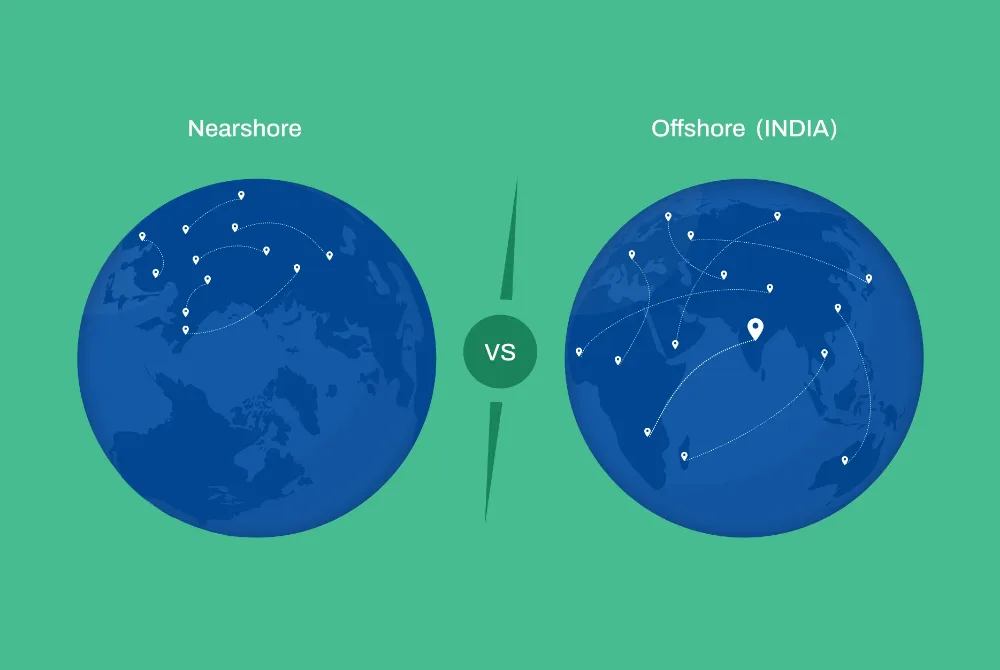
Outsourcing SaaS Product Development: India vs. Nearshore-A Cost and Quality Deep Dive for US & UK CTOs
· Akash Thakor · 6 min read
Software Engineering
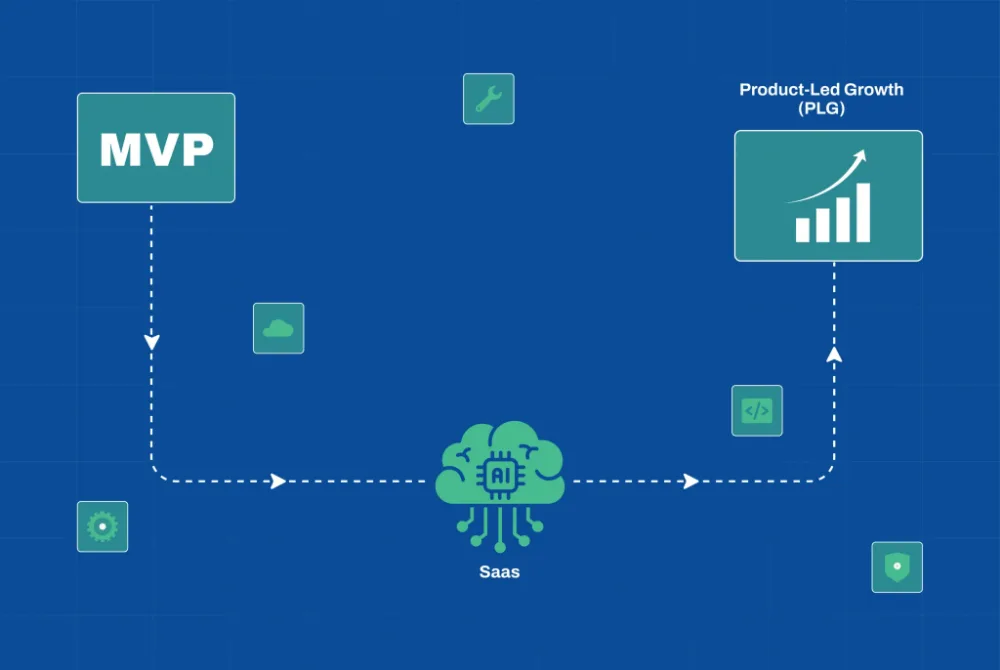
From MVP to AI-Driven PLG: Architecting the Next-Gen SaaS Product Strategy for 2025
Direct answers on DigitalOcean versus hyperscalers, what managed means, reliability, compliance, growth and what our DigitalOcean managed services include month to month.
01When is DigitalOcean the right choice over AWS or Azure?
When the team is small, the product needs compute, managed databases, storage and perhaps Kubernetes rather than hundreds of specialised services, and predictable cost matters. Many products live their whole life there happily. When a compliance regime, a region or a specific managed service demands a hyperscaler, we say so and plan the move.
02What does ‘managed services’ include?
Architecture and Terraform, hardening, patching, backups restored on a schedule, monitoring with alerts routed to people who act, on-call and incident response, capacity and cost planning, and a monthly report. Your team keeps building the product; we keep the platform running. Everything is documented so you can take it over whenever you choose.
03Is DigitalOcean reliable enough for production?
Yes, for the vast majority of products. Managed databases with standby nodes, load balancers, multiple regions and snapshots give the building blocks; reliability comes from how they are assembled and operated — redundancy, tested restores, monitoring and runbooks. We design for the availability the business actually needs and rehearse failures before they happen.
04Can we meet compliance requirements on DigitalOcean?
Often. Encryption at rest and in transit, access governance, audit logging, backups and documented operations cover many regimes, and DigitalOcean publishes its own attestations. Some regimes or contracts demand specific hyperscaler certifications or regions; we assess yours early and plan the migration path if that is where the product is heading.
05What happens when we outgrow it?
The infrastructure code and the architecture are designed to be portable — containers, standard PostgreSQL, object storage over S3-compatible APIs — so a move to AWS, Azure or Google Cloud is a planned project measured in weeks, not a rebuild. We run that migration when the product genuinely needs it, not before.
06How does the engagement work month to month?
A fixed scope of monitoring, patching, backups, on-call and a monthly review, sized to your platform, with changes and projects scoped separately. You see the runbooks, the Terraform and the incident reports; nothing is hidden. If you hire your own platform engineer, they inherit a documented system and we step back or stay as backup.
Ship Product. We Keep the Lights On.
Tell us what the product runs on today and what keeps you up at night, and we will show you comparable platform work before anything is scoped.
One click opens the assistant you already use with a question that points it at this page, so the answer comes from what we publish, not a guess.
The question it opens withRead https://digiwagon.com/digitalocean and explain when DigiWagon recommends DigitalOcean, what it would ask about my product before scoping, and which of its case studies are relevant. Stick to what the page says and mark anything you are not sure about.