Next JS Development Services for High-Performance Web Apps
Next-Level Code for Your Next-Big-Thing Ideas.
In the scroll-or-skip world you have about a second and a half to make it wow. Next.js gives your app the power to load at lightning speed, look razor-sharp and perform like an overachiever: server components, streaming, static generation where it fits, and the SEO to be found.
This site runs on it. So do the dynamic routes, zero-lag vibes and code that works on every device we build for clients.
Flawless, Functional, Freakin’ Development Services
Next JS development services from Next JS developers who run it in production — React Next.js development with server-side rendering, static generation and the App Router. Each row links to the DigiWagon practice behind it.
01
Custom Builds, Zero Copy-Paste
We are not just building apps but crafting slick, scalable digital experiences that get noticed: the App Router, server and client components split where the profiler says, and a data layer designed for your product rather than the starter template.
App Router architectureServer and client component splitData layer per productTests from the first commit
Next.js is our playground. React 19, Server Components and server actions, streaming with Suspense, static generation for the pages that never change — web apps that load fast, look slick and handle scale. SEO-friendly, performance-tuned, user-obsessed.
Server Components and actionsStreaming with SuspenseStatic generation where it fitsCore Web Vitals budgets
Need middleware for dynamic routing, an edge function for personalisation or a caching strategy for a catalogue of a million pages? We will whip it up — modular, scalable, built to vibe with your whole stack and documented for the next engineer.
Middleware and edge functionsCaching and revalidation strategyRoute handlersDocumented for the next engineer
We connect your frontend to CRMs, payment gateways, headless CMSs and third-party APIs through route handlers and server actions, so your app becomes the social butterfly it was meant to be — wrapped in secure, server-side logic that never leaks a key.
Headless CMS and commercePayments and identity providersServer-side secrets onlyWebhooks and route handlers
Let’s break up with the tech slowing you down. We migrate from Create React App, Gatsby, a legacy Pages Router or a CMS theme to the App Router without the chaos: routes moved one at a time, data preserved, performance turbocharged, the ship steady throughout.
Create React App to Next.jsPages Router to App RouterRoute-by-route cutoverRedirects and rankings preserved
Not sure what to build, how to scale or where to optimise? Our dev whisperers audit your stack, guide your roadmap and settle server rendering versus static generation versus streaming per route, hydration cost and caching, in a plan the team can follow.
Rendering strategy per routeHydration and caching auditsRoadmap and team enablementHosting and deployment choices
Why hire us for Next.js, in five lines you can hold us to.
Built for Blink-Speed Browsing
Blazing-fast page loads thanks to built-in server rendering, static generation and streaming. Your users won’t get time to blink, and Core Web Vitals stay green.
SEO Game Strong
Next.js flexes hard on search engines: pre-rendering, metadata control, structured data and lightning-fast pages. Chef’s kiss for rankings and for the crawlers that read them.
Built for Scalability
From MVPs to global-scale apps, Next.js handles the load: incremental static regeneration, edge caching and a component model that grows with the product.
Pixel-Perfect UIs
Next.js-powered frontends are interfaces that slay: responsive, aesthetic, accessible to WCAG 2.2 and made to make users stay.
Security, No Cap
We bake in protection: secure headers, server-side secrets that never reach the client, input validation and zero tolerance for shady dependencies.
Tech expertise
Our Tech Vault At Your Command
Next.js is the front of this stack — and of this site; here is the rest of what we ship it with. Every name with a page of its own is a link.
Clean, modular, future-proof project structure — a developer’s dream to inherit.
Structure that’s hard to maintain or expand.
Scalability
Built to flex and scale — caching, queues and read replicas planned, no crumbling codebases as you grow.
Quick fixes now, major rewrites later.
Security standards
Security-first builds with the framework’s defaults kept on and audits on every pull request.
Security often comes as an afterthought.
Estimation
Honest timelines and cost breakdowns; no budgeting bombshells later.
Estimates with a side of “oops, we forgot that bit”.
Post-launch care
Continuous support, performance tweaks, upgrades on a schedule — no vanishing acts.
Good at going live, not so much at staying around.
Industries
Where Next.js Fits Best
Three of the nine industries we build for, with the Next.js fit for each, linked to the industry page.
01
SaaS & Technology
Marketing sites and product surfaces that share one React codebase — static pages for speed, server components for the logged-in app — the pattern this site runs on.
Headless storefronts where a product page renders on the server for search engines and hydrates only the cart, with images and fonts optimised by the framework.
Onboarding journeys and content-heavy compliance sites where server rendering keeps sensitive logic off the client and the first paint under a second on a phone.
Writing from the Next.js work: the CVE that made React and Next.js teams patch overnight, how production-grade design systems are architected, and API-first development for products that have to integrate.
Experience Design
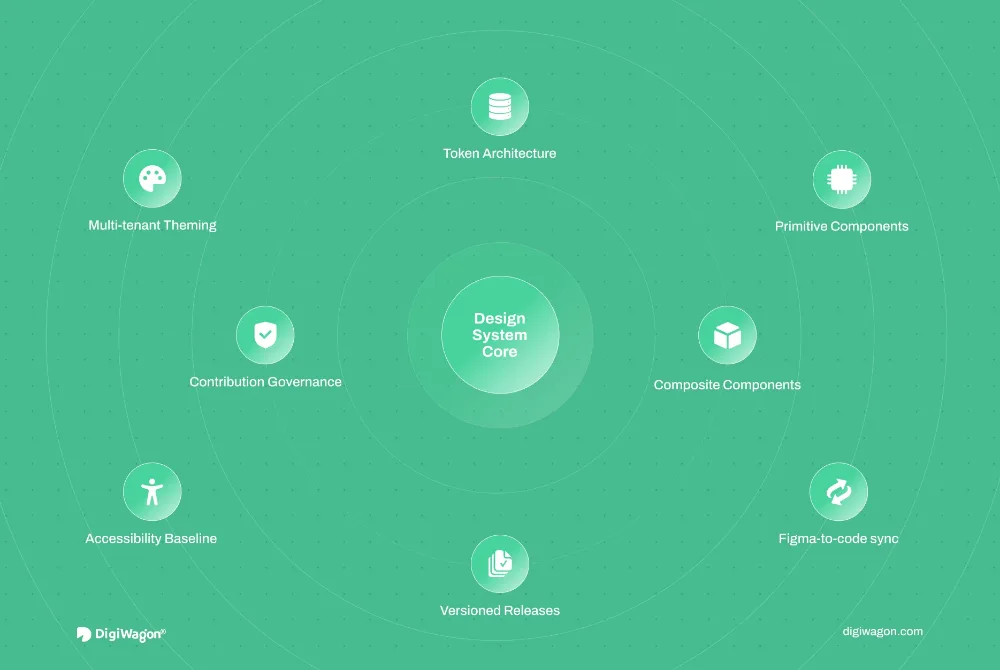
Production-Grade Design Systems: An Architecture Guide for Enterprise SaaS
· Pavan Chavda · 7 min read
Software Engineering
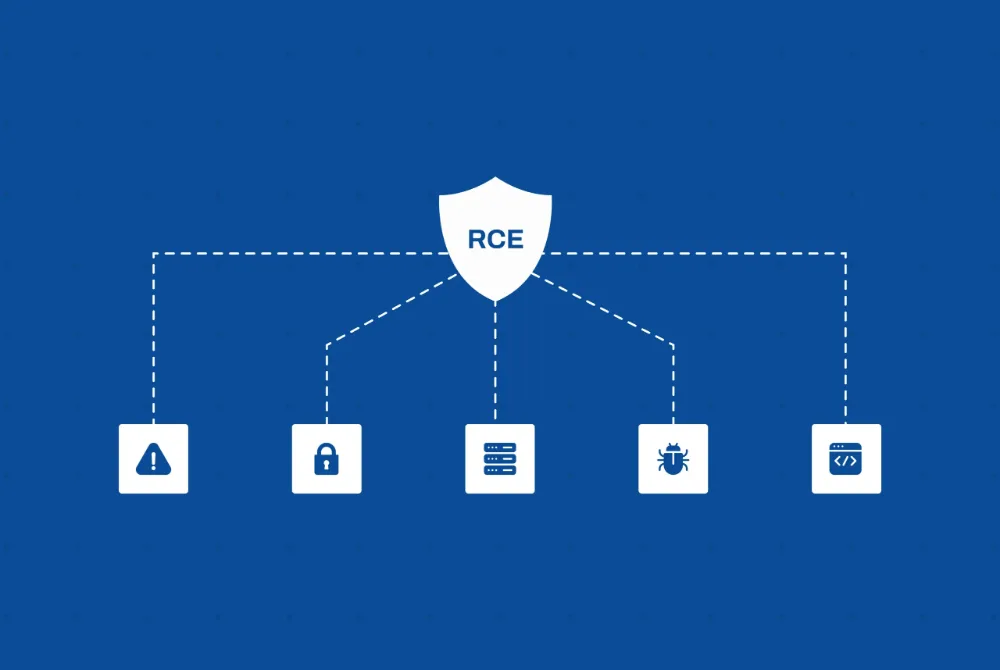
Why CVE-2025-55182 is a CVSS 10.0 Emergency for React & Next.js Enterprises
· Rushabh Modi · 5 min read
Software Engineering
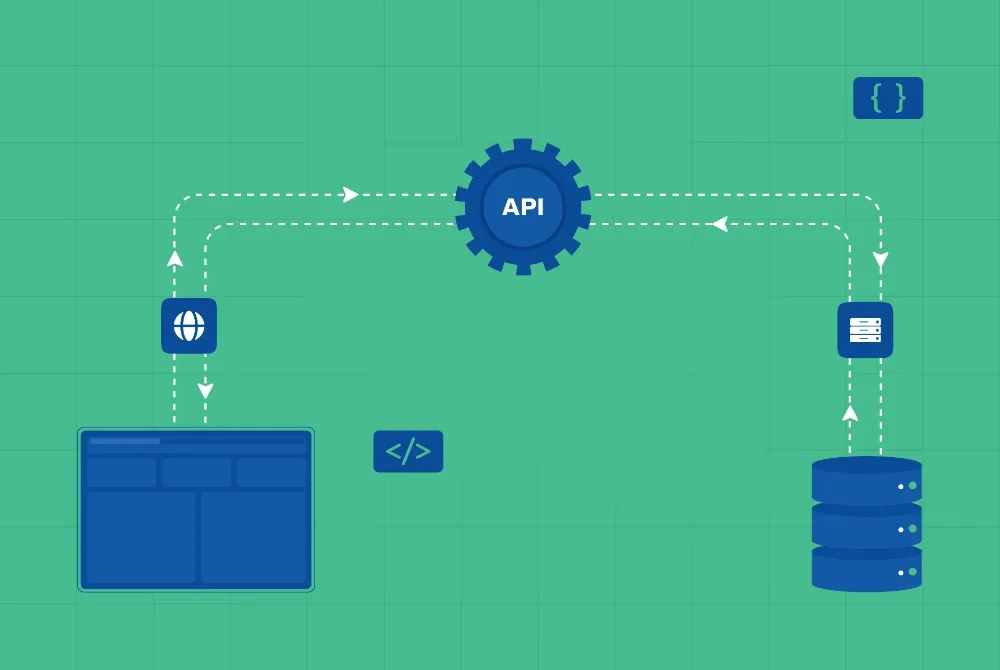
Guide to API-First Development: Building Scalable SaaS Products
Direct answers on why Next.js, fixing an existing site, traffic spikes, whether you need React developers and what our Next JS development services include after launch.
01Why should I choose Next.js for my project?
Because it is slick, speedy and search-engine obsessed. It gives a React app clean routing, built-in server rendering and static generation, image and font optimisation and a deployment story that works on Vercel, Cloudflare or your own infrastructure. This site is built on it, which is the honest version of a recommendation.
02Can you update or fix my existing site with Next.js?
Of course. Whether it is a glow-up, a migration from Create React App or a Pages Router project, or a straight-up rescue mission, we bring the setup into the App Router route by route, with the old site serving until each new route is proven and a rollback at every step.
03What if my traffic spikes suddenly? Will it crash?
Nope. Static and incrementally regenerated pages are served from the edge, so a spike hits a cache rather than your server; dynamic routes stream from server components with caching designed per route. Whether it is a hundred users or a hundred thousand, the app stays cool, calm and crash-proof — and we load-test before you find out.
04Is Next.js only for React developers?
It is React, so the team needs React skills, but the framework removes most of the decisions that make React projects drift: routing, rendering strategy, data fetching and bundling are conventions rather than debates. Your engineers get a clear structure, and we document the parts that are yours.
05Do you provide post-launch care?
We stick around with post-launch support, maintenance updates, dependency and Next.js upgrades on a schedule, bug fixes and performance checks from real users. Whether it is a tiny tweak or a major glow-up, we have your back long after the confetti settles, with support scoped in writing.
Next-Level Code for Your Next Big Thing
Nobody wants to live in the past. Tell us what the app has to do and where it has to rank, and we will show you comparable Next.js work before anything is scoped.
One click opens the assistant you already use with a question that points it at this page, so the answer comes from what we publish, not a guess.
The question it opens withRead https://digiwagon.com/next-js and explain when DigiWagon recommends Next.js, what it would ask about my product before scoping, and which of its case studies are relevant. Stick to what the page says and mark anything you are not sure about.